
ASUS Shakes Up 2026 Zephyrus Lineup With Dual 16 Inch 3K OLED Duo, Next Gen Intel Panther Lake, And AMD Ryzen AI 400 Options Across G16 And G14
ASUS is leveling up its 2026 ROG Zephyrus lineup with a clear platform message: premium portability no longer means compromise. Across the Zephyrus Duo, G16, and G14 refreshes, ASUS is pairing next gen Intel Panther Lake Core Ultra Series 3 CPUs and AMD Ryzen AI 400 processors with NVIDIA GeForce RTX 50 series laptop GPUs, while also pushing display quality, cooling architecture, and mobility focused industrial design. The result is a more segmented but more purposeful Zephyrus portfolio that targets creators, competitive gamers, and handheld style on the go users with distinct performance envelopes and form factors.
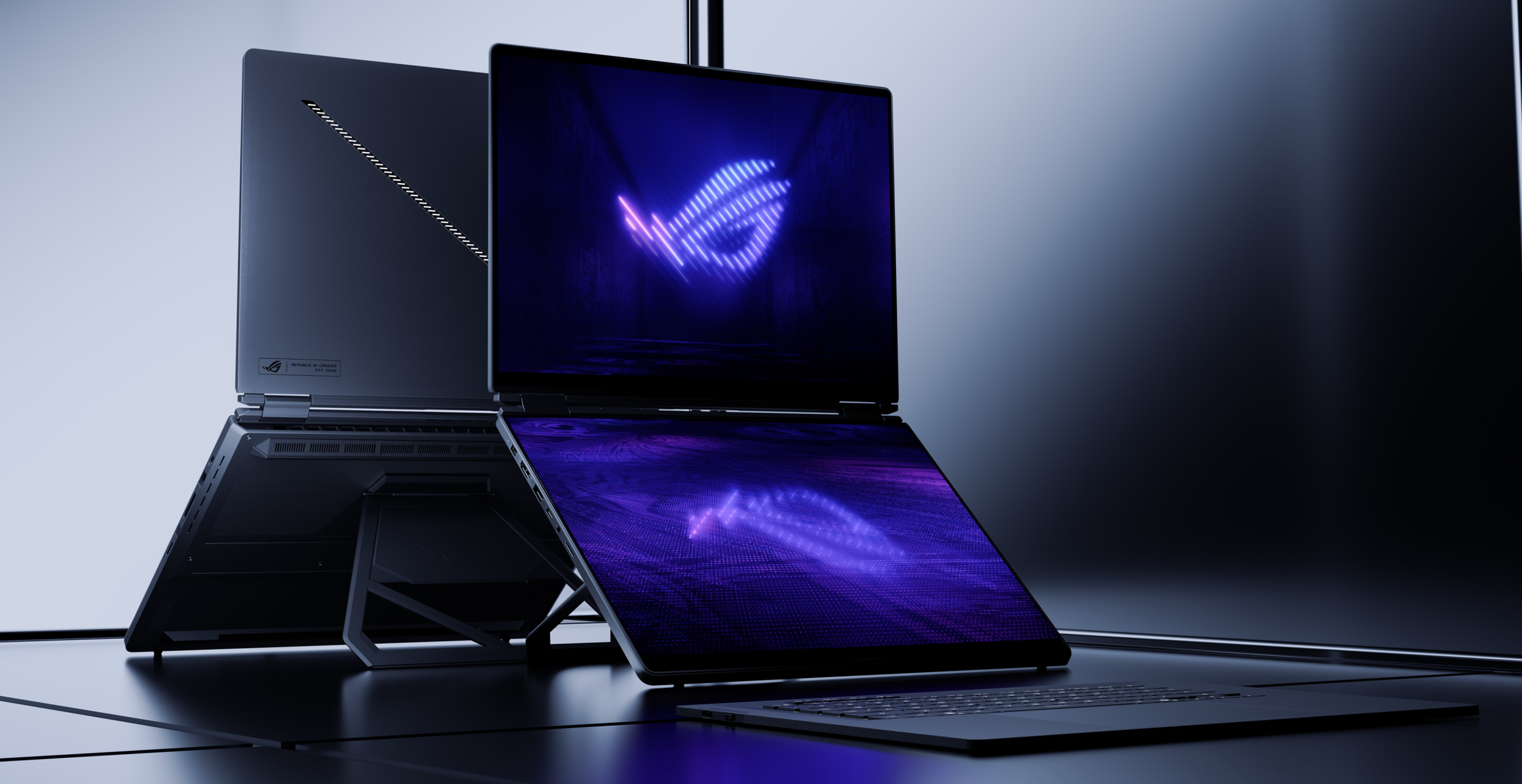
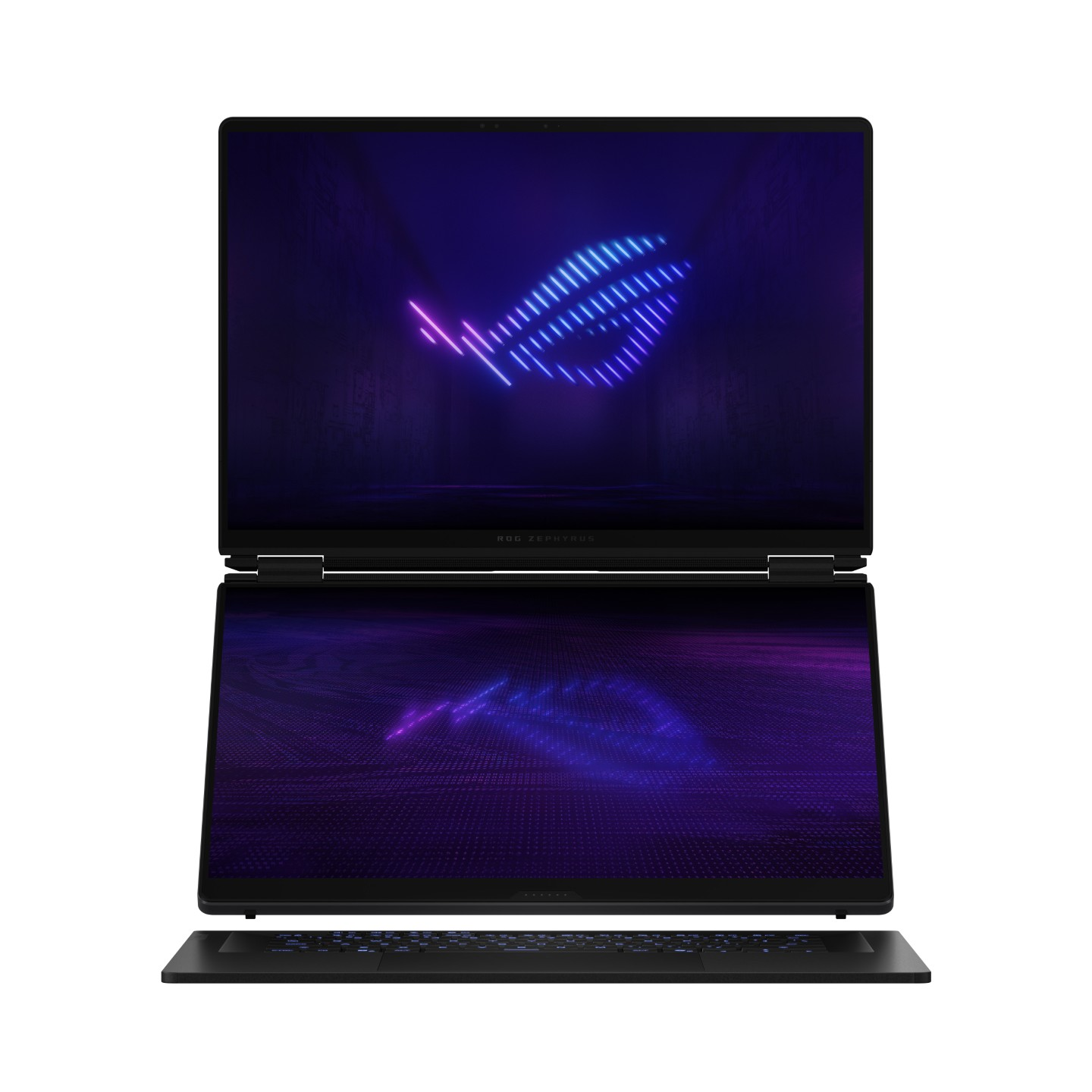
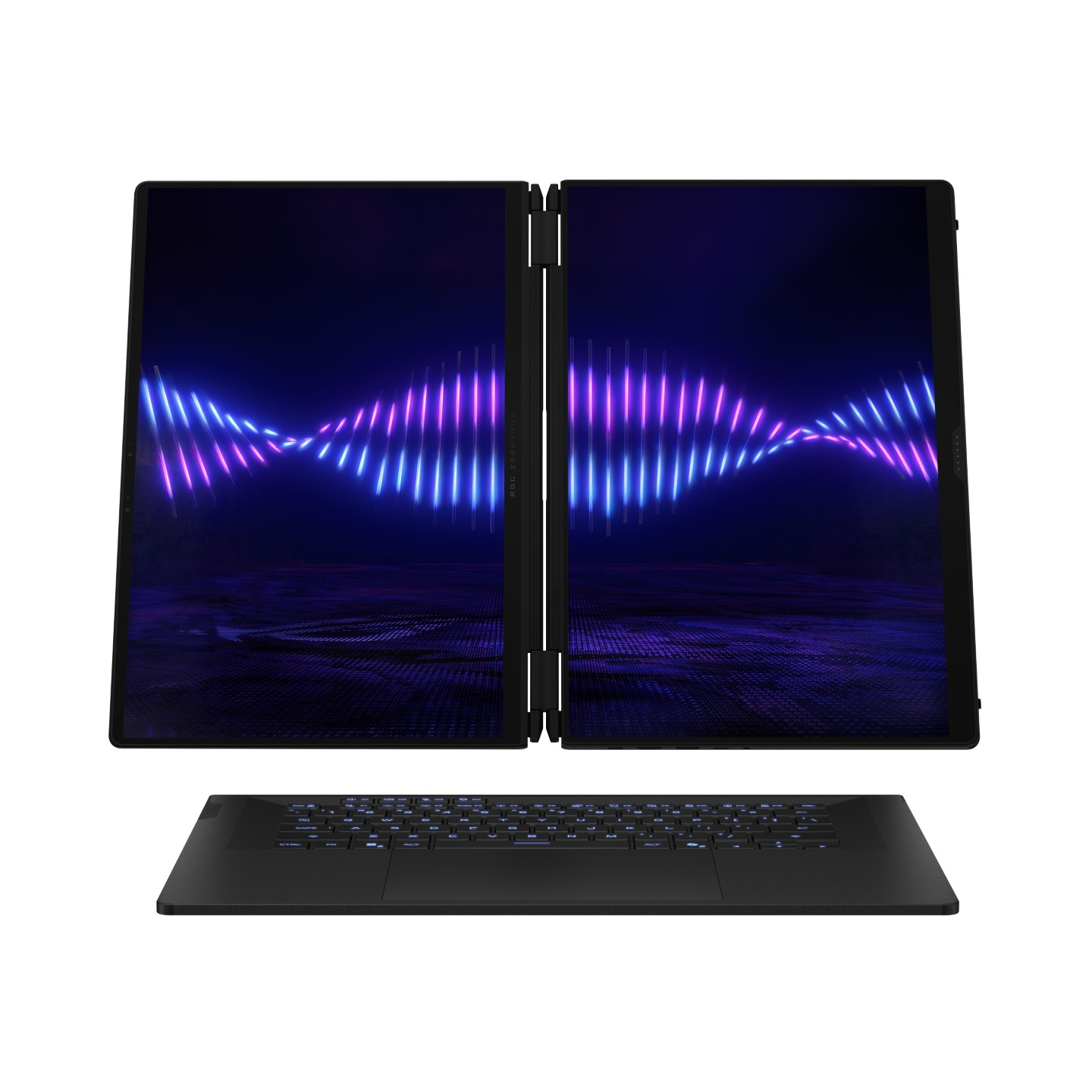
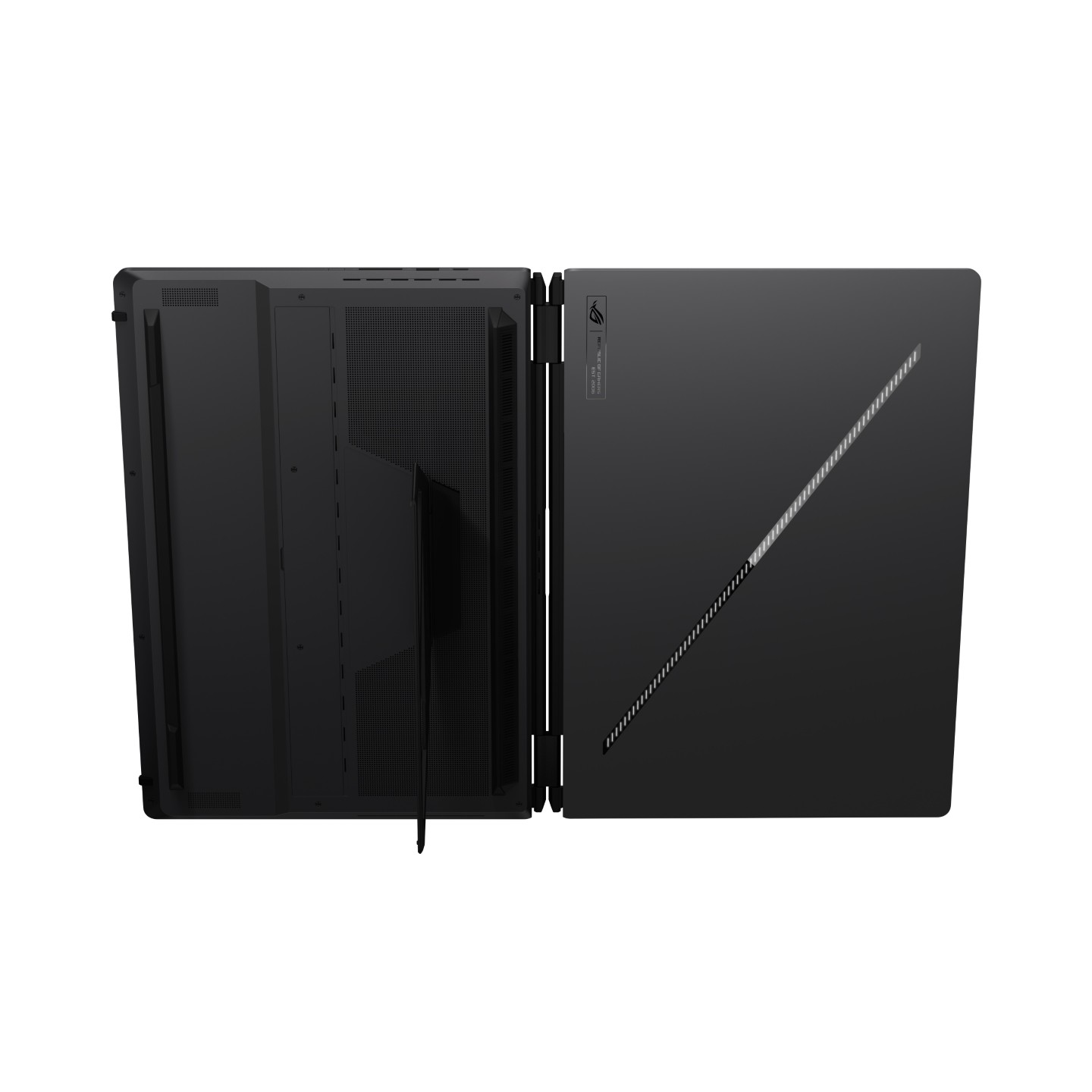
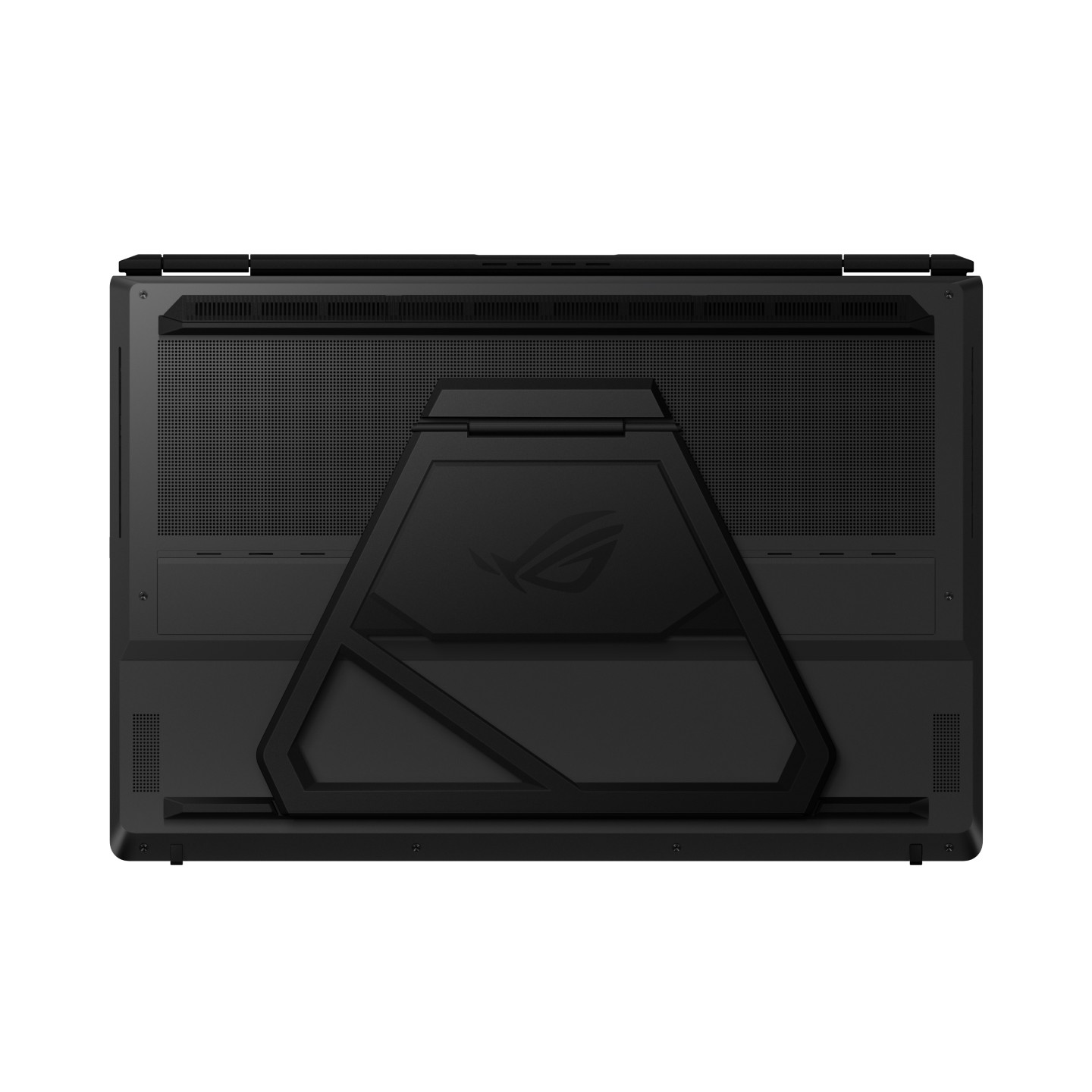
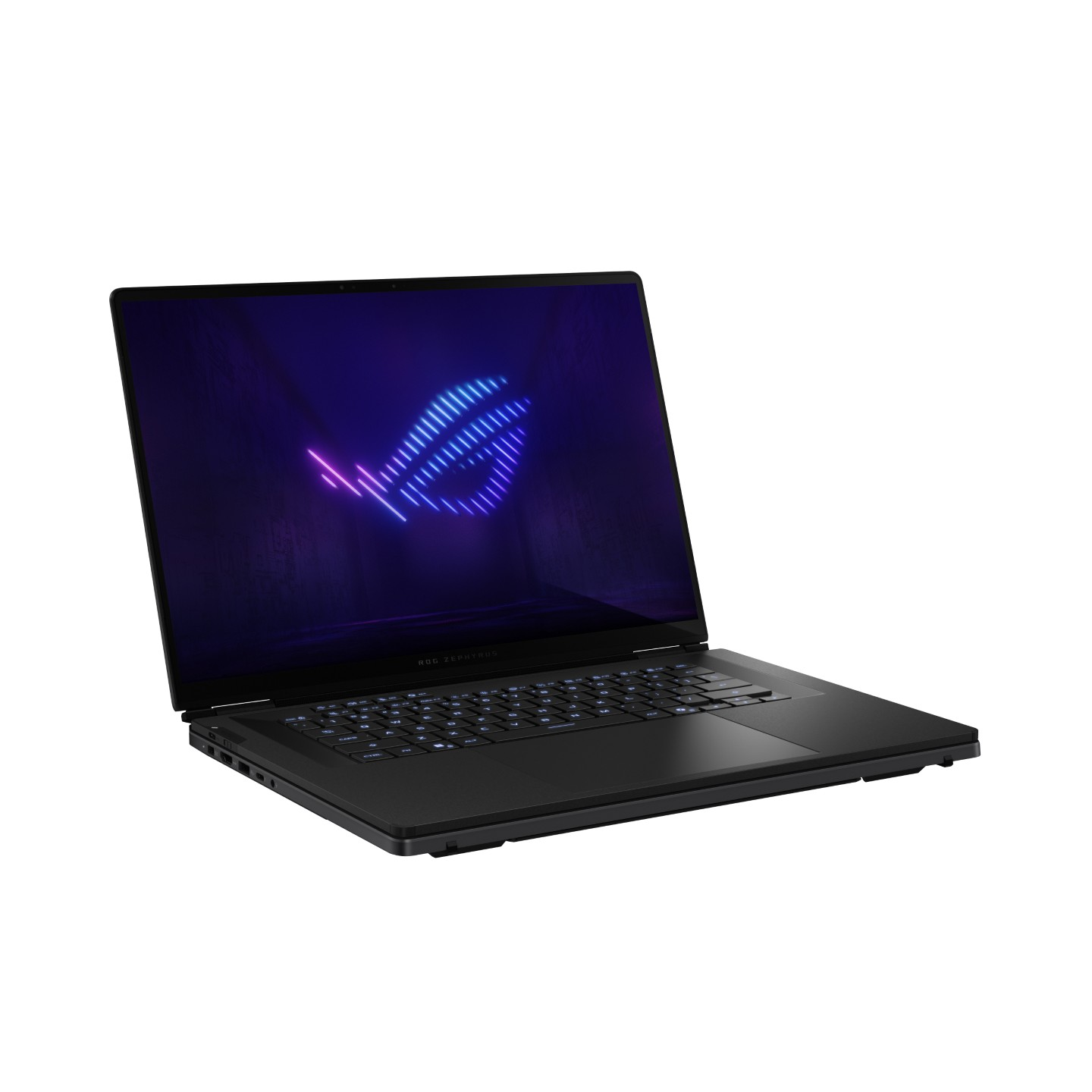
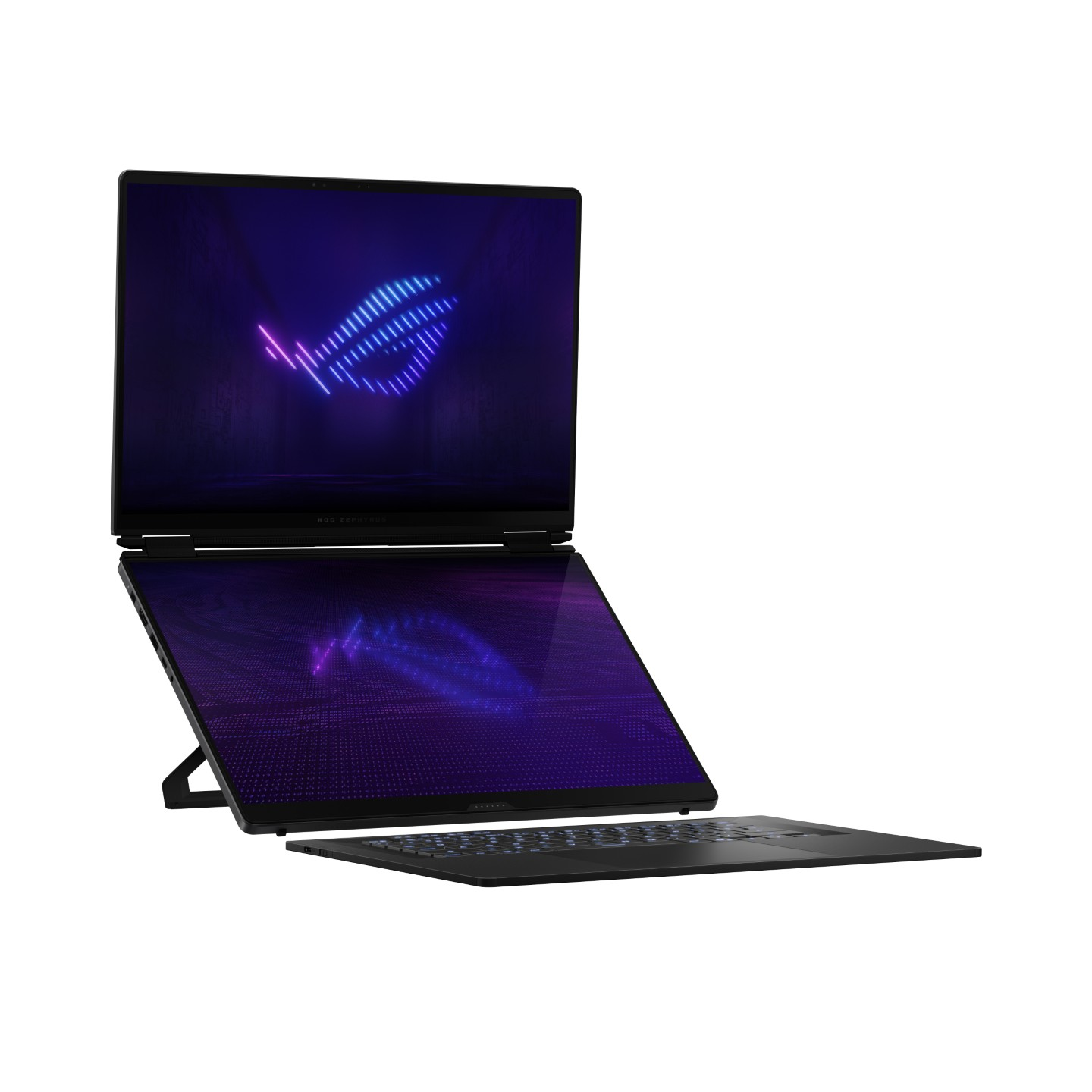
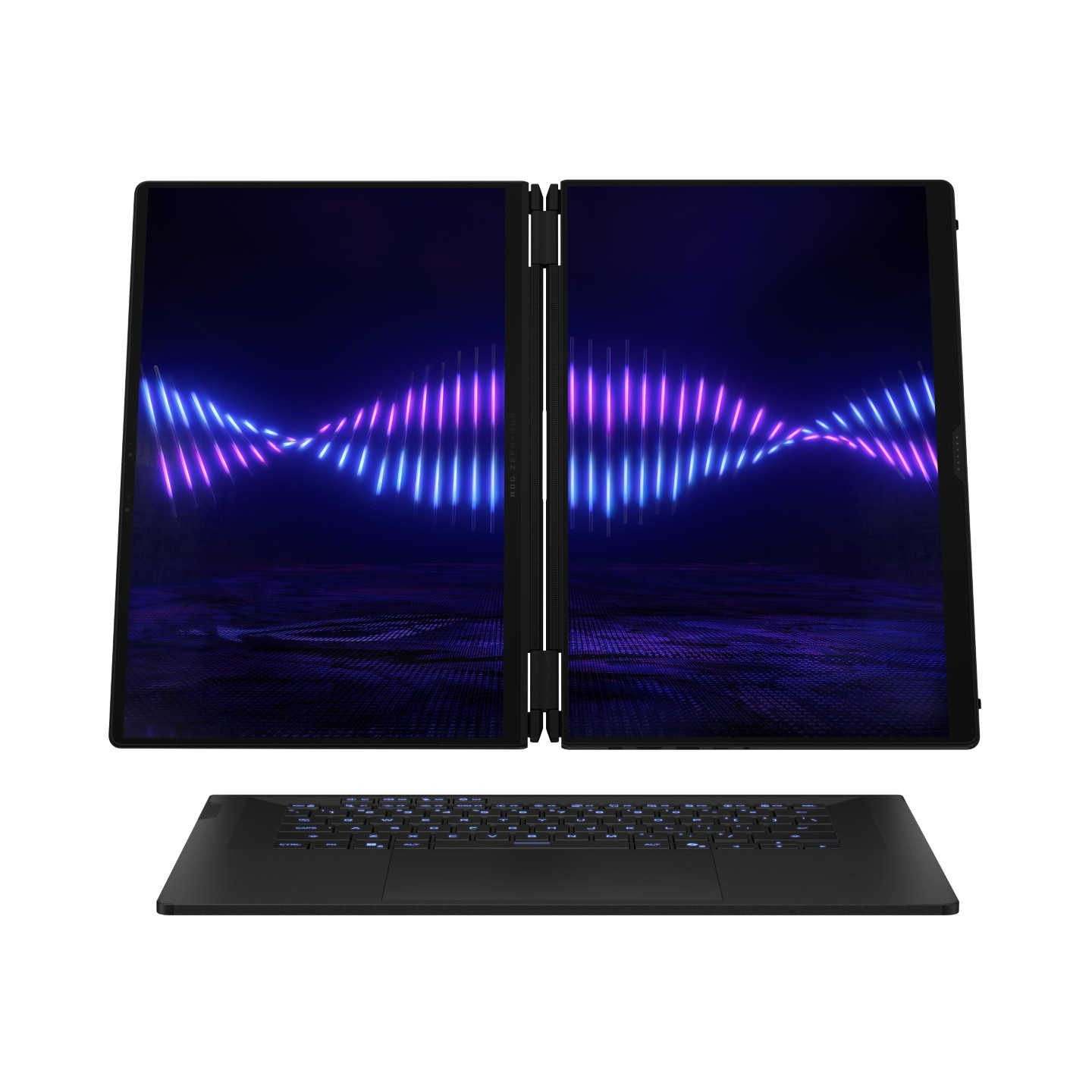
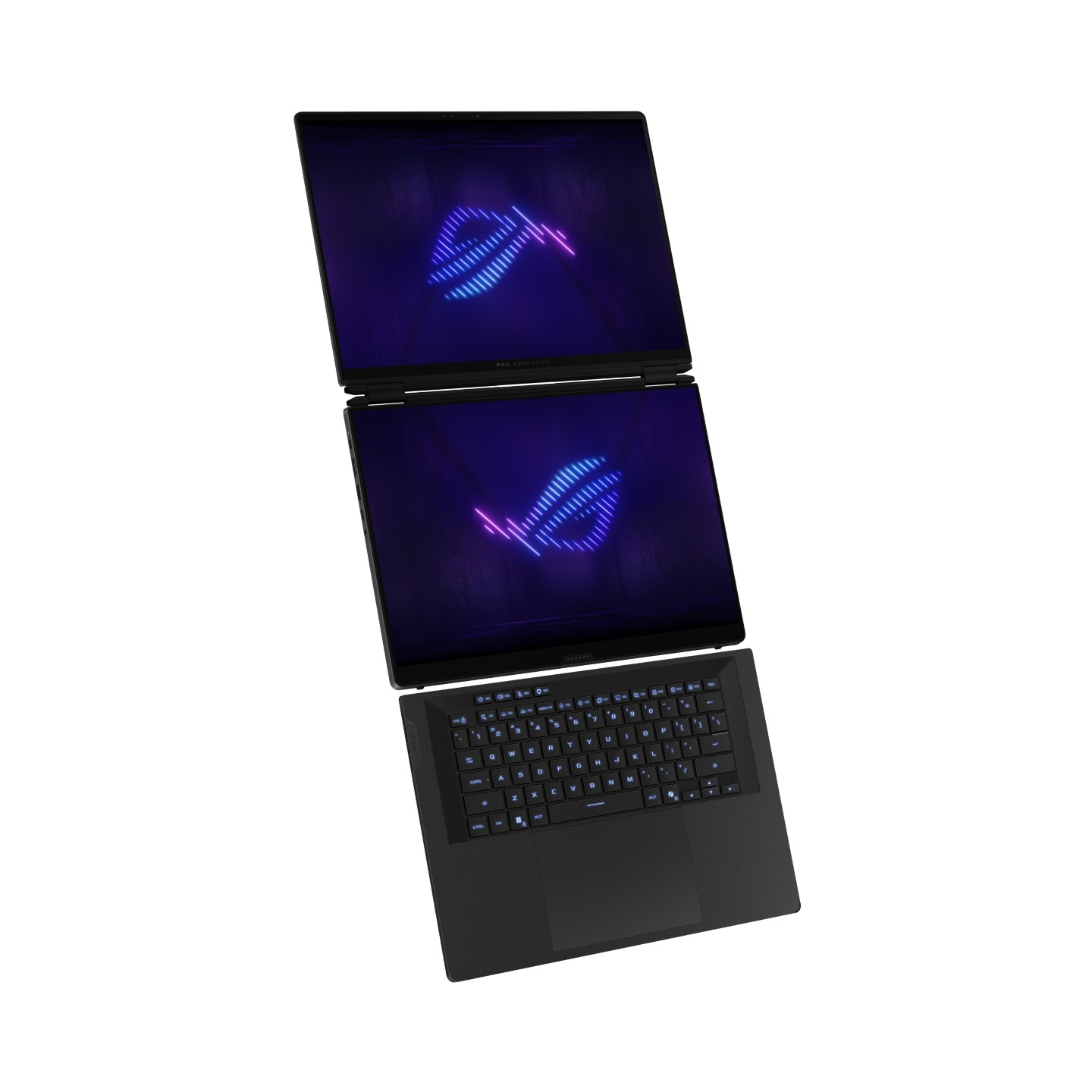
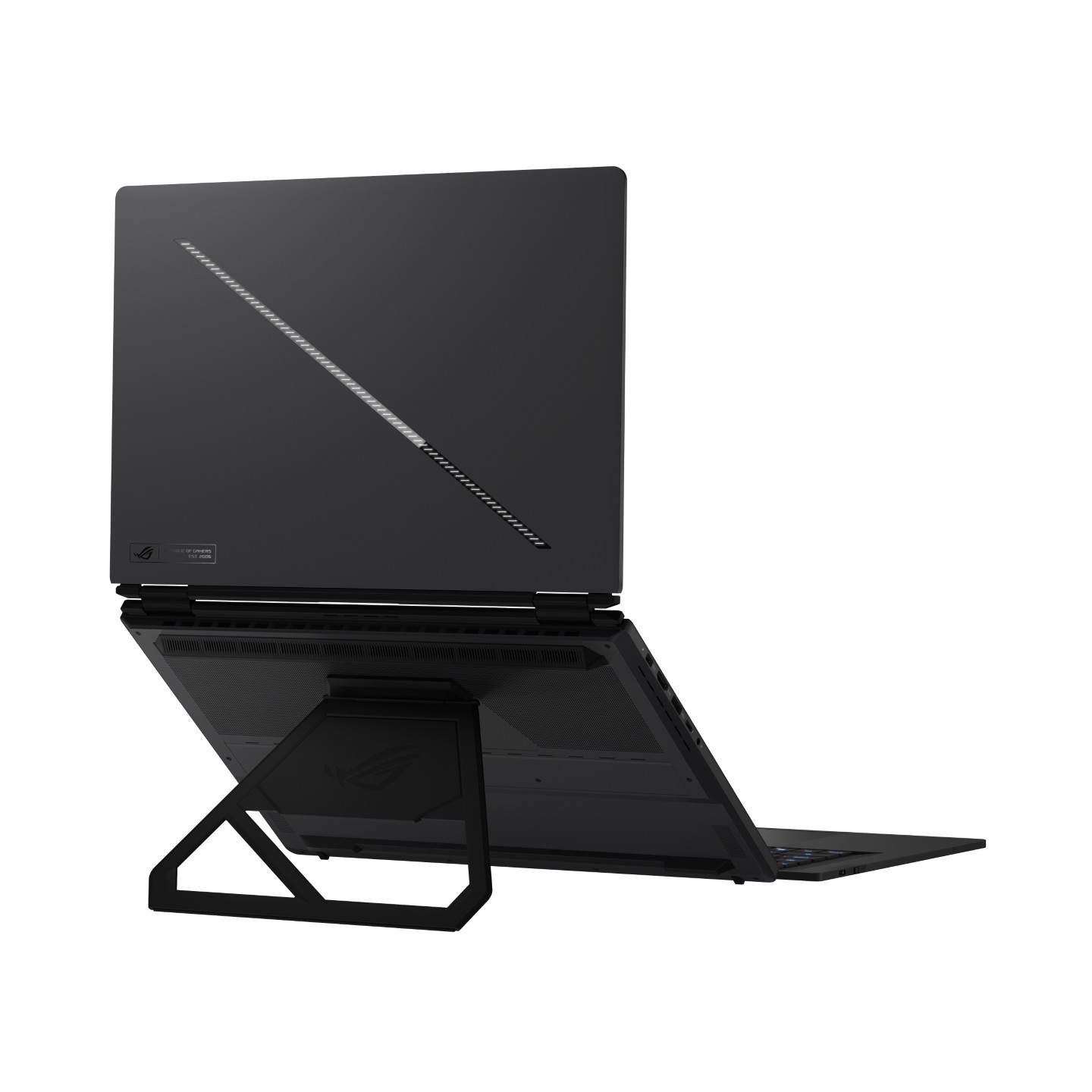
The biggest headline is the ASUS ROG Zephyrus Duo 2026, positioned as the world’s first dual 16 inch gaming laptop with 2 full 3K OLED panels. ASUS is targeting flagship tier performance here with Intel Panther Lake options up to the Core Ultra X9 388H with 16 cores and graphics scaling up to the NVIDIA GeForce RTX 5090 laptop GPU. Rather than treating the second screen as a novelty, ASUS is building the experience around 5 dedicated modes: Dual Screen Mode, Laptop Mode, Sharing Mode, Tent Mode, and Book Mode. That flexibility turns the Duo into a hybrid workstation and gaming rig that can adapt to streaming layouts, editing timelines, and multi app workflows without forcing external monitors into the travel equation.

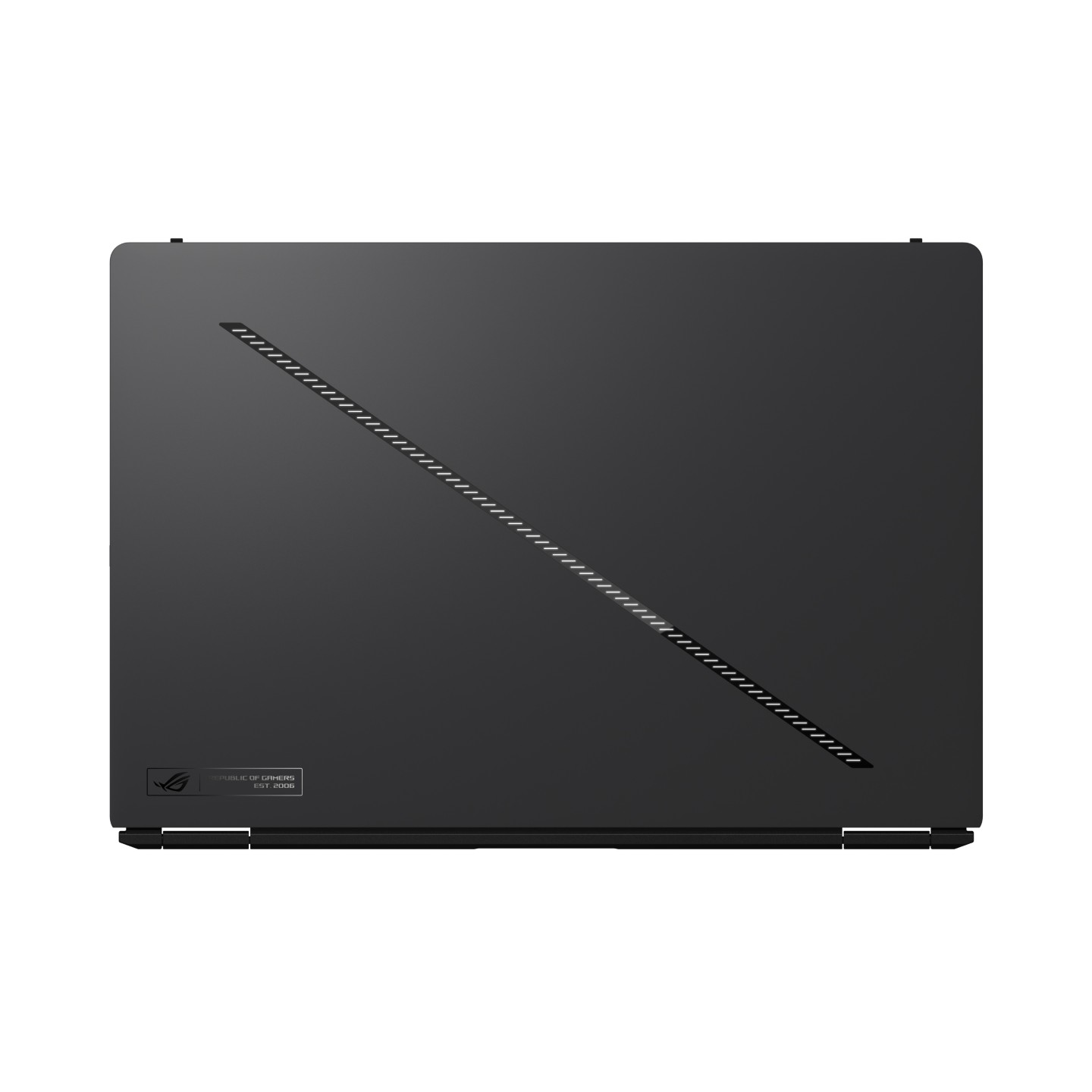
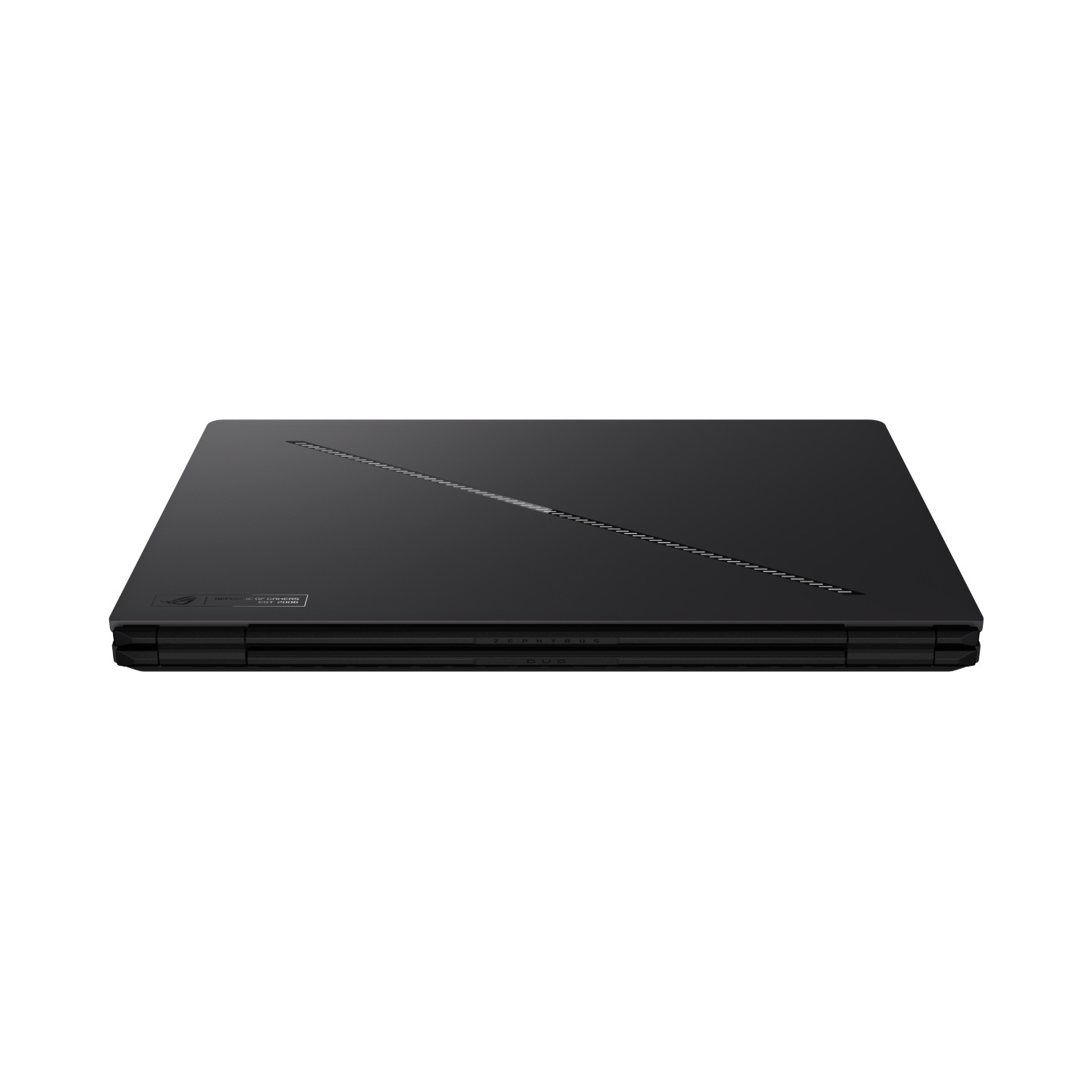
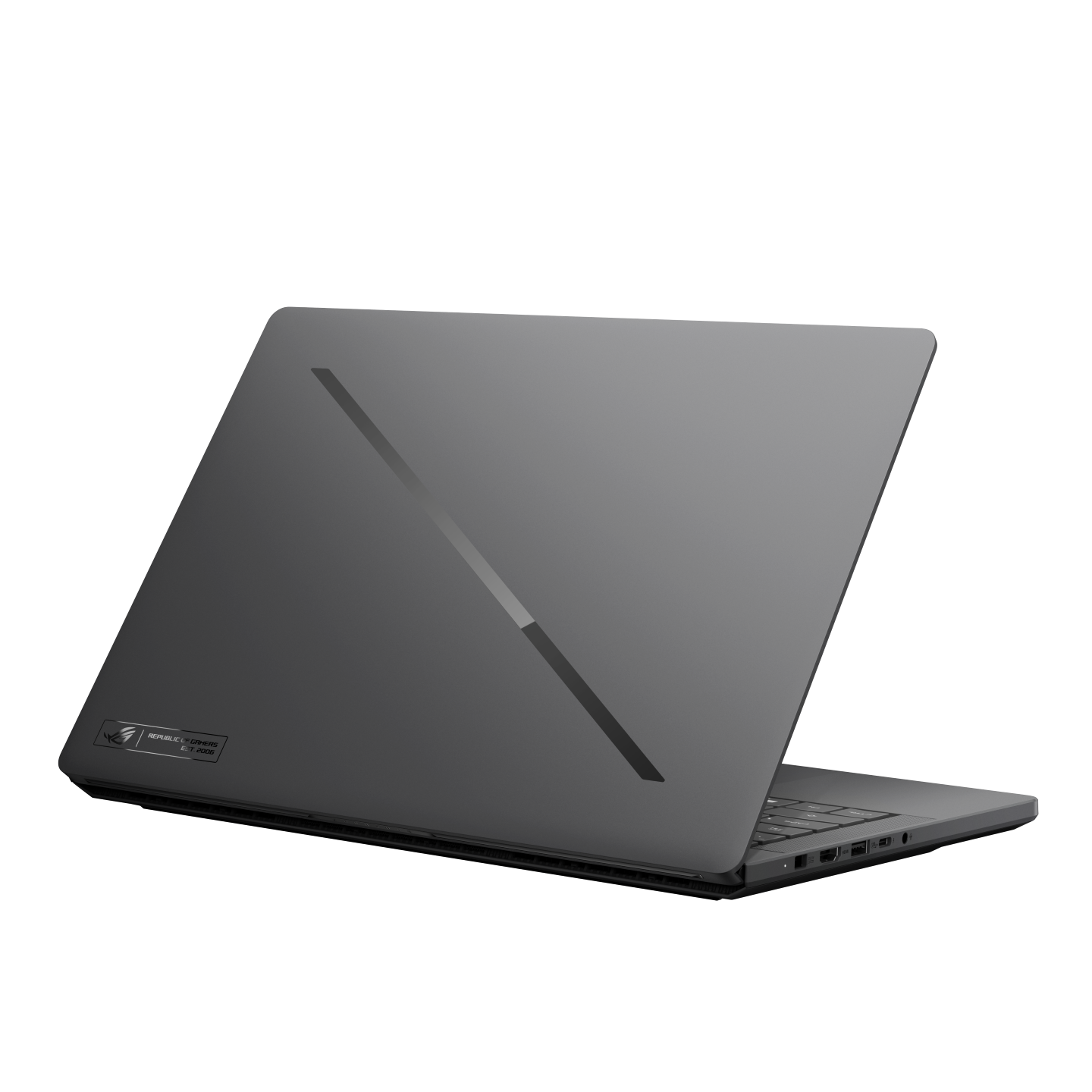
ASUS complements the dual screen concept with a premium chassis execution, using a Stellar Grey CNC milled aluminum body and the signature ROG Slash Lightning styling. Internally, the Duo configuration supports up to 64GB of LPDDR5x memory, up to 2TB of PCIe 4.0 storage, and a 135W TGP for the GPU. Cooling is anchored by a new vapor chamber approach that combines liquid metal and a graphite sheet, and ASUS highlights a 0dB ambient cooling mode through its ROG Intelligent Cooling stack for low load scenarios where silence matters as much as thermals.
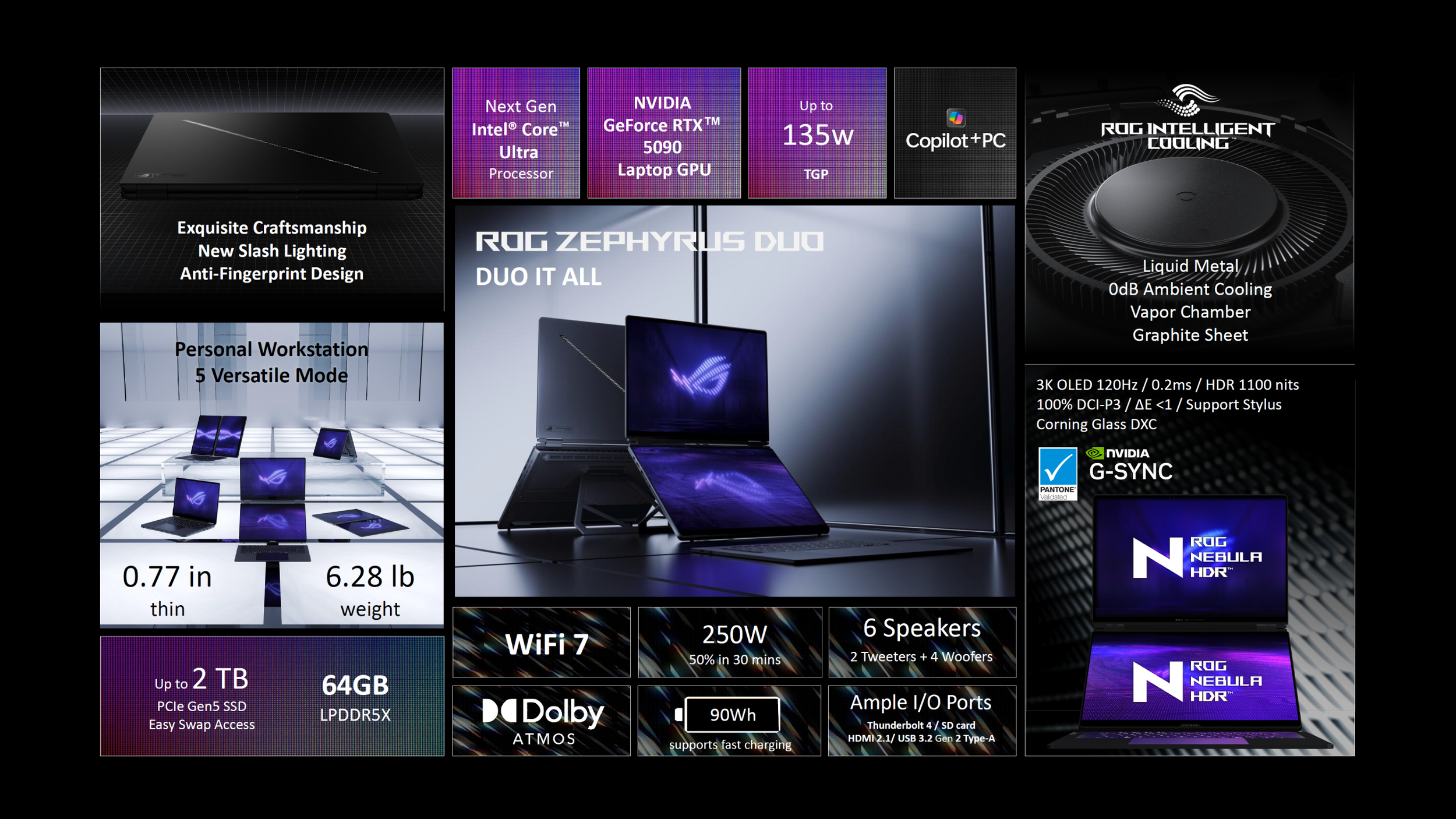
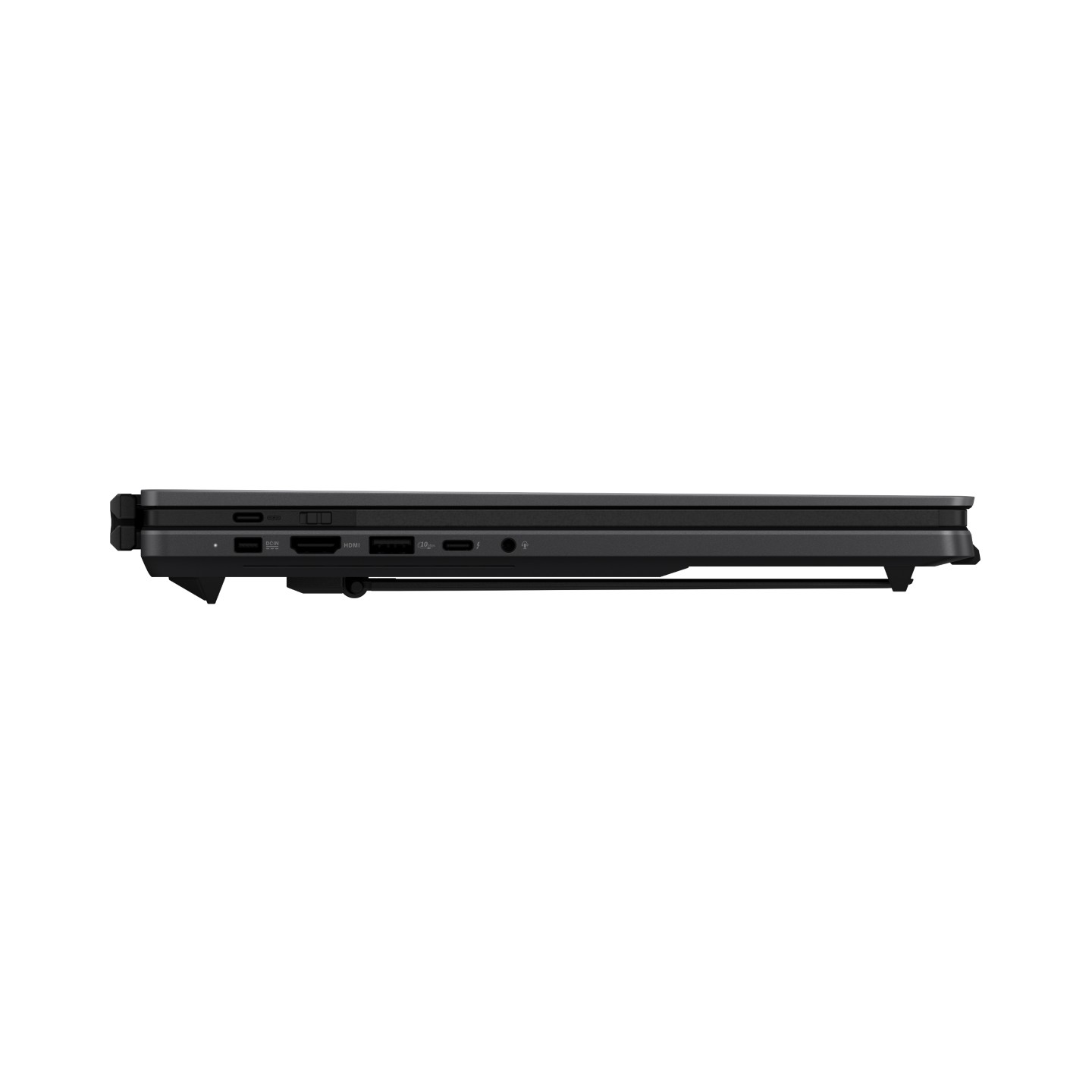
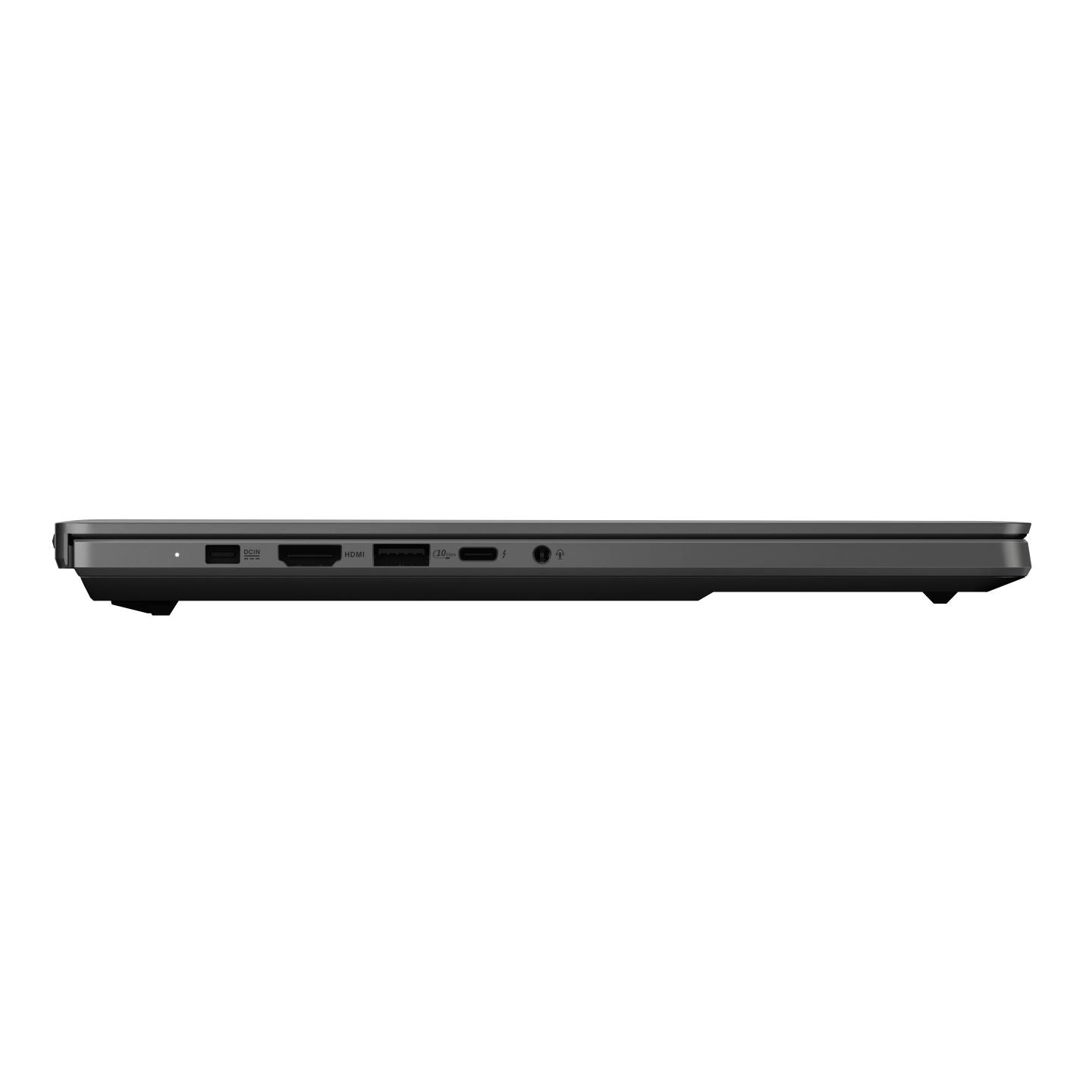
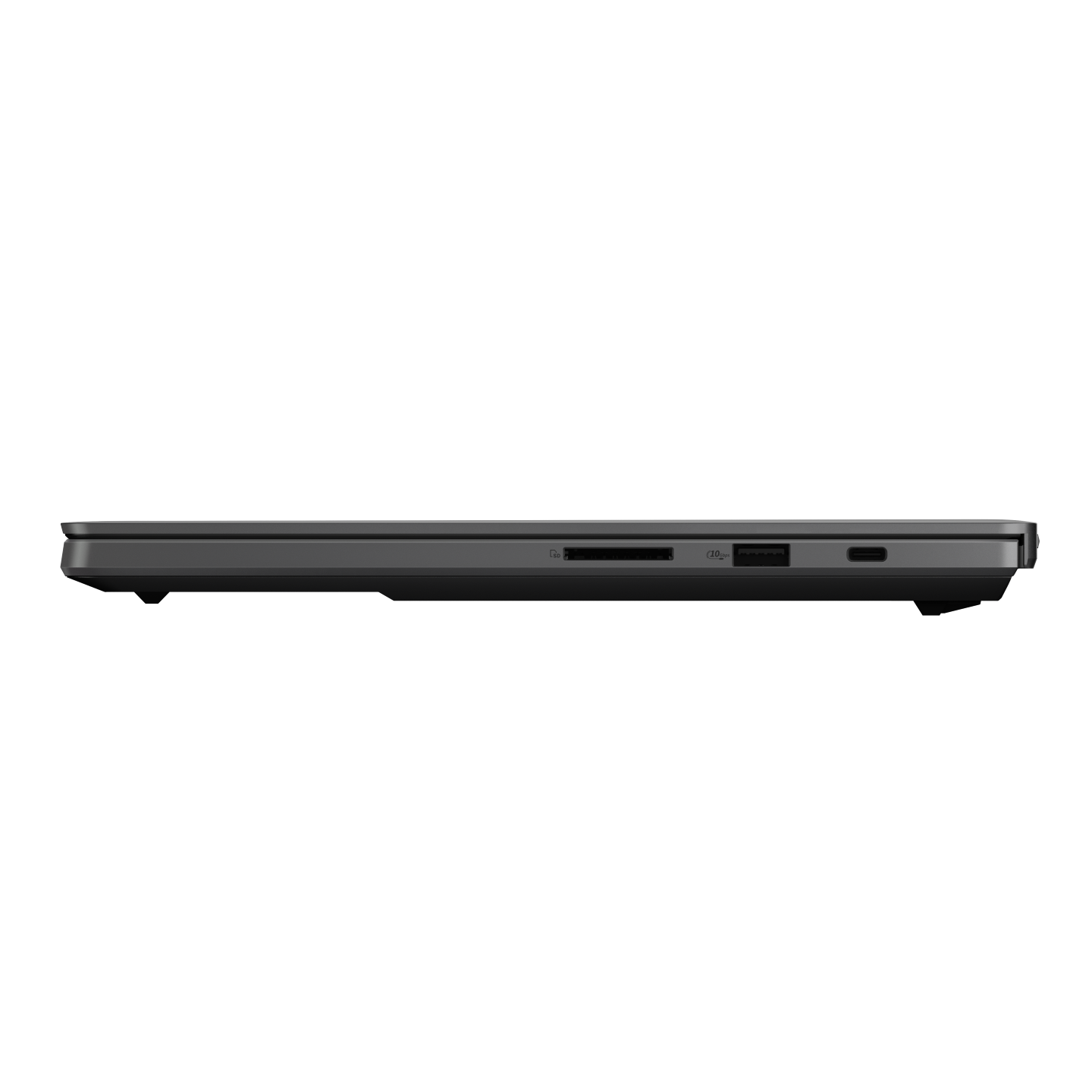
Display is the center of gravity. Both panels use the latest ROG Nebula HDR spec with 3K OLED resolution at 2880x1800, up to 120Hz refresh, NVIDIA G Sync support, and touchscreen capability protected by Corning Glass DXC. ASUS lists peak HDR brightness at up to 1100 nits on both panels, and notes that the second screen is 213% larger than the previous Duo generation, which materially changes how usable it is for timelines, chat overlays, or tool palettes. Connectivity is also creator ready with dual Thunderbolt 4 ports, 2 USB 3.2 Type A ports, HDMI, SD card reader, and audio jack, plus Wi Fi 7. Audio and mobility are treated as first class features with a 6 speaker array, a 90Wh battery, and fast charging that reaches 50% in 30 minutes using the 250W adapter. ASUS also bundles a 5.1mm thin wireless keyboard and touchpad accessory that can dock or connect via Bluetooth and includes USB Type C charging.
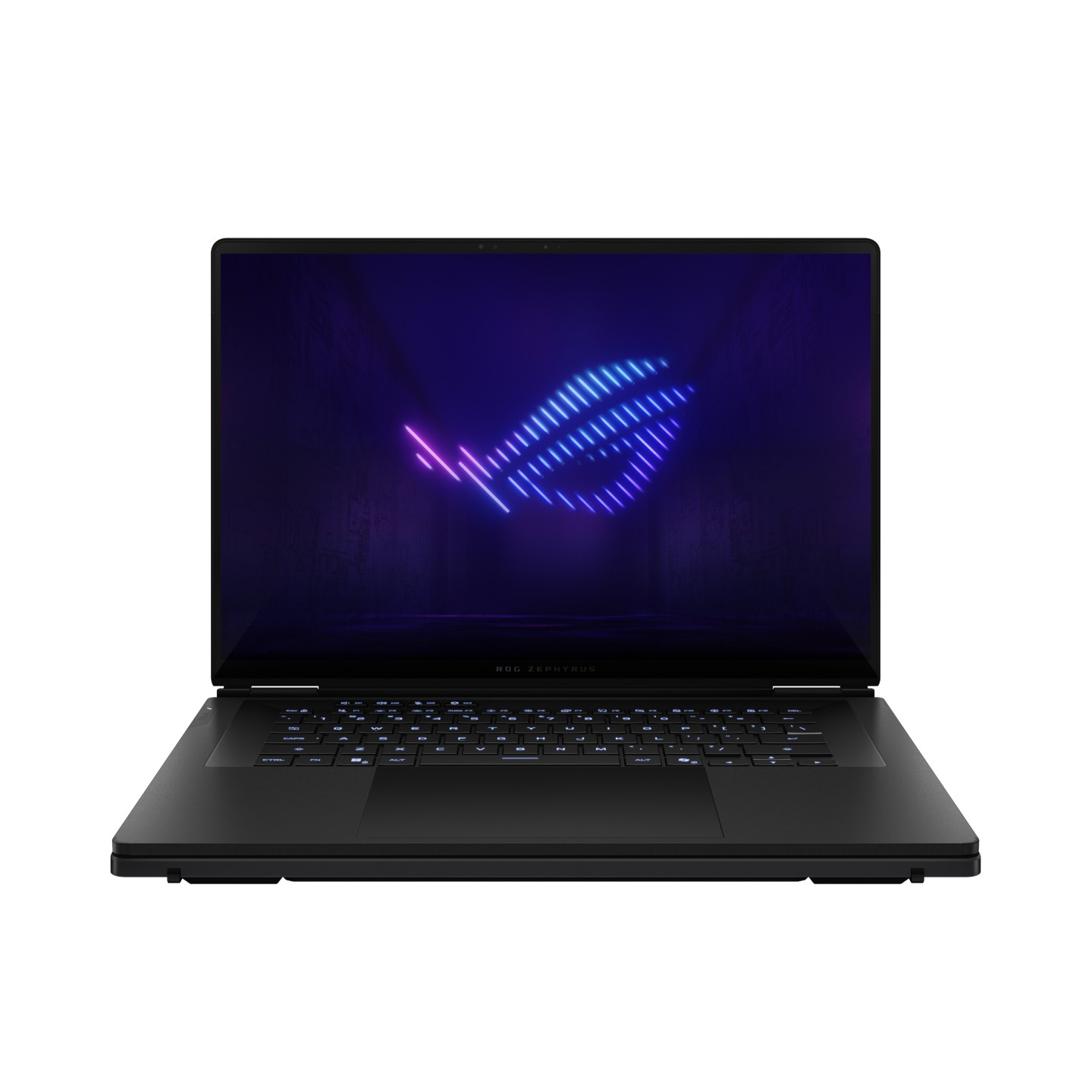
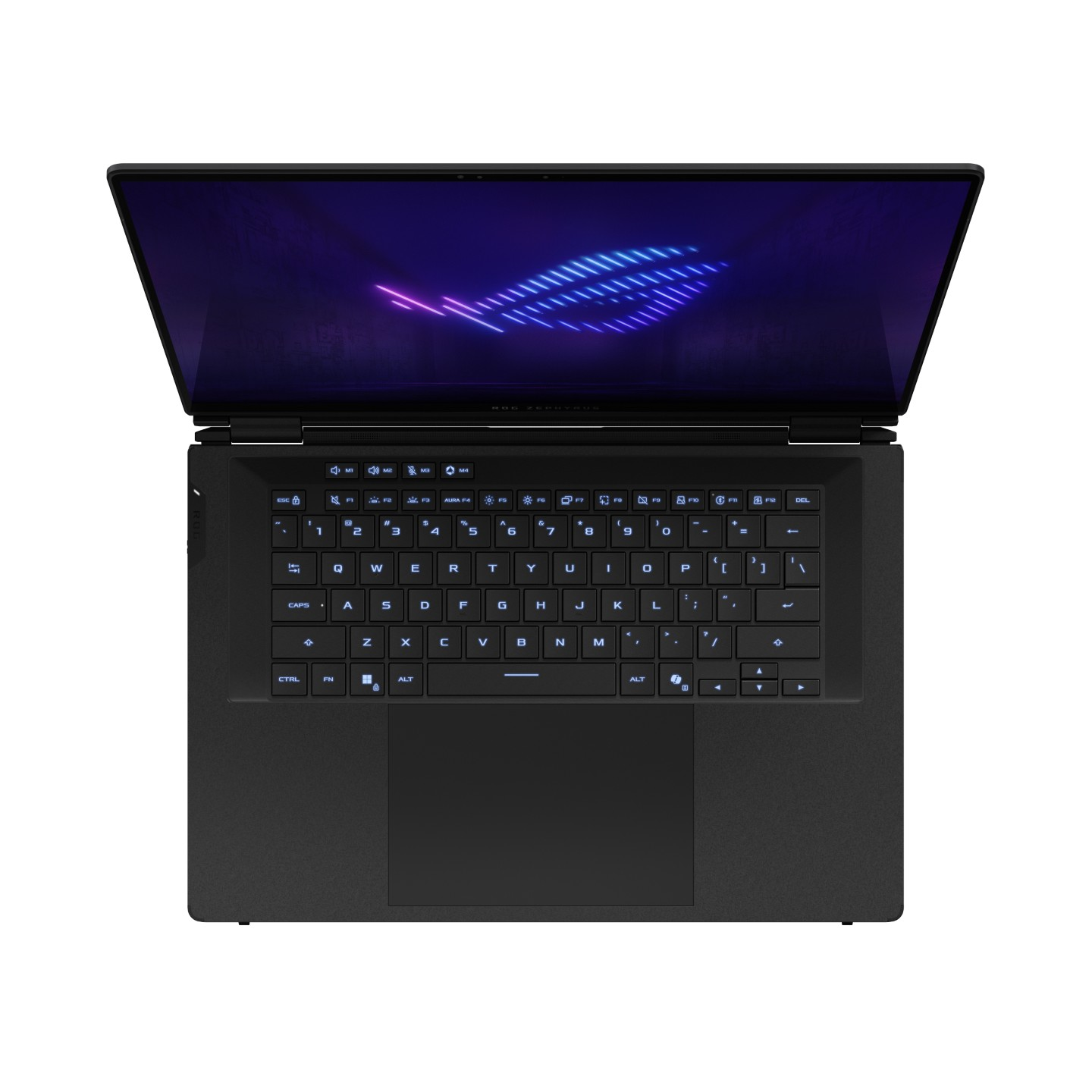
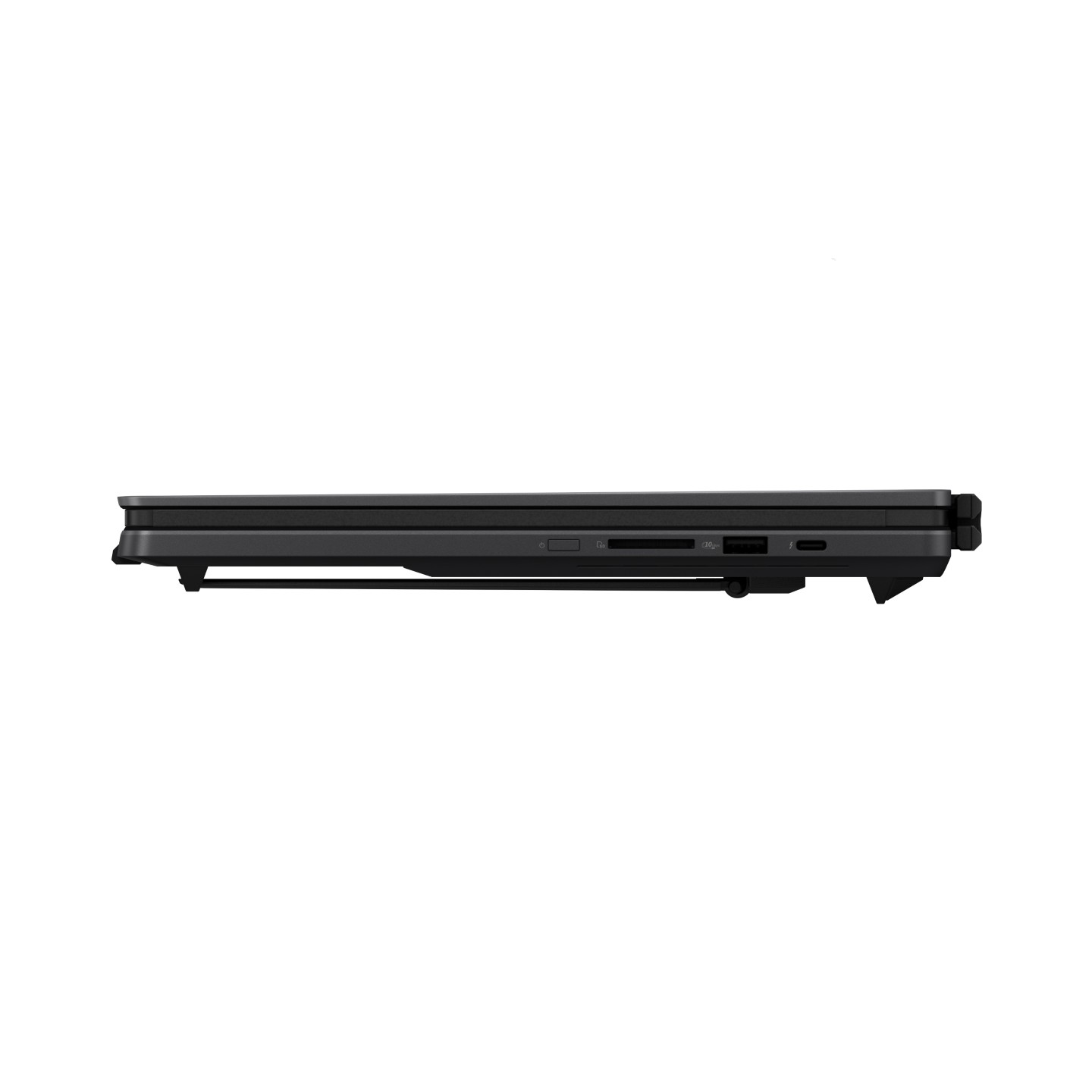
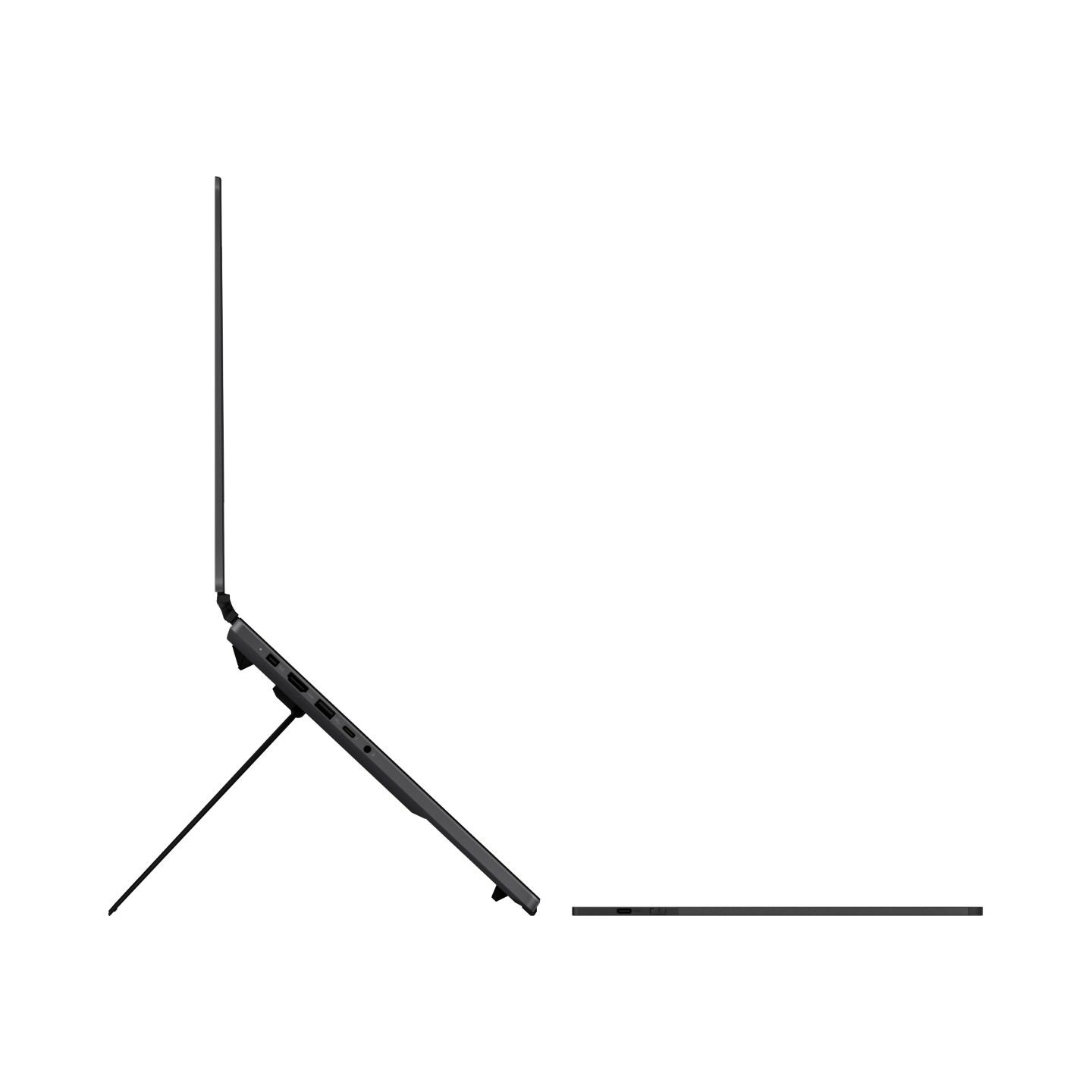
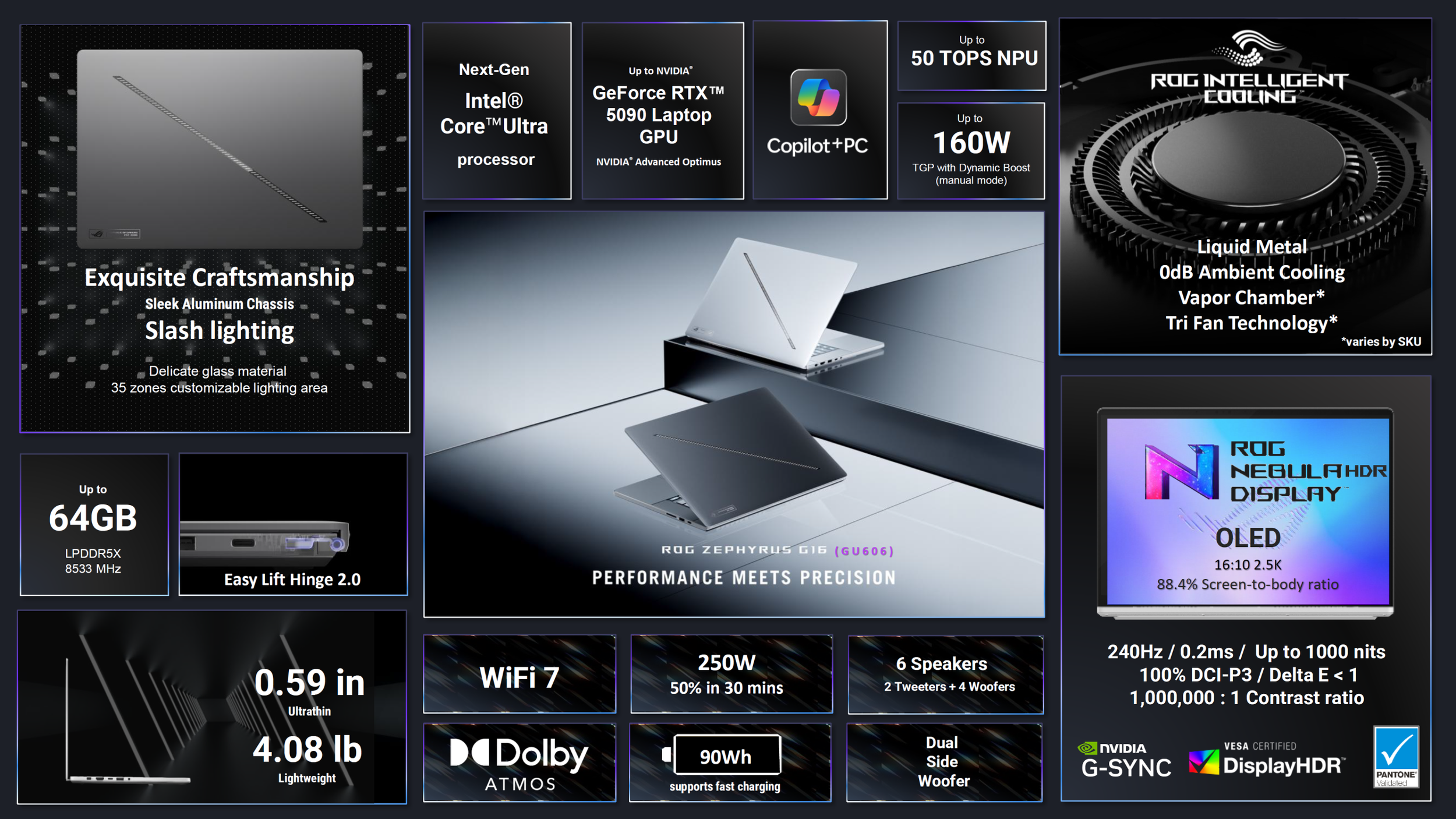
For users who want a traditional clamshell flagship, the ASUS ROG Zephyrus G16 2026 GU606 becomes the performance spearhead of the standard lineup. ASUS upgrades this model with Intel Core Ultra Series 3 and offers configurations up to the RTX 5090 laptop GPU. Memory support scales to 64GB of LPDDR5x rated at 8533 MT/s, with dual M.2 slots providing up to 2TB of storage capacity. ASUS calls out up to 160W TGP for the GPU with Dynamic Boost in Manual Mode, which places this system firmly in the serious gaming and creator category, especially considering how thin it remains.
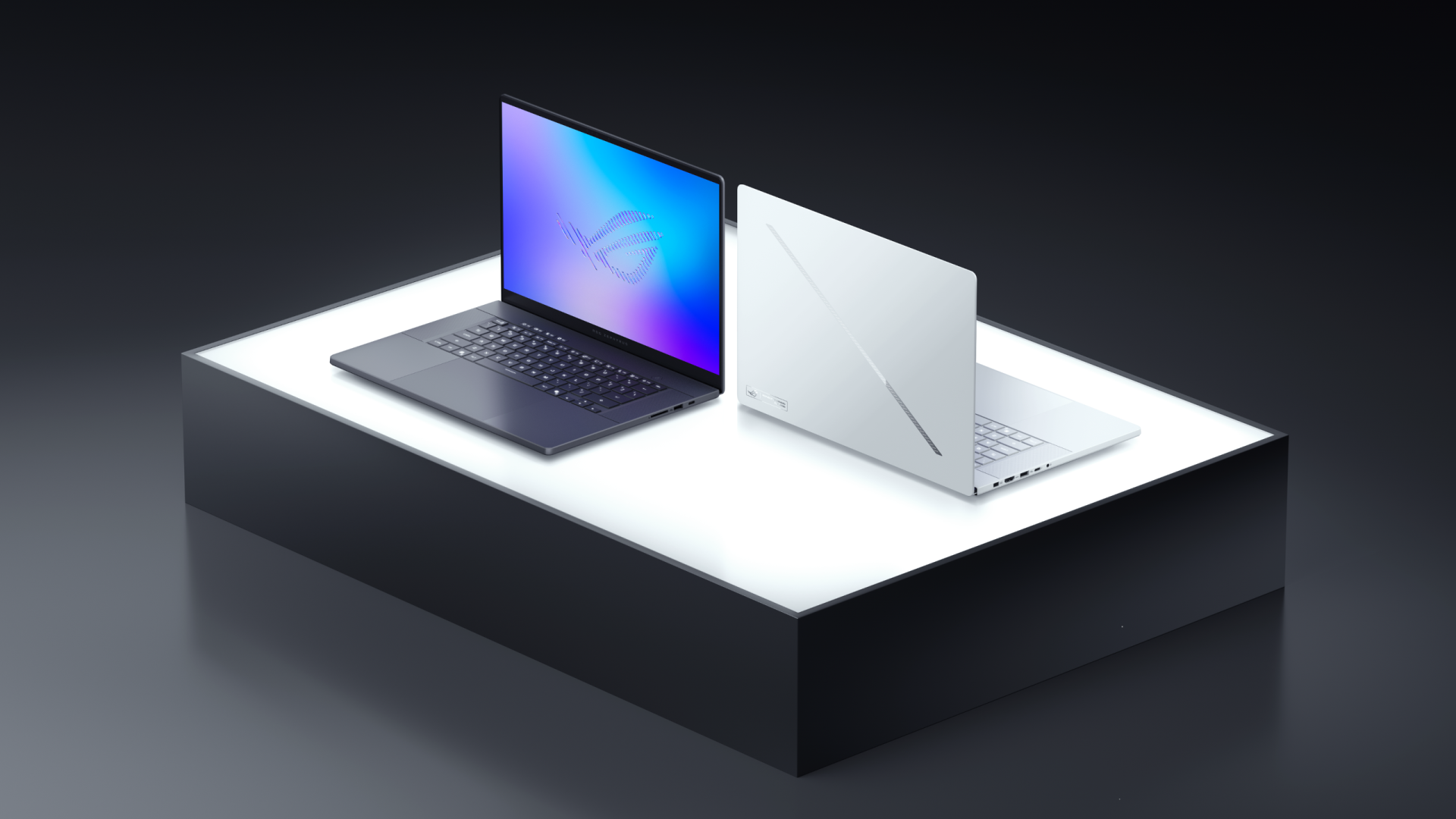
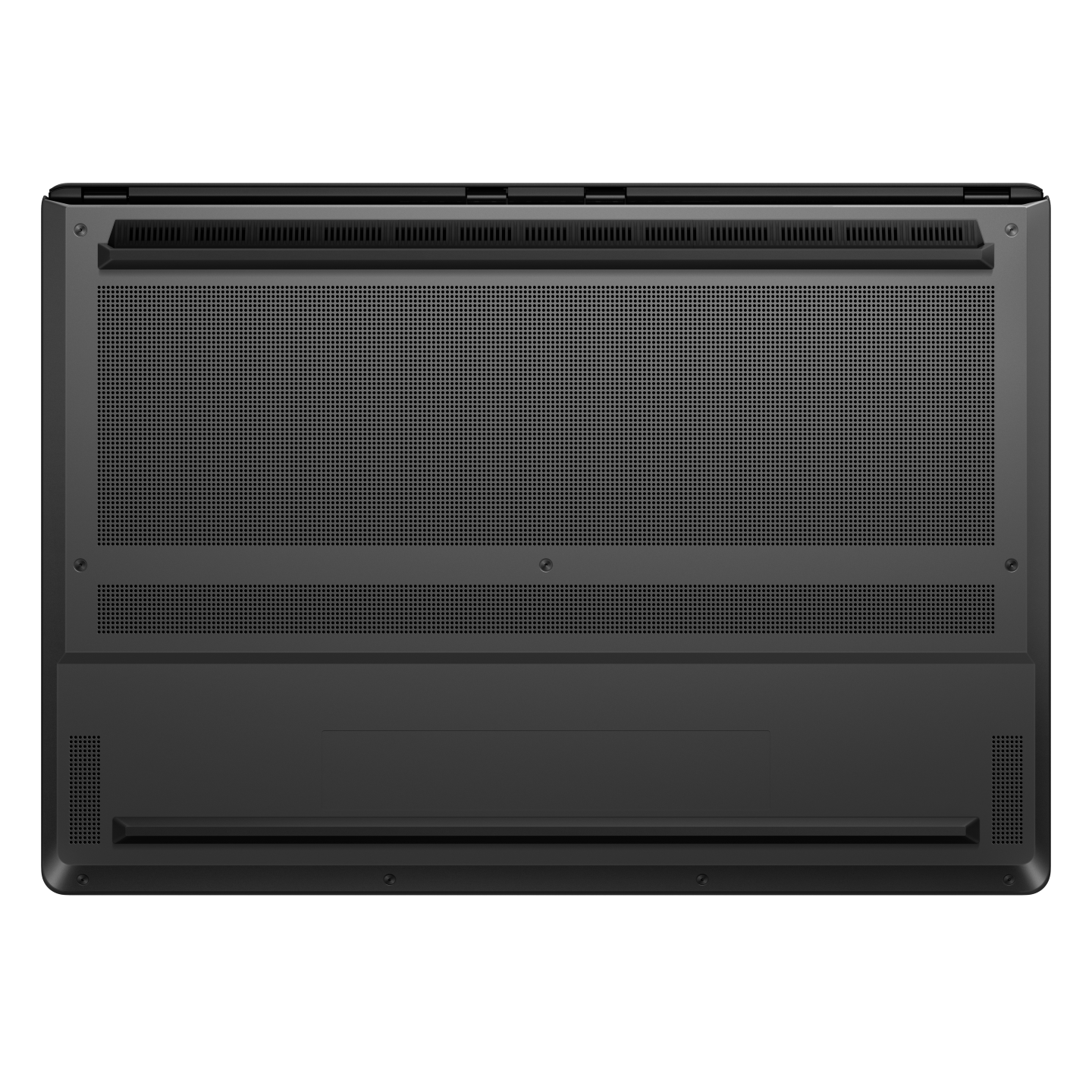
Design language stays consistent with a sleek aluminum chassis and the slash LED lightning accent, but the more impressive part is the mobility spec: 1.85kg weight and 1.49cm thickness. ASUS pairs that with an updated cooling stack featuring a vapor chamber, liquid metal thermal interface material, and a 3 fan design, while keeping the option for 0dB ambient cooling at light loads. The display is another premium step, using a 16 inch OLED ROG Nebula HDR panel with up to 2.5K resolution, 16:10 aspect ratio, up to 240Hz refresh, up to 1100 nits HDR brightness, and an 88.4% screen to body ratio. Battery and charging remain aggressive with a 90Wh pack and 50% in 30 minutes via a 250W adapter, plus Wi Fi 7 and strong I O including dual Thunderbolt 4 ports. ASUS also introduces an EasyLight hinge mechanism designed to reduce effort when lifting the lid, aiming for a smoother daily user experience.
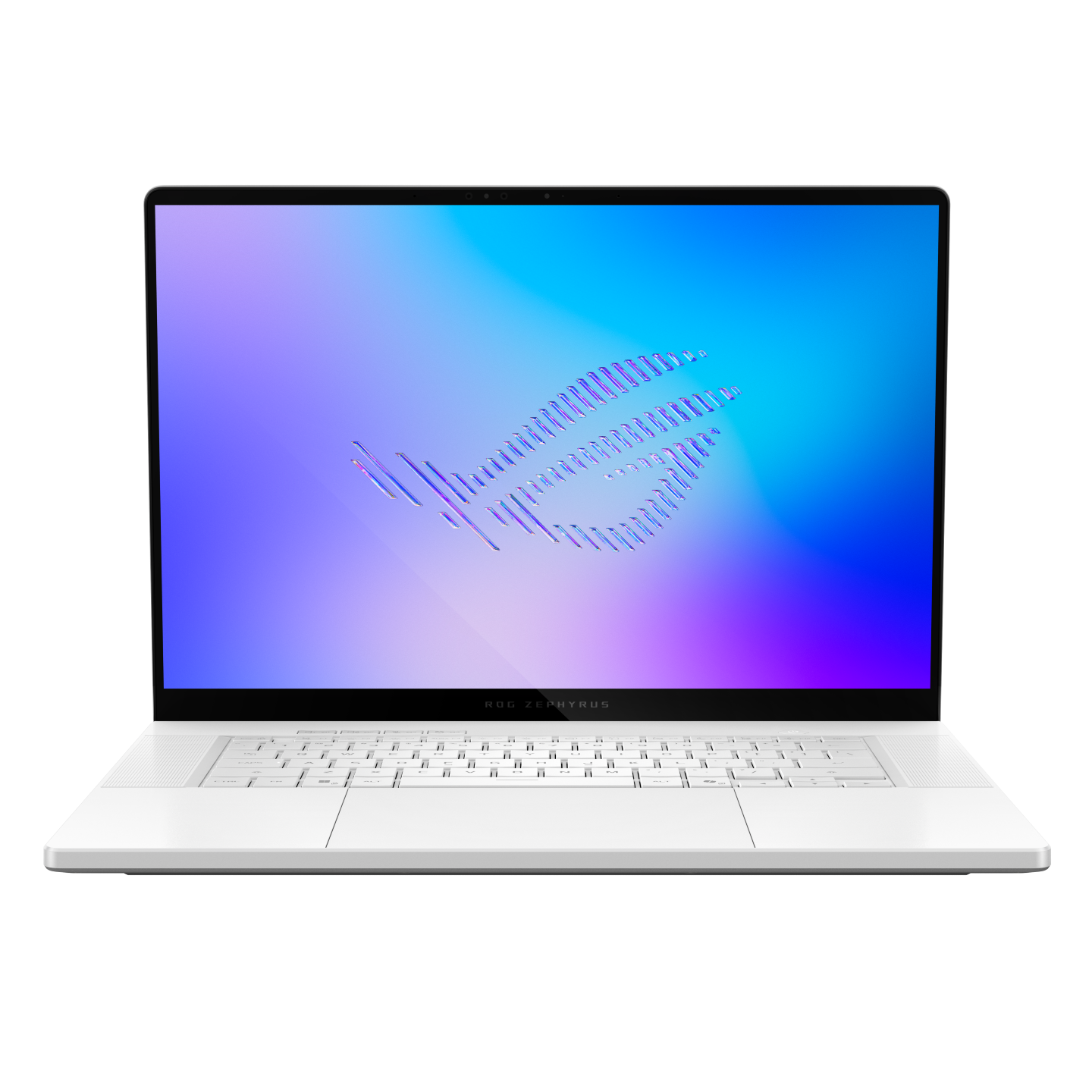
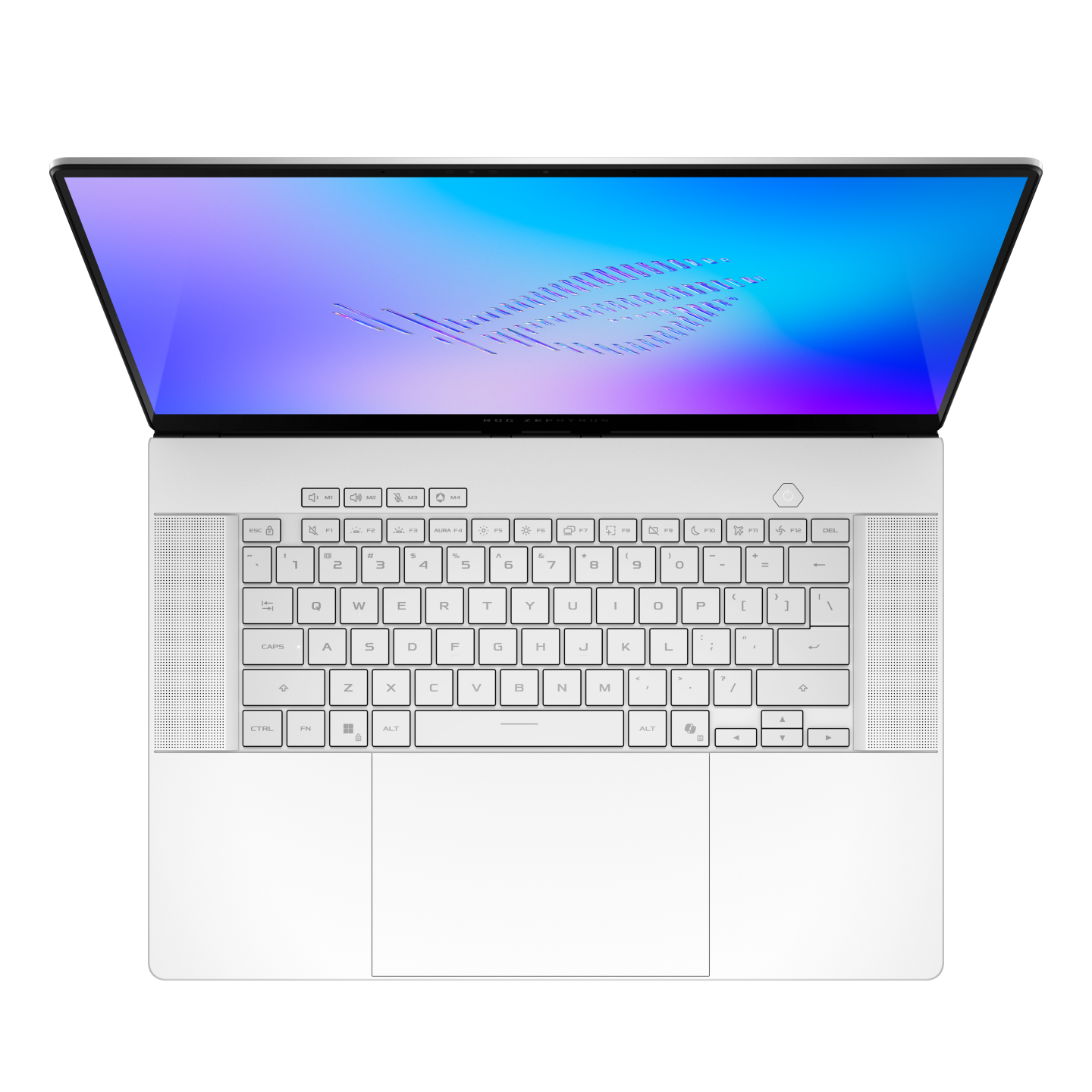
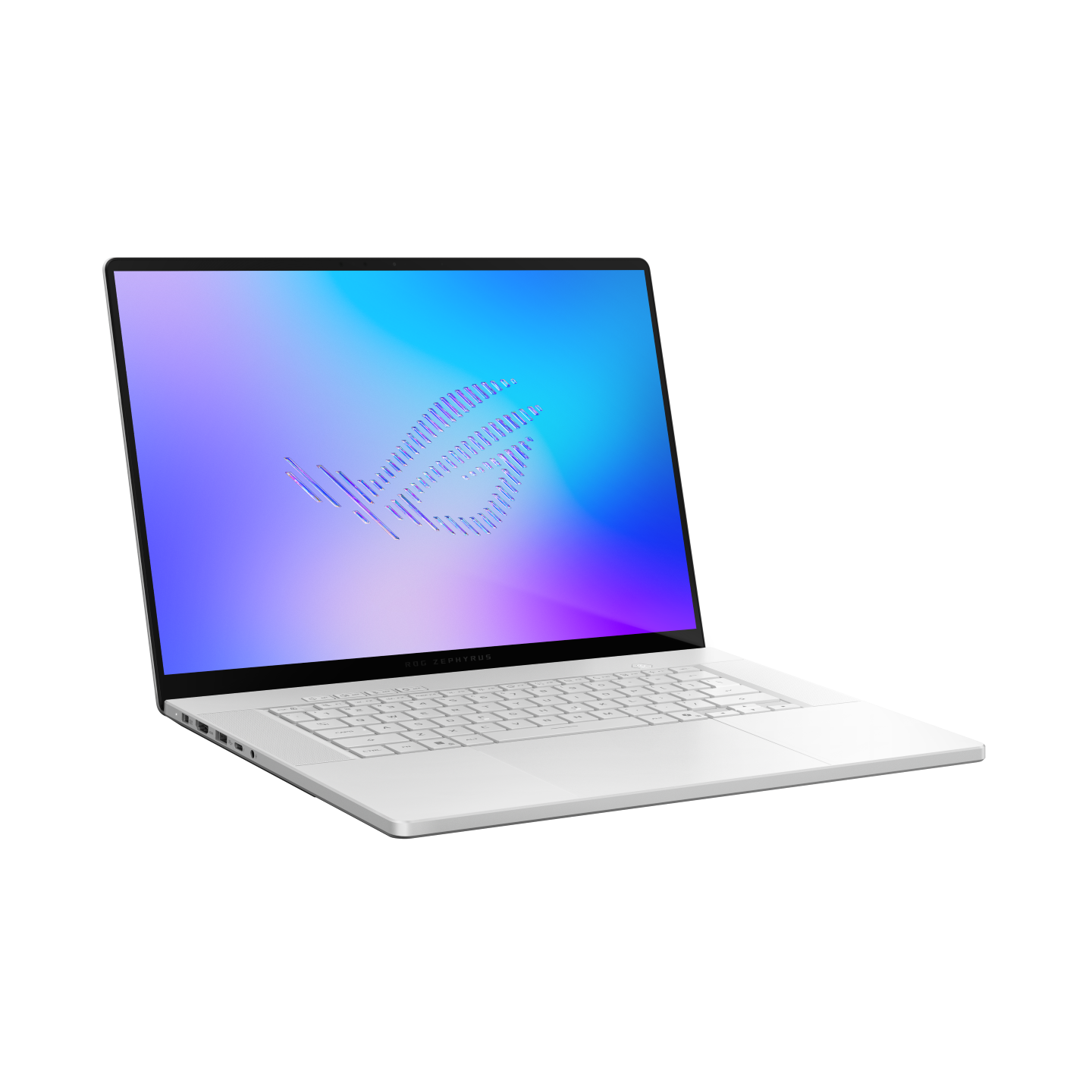
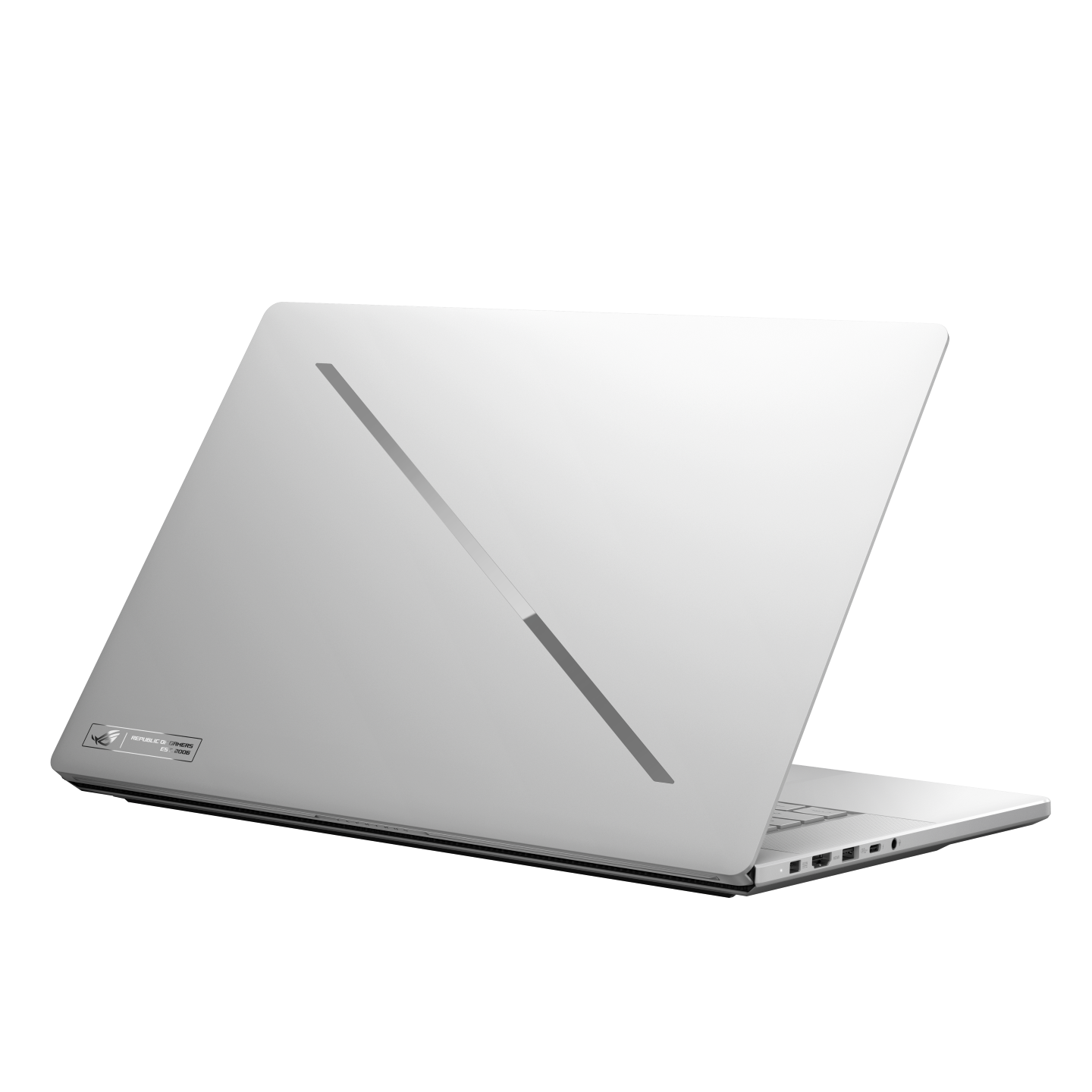
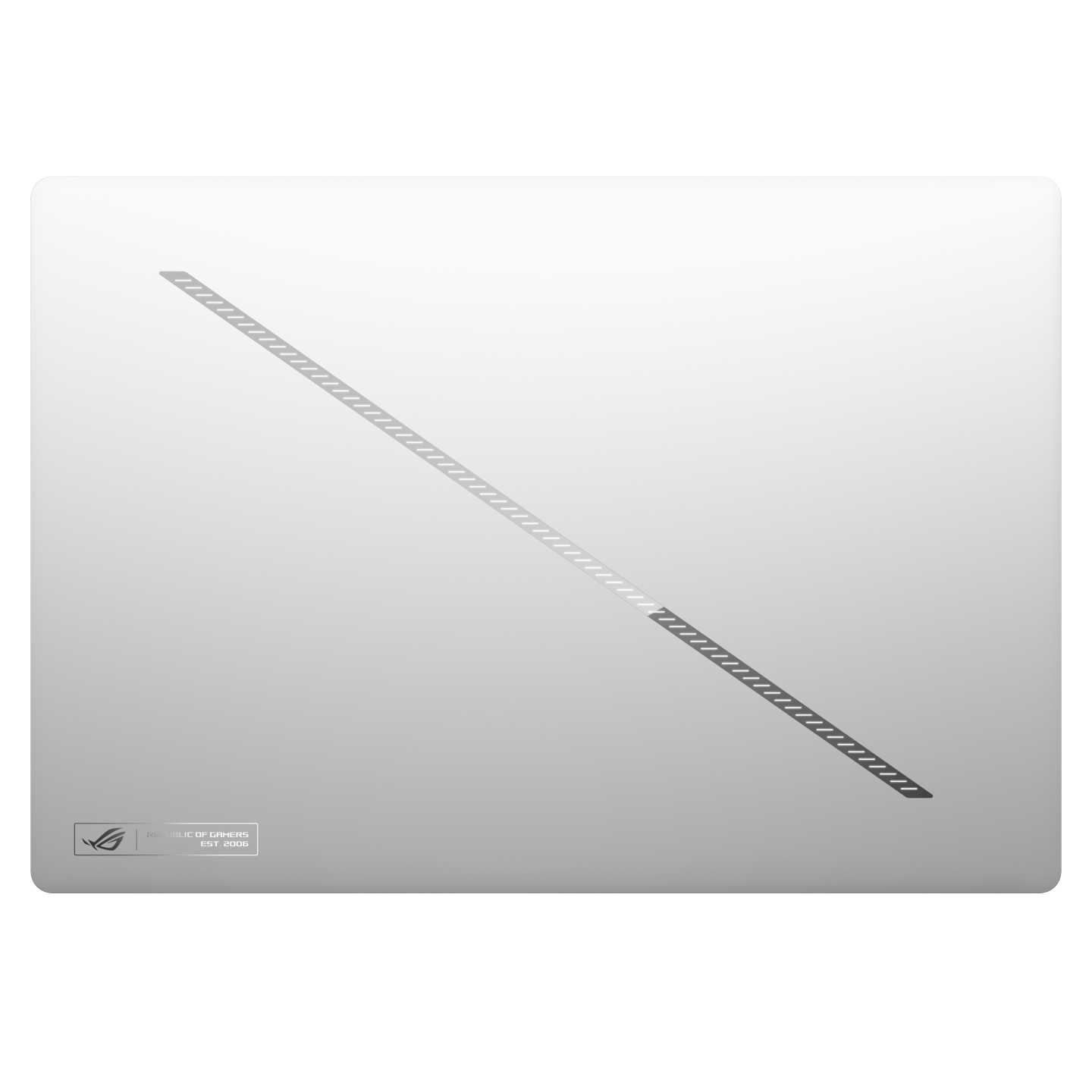

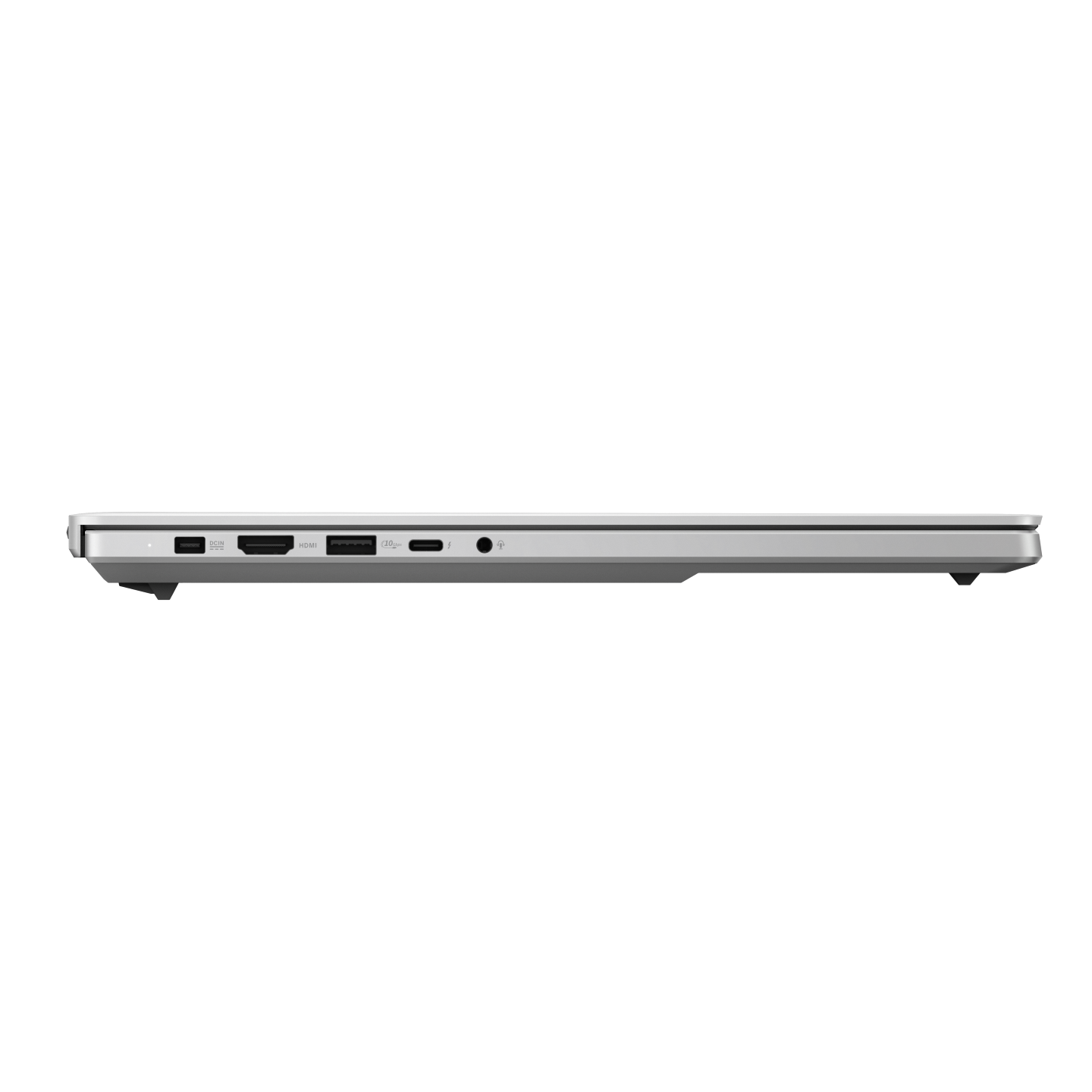
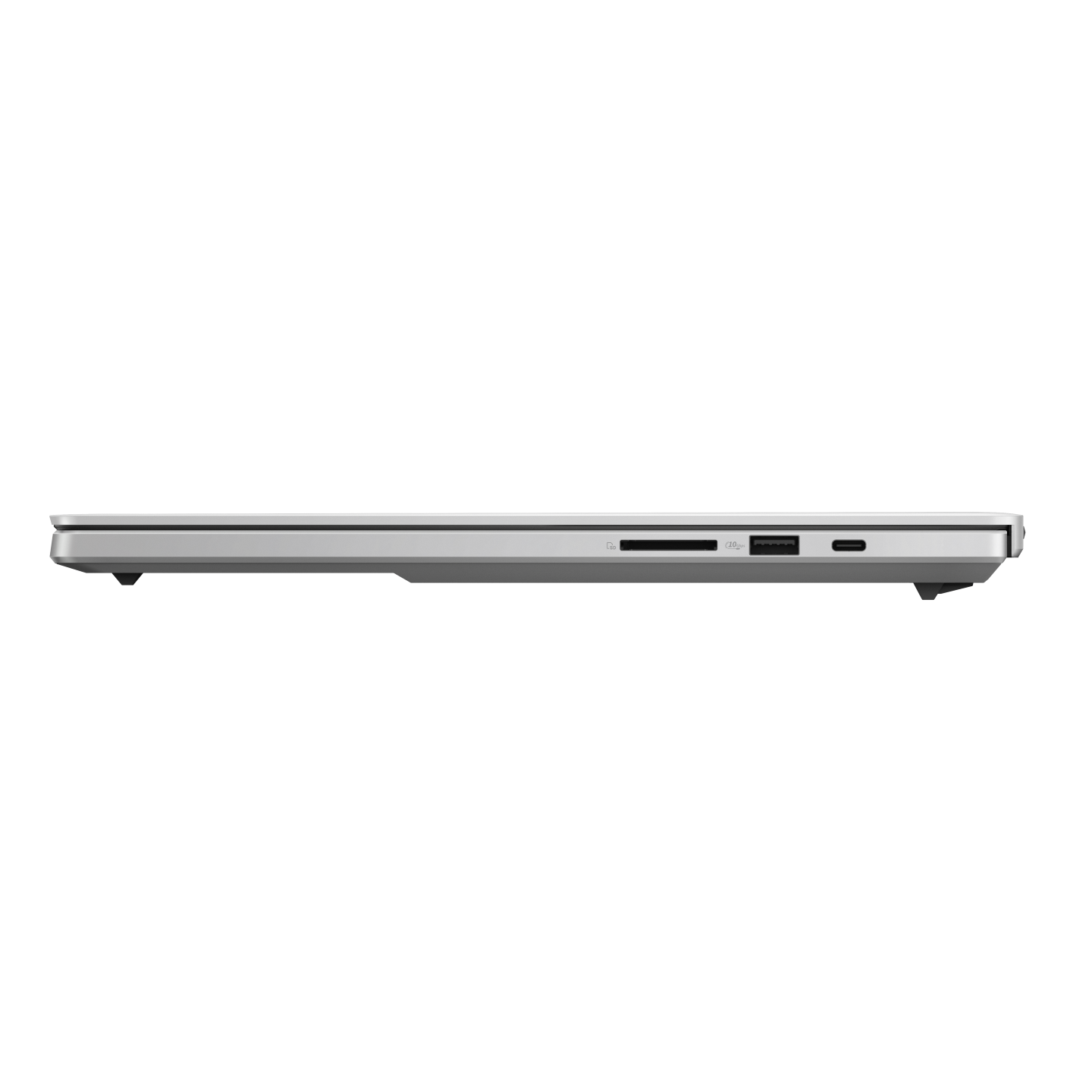
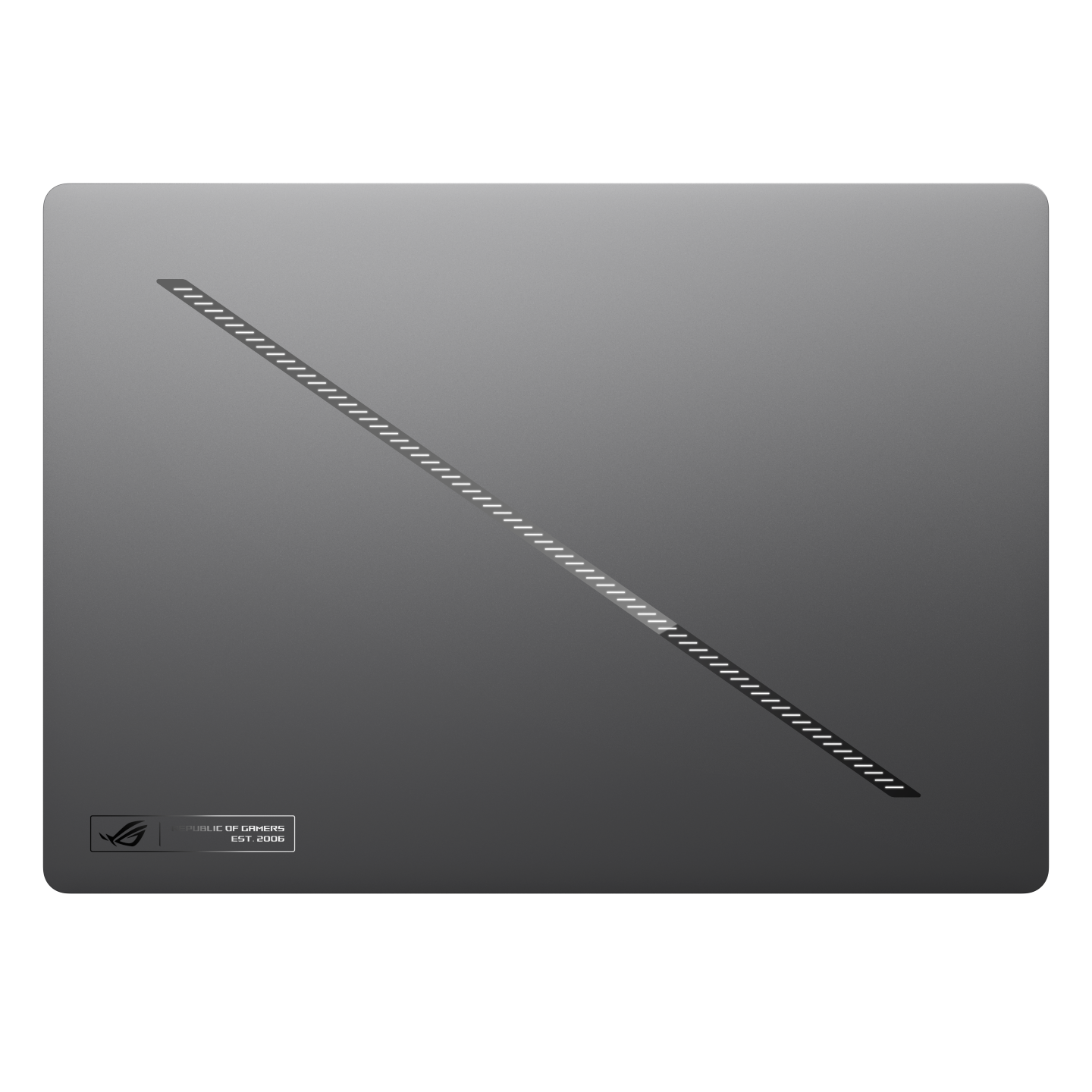
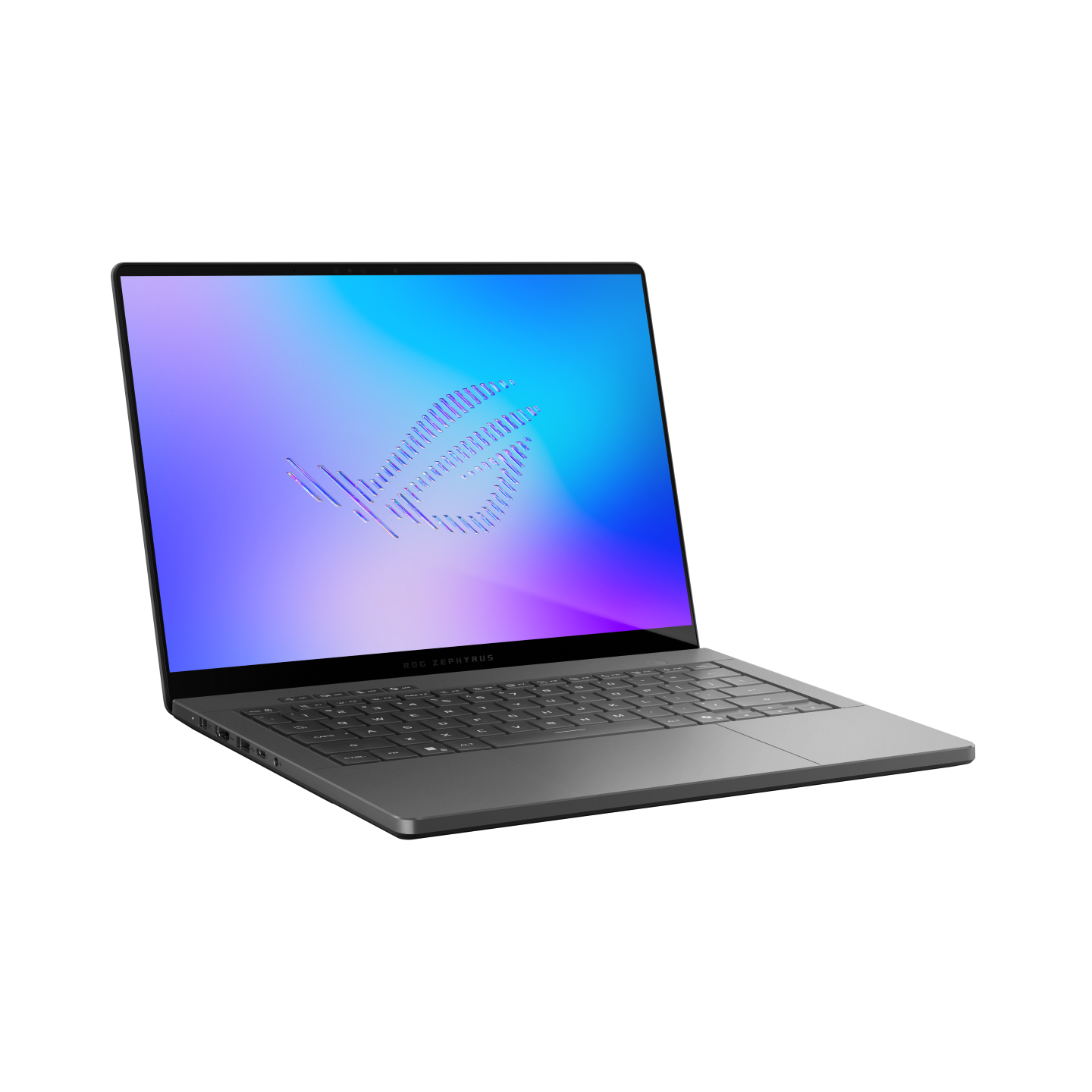
The ASUS ROG Zephyrus G14 2026 lineup is split into 2 strategic options that make the 14 inch category more flexible. The GU405 uses Intel Panther Lake up to the Core Ultra X9 388H, while the GA403 uses AMD Ryzen AI 400 up to the Ryzen AI 9 HX 470. ASUS differentiates GPU pairing between the 2. The Intel model supports up to RTX 5080 with up to 130W TGP, while the AMD model supports up to RTX 5060 with up to 100W TGP. Memory and storage also separate the SKUs in a practical way. The Intel version goes up to 64GB of LPDDR5x 8533 with up to 2TB PCIe 4.0 storage, while the AMD version goes up to 32GB of LPDDR5x 7500 with up to 2TB PCIe 4.0 storage. Outside of those differences, the platform remains consistent: slim aluminum chassis with slash lightning, tri fan cooling with liquid metal, 1.59cm thickness, 1.5kg weight, 73Whr battery, and a 200W adapter that charges to 50% in 30 minutes. Both models also keep the 6 speaker layout, Wi Fi 7, and a mixed I O stack that includes USB4 and Thunderbolt 4.
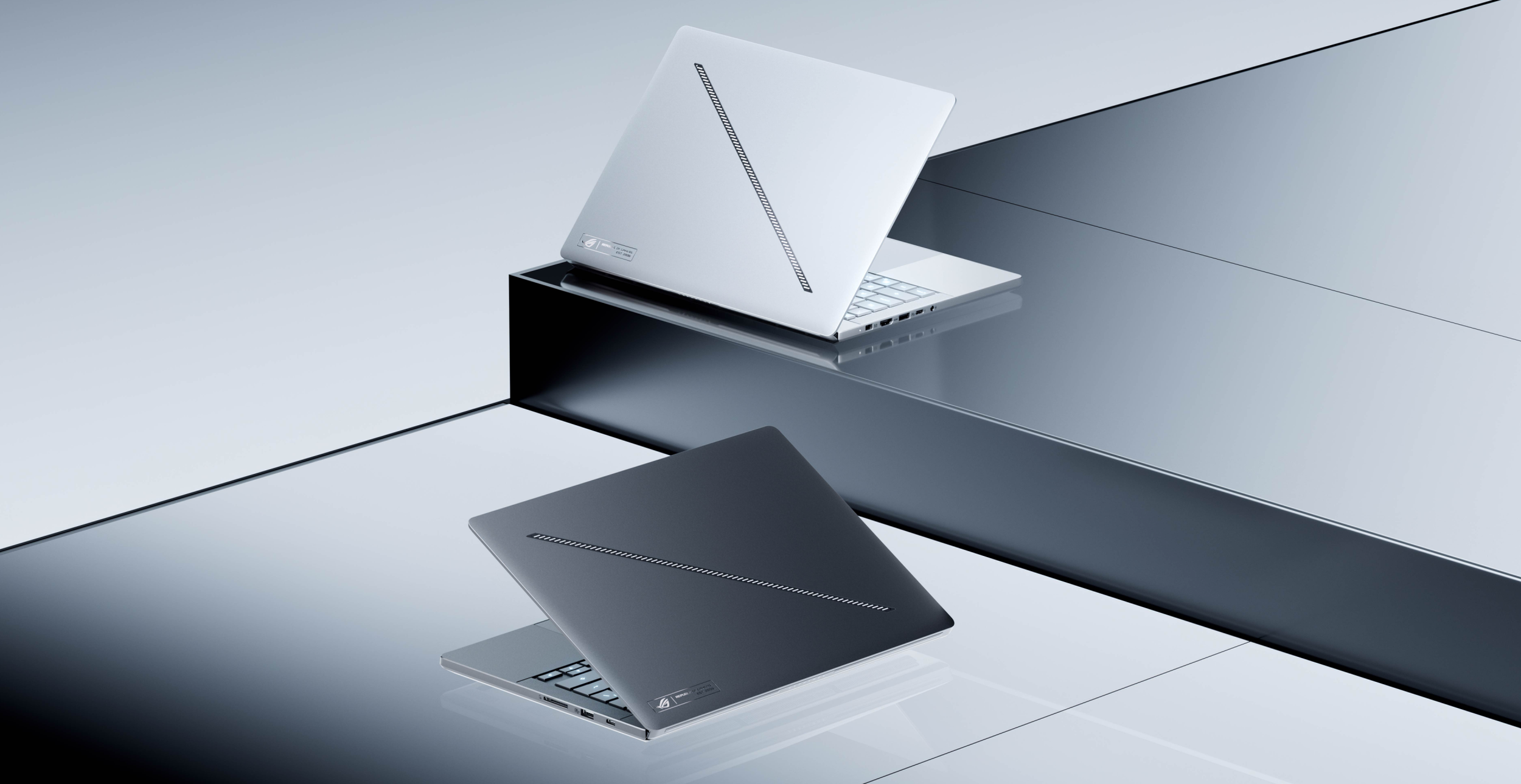
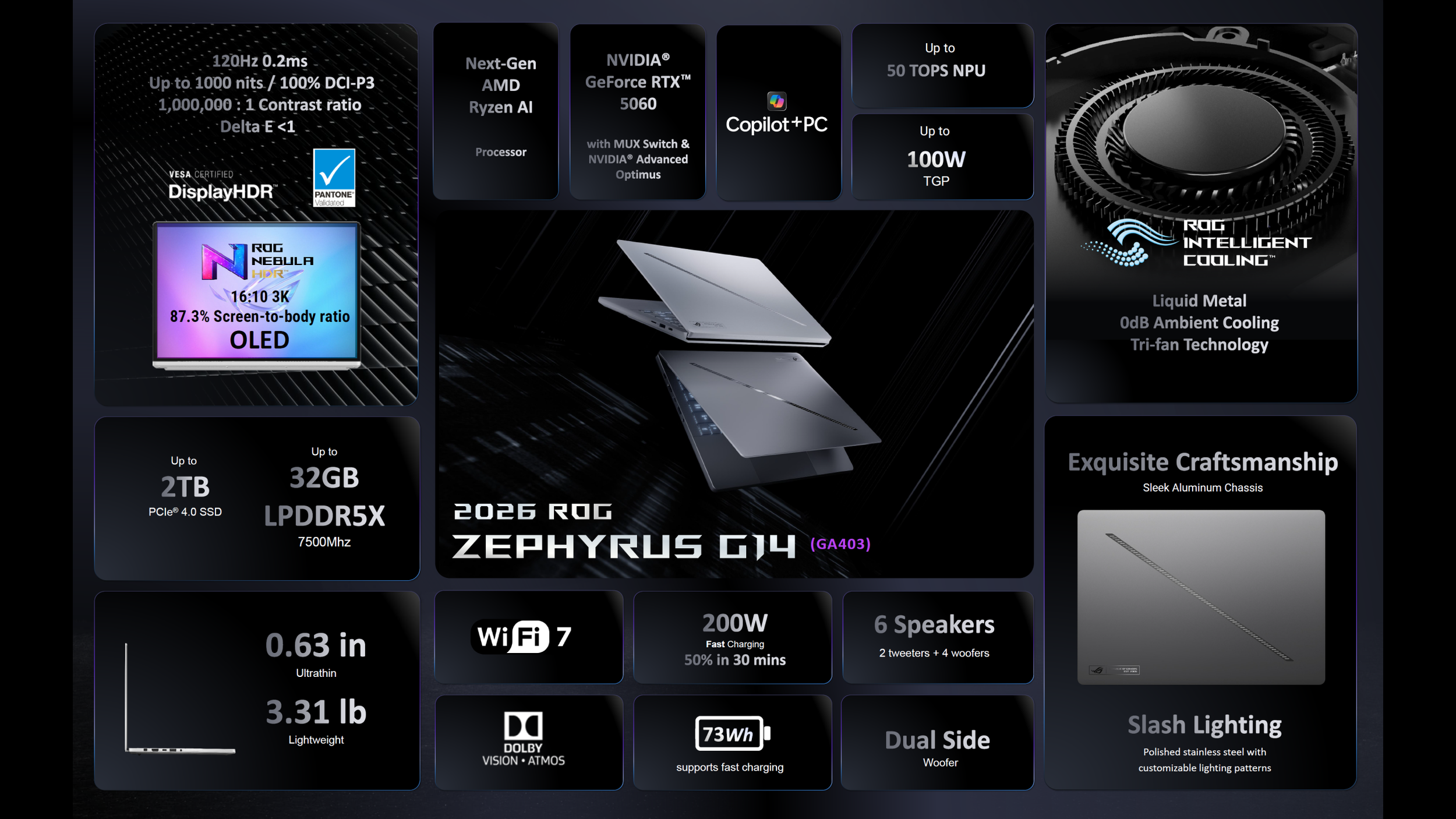
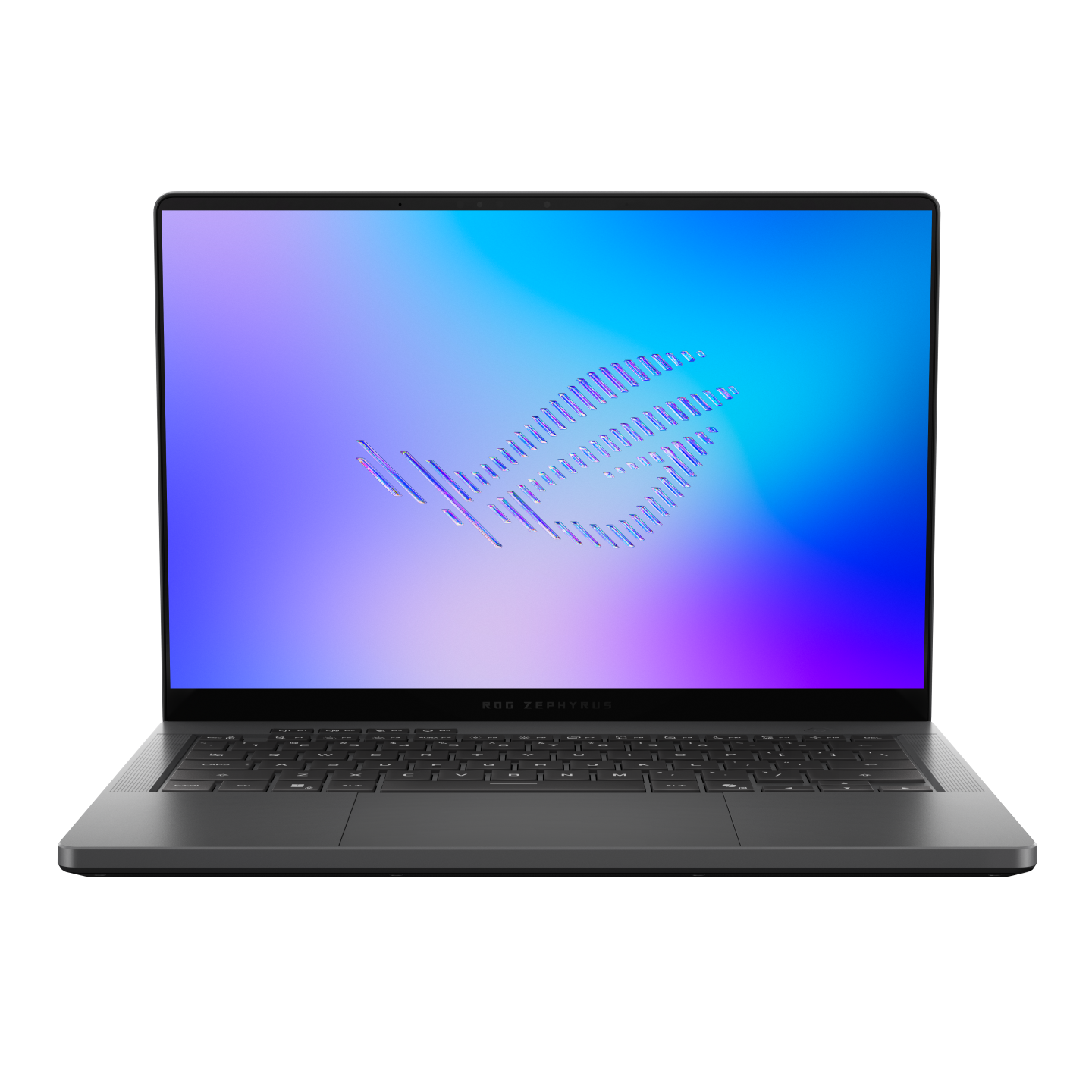
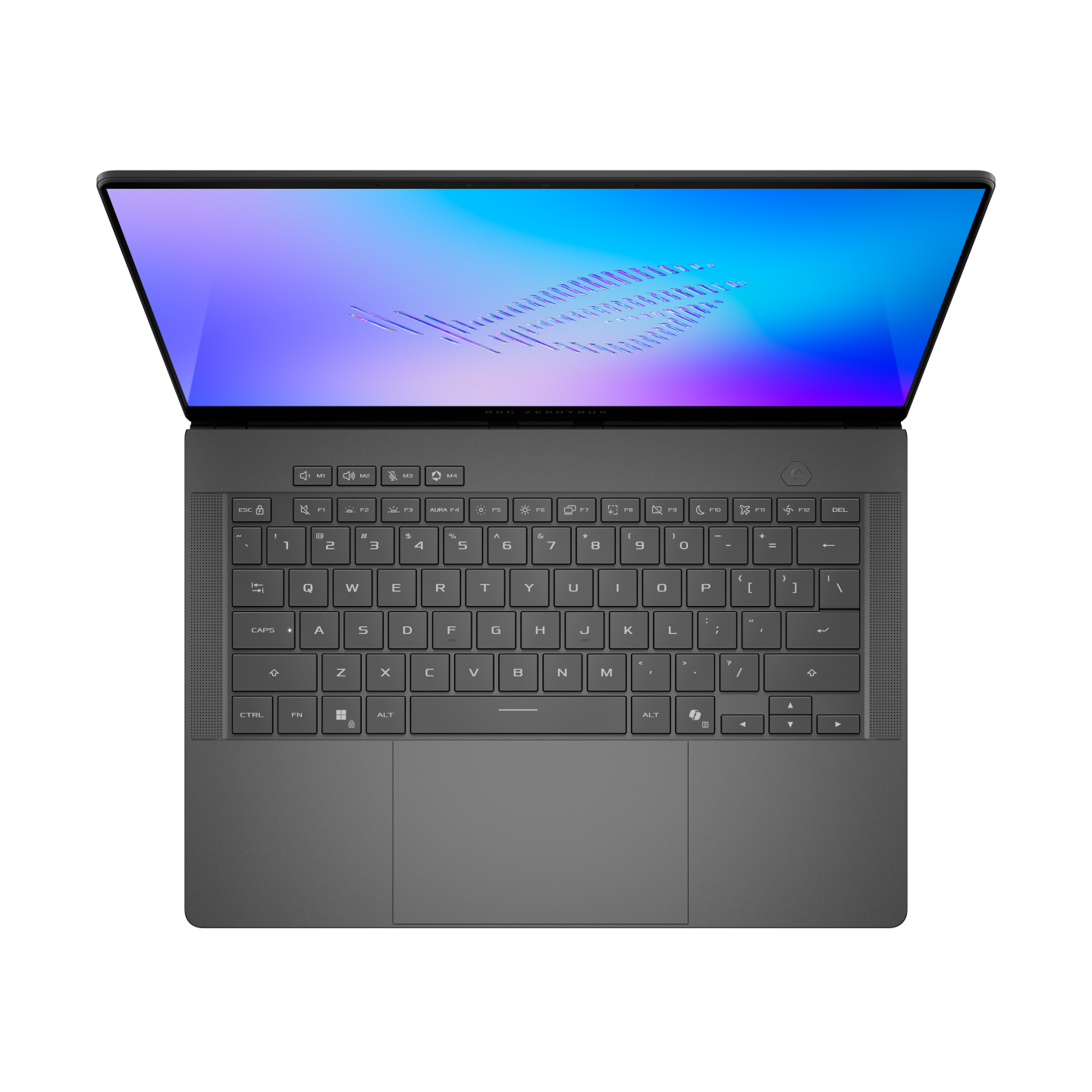
Display on both G14 models stays premium with a 14 inch 3K OLED ROG Nebula HDR panel offering up to 120Hz refresh, up to 1100 nits HDR brightness, and an 87.3% screen to body ratio. For gamers who prioritize portability but still want OLED HDR impact, the G14 positioning is strong, especially because ASUS is aligning it with current generation RTX laptop GPUs rather than treating it as a secondary thin and light tier.
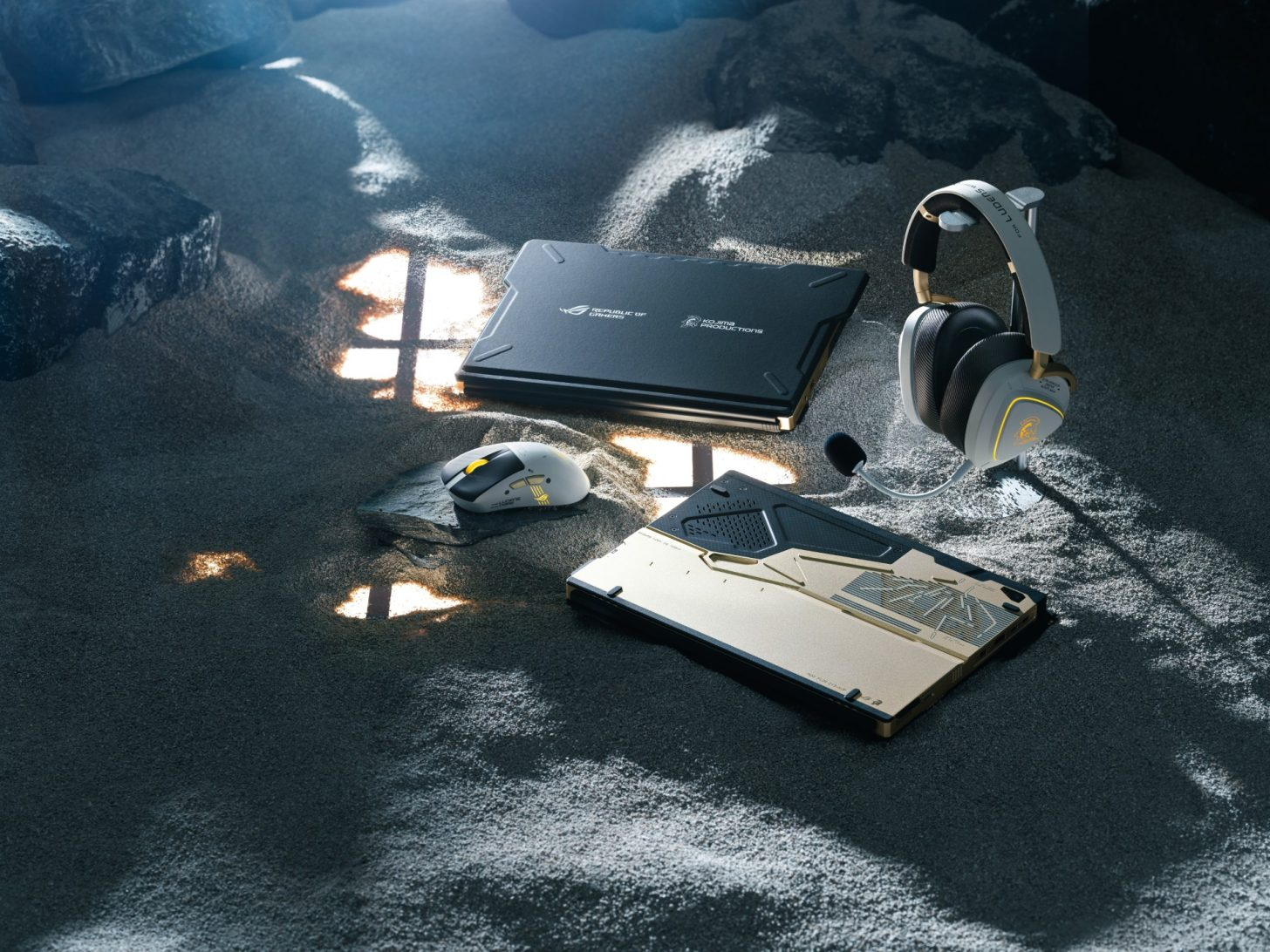
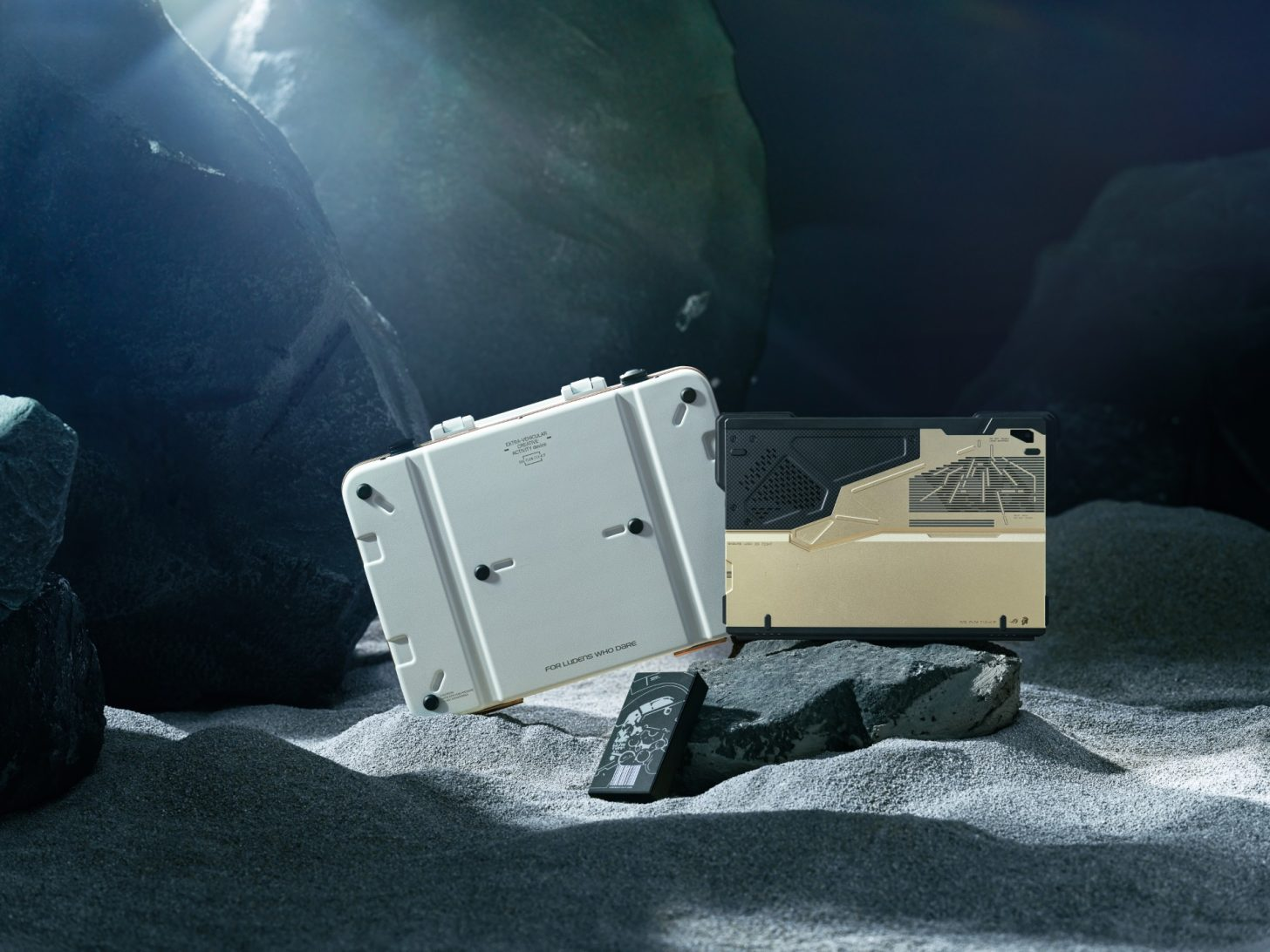
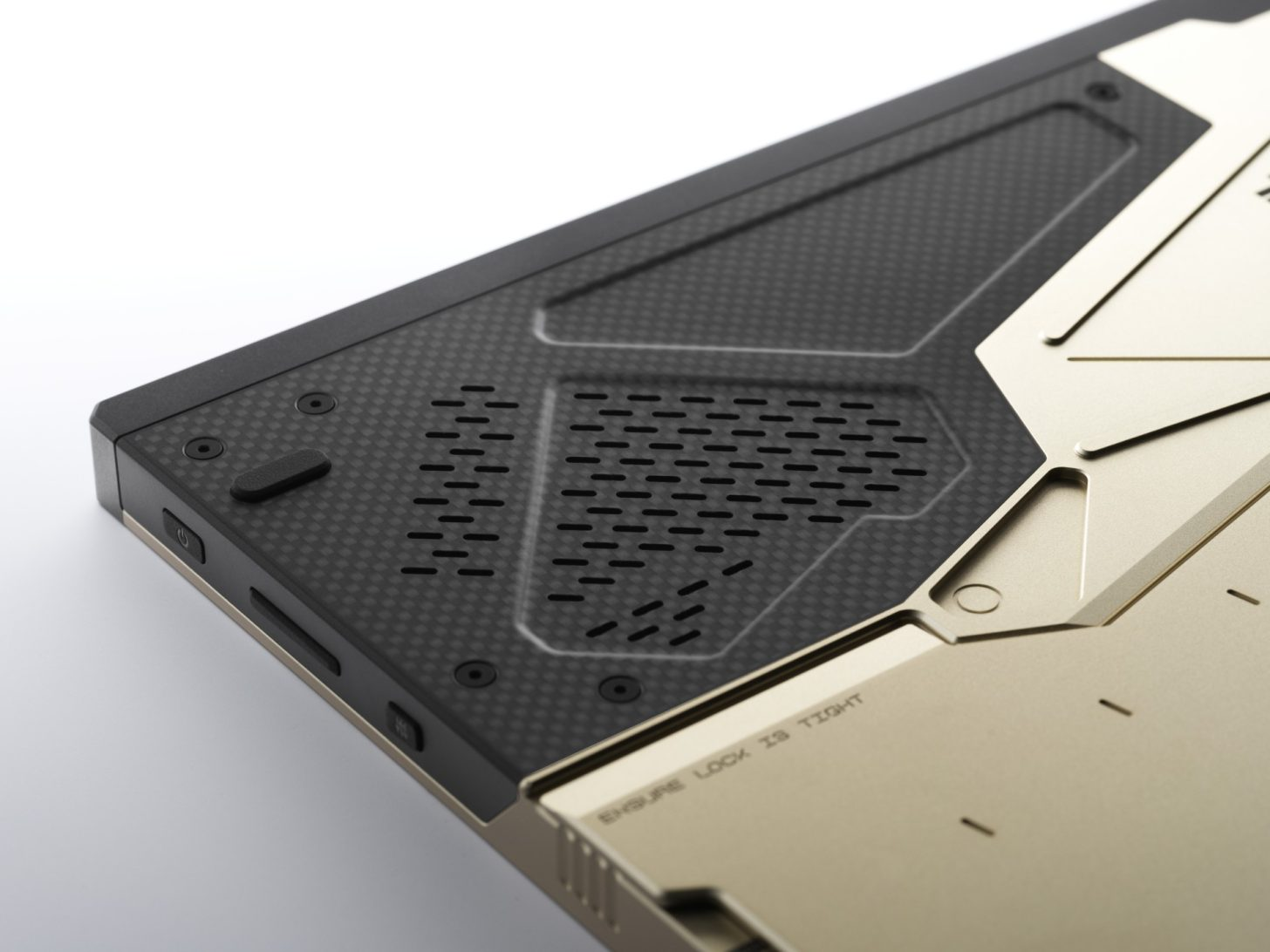
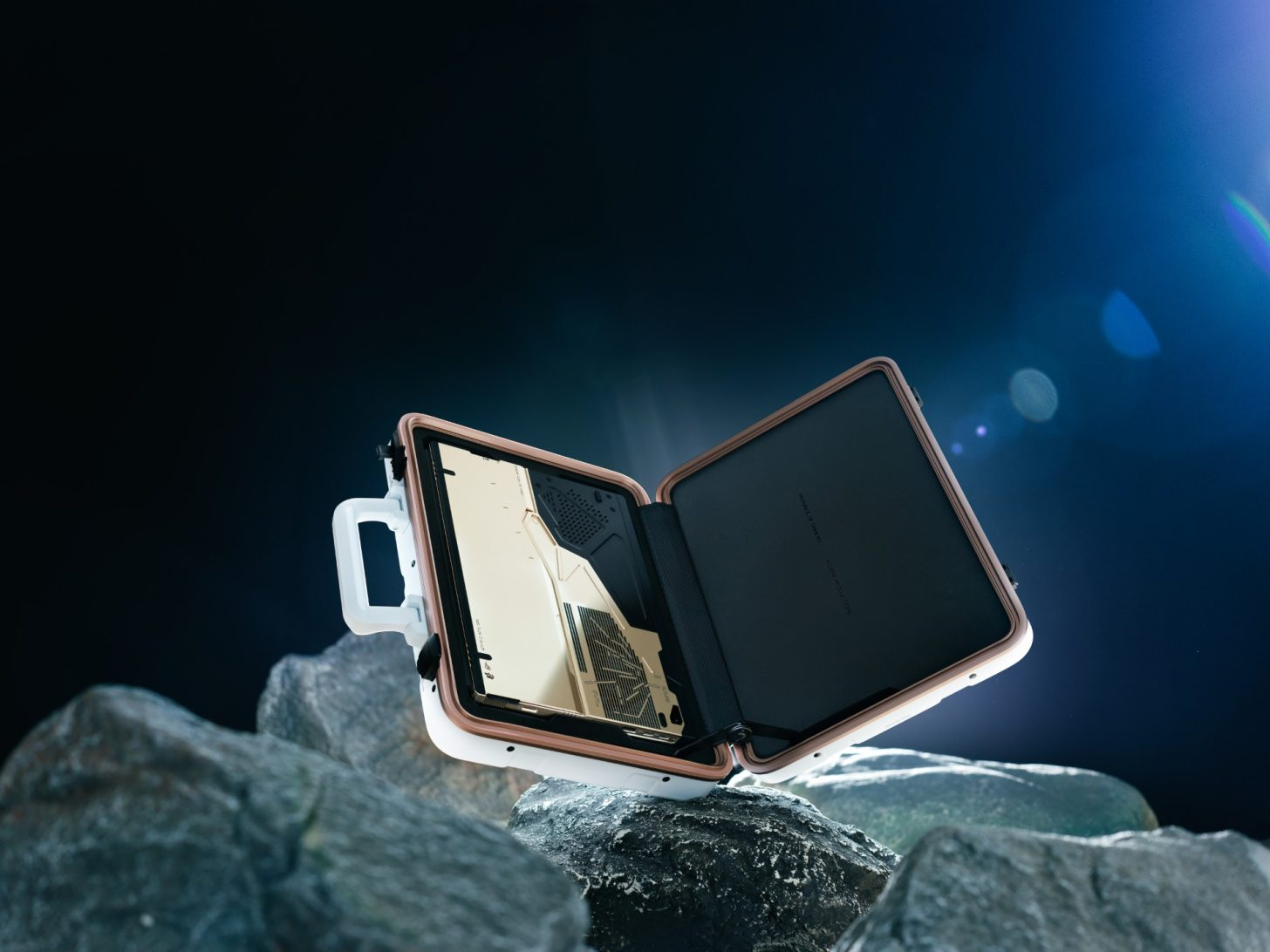
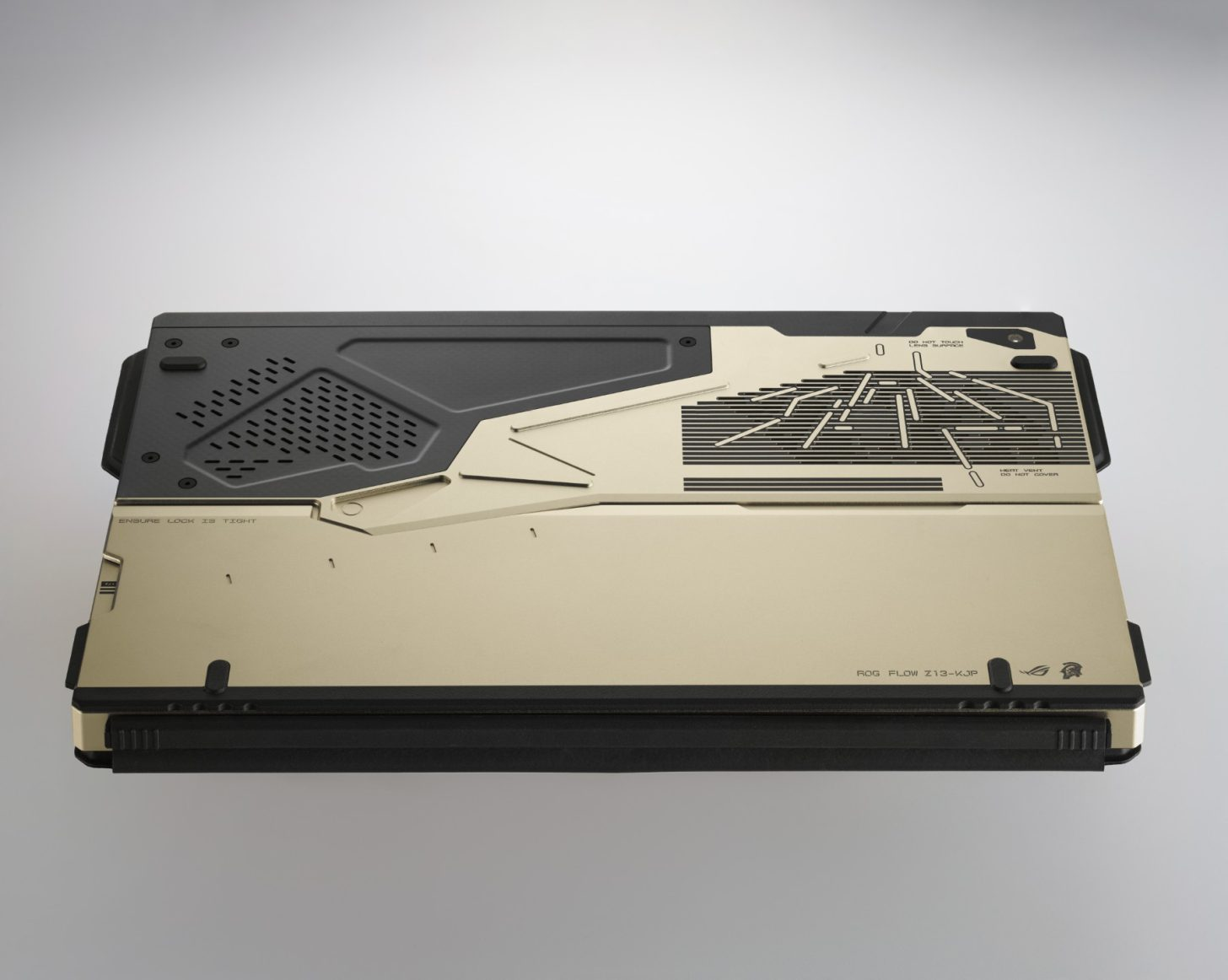
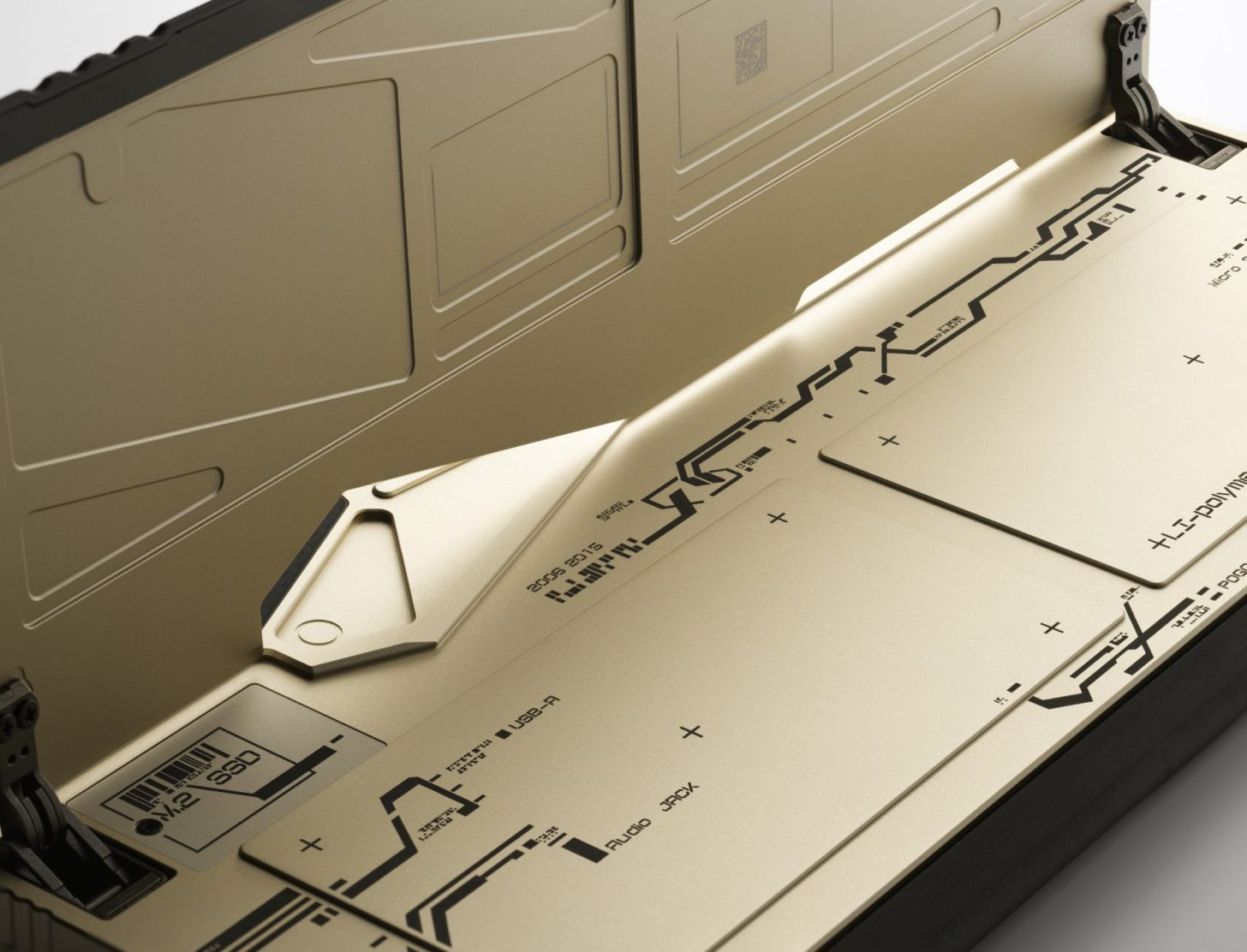
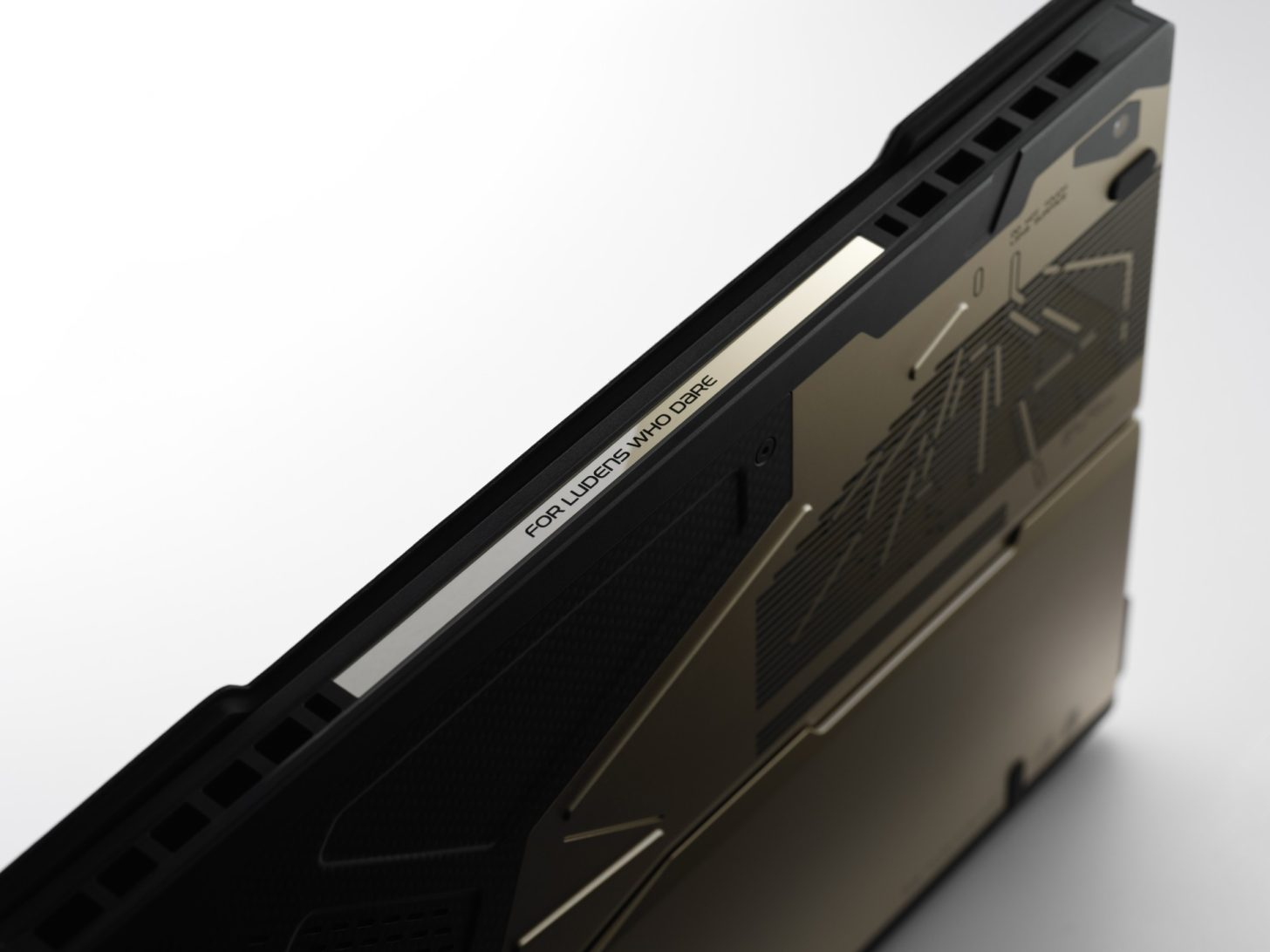
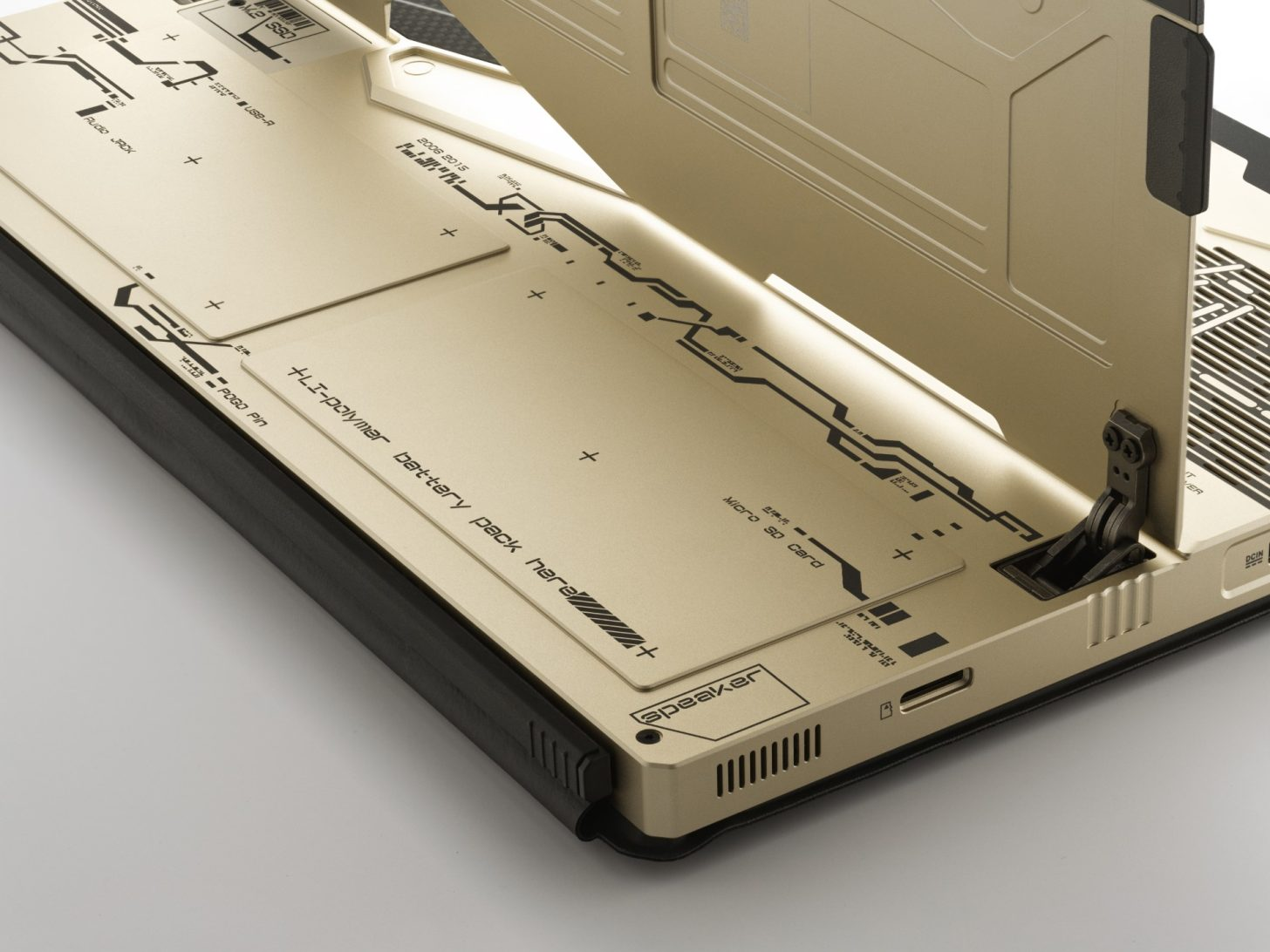
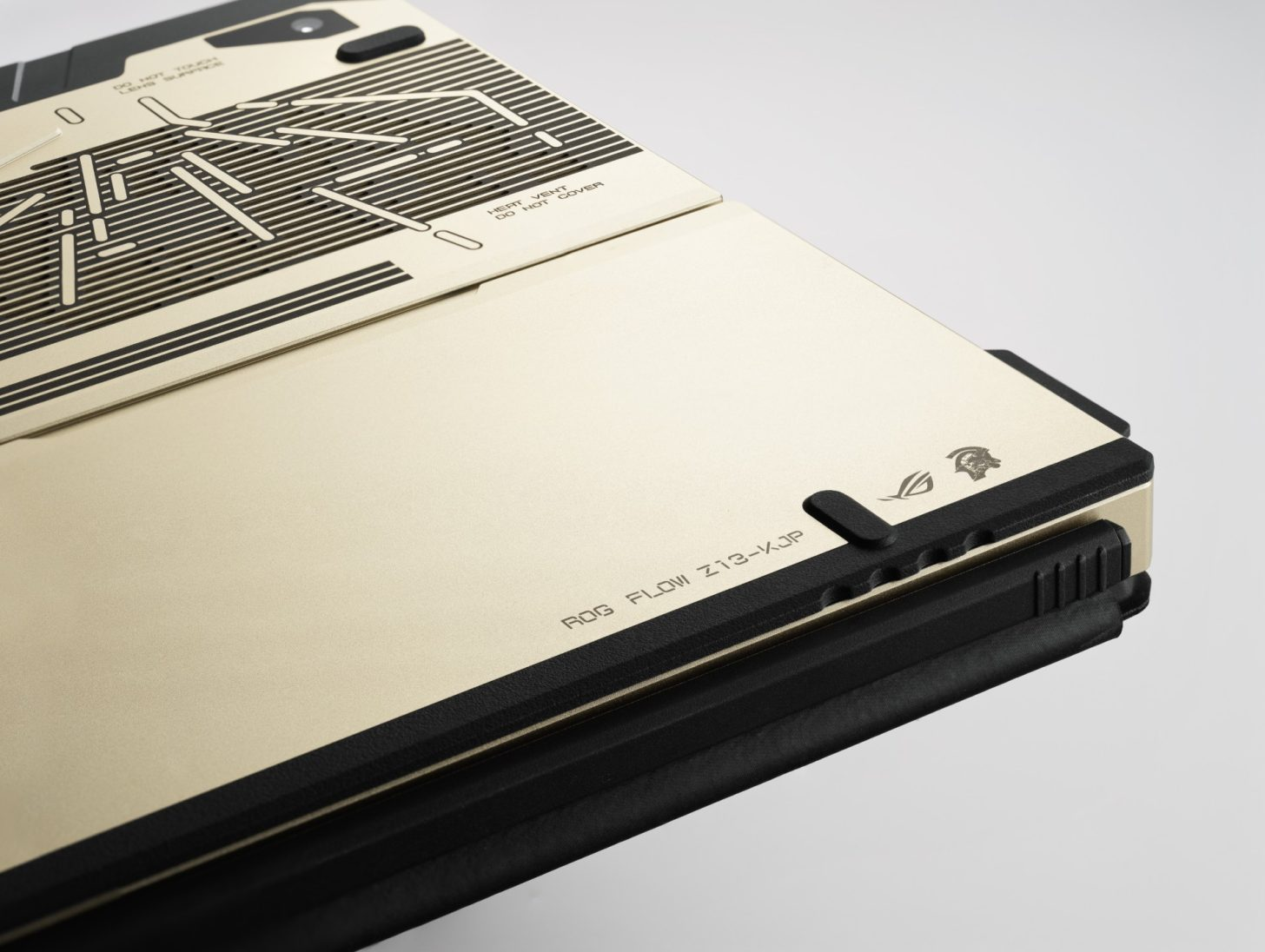
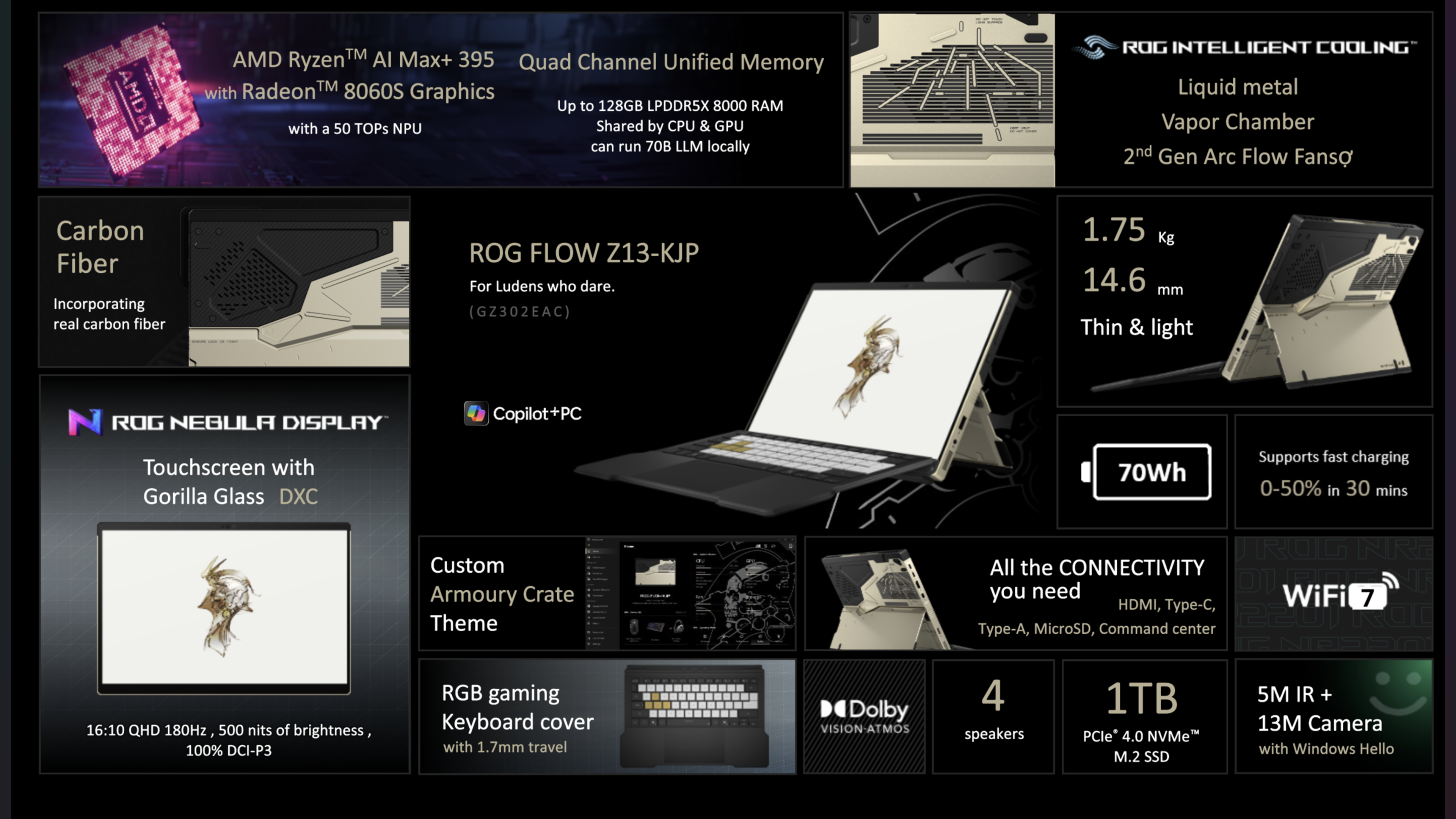
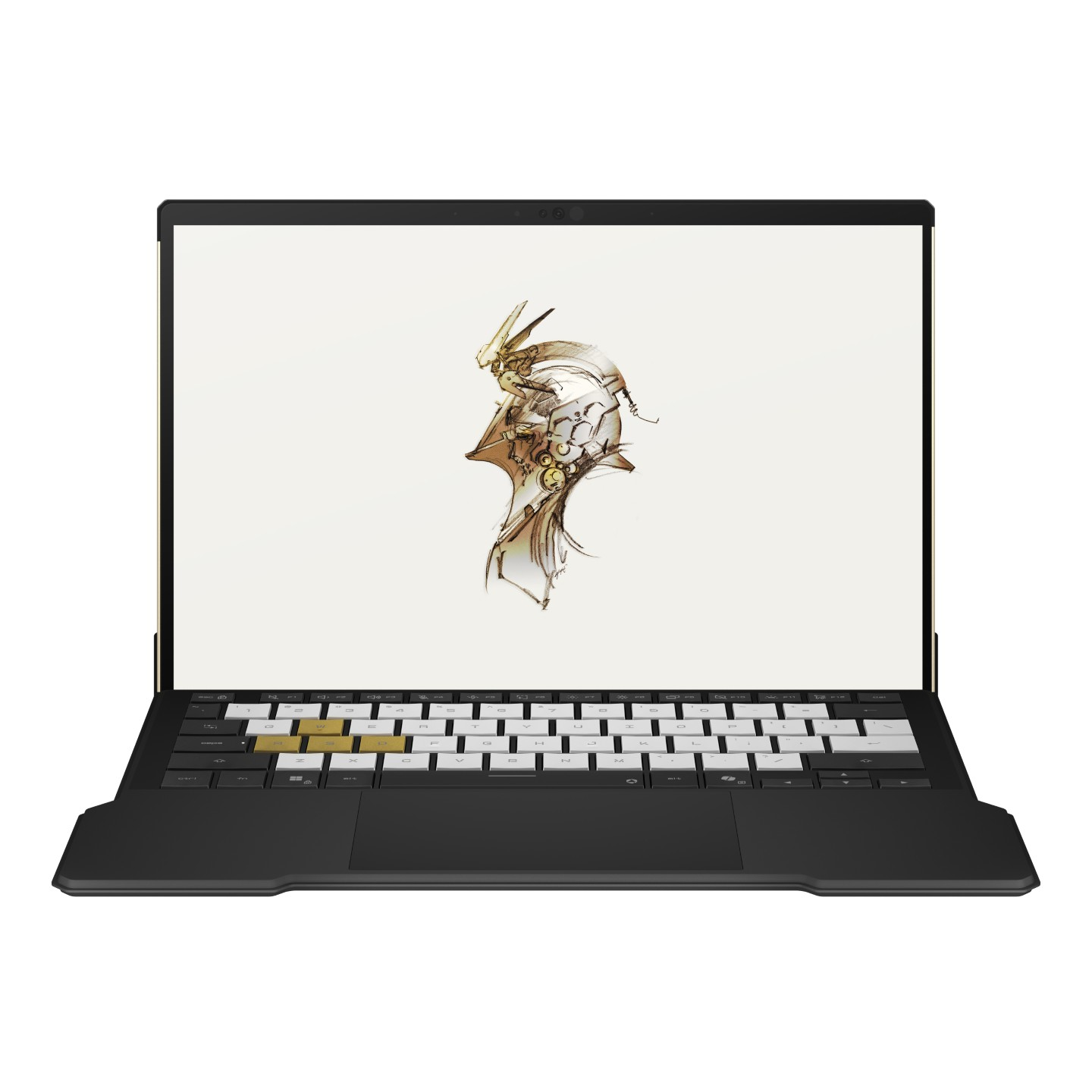
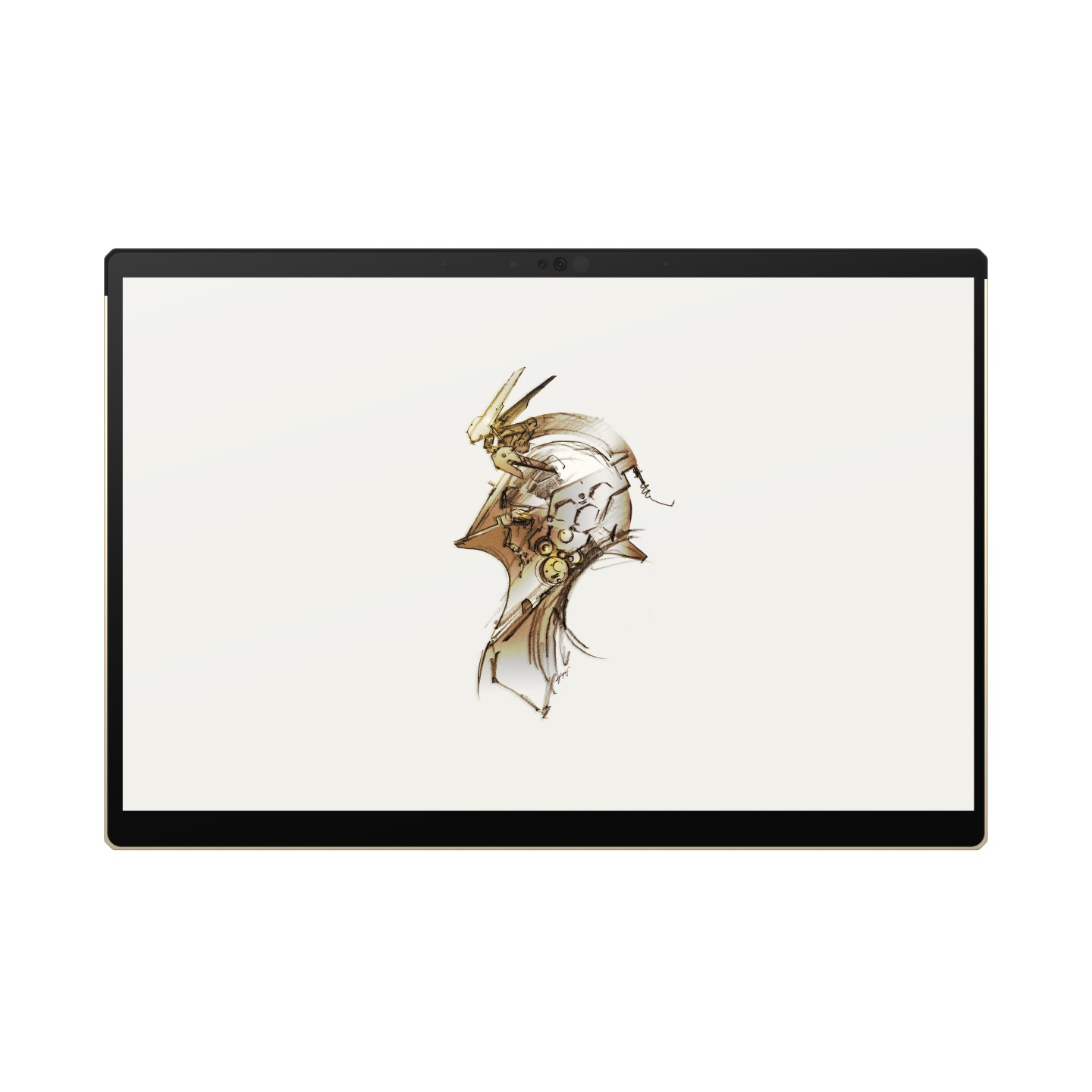
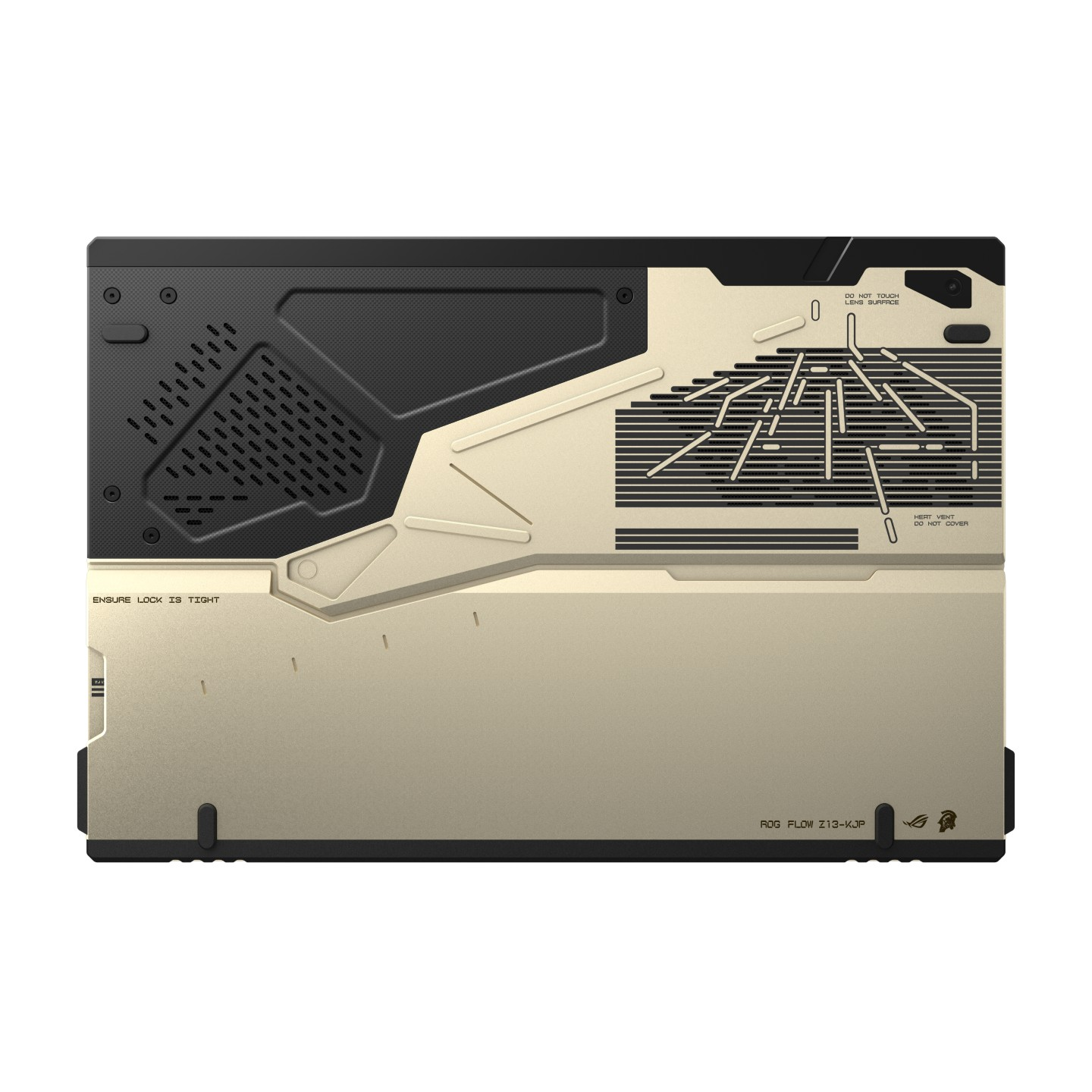
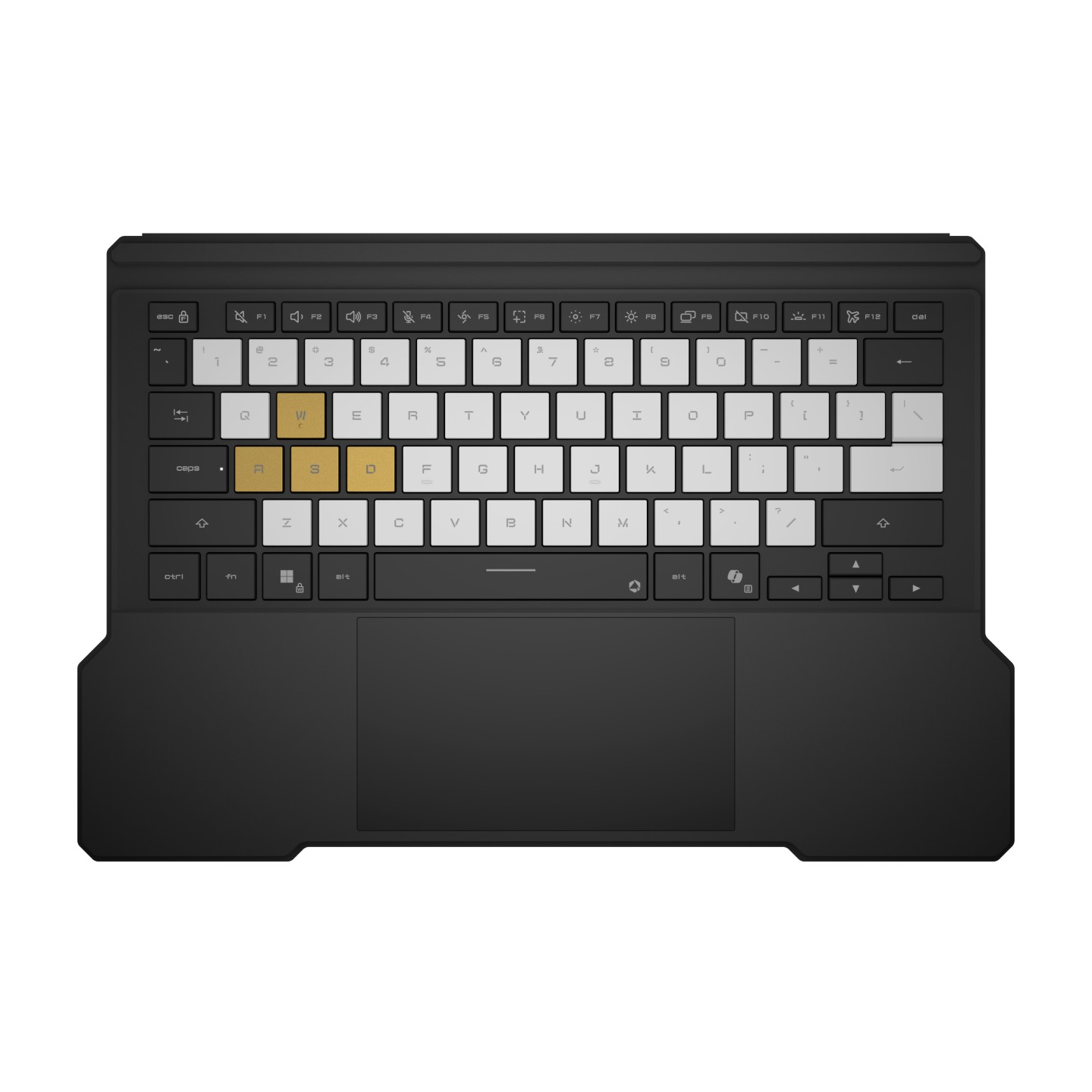
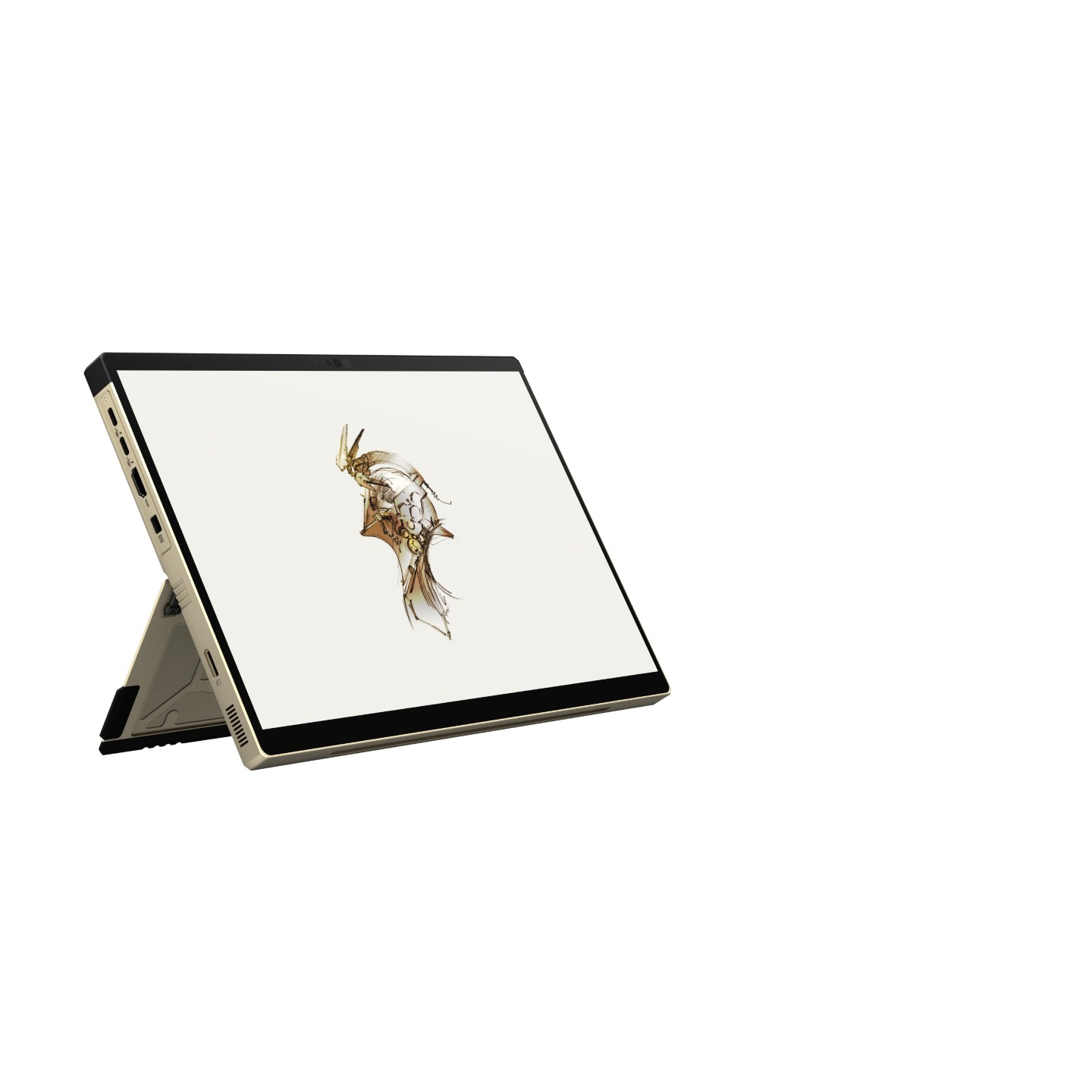
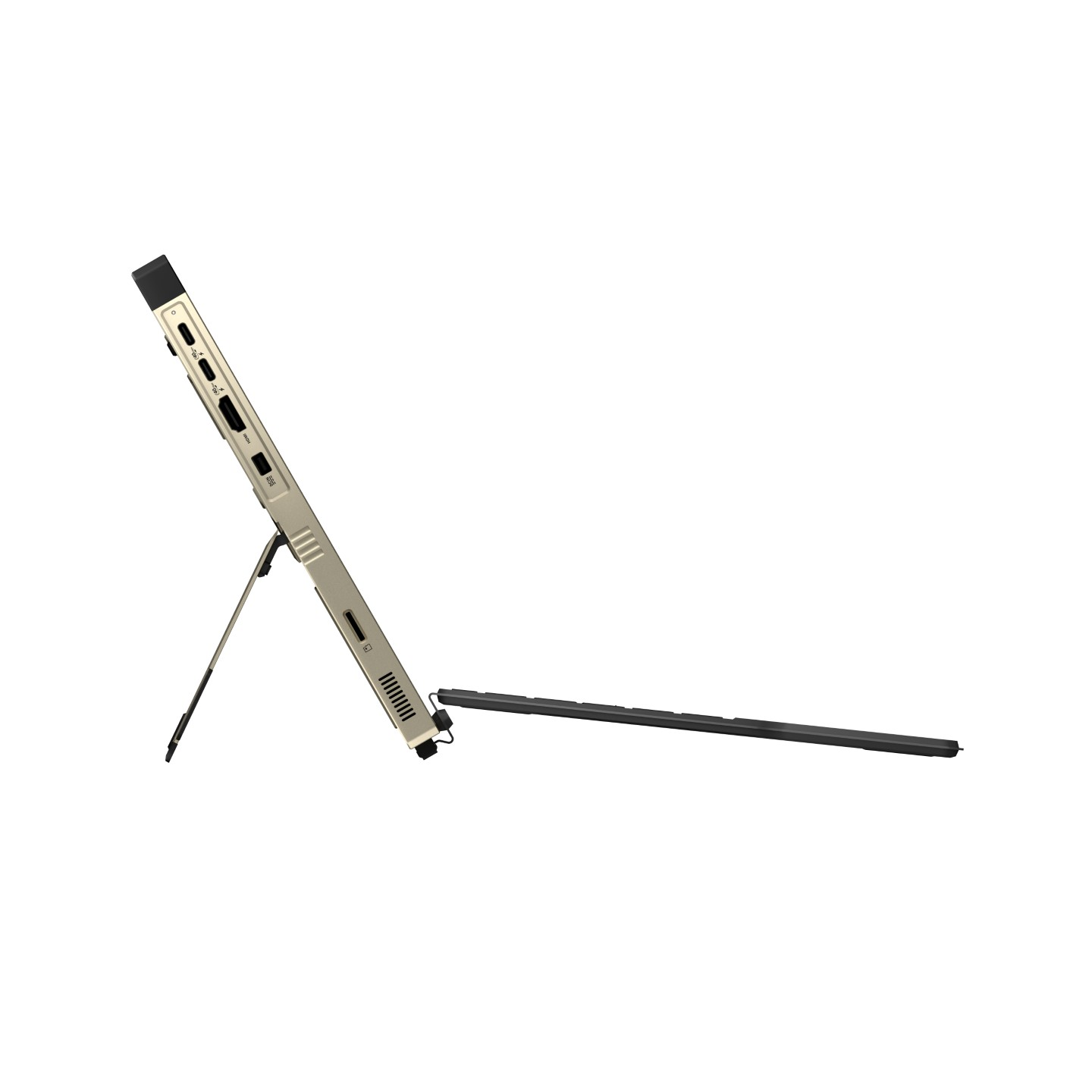
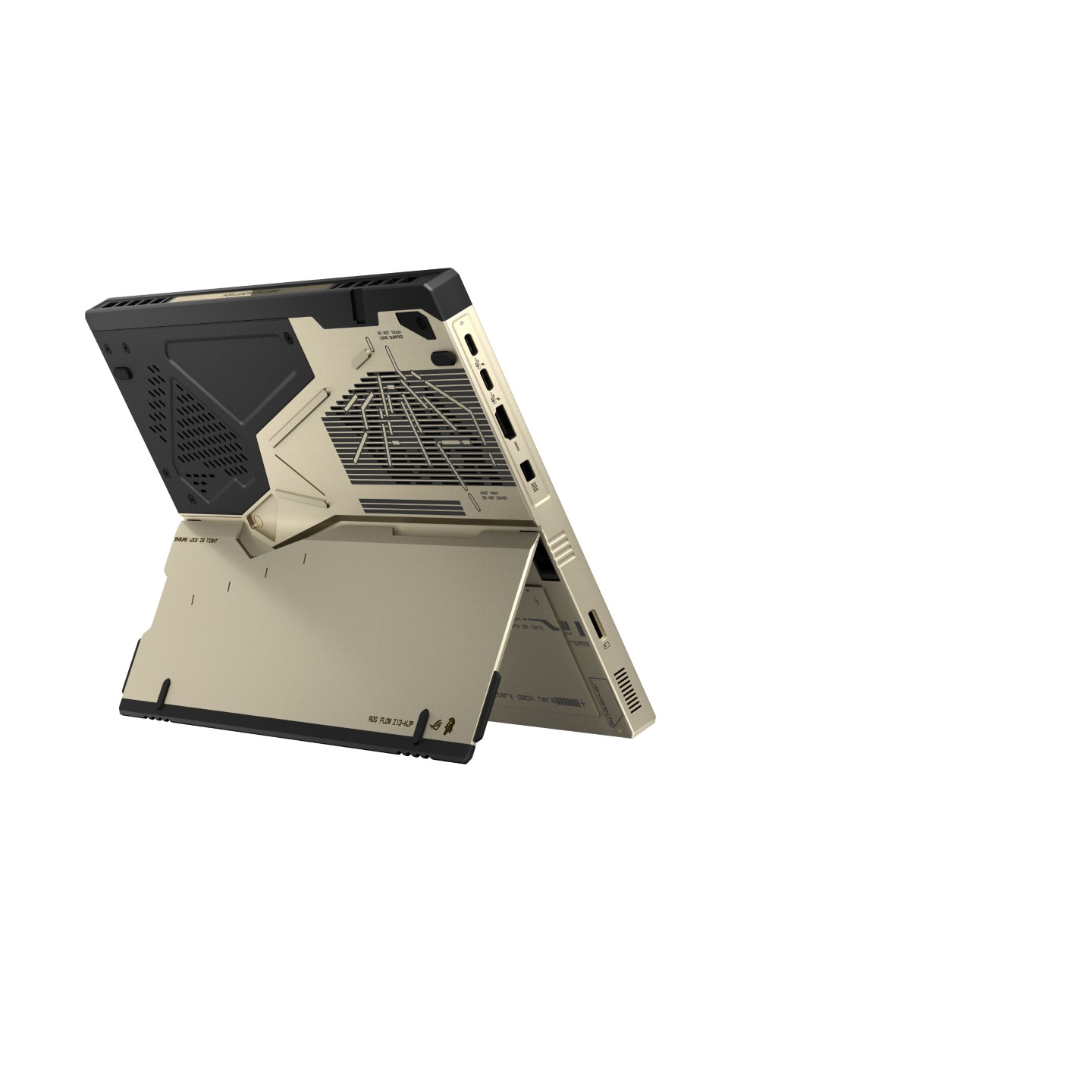
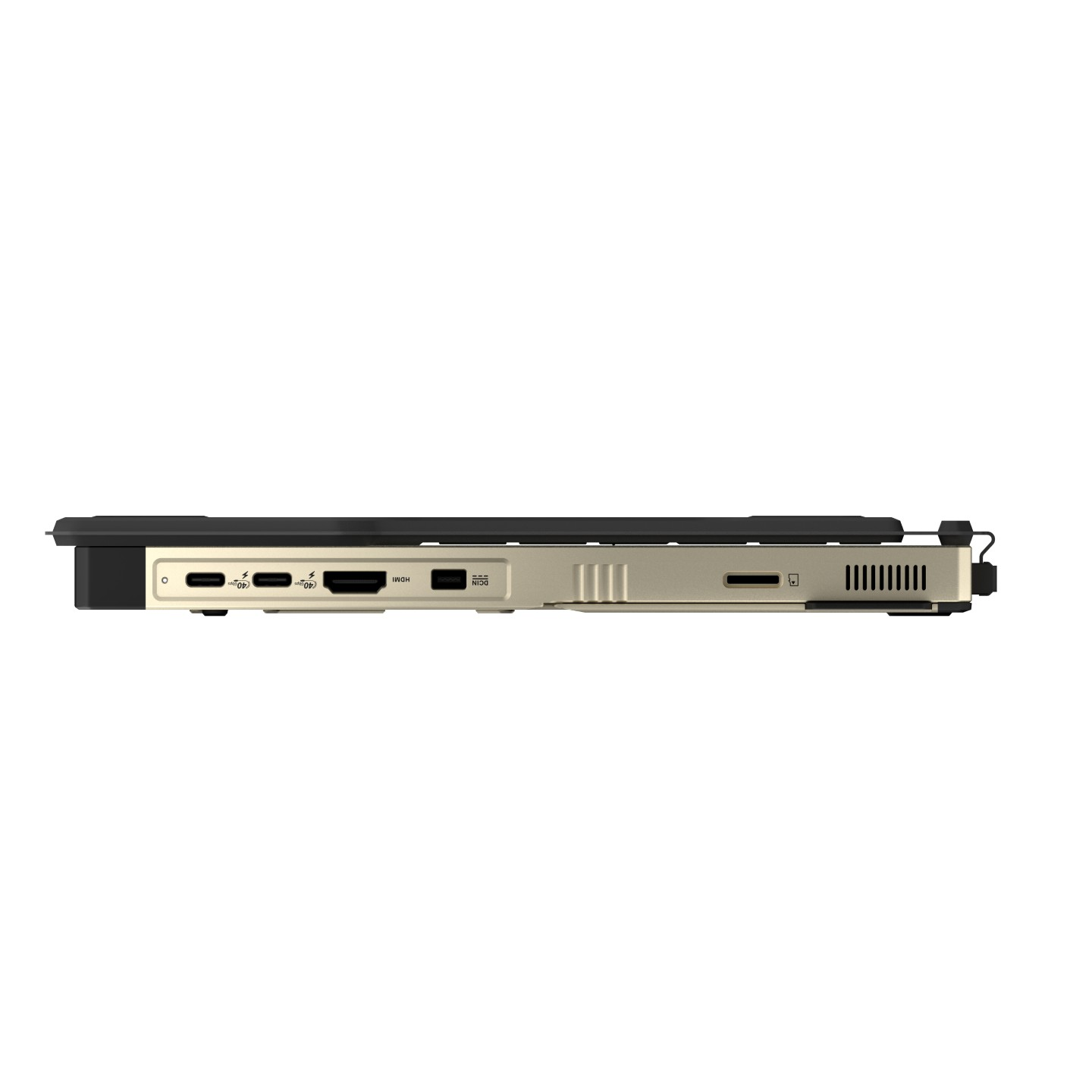
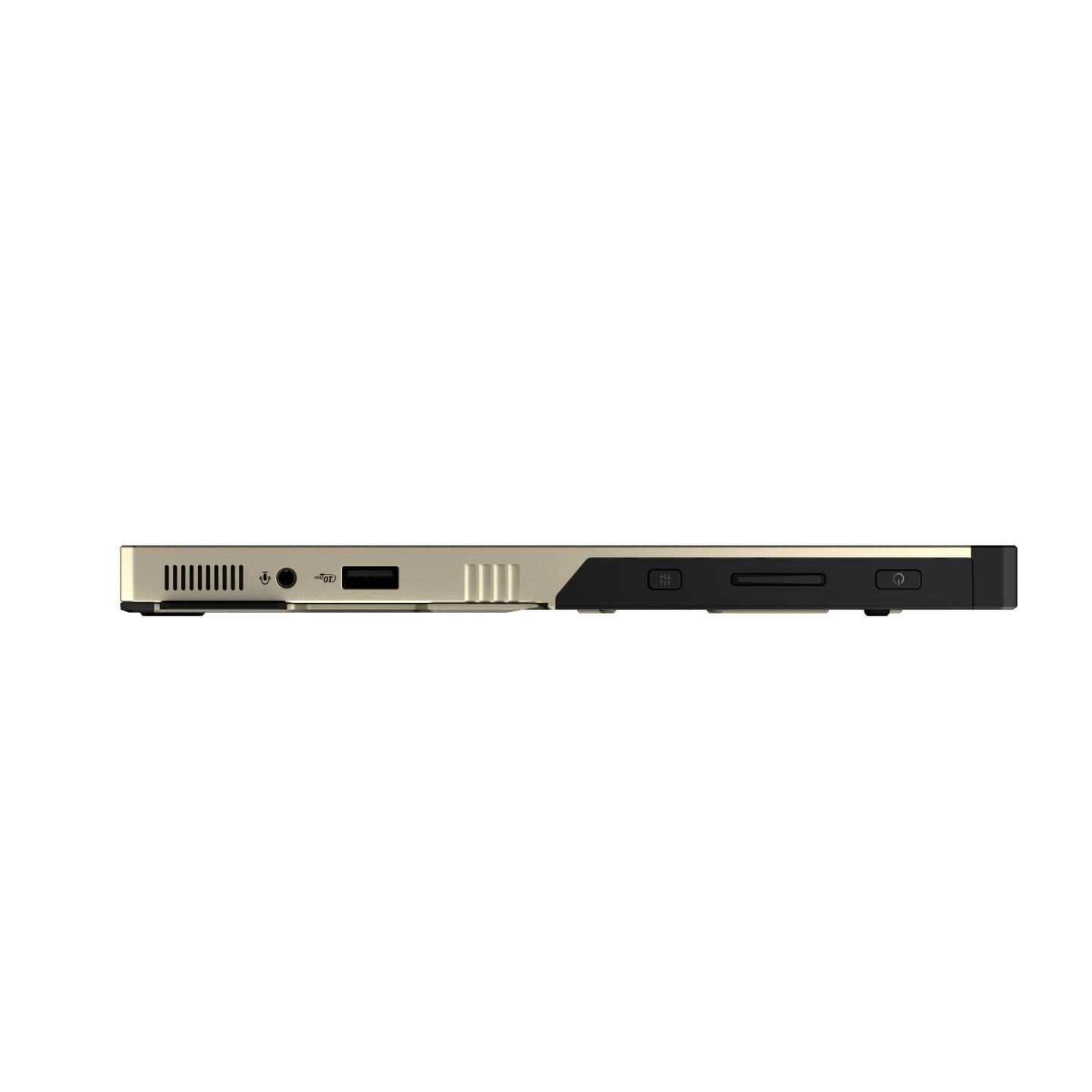
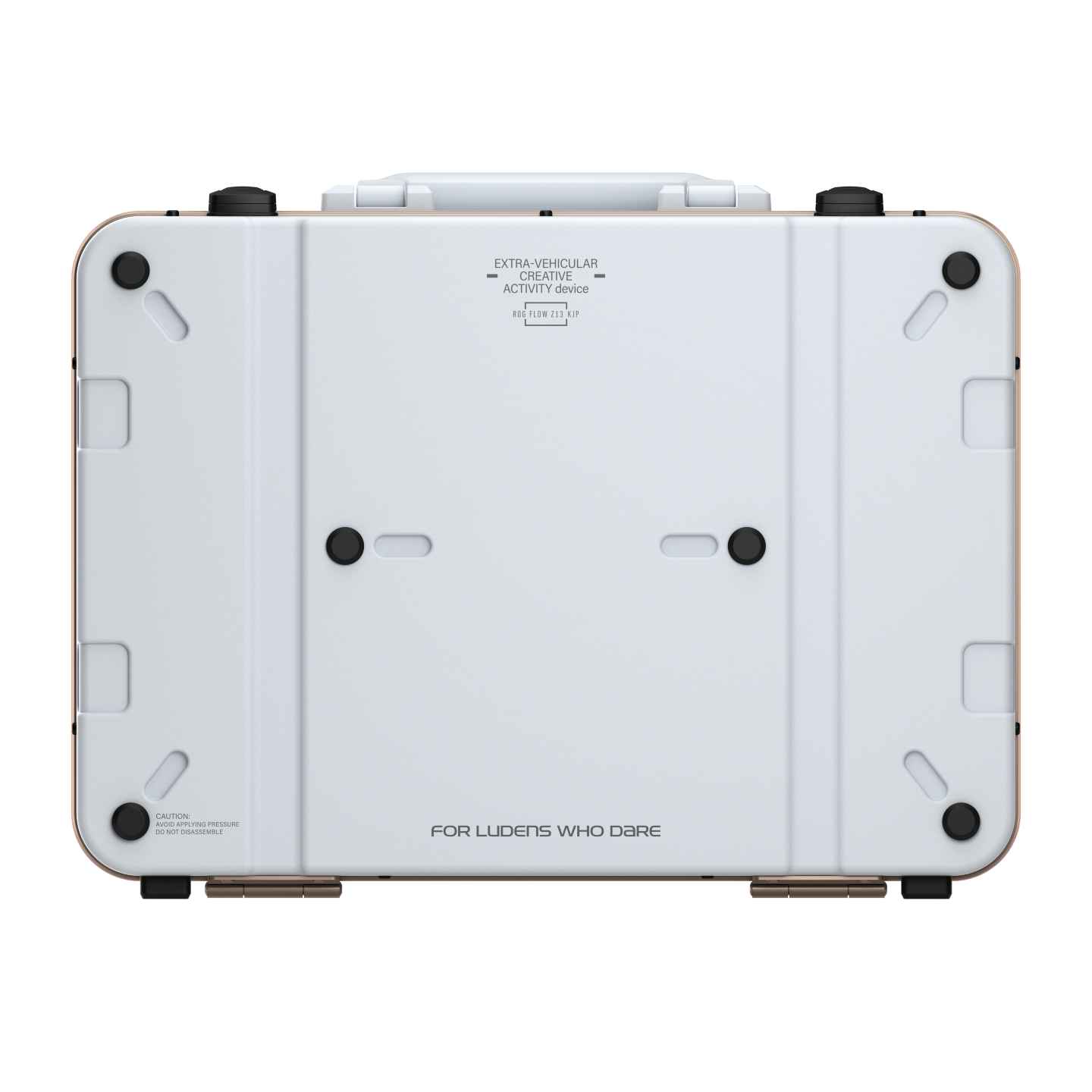
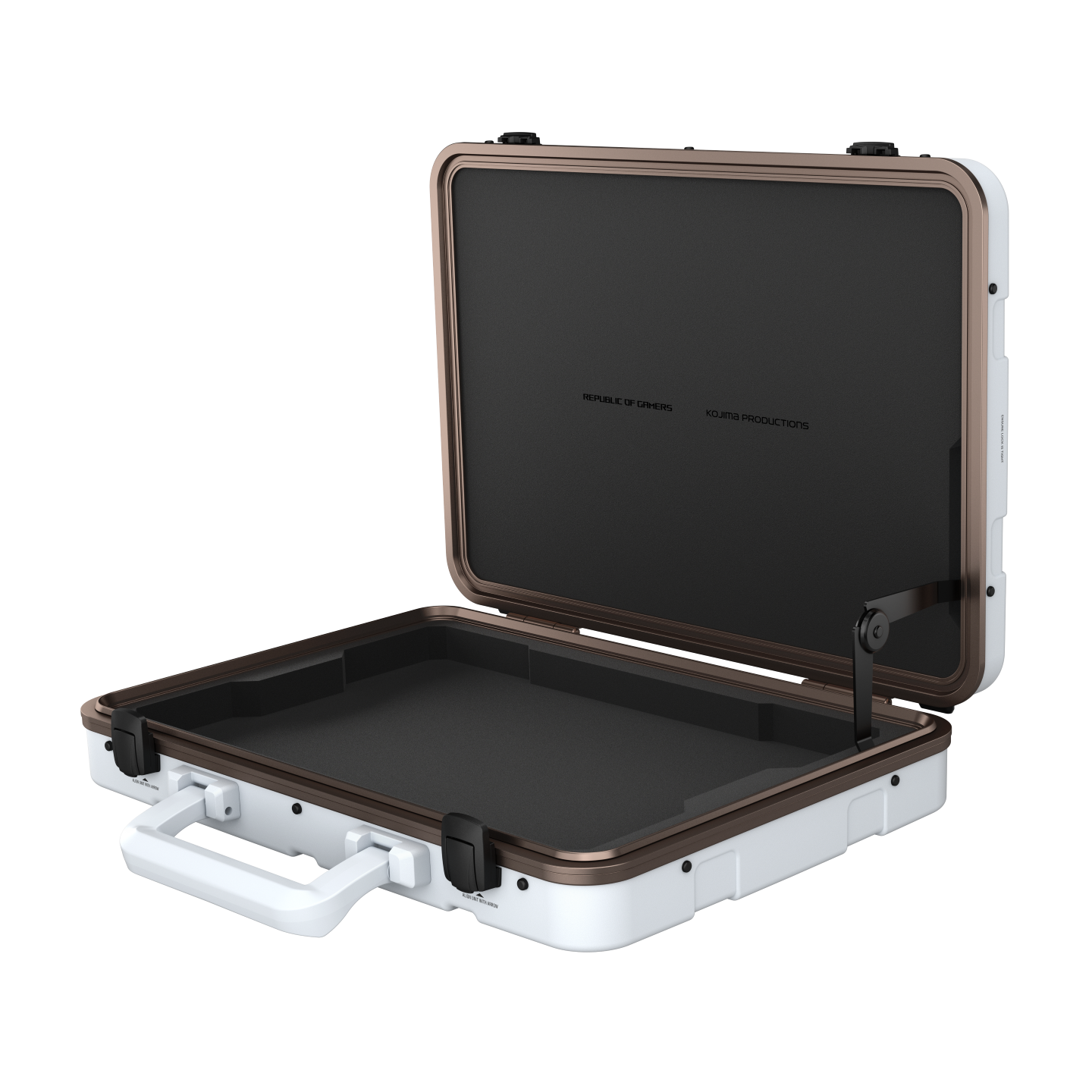
ASUS also adds a special edition system outside the Zephyrus family: the ASUS ROG Flow Z13 Kojima Productions Edition. This is a collaboration model themed around Kojima Productions and its Ludens mascot, pairing a real carbon fiber build with a beige and black aesthetic and a bundle approach that includes a themed RGB keyboard cover and accessories such as a customized suitcase. The core hardware remains the same as the standard Flow Z13 platform, featuring an AMD Ryzen AI Max+ 395 SoC with Radeon 8060S graphics, up to 128GB of LPDDR5x 8000 memory, and 1TB PCIe 4.0 NVMe storage, alongside a 70Whr battery and 50% charge in 30 minutes. The display uses a ROG Nebula OLED panel with QHD resolution, 180Hz refresh, 500 nits peak brightness, 16:10 aspect ratio, and Gorilla Glass DXC protection. With the tablet form factor, this is less about raw gaming dominance and more about premium portability and collector grade identity, which fits the Kojima brand crossover.

Across the entire 2026 lineup, ASUS is pushing a cohesive strategy: OLED HDR as the default premium baseline, modern AI era CPUs from Intel and AMD, RTX 50 series scaling by form factor, and cooling systems that let thin designs sustain performance instead of simply benchmarking well for short bursts. For gamers and creators who travel, this is a strong signal that the Zephyrus line is being optimized for real world sustained performance, modern display impact, and flexible workflows, not just spec sheet optics.
Which 2026 Zephyrus direction feels like the best value play for you: the dual 16 inch OLED productivity monster, the G16 high TGP flagship clamshell, or the ultra portable G14 that still carries RTX class graphics?
