
ASUS ProArt P14 RTX Spark Offers Up to 128 GB Unified Memory but Storage Expansion Is Limited
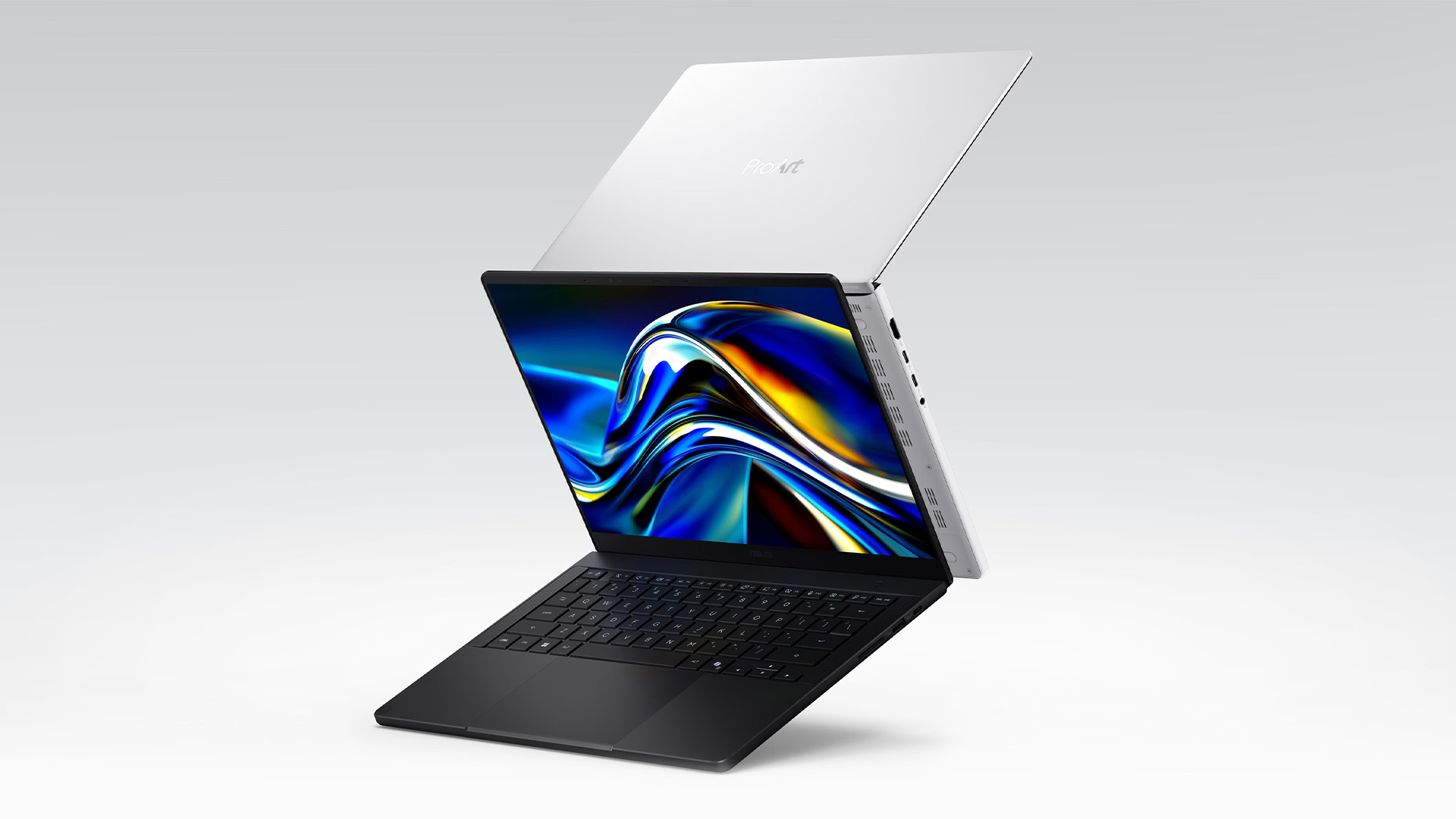
ASUS has published more detailed specifications for its upcoming ProArt P14 H7407, giving a clearer picture of how NVIDIA's RTX Spark platform will be configured when the 14 inch creator laptop reaches the market. The system combines a 20 core NVIDIA Grace CPU with a Blackwell RTX GPU featuring up to 6,144 CUDA cores, while unified LPDDR5X memory configurations range from 24 GB in selected regions to as much as 128 GB at the high end. ASUS positions the P14 as a portable AI and creator workstation capable of delivering up to 1 petaflop of FP4 AI performance.

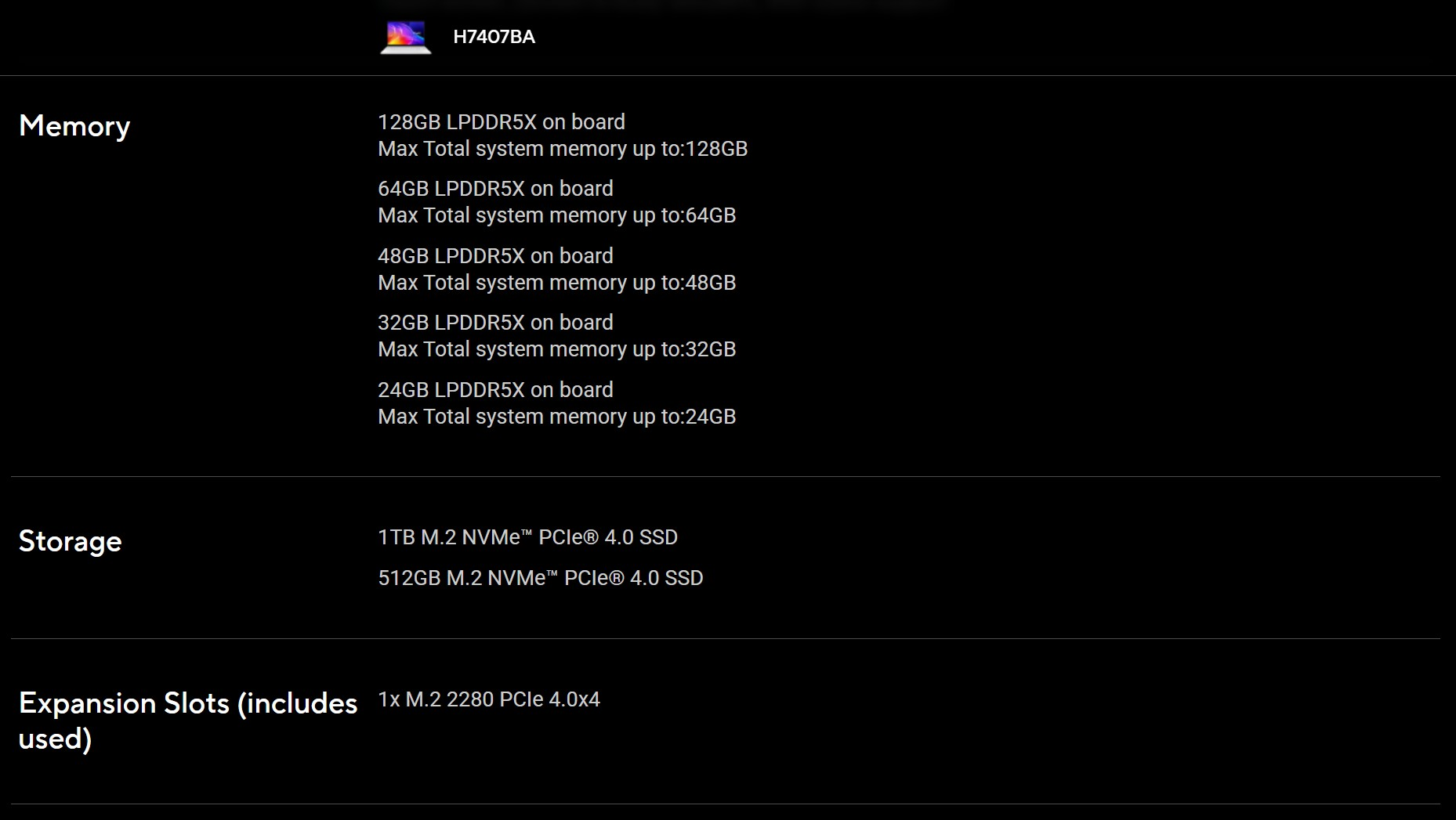
The memory configuration is particularly important because RTX Spark does not separate conventional system RAM from dedicated GPU VRAM. Instead, the Grace CPU and Blackwell GPU operate from the same LPDDR5X memory pool, allowing demanding AI models, 3D scenes and creative applications to access substantially more memory than would normally be available to a mobile GPU. ASUS currently lists 32 GB, 48 GB, 64 GB and 128 GB configurations on its global specification page, while regional listings confirm that 24 GB models will also be offered in certain markets. Availability will therefore vary according to country and configuration.
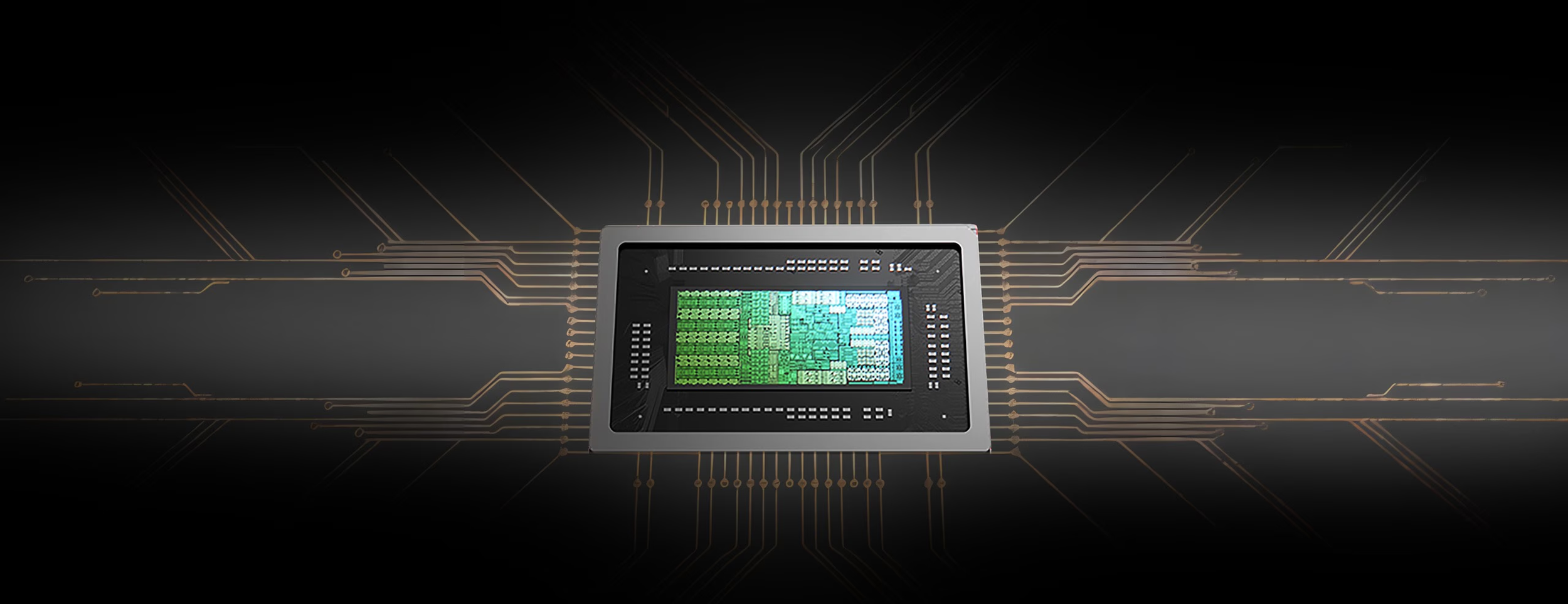
That architecture is one of RTX Spark's biggest differentiators. NVIDIA says the platform can provide up to 128 GB of unified memory alongside its Blackwell RTX GPU and Grace CPU, allowing systems to handle large local AI models and memory intensive workloads without constantly moving data between separate CPU and GPU memory pools. ASUS says the P14 can work with 90 GB plus 3D scenes, 12K 4:2:2 video and 4K AI video generation while also supporting CUDA, OptiX, DLSS and RTX accelerated creator applications.
Storage is considerably less ambitious. The ProArt P14 will ship with either a 512 GB or 1 TB PCIe 4.0 NVMe SSD, and ASUS lists only 1 M.2 2280 PCIe 4.0 x4 slot. Because that slot is already occupied by the factory SSD, users who require additional internal capacity will need to replace the existing drive rather than simply adding another SSD. PCIe 5.0 storage is also absent, making storage expandability one of the clearer compromises required to maintain the P14's thin 14 inch design.
The decision could become particularly noticeable for AI developers and creators. A laptop configured with 128 GB of unified memory can potentially load extremely large datasets or models into memory, yet the maximum factory storage option is only 1 TB. Users working with local AI models, 12K footage or large 3D projects could therefore reach the internal storage limit relatively quickly. The single M.2 slot does at least use the common 2280 format, allowing owners to replace the original SSD with a larger PCIe 4.0 model if necessary.
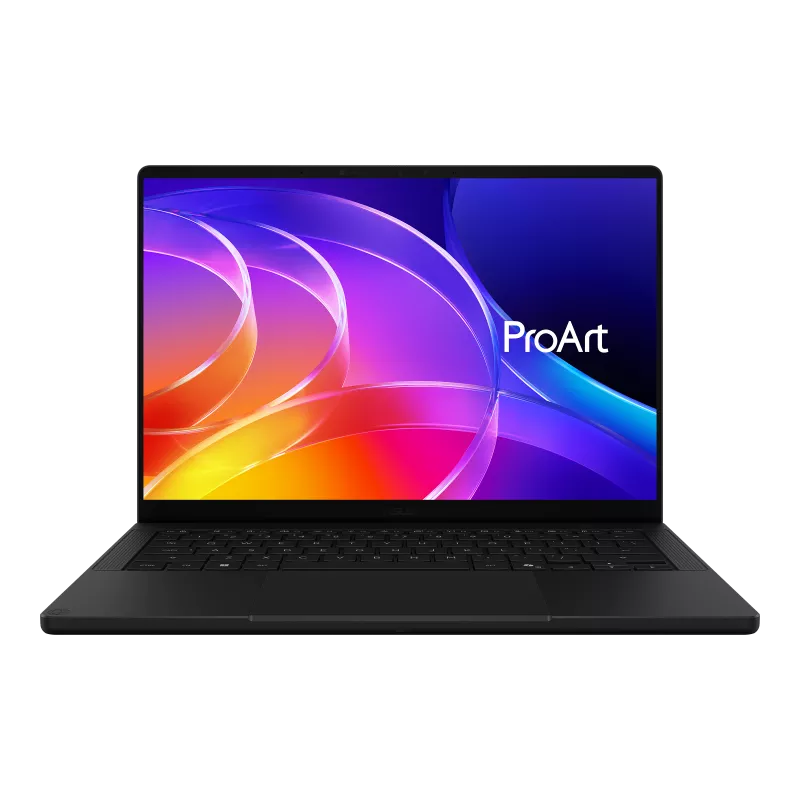
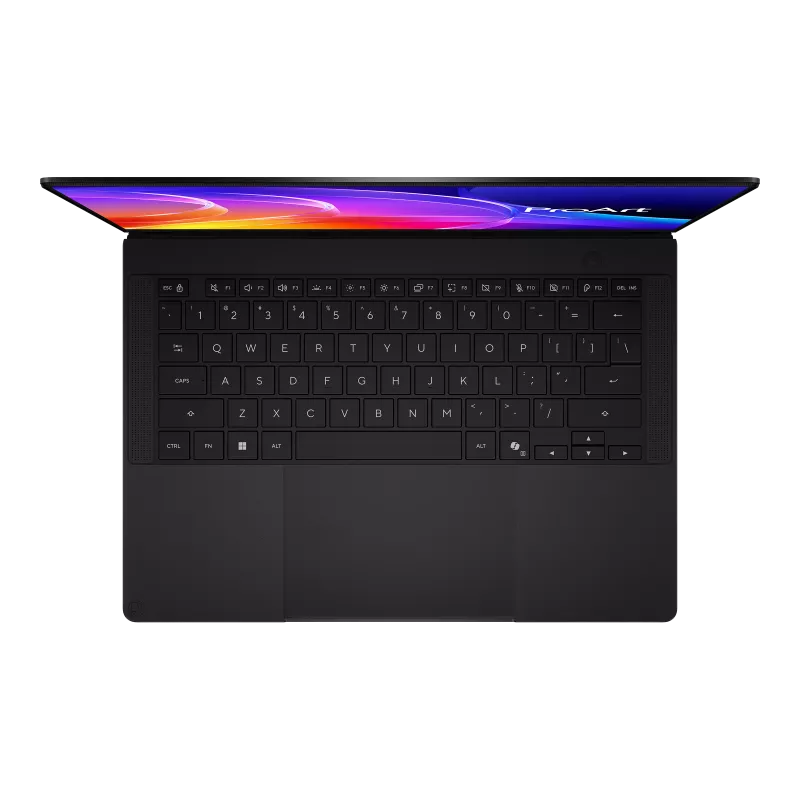
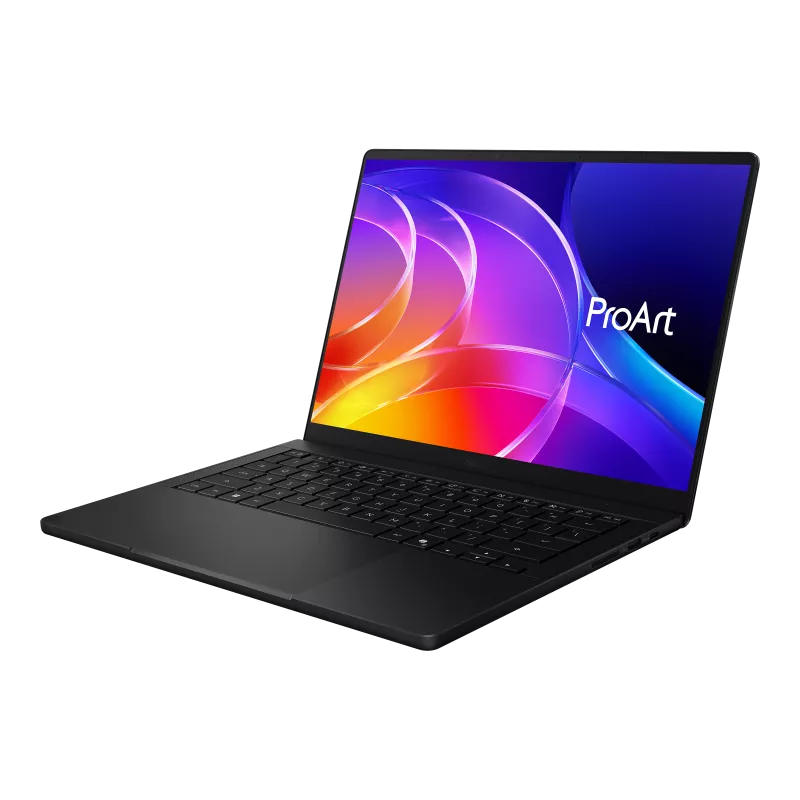
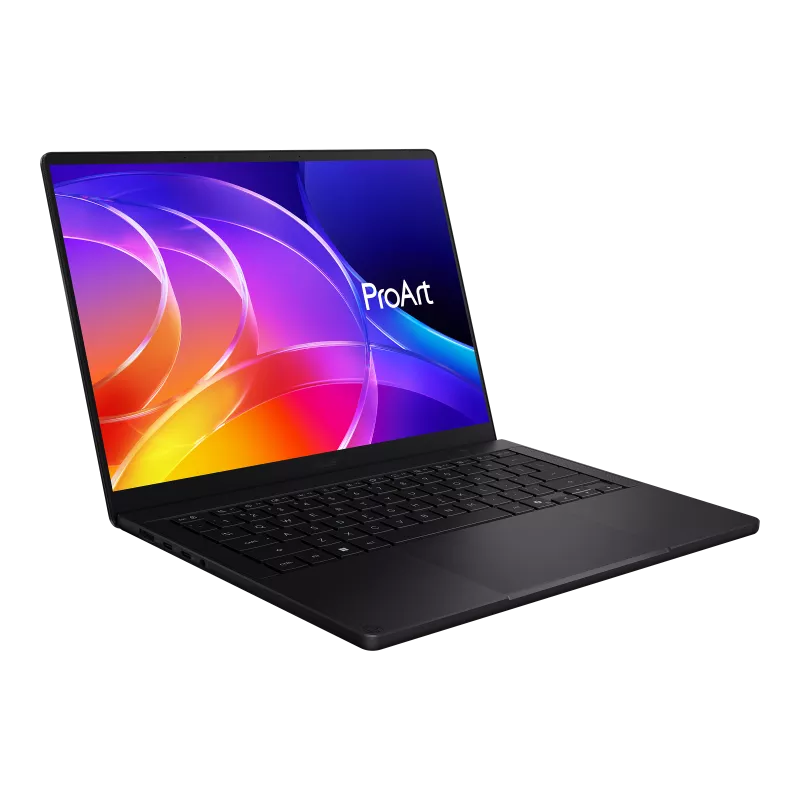
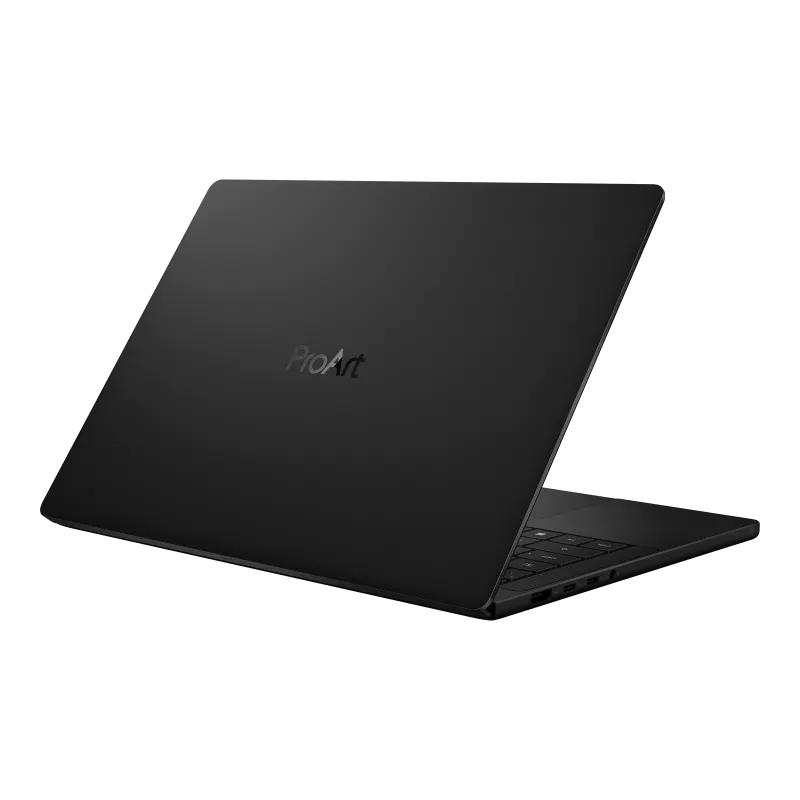
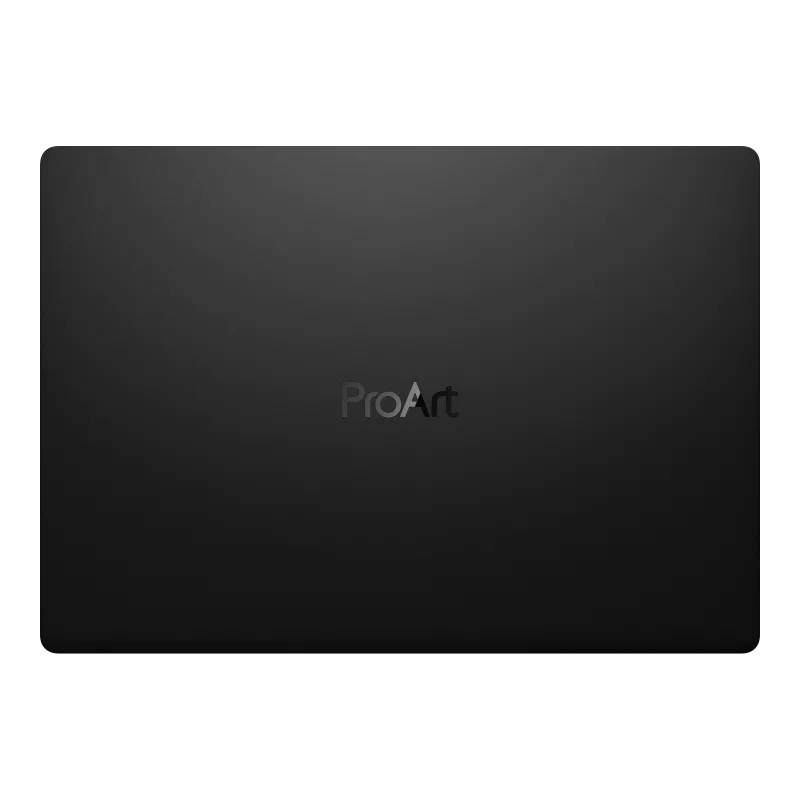
ASUS has avoided another common limitation of high performance creator laptops by using USB Type C charging instead of a proprietary power connector. Official specifications list a 140 W Type C power adapter with a 240 W rated Type C cable. The laptop carries a 90 Wh battery, measures as little as 13.9 mm thick and weighs approximately 1.48 kg, placing unusually powerful AI hardware into a chassis closer to premium ultraportables than conventional mobile workstations.
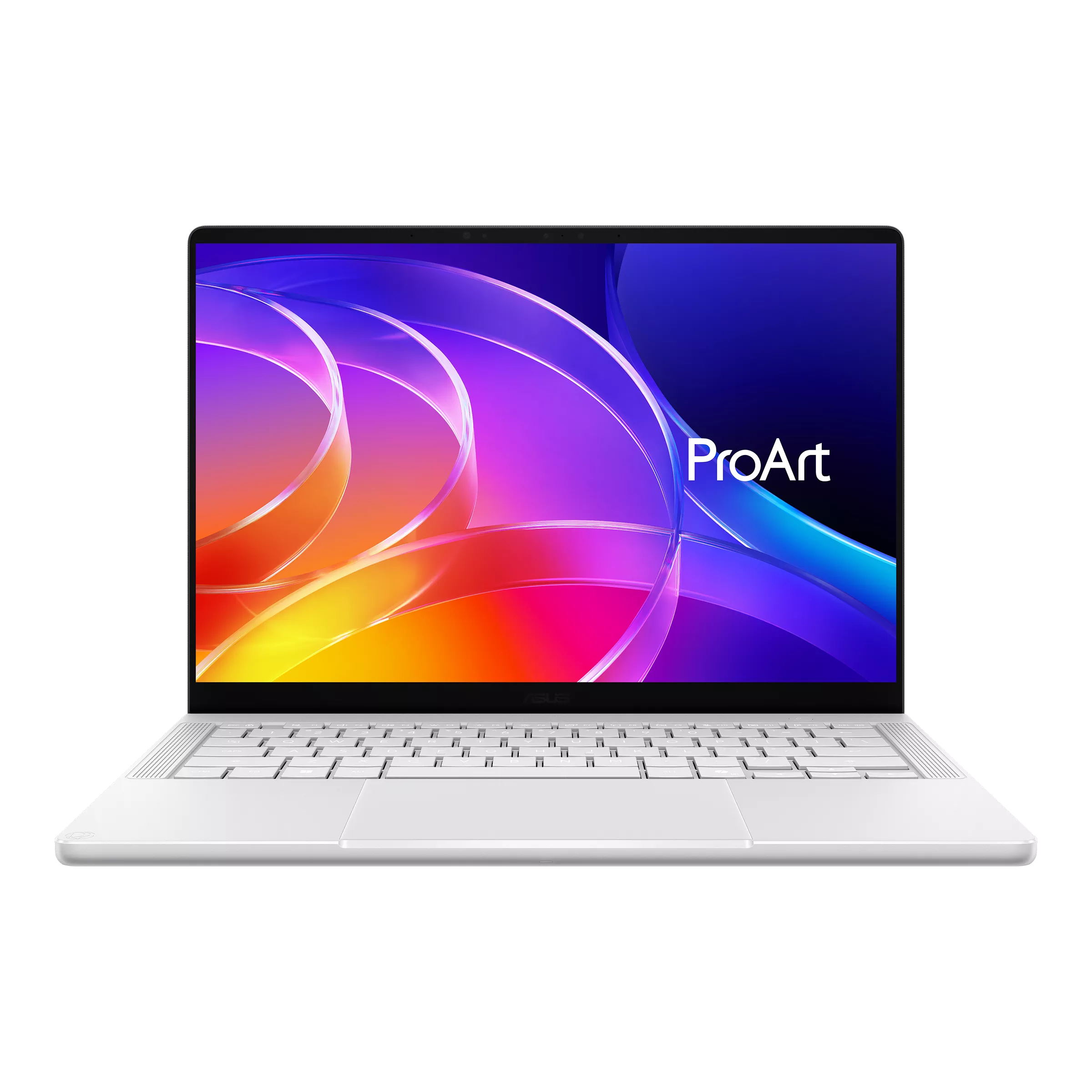
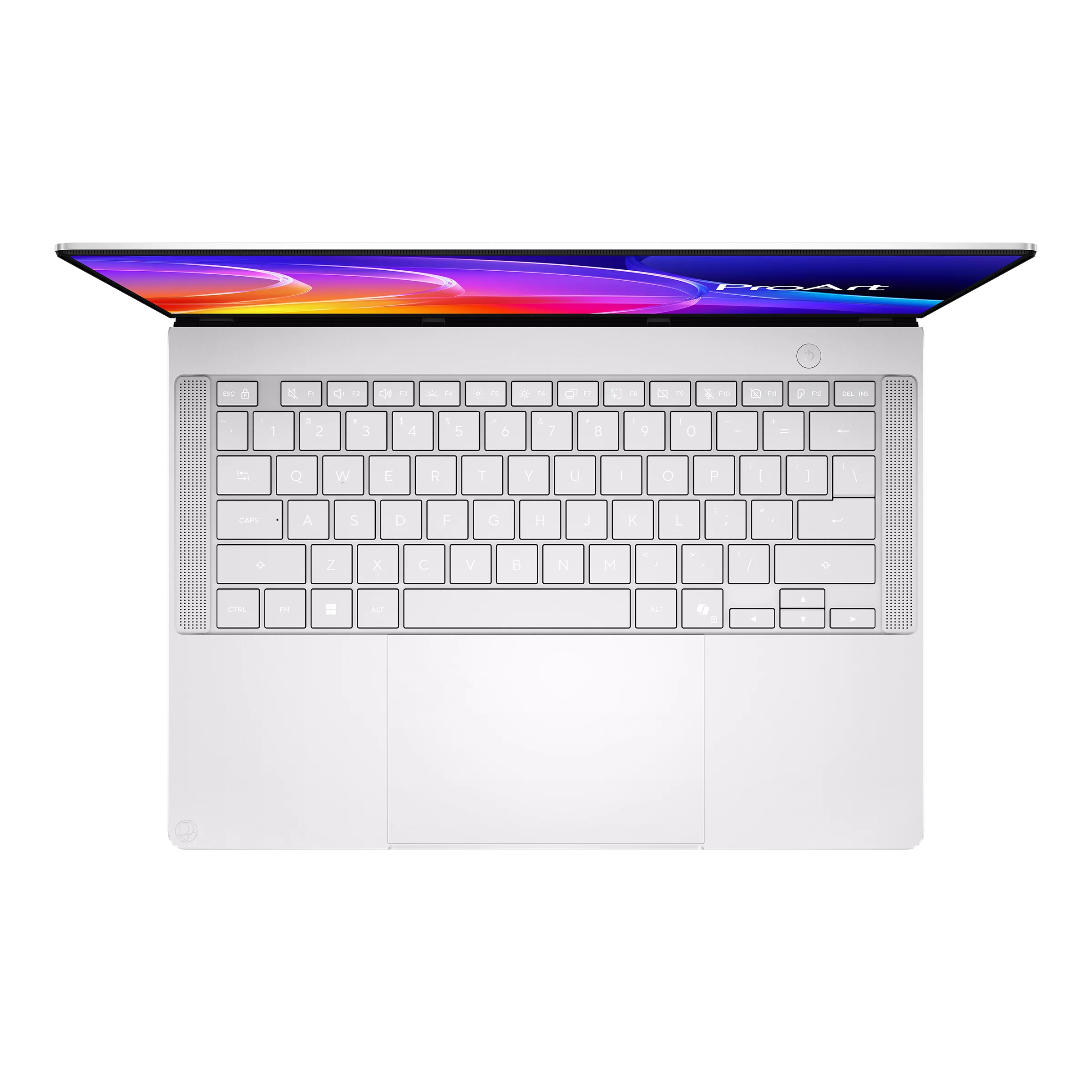
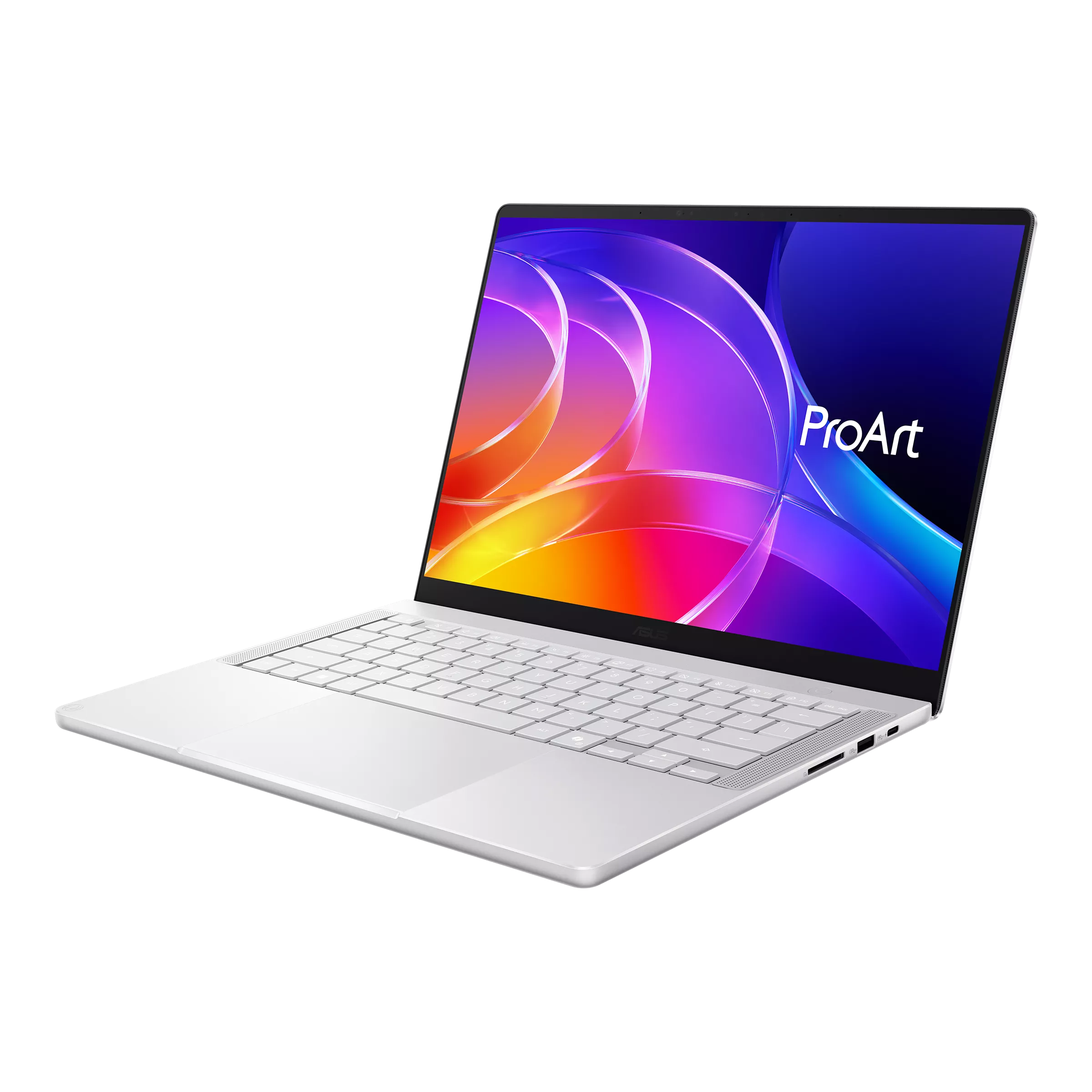
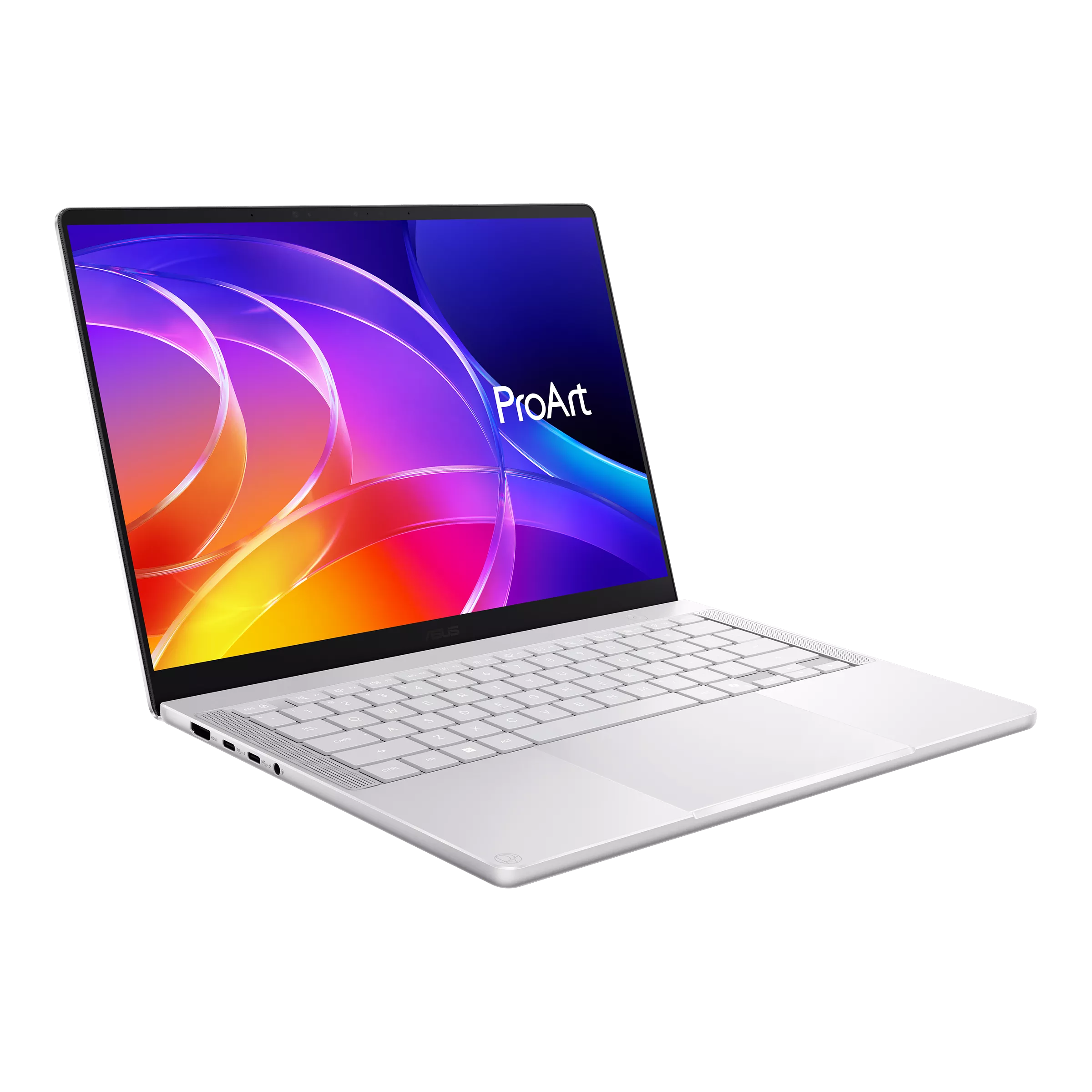
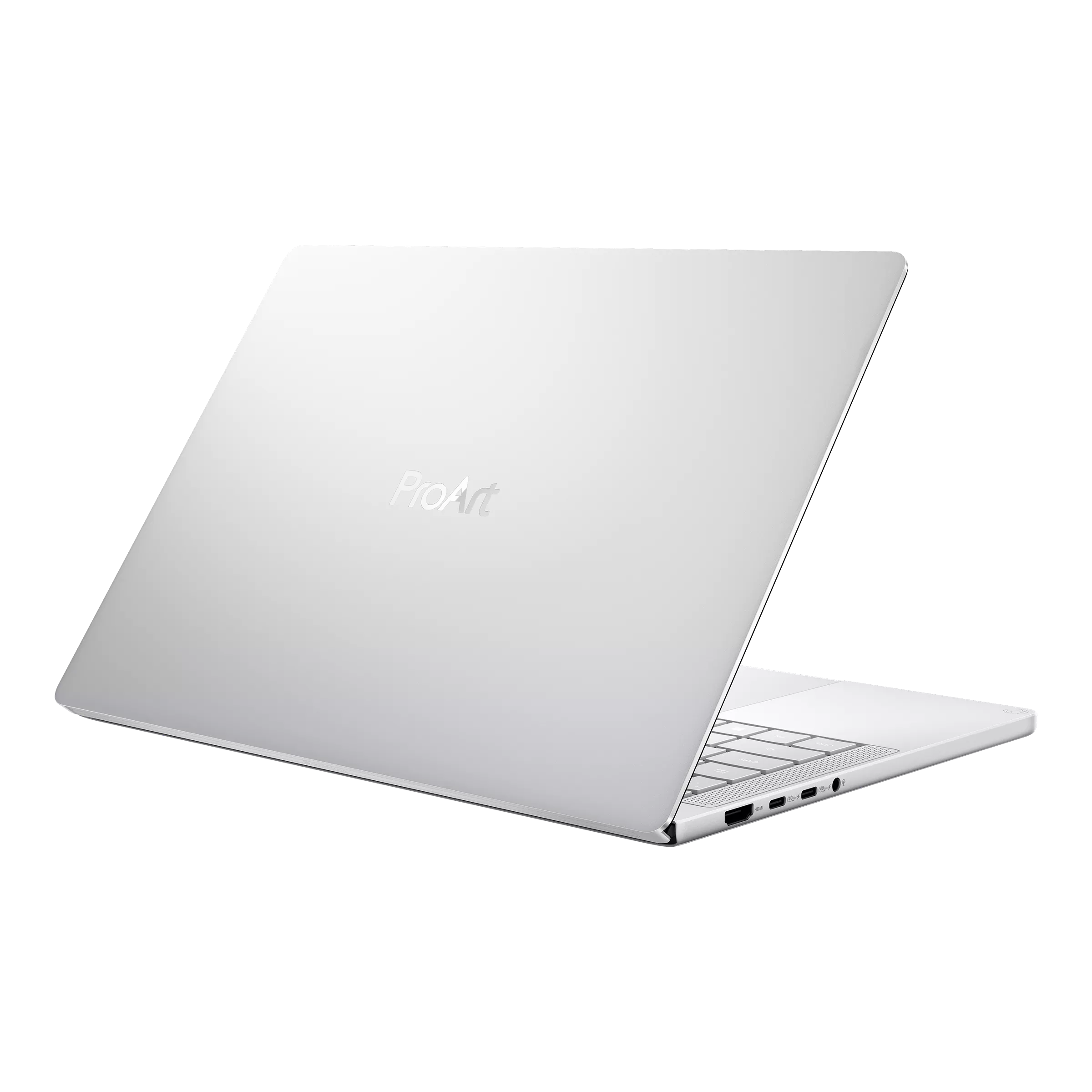
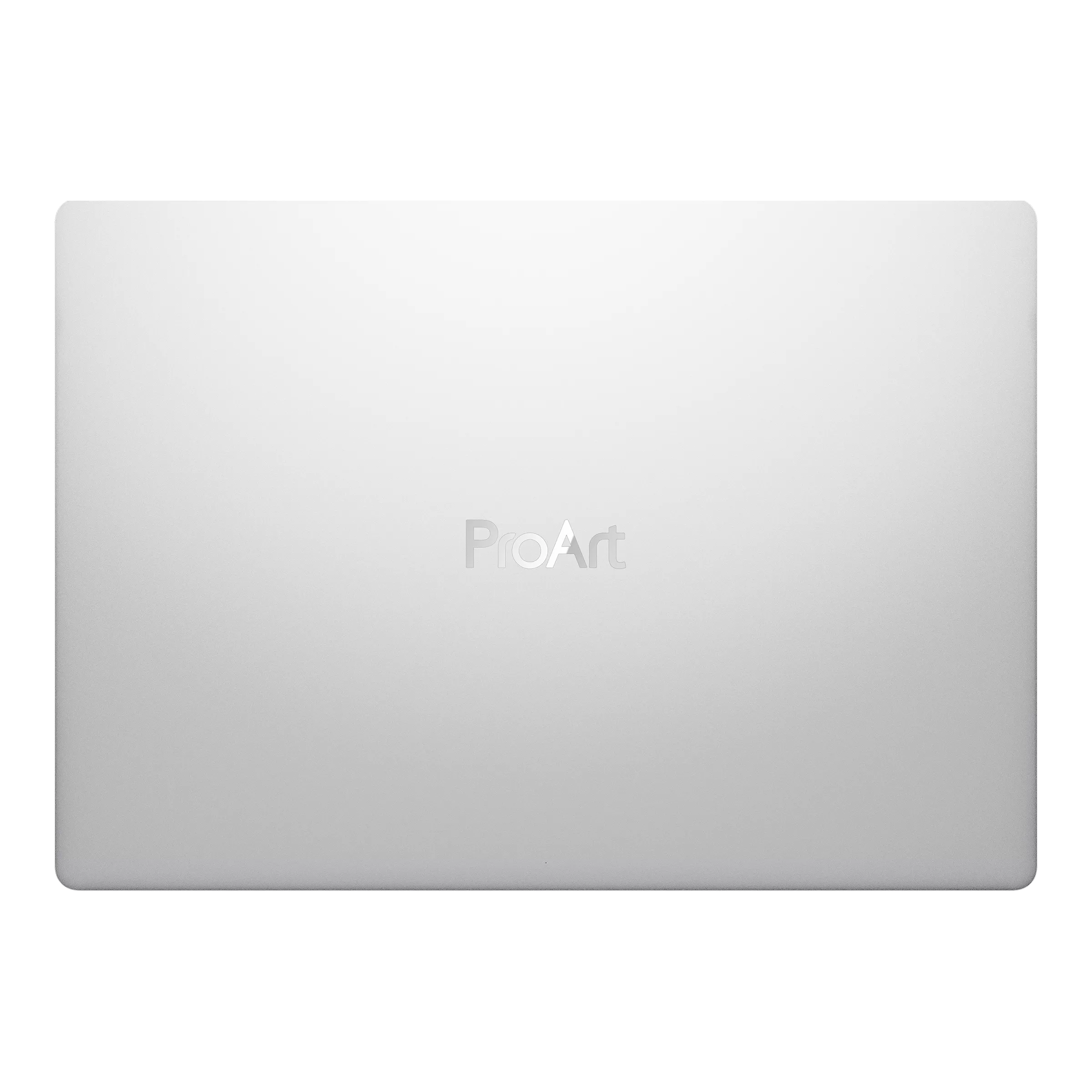
Connectivity includes 3 USB4 Type C ports supporting up to 40 Gbps data transfer, display output and Power Delivery, alongside USB 3.2 Gen 2 Type A, HDMI 2.1 FRL, a 3.5 mm audio connection and an SD 4.0 card reader. WiFi 7 and Bluetooth 5.4 are also included. The display is a 14 inch ASUS Lumina Pro OLED touchscreen with 2880 × 1800 resolution, a 16:10 aspect ratio, 120 Hz refresh rate, 100% DCI P3 coverage and configurations reaching 1,600 nits peak HDR brightness.
The ProArt P14 forms part of ASUS's first RTX Spark lineup alongside the larger ProArt P16 and ProArt Mini PC. ASUS originally introduced the systems at Computex 2026, where it positioned RTX Spark as a platform specifically designed for local AI agents, developers and creators. The P14 and P16 are expected to become available during fall 2026 in selected regions.
Interest appears strong even before retail availability. ASUS recently said that its initial RTX Spark allocation has already been fully booked by channel partners, prompting the company to request additional supply from NVIDIA. The platform has also received native Windows on Arm NVIDIA drivers ahead of launch, giving developers time to prepare CUDA, AI and creative applications for the new architecture.
The ProArt P14's 128 GB unified memory option is what makes this machine substantially different from a conventional thin and light creator laptop. Giving both the CPU and GPU access to such a large shared pool could make workloads possible on a 1.48 kg notebook that would normally require a much larger workstation with a professional GPU.
Storage feels disproportionately restrictive by comparison. A machine capable of working with 90 GB plus 3D scenes and extremely large local AI models will probably attract exactly the type of users who need multiple terabytes of fast storage. One replaceable M.2 slot is better than soldered storage, but a second slot would have made the P14 considerably more flexible.
The broader appeal will ultimately depend on pricing and Windows on Arm software compatibility. If ASUS can balance those 2 factors, the ProArt P14 could become one of the most interesting portable AI workstations of this generation.
Would you prioritize 128 GB of unified memory in a portable AI laptop, or is the ProArt P14's single M.2 storage slot too restrictive for serious creator and development workloads?
