
ASRock Launches RX 9070 XT Taichi White 16 GB OC With LCD Display RGB Focus and a Confusing Memory Bus Detail
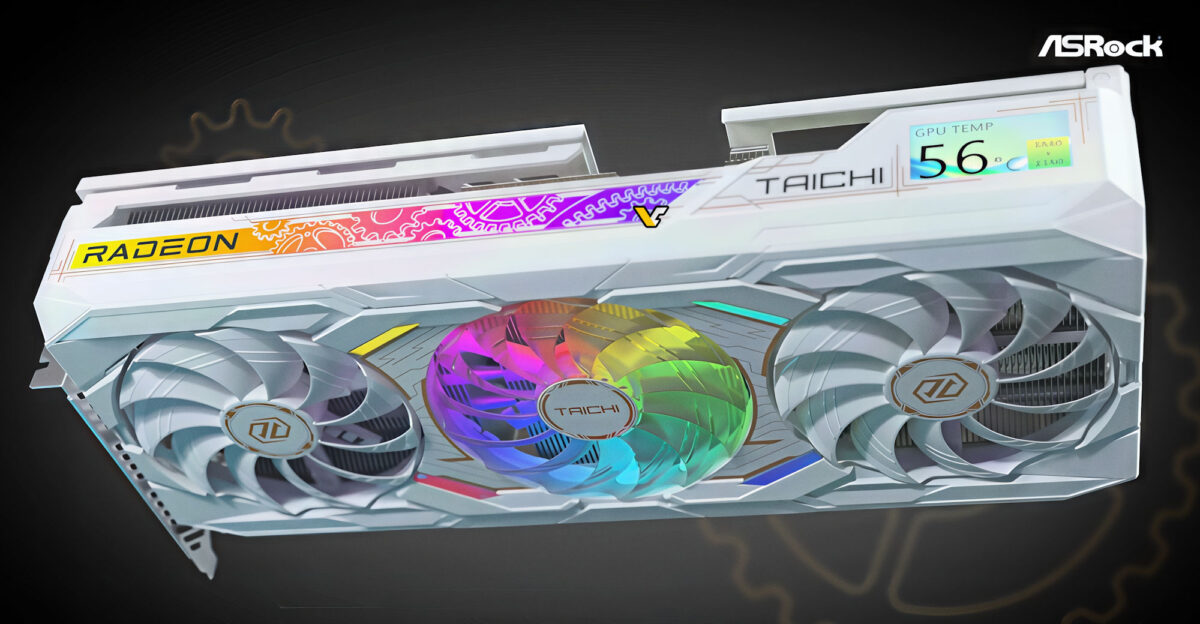
ASRock has officially showcased a new graphics card in its Radeon RX nine thousand series lineup under the premium Taichi family. The newly revealed Radeon RX 9070 XT Taichi White sixteen gigabyte OC is positioned as an upgraded visual and feature focused variant of the existing black Taichi edition, targeting enthusiasts building high end white themed systems. The reveal was presented in an official showcase video published by ASRock, which can be viewed directly via this ASRock RX 9070 XT Taichi White showcase video
From a design standpoint, the RX 9070 XT Taichi White immediately stands out with a fully white printed circuit board paired with a white heatsink shroud. This is a notable departure from the black Taichi OC, aligning clearly with the growing demand for coordinated white gaming builds across premium PC segments.
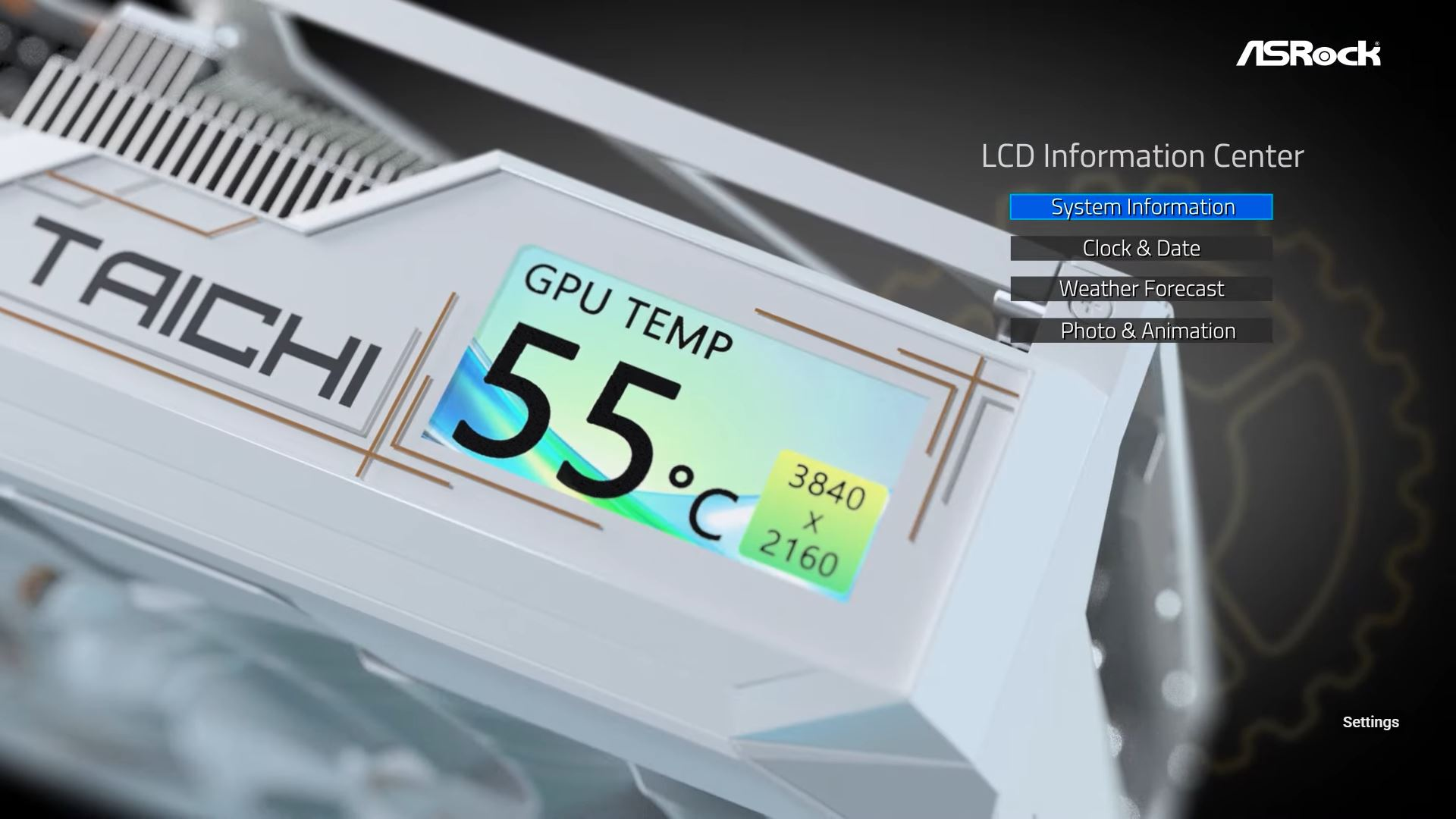
One of the most significant upgrades introduced on the Taichi White edition is the addition of a multifunction LCD Information Center mounted on the right side of the graphics card. This display is capable of presenting real time system data such as GPU temperature and output resolution, while also supporting extended features including clock and date, weather forecasts, and custom photo or animation playback.
During the showcase, the LCD panel displayed GPU temperature readings at fifty five degrees Celsius alongside a resolution of three thousand eight hundred forty by two thousand one hundred sixty, with system information menus clearly visible. This LCD feature is entirely absent from the existing black Taichi edition, giving the white variant a distinct functional advantage beyond aesthetics.
RGB lighting remains a core part of the Taichi identity, with illuminated fans and accents integrated throughout the shroud, delivering the expected visual impact for showcase oriented builds.
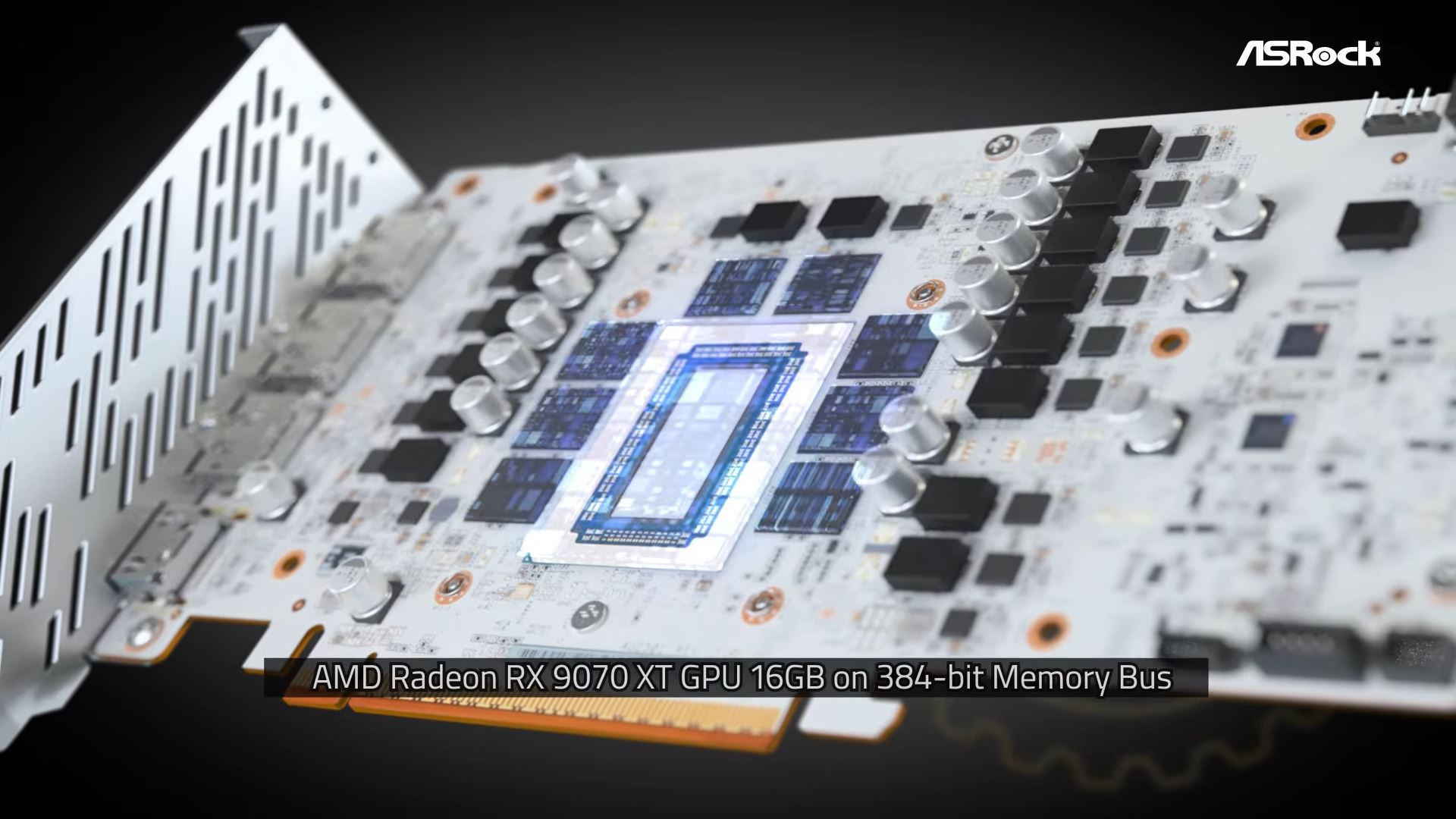
While the overall presentation of the card appears premium and polished, the video raised immediate technical questions within the enthusiast community. On screen PCB information shown during the showcase lists the RX 9070 XT Taichi White as featuring a three hundred eighty four bit memory interface paired with sixteen gigabytes of GDDR6 memory.
From a technical perspective, this configuration is not feasible with current memory packaging. A three hundred eighty four bit bus would require twelve memory modules or non standard one point three three gigabyte GDDR6 chips, which do not exist in the current graphics memory ecosystem.
Further examination of the PCB clearly shows eight VRAM chips positioned around the GPU substrate. This confirms the use of eight two gigabyte GDDR6 modules, resulting in a sixteen gigabyte total capacity operating on a two hundred fifty six bit memory bus, which is consistent with existing RX 9070 XT designs.
Based on this evidence, it is almost certain that the three hundred eighty four bit memory interface shown in the video is an editorial or overlay error rather than an actual hardware specification. No current Radeon RX 9070 XT product uses such a configuration.
Although the official product page has not yet gone live, all indications suggest that the RX 9070 XT Taichi White sixteen gigabyte OC will mirror the core specifications of the black Taichi OC edition. This includes a factory overclocked boost frequency reaching up to three thousand one hundred megahertz, robust power delivery, and a cooling solution designed for sustained high load operation.
With the addition of the LCD display and its distinct white aesthetic, the Taichi White variant appears positioned as a flagship showcase card rather than a performance departure from the existing Taichi lineup.
As ASRock finalizes its product listings and official specifications, the RX 9070 XT Taichi White is shaping up to be a visually striking addition to the Radeon RX nine thousand ecosystem, albeit with a reminder that marketing visuals still require technical scrutiny.
Do you see integrated LCD displays on GPUs as a meaningful feature or purely an aesthetic upgrade? Share your thoughts with us below.
