
Apple Unveils iPhone Duo With 2 nm A20 Pro, the Watch Series 12 and Ultra 4 Expand Health Intelligence
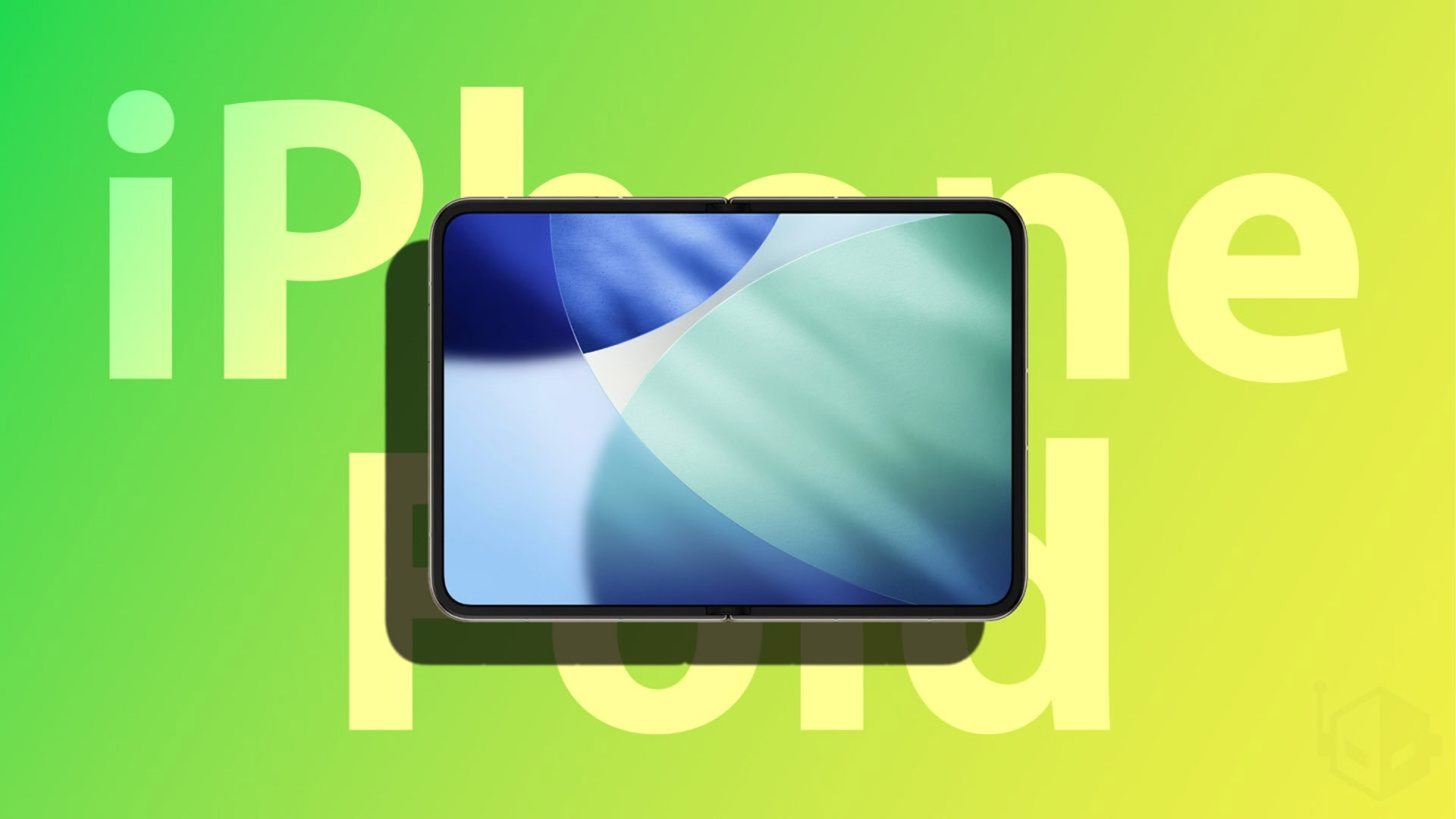
Apple has introduced one of its largest hardware shifts in years, officially entering the foldable smartphone market with the iPhone Duo while bringing its first 2 nm iPhone processor to the iPhone 18 Pro family and expanding Apple Watch around increasingly advanced health sensing and artificial intelligence. The announcements bring together a new iPhone form factor, major changes to Apple silicon packaging, significantly stronger graphics and AI performance, and a wearable strategy that is moving beyond activity tracking toward continuous health interpretation.
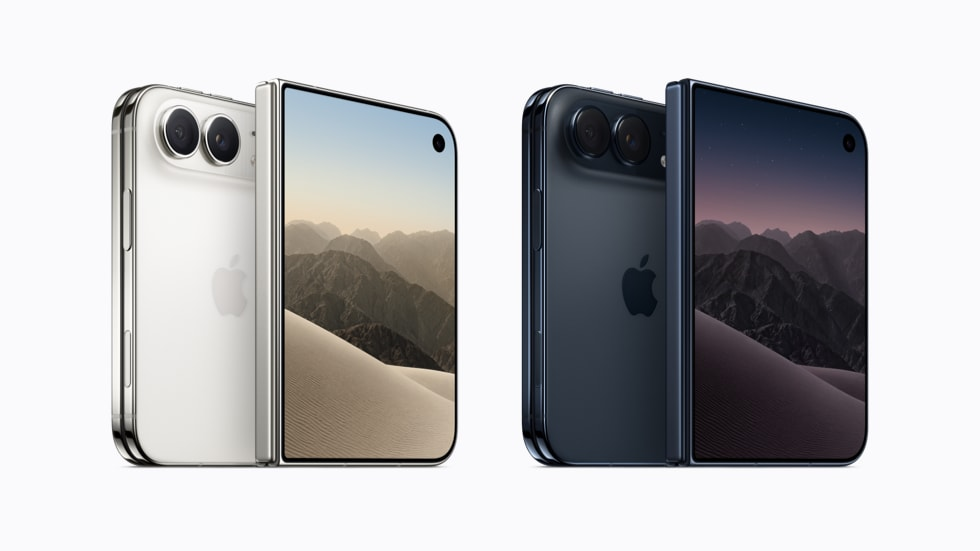
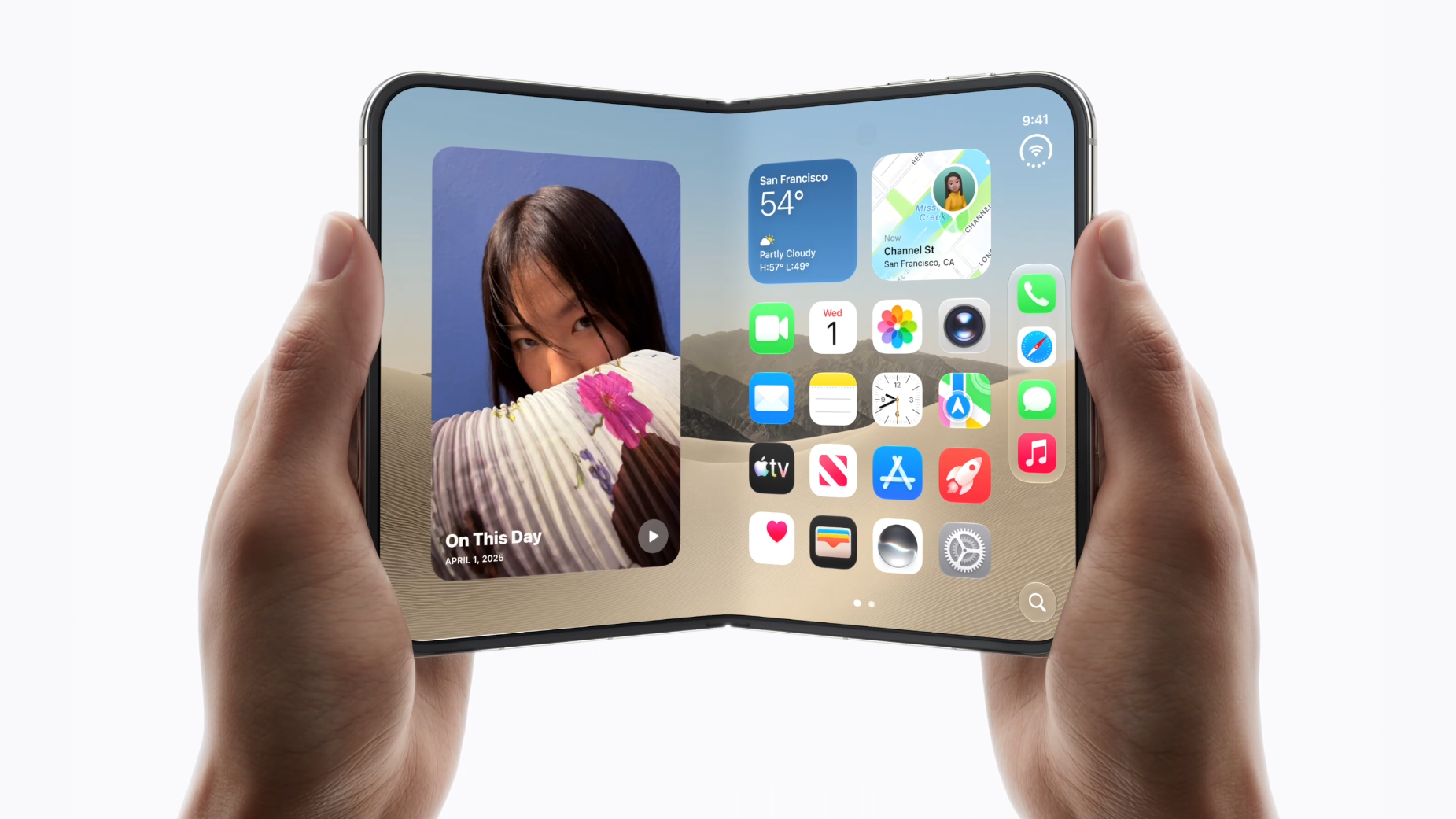
The biggest change is the iPhone Duo, Apple's first foldable iPhone. Closed, the device uses a 5.4 inch Super Retina XDR outer display that Apple says provides around 90% of the screen area of an iPhone 18 Pro. Opening it reveals a 7.6 inch Super Retina XDR inner display with a nano texture surface designed to reduce reflections and make the central crease less visible. Both displays support ProMotion, Always On functionality and up to 3,000 nits of outdoor peak brightness, while Apple Pencil support is scheduled to arrive later in 2026. The device uses grade 5 titanium, Ceramic Shield protection and a hinge assembled from more than 100 components, with Apple also maintaining IP68 water and dust resistance despite the considerably more complex folding structure.
The price makes it equally ambitious. iPhone Duo starts at 1,999 USD for 256 GB, followed by 512 GB, 1 TB and 2 TB configurations. Earlier reporting correctly identified the iPhone Duo name and approximately 2,000 USD starting price before Apple's presentation, but suggested the maximum 2 TB configuration could cost around 3,000 USD. Apple's United States store now lists the actual 2 TB model at 3,199 USD, with 512 GB priced at 2,199 USD and 1 TB at 2,599 USD. Preorders begin October 16, with availability beginning October 23 in more than 70 countries and regions.
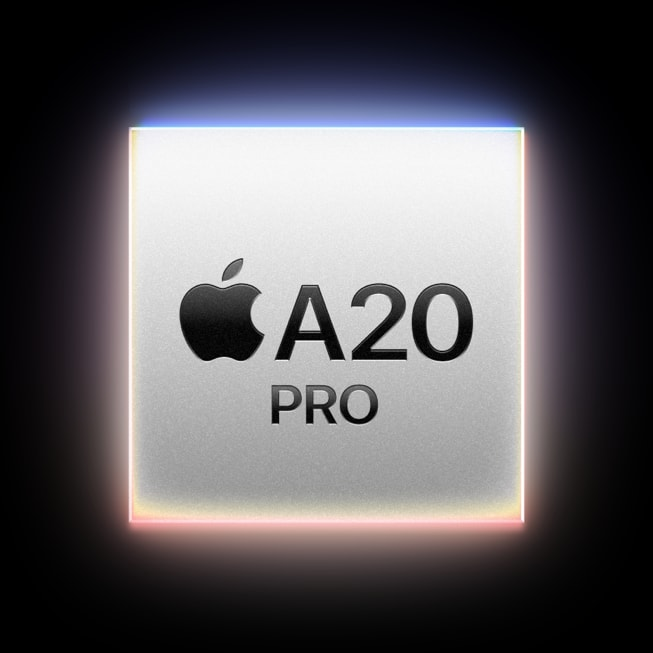
Inside the iPhone Duo is Apple's new A20 Pro processor, which also powers the iPhone 18 Pro and iPhone 18 Pro Max. Built on the latest 2 nm process, A20 Pro uses a 6 core CPU, a 7 core GPU and Dual 16 core Neural Engines totaling 32 neural processing cores. Apple claims the CPU delivers up to 20% higher performance than A19 Pro, while GPU performance increases by up to 40%. The new neural architecture delivers around twice the AI compute performance, while unified memory bandwidth increases by 50%. This places graphics, computational photography and increasingly demanding local AI models at the center of Apple's performance strategy rather than relying only on conventional CPU gains.
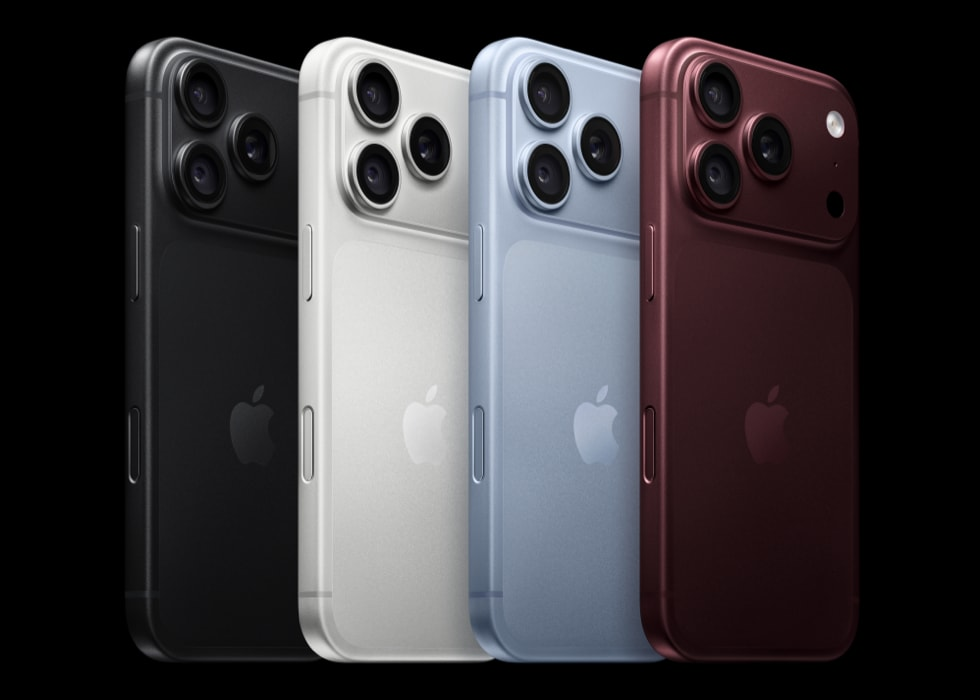
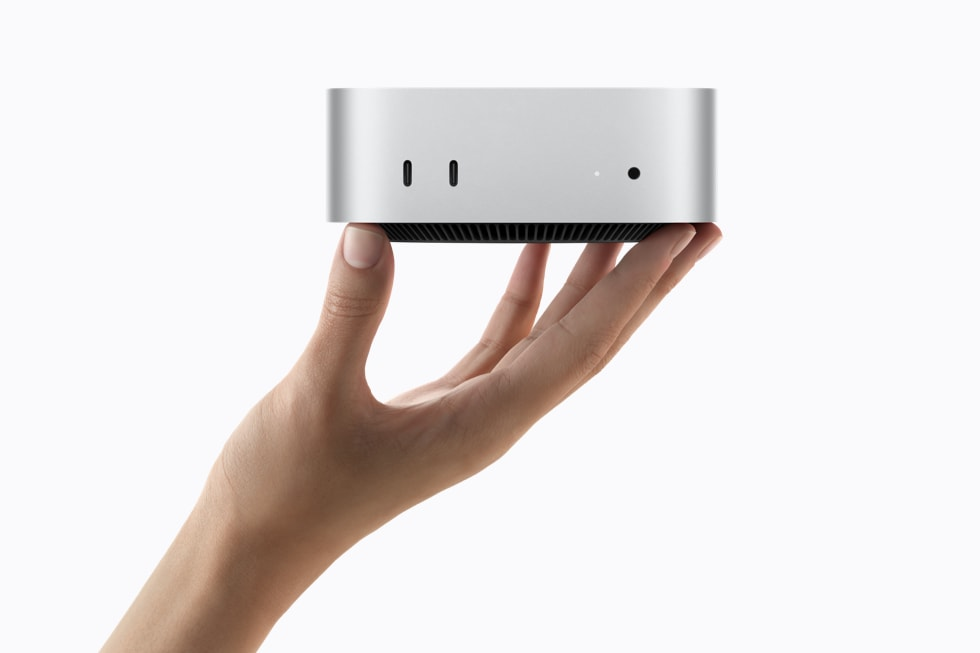
A20 Pro also introduces a major packaging redesign. Instead of placing memory vertically above the processor using Apple's previous packaging approach, the new architecture positions the silicon and memory beside each other. This removes DRAM from the processor's direct thermal path and allows A20 Pro to connect more directly to the vapor chamber used inside the iPhone 18 Pro and iPhone Duo. Apple says this contributes to substantially stronger sustained performance, particularly during gaming, multitasking and intensive AI workloads. The move to 2 nm follows Apple's earlier adoption of the technology with the M6 Mac mini, extending its newest semiconductor generation from Mac systems into the company's highest volume mobile platform.
Some lower level specifications remain unofficial. Information published shortly before Apple's announcement claimed that A20 Pro's performance cores could reach 4.90 GHz, with efficiency cores operating around 2.60 GHz, alongside 36 MB of system level cache and memory bandwidth potentially exceeding Apple's M3. Apple has not publicly confirmed those frequencies, cache specifications or the M3 comparison, so they should remain classified as leaked specifications rather than official A20 Pro specifications.
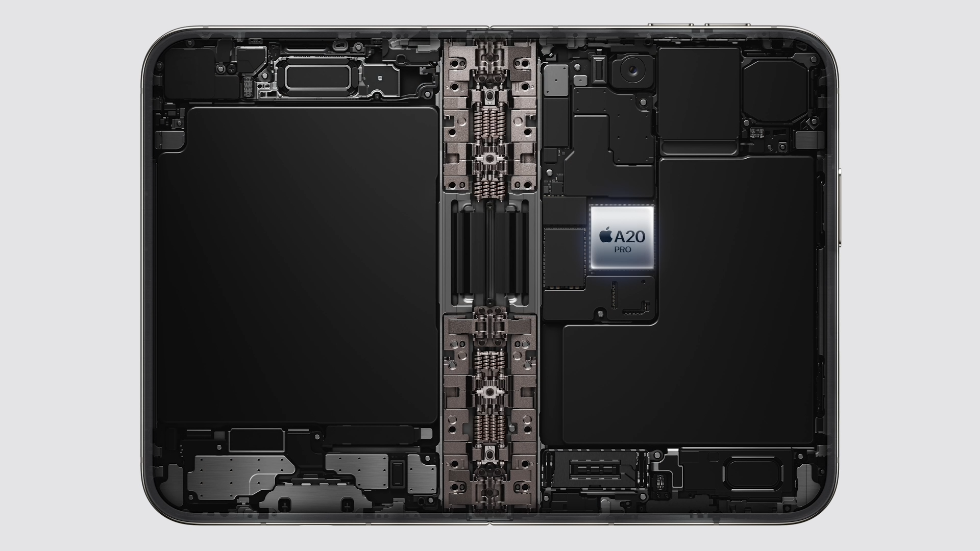
The new silicon also has obvious implications for mobile gaming. Apple is pairing a 40% GPU performance increase with greater memory bandwidth, hardware accelerated ray tracing, improved thermal management and Neural Accelerators distributed across its compute architecture. On iPhone Duo, the larger 7.6 inch display creates an especially interesting use case, combining console sized viewing space with a processor designed to sustain significantly heavier graphics workloads. Apple says iPhone Duo can deliver up to 35% better sustained performance than iPhone 17 Pro, helped by its custom vapor chamber and redesigned chip package.
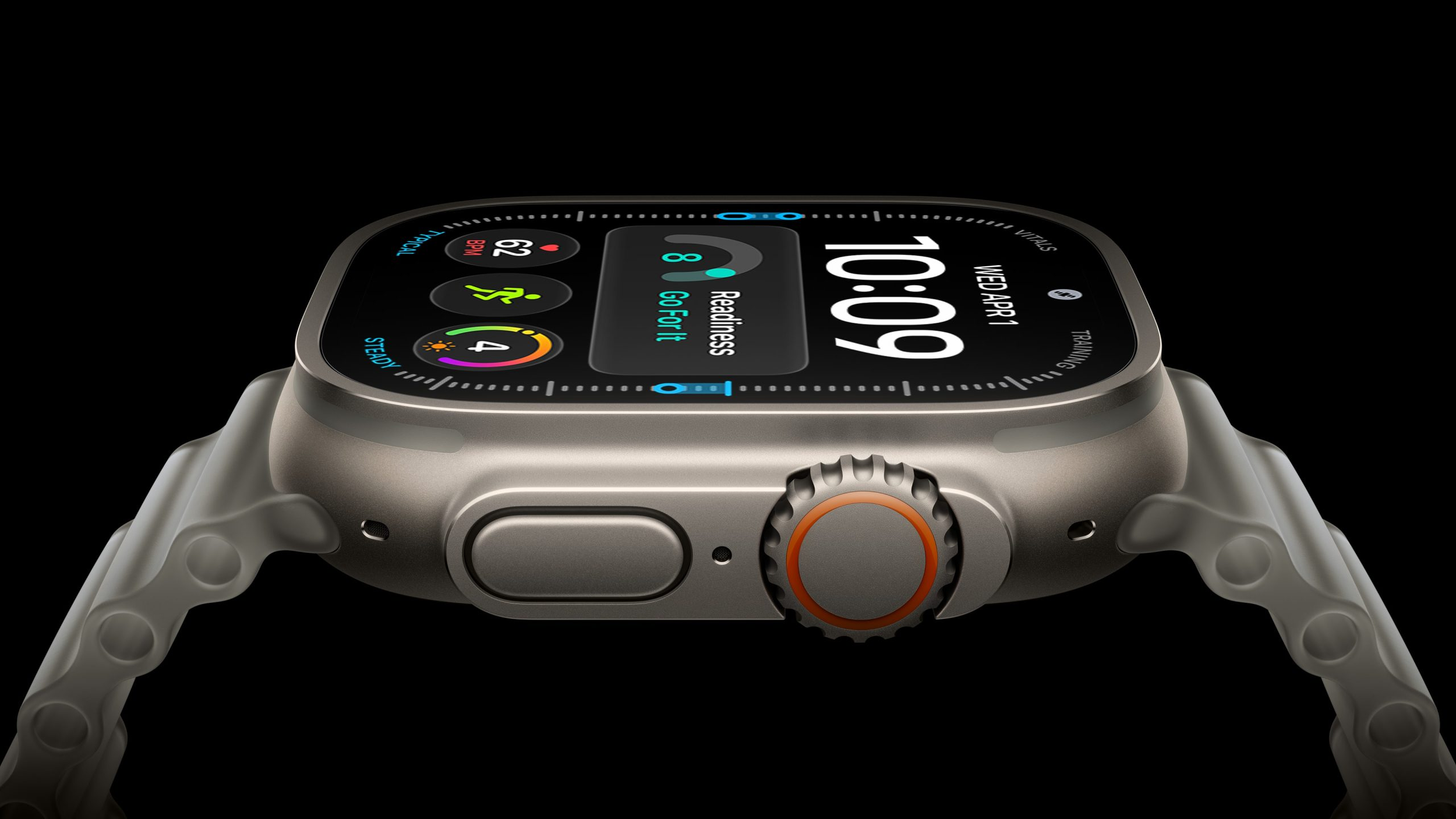
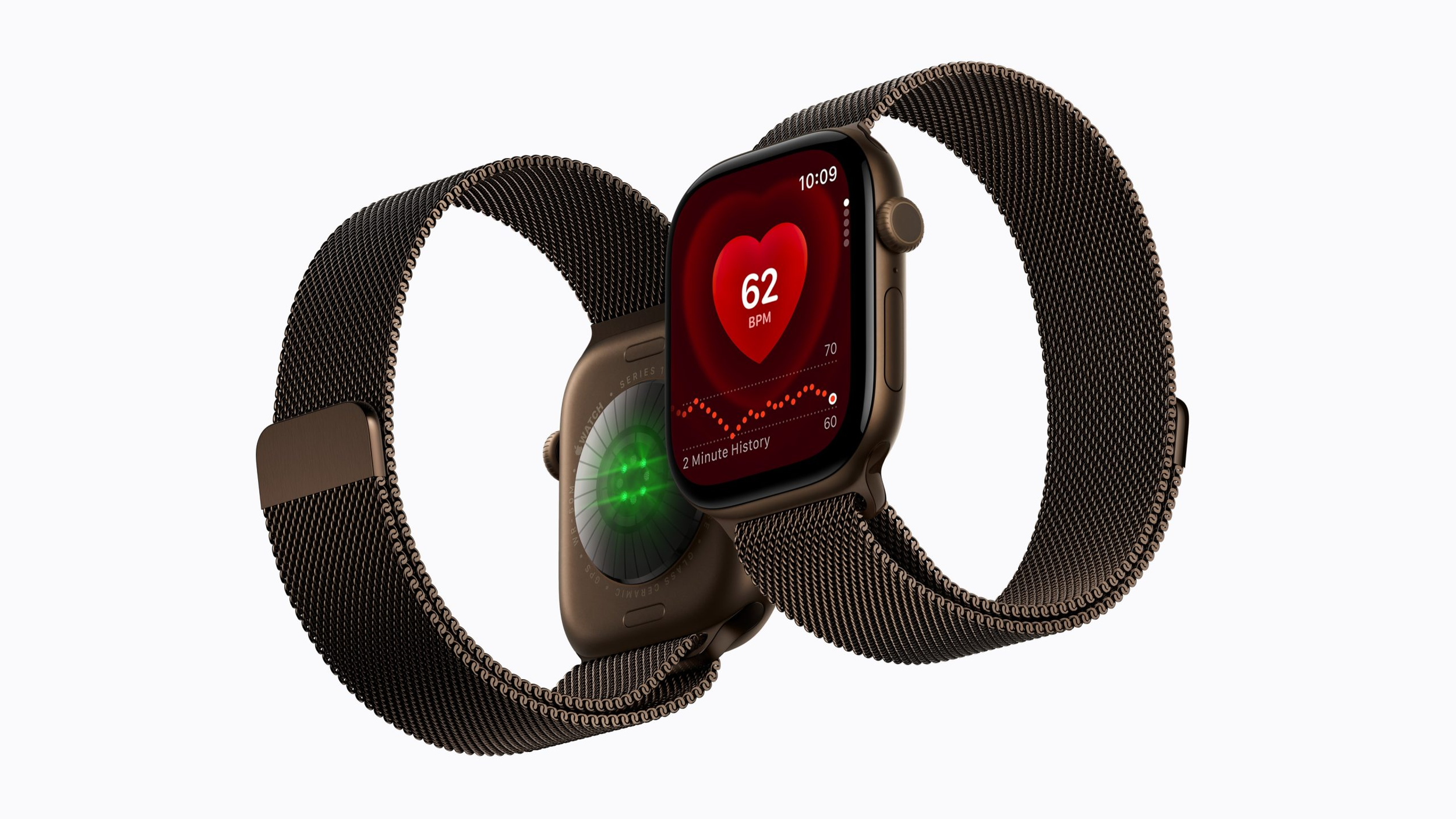
Apple's wearable lineup is changing just as substantially. The new Apple Watch Series 12 and Apple Watch Ultra 4 introduce the S11 processor and a redesigned Health Sensing System built around new optical and electrical heart sensors. Apple claims the system provides its most accurate heart rate sensing yet while increasing the frequency of heart rate and heart rate variability measurements. Those readings contribute to a new Readiness score designed to estimate how prepared a user is for training and physical activity based on recent physiological data.
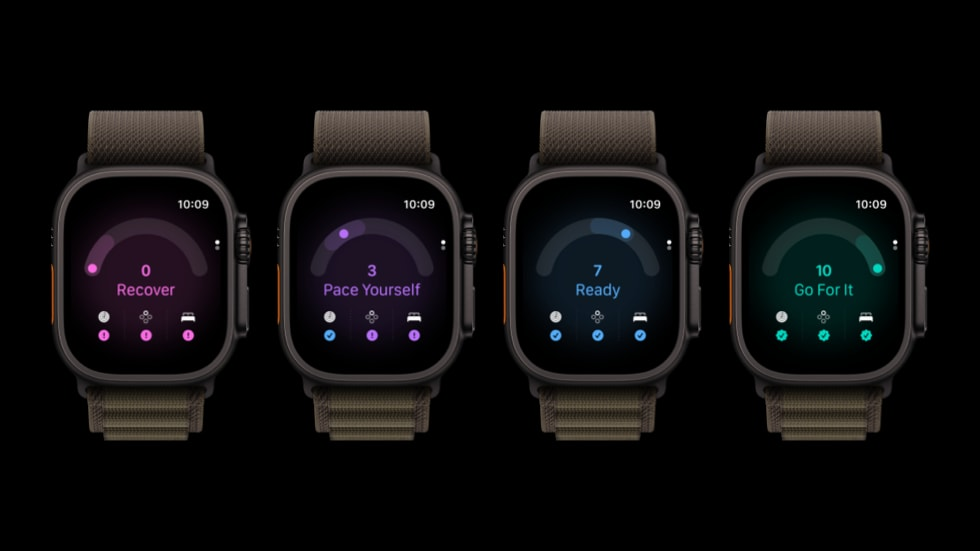
The redesigned Health app goes further through a new Longevity section and Health Age metric. Health Age compares physiological measurements with a user's chronological age using information including VO2 max, resting heart rate, sleep and heart rate variability. Users can also add laboratory measurements such as A1c and LDL to provide additional context. Apple says the calculations run with privacy controls built into its health ecosystem and are intended to provide a longer term view of cardiovascular health, movement, sleep, metabolic indicators, hearing and other wellness data.

Battery improvements differ considerably between the 2 watches. Apple Watch Series 12 maintains up to 24 hours of everyday use, while outdoor workout tracking increases to as much as 10 hours. A 15 minute charge can provide up to another 12 hours of use. Apple Watch Ultra 4 reaches 50 hours of normal battery life, up to 84 hours in Low Power Mode and as much as 45 hours for extended outdoor workout tracking with GPS measurements continuing every second. Series 12 continues to start at 399 USD, while Ultra 4 remains at 799 USD, with both becoming available September 18.
Both watches also expand Apple's AI strategy through watchOS 27. Siri AI brings personal context and broader knowledge capabilities to the wrist, while new Audio Intelligence functions include Siri Recap and Live Rewind. Apple says the S11 chip contains a dedicated Secure Exclave for processing audio independently from the operating system, with raw audio immediately deleted rather than retained. Siri Recap is designed to generate short summaries rather than complete conversation transcripts, while Live Rewind can temporarily recover recently spoken information when activated.
The iPhone Duo will attract most of the attention because Apple entering the foldable market is a major platform moment, but A20 Pro may ultimately be the more important technology announcement. Moving to 2 nm, restructuring memory placement and substantially expanding GPU and neural processing performance creates a foundation Apple can reuse across mobile gaming, computational imaging and local AI for several generations.
The 3,199 USD maximum iPhone Duo configuration makes it one of Apple's most expensive mainstream mobile devices ever, but Apple is clearly positioning it as something closer to a compact computing platform than simply another iPhone. Split View, Apple Pencil support, the 7.6 inch display, strong sustained graphics performance and the new Siri AI experience all reinforce that strategy.
Apple Watch is moving in a similarly strategic direction. Series 12 and Ultra 4 are less about radically changing the physical watch and more about transforming the data it collects into useful interpretation. Readiness, Health Age, higher frequency heart data and AI driven health analysis move Apple increasingly close to making Apple Watch a continuous personal health computing platform rather than primarily a smartwatch with fitness functions.
Which announcement is the bigger step for Apple: the 1,999 USD iPhone Duo, the 2 nm A20 Pro processor, or Apple Watch moving deeper into health and AI analysis?
