
No Man’s Sky Cosmos Rebuilds Space for Its 10th Anniversary With Player Owned Stations and Galactic Alliances
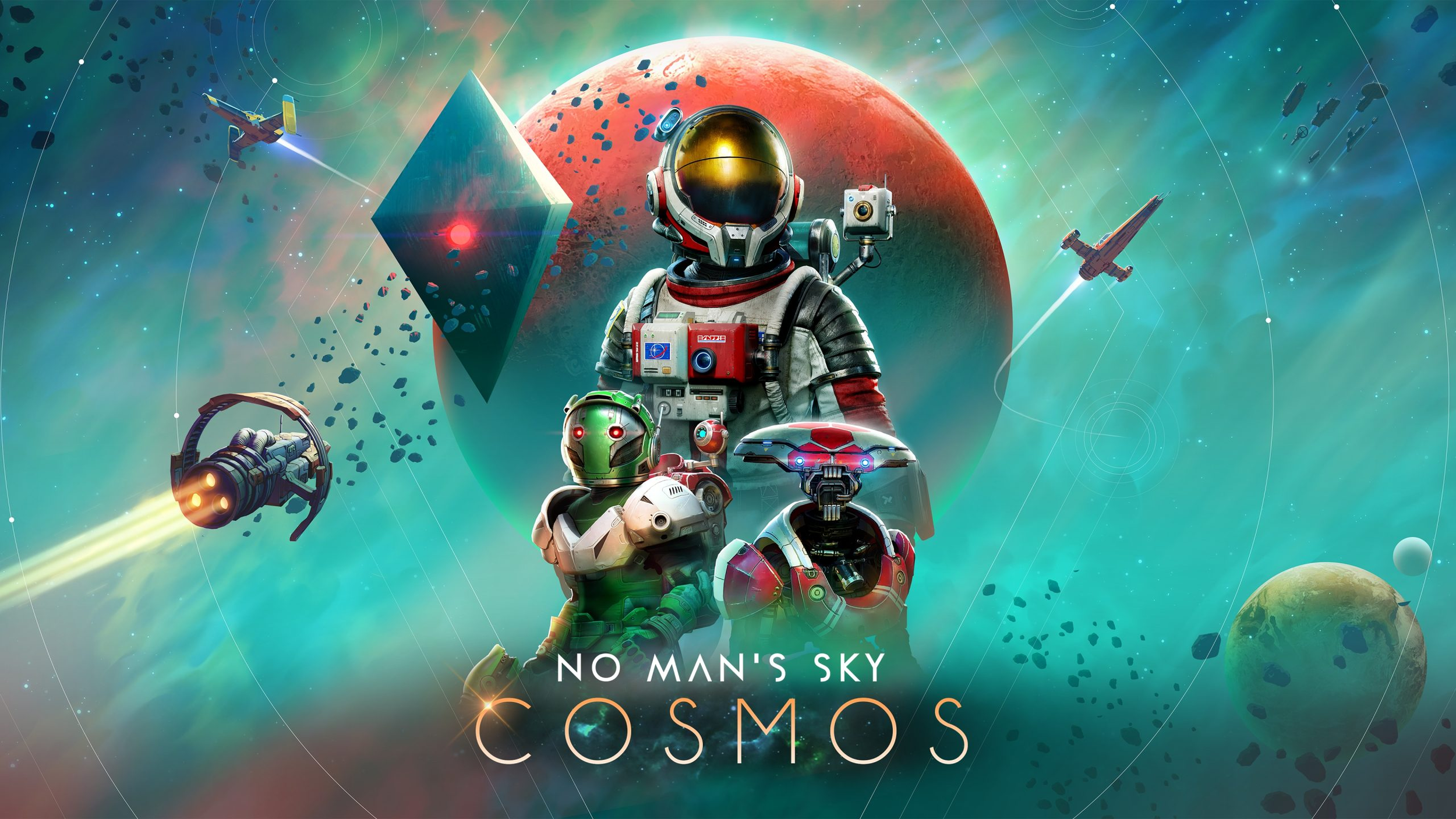
10 years after No Man’s Sky first launched, Hello Games is returning to one of the few areas that has remained surprisingly close to its original design. Update 7.0, Cosmos, is now available as a free expansion and delivers a major overhaul of space itself, introducing player controlled space stations, orbital construction, galactic alliances, new deep space exploration, shipbreaking, expanded spacewalking and an anniversary Expedition covering the history of the game’s 40 major updates.
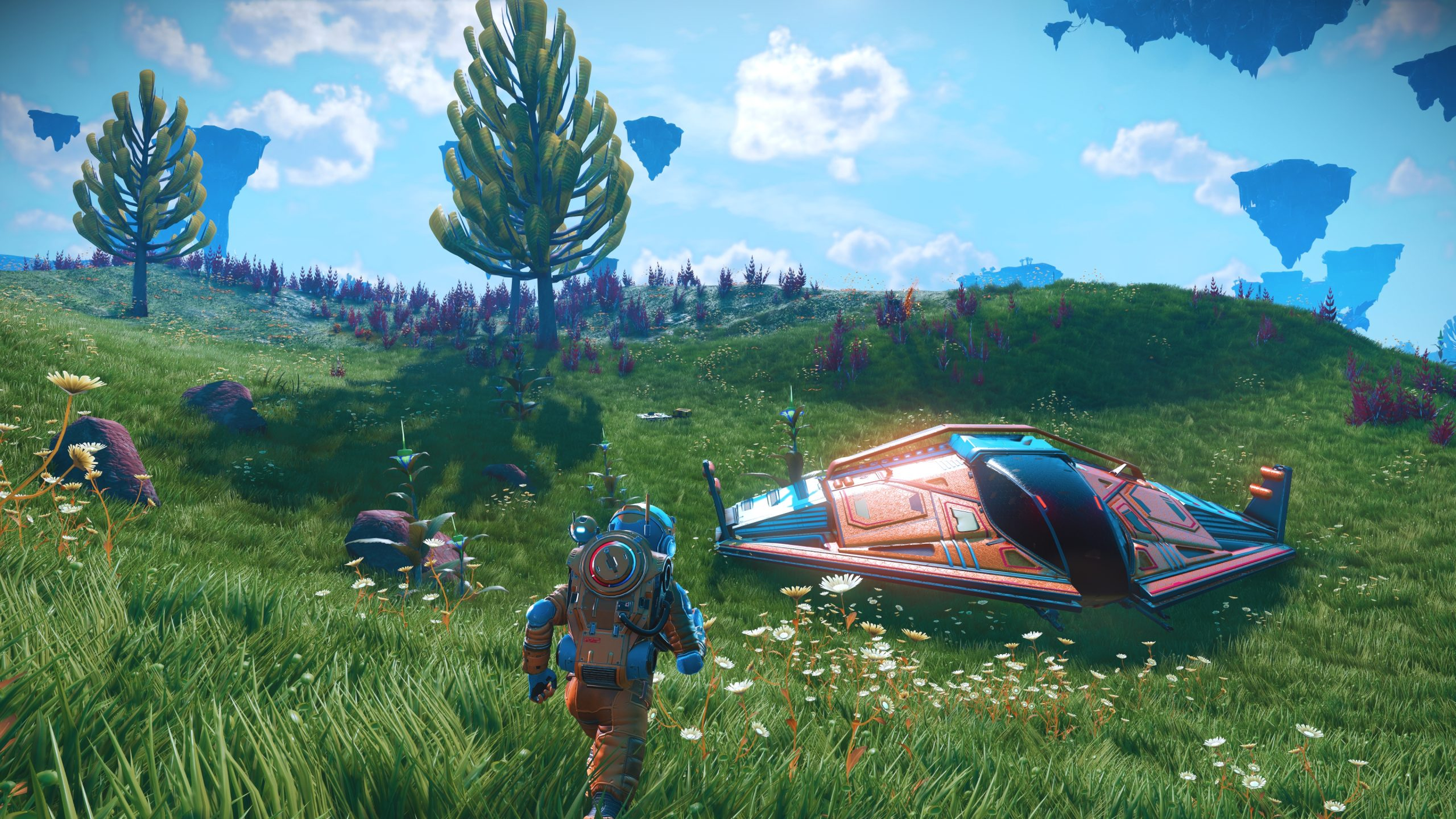
Hello Games says space has never received the same fundamental redesigns that planets and other systems have seen during the game’s decade of updates. Cosmos changes that by making star systems significantly more interactive. A new star system map displays planets, stations, unidentified signals and permanent points of interest including asteroid belts, inhabited outposts, infested facilities, debris fields and enormous derelict hulks. Players can even travel directly toward the star at the center of a system, although getting too close is unsurprisingly lethal.
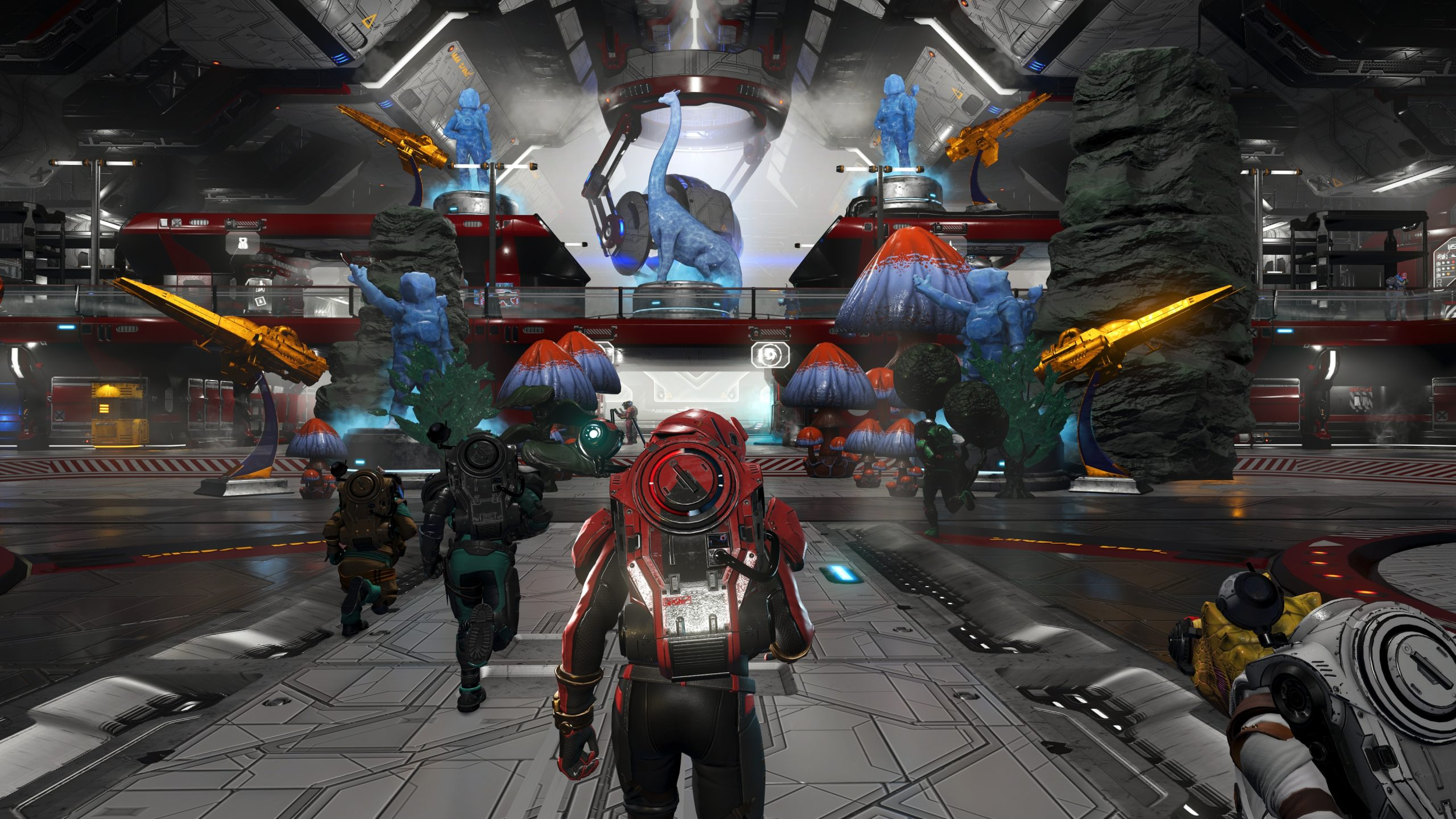
One of the update’s biggest additions allows players to become the director of a space station after proving themselves to local authorities. Directors can redesign the central hub, modify existing decorations, expand stations with additional rooms and customize their exterior using massive new construction pieces. Cosmos also expands building beyond conventional planets by allowing players to establish orbital bases directly in open space or construct settlements around natural asteroid platforms.
Station ownership connects directly with another major new system, Galactic Alliances. Directors can establish their own alliance, create a name and banner, invite other Travellers and build a network around controlled stations. Players can belong to as many as 3 alliances, quickly travel between alliance systems and compete through leaderboards that measure community size, activity and expansion across the galaxy.
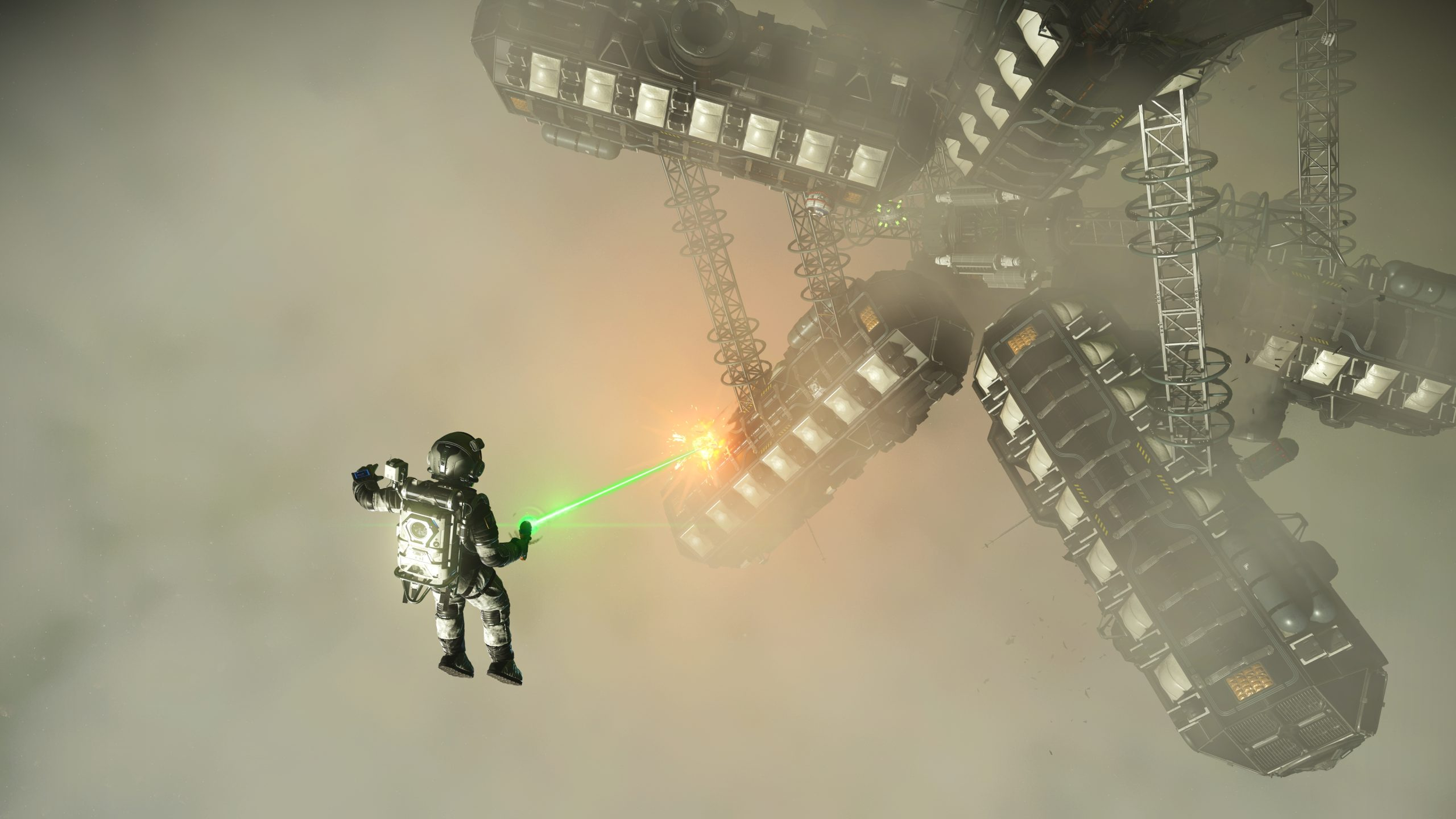
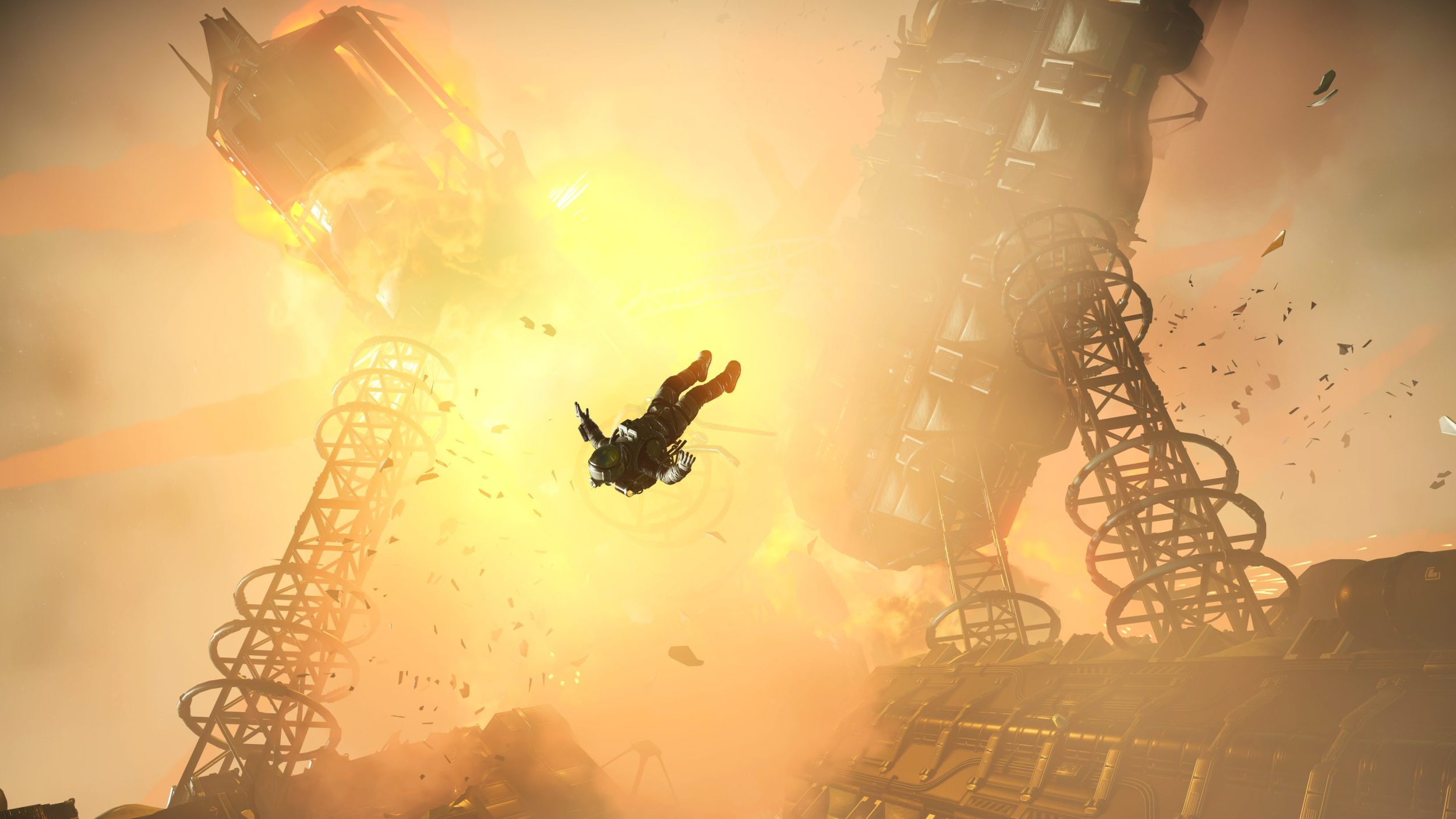
Deep space exploration has also become considerably more physical. Giant abandoned hulks can now be entered through spacewalks and stripped for valuable equipment and cargo, but removing too much material can damage structural integrity and trigger a catastrophic meltdown. Corvette ships gain access to a Tractor Beam capable of collecting physical salvage, while the Gravitino Coil can manipulate objects during recovery operations. Spacewalking itself has been expanded with true 6 degrees of freedom movement, giving players far greater control outside their ships.
Cosmos arrives alongside Our Journey Continues, Expedition 23 and a direct celebration of No Man’s Sky’s 10 year history. Each milestone represents an important update or moment from the game’s development, accompanied by developer commentary read by Sean Murray. Anniversary rewards include framed artwork, a golden Rasamama S36, the Starbound v0.27 Multi Tool, an astronaut cockpit figure, a vintage Sentinel Interceptor and a diplodocus companion recreated from early footage of the game.
The update follows the 10 year anniversary celebration and original Cosmos teaser, when Hello Games confirmed that its work on No Man’s Sky would continue even as development progresses on Light No Fire. Cosmos now reveals the scale behind that teaser, effectively transforming space from the connective area between planets into another major layer of exploration, building and multiplayer progression.
The official No Man’s Sky Cosmos trailer provides a full look at space station ownership, orbital construction, alliances, salvage operations and the newly expanded environments.
Cosmos is available free for existing No Man’s Sky players across PC, PS4, PS5, Xbox One, Xbox Series X and S, Nintendo Switch, Nintendo Switch 2, Mac, PSVR, PSVR2, PC VR and Xbox Game Pass.
No Man’s Sky has spent 10 years proving that a game’s original boundaries do not have to remain permanent, and Cosmos may be one of the clearest examples yet. Planets, bases, ships and multiplayer have all gone through major transformations, but space itself was still largely somewhere players travelled through rather than somewhere they truly lived.
Player controlled stations, orbital cities, alliances and physical salvage finally give that enormous empty space a stronger gameplay purpose. The anniversary Expedition also feels appropriate because Cosmos is not simply celebrating what No Man’s Sky became. It demonstrates that Hello Games still sees systems worth rebuilding after 40 major updates and an entire decade of development.
After 10 years of No Man’s Sky, is Cosmos the space overhaul you have been waiting for, and would you rather build your own orbital base or take control of an entire space station?
