
AMD’s Lisa Su Reportedly Heads to South Korea to Lock In AI Memory Supply as Competition Tightens
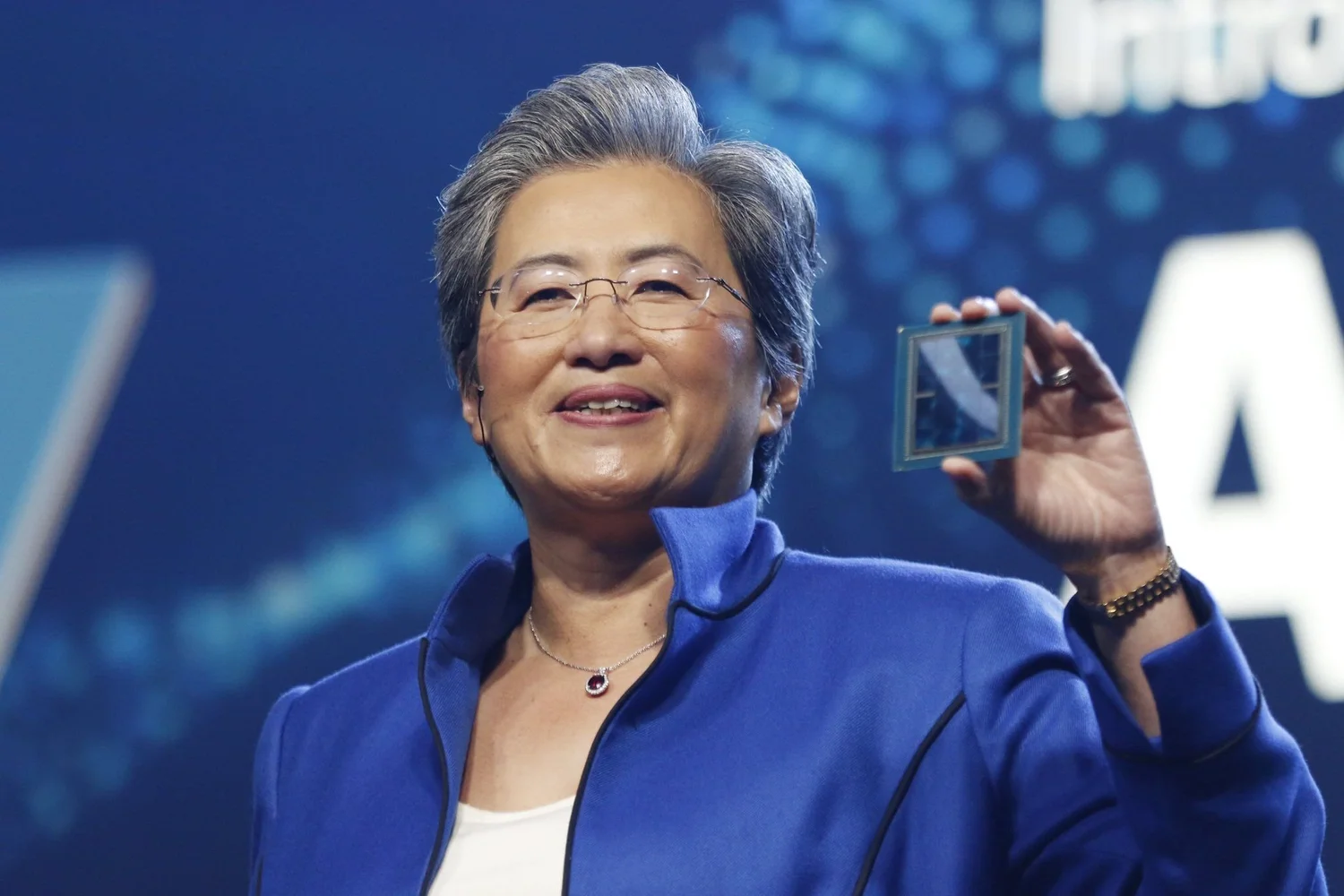
AMD CEO Lisa Su is reportedly set to visit South Korea on March 18, marking what local and international reports describe as her first trip to the country since becoming CEO in 2014. According to a report from Korea Media, Su is expected to meet key partners including Samsung Electronics Chairman Lee Jae yong and Naver CEO Choi Soo yeon, with data center cooperation and semiconductor supply expected to be central topics. Reuters separately reported that the visit is tied to the race to secure high bandwidth memory supply for AI infrastructure, reinforcing the view that this is not a routine executive stop, but a strategic supply chain move at a critical moment for the accelerator market.
The timing is especially significant because AMD is pushing harder into the AI market with its Instinct roadmap and broader data center ambitions, while the supply environment around advanced memory remains exceptionally tight. High bandwidth memory has become one of the most important chokepoints in the AI stack, and access to enough capacity can shape how aggressively a company can scale deployments, fulfill hyperscaler demand, and compete against NVIDIA in the next cycle of AI infrastructure rollouts. Reuters noted that the expected discussions center on securing HBM chips, which strongly suggests that memory allocation is now a boardroom level issue rather than just a procurement task.
Samsung stands out as a particularly important partner in this equation. AMD has already been linked to Samsung’s advanced memory business, and Samsung itself announced in February 2026 that it had begun mass production of commercial HBM4, positioning the company more aggressively in the next wave of AI memory supply. That matters because Samsung is no longer just a secondary player in the HBM conversation. It is becoming an increasingly meaningful supply option for large AI customers that need scale, speed, and diversification beyond a single source. In a market where everyone is fighting for the same critical components, relationship management at the executive level can directly influence long term capacity access.
This is also why the broader context around NVIDIA matters. Jensen Huang recently described scarcity as “fantastic” for NVIDIA, arguing that in constrained markets customers are pushed toward the best available option. That comment reflects a reality many in the industry already understand: supply constraints do not hit all companies equally. Firms with stronger supply chain leverage, tighter partner integration, and earlier capacity reservations gain a structural advantage. If Lisa Su is indeed making this Korea trip now, the move signals that AMD is approaching the same battlefield with greater urgency and a more hands on executive strategy.
There is also a second layer to this visit beyond memory. Recent reporting has pointed to deeper AMD and Samsung discussions around foundry cooperation, including possible 2nm production opportunities tied to future EPYC products. While those reports remain outside the confirmed agenda for this specific trip, they reinforce the idea that AMD’s Korea relationships are expanding beyond one product category. In practical terms, AMD appears to be strengthening multiple links in its supply chain at once, memory, foundry, and large scale AI ecosystem cooperation.
From a market perspective, this makes AMD’s expected visit one of the more important executive supply chain stories of the month. AI competition is no longer defined only by silicon design, software ecosystems, or benchmark positioning. It is also defined by who can secure enough memory, advanced packaging, and production capacity before the next demand wave hits. If NVIDIA has already shown how executive visibility can help reinforce supply chain dominance, AMD’s latest move suggests Lisa Su is not willing to let that advantage widen without a response.
For gamers and PC enthusiasts, the direct impact may not be immediate, but the long term signal is clear. As AI infrastructure demand continues to pull premium memory and semiconductor resources toward data centers, the rest of the market continues to feel the ripple effects through pricing pressure, supply prioritization, and product segmentation. That makes every executive level supply deal more relevant than it may first appear.
What do you think, is AMD making the right move by taking memory negotiations directly to the executive level, or has NVIDIA already built too strong an advantage in the AI supply chain race?
