
AMD Sound Wave Arm APUs Could Power Cheaper Microsoft Surface Laptops in 2027
AMD is reportedly preparing its return to Arm based processors with a new APU codenamed Sound Wave, potentially bringing Radeon graphics and improved power efficiency to future Microsoft Surface laptops. The project could introduce another competitor to Qualcomm and NVIDIA in the expanding Windows on Arm market, while helping Microsoft develop more affordable devices to challenge Apple's MacBook Neo.
According to an October 20 report from DigiTimes, Microsoft and several notebook manufacturers are reassessing their product strategies as Apple's entry level MacBook gains traction and component costs continue rising. Microsoft is reportedly considering lower cost Surface configurations, with AMD's Sound Wave platform emerging as a potential processor option for future products.
Sound Wave originally surfaced in 2024 as a rumored 3 nm APU, with subsequent leaks suggesting an Arm based architecture rather than AMD's conventional x86 Zen cores. The processor later appeared in shipping manifest information shared by hardware leaker Olrak29, identifying a compact 32 × 27 mm package, BGA1074 interface, and FF5 platform.
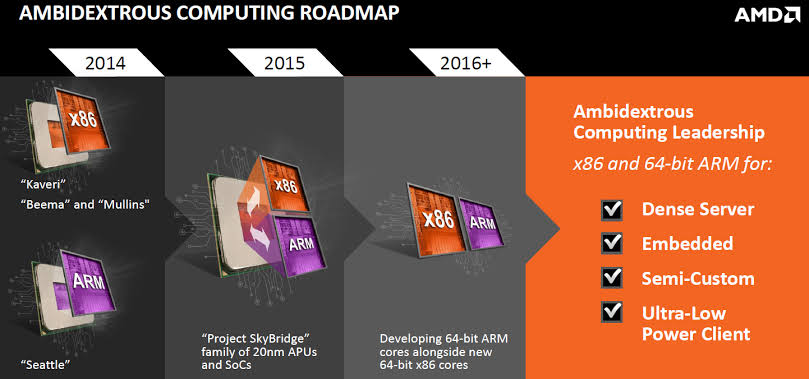
Additional reports suggest the chip could feature 6 Arm CPU cores arranged in a 2+4 configuration, combining 2 performance cores with 4 efficiency cores. Graphics would reportedly use AMD's RDNA 3.5 architecture with 4 compute units, alongside 16 MB of cache and an estimated power target between 5W and 10W. A dedicated AI acceleration engine has also been discussed, although its specifications remain unknown.
AMD Sound Wave Reported Specifications
| Feature | Reported Configuration |
|---|---|
| Architecture | Arm based CPU |
| CPU Configuration | 6 cores, 2 performance and 4 efficiency |
| Integrated Graphics | AMD RDNA 3.5 |
| GPU Compute Units | 4 |
| Cache | 16 MB |
| Manufacturing Process | TSMC 3 nm, rumored |
| Power Target | 5 W to 10 W |
| Package | BGA1074, 32 × 27 mm |
| Target Platform | Windows on Arm, potentially Microsoft Surface |
| Potential Launch | 2027, speculative |
These specifications come from leaks and industry reporting. AMD has not announced Sound Wave or confirmed its architecture, performance, manufacturing process, or availability.
The rumored configuration suggests AMD would prioritize efficiency and manufacturing costs rather than high end gaming performance. An RDNA 3.5 GPU with only 4 compute units would likely target everyday graphics workloads, multimedia, and lightweight gaming instead of competing with the company's more powerful Radeon integrated graphics solutions.
The processor was previously associated with Microsoft's 2026 Surface lineup, but those plans have apparently shifted. Microsoft's latest Surface Laptop and Surface Pro models use Qualcomm's Snapdragon X2 Plus, while its premium Surface Laptop Ultra adopts NVIDIA's RTX Spark platform. This creates the possibility of AMD joining Microsoft's Arm ecosystem at a more affordable price point.
Pricing could become Sound Wave's most important advantage. Apple's MacBook Neo launched at $599, placing additional pressure on premium Windows notebook manufacturers. Microsoft's current Surface Laptop 13 starts at $1,199, leaving considerable room for a more affordable model. Industry speculation suggests an AMD powered Surface could target prices below $999, although competing directly with Apple's $599 entry point would require further cost reductions.
AMD would also face competition from Qualcomm's Snapdragon C platform, which is targeting Windows laptops starting around $300. Meanwhile, NVIDIA is pursuing the performance oriented segment through RTX Spark, combining Arm processors with Blackwell graphics.
A possible Sound Wave announcement during CES 2027 has been suggested, but no official launch schedule exists. Its development status, final specifications, and commercial partnership with Microsoft remain unconfirmed.
AMD entering the Windows on Arm market could have significant implications for the notebook industry, particularly if the company brings its Radeon graphics expertise to affordable, power efficient processors.
The rumored Sound Wave specifications suggest a different strategy from AMD's current Ryzen AI lineup. Rather than competing through maximum CPU performance or a large integrated GPU, the company could focus on thin, lightweight devices with low power consumption and competitive pricing.
However, an Arm processor does not automatically deliver better efficiency than x86 hardware. Actual performance depends on the CPU architecture, manufacturing process, operating system optimization, and software support.
For gamers, compatibility will be especially important. AMD's Radeon graphics experience could help with Windows graphics drivers, but translating x86 games to Arm introduces additional challenges, particularly for games using low level anti cheat systems.
The bigger opportunity is providing Microsoft with more processor choices. Qualcomm already serves mainstream Surface devices, while NVIDIA targets premium AI and creator systems. AMD could potentially occupy the affordable segment, although its success would depend on delivering competitive battery life, reliable software compatibility, and a genuinely attractive retail price.
Would you consider buying a Microsoft Surface laptop powered by an AMD Arm processor for under $999, or would you prefer a traditional Ryzen x86 laptop for better software and gaming compatibility?
