
Amazon's $220 Billion AI Spending Pushes Free Cash Flow Negative as NVIDIA GPUs Wait for Power
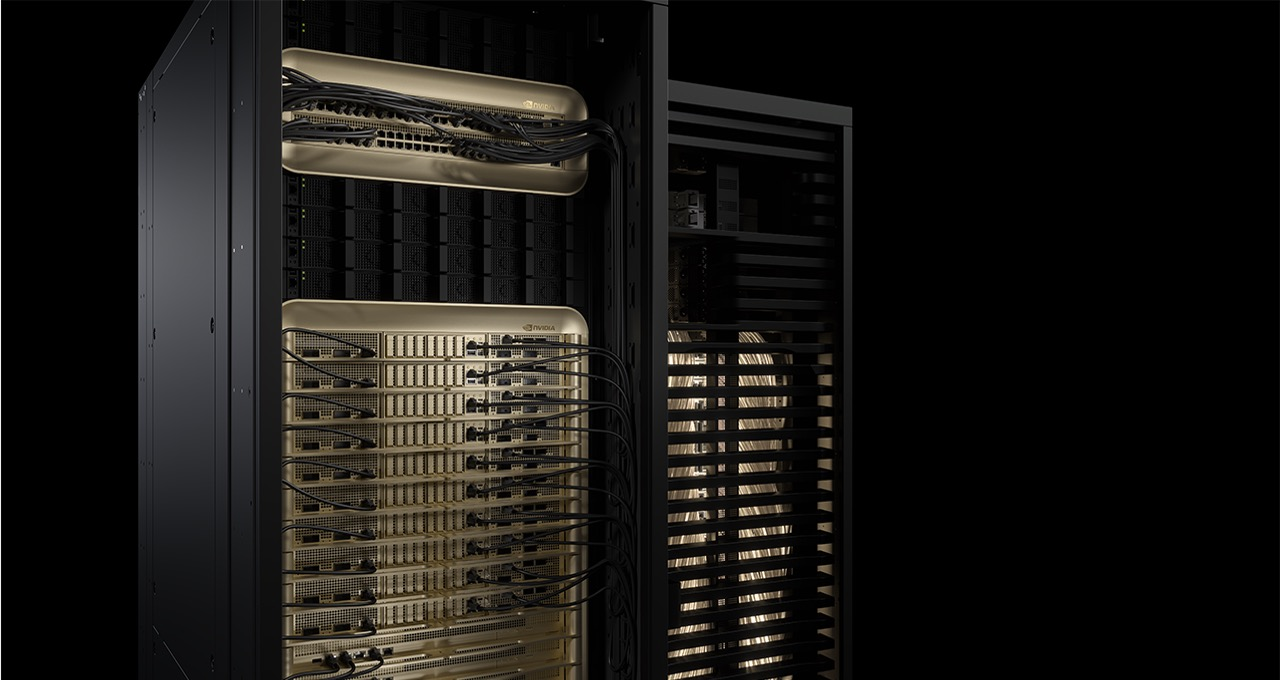
Amazon's aggressive expansion into artificial intelligence infrastructure is putting increasing pressure on its finances, with free cash flow turning negative as billions of dollars in NVIDIA AI hardware await deployment. According to internal documents reviewed by Business Insider, Amazon is accelerating purchases of NVIDIA GB300 server racks even though some AWS data centers lack sufficient electrical capacity to operate them.
The report reveals that Amazon introduced an Early Rack Receipt program to secure AI hardware before its data centers are fully operational. Internal emails from August 2026 projected approximately $5 billion in NVIDIA GB300 rack deliveries during that month, followed by another $3 billion monthly. These figures represent internal delivery expectations rather than independently confirmed completed purchases. Under the arrangement, Amazon takes ownership of certain systems earlier in the supply chain, tying up capital before the equipment can generate revenue.
The challenge is not simply obtaining GPUs. Some AWS facilities reportedly have enough physical space for additional server racks but lack sufficient electricity to power them, forcing completed systems into temporary storage. These inactive accelerators are sometimes described as dark GPUs, highlighting a growing infrastructure problem in which computing hardware arrives faster than the necessary power, cooling, and electrical infrastructure.
Amazon's financial results demonstrate the scale of its investment. According to its official Q2 2026 earnings report, the company's trailing 12 month free cash flow declined from positive $18.2 billion in June 2025 to negative $7.6 billion in June 2026. Operating cash flow nevertheless increased 33% to $161.4 billion, indicating that the deterioration was primarily driven by capital expenditure rather than a decline in operating profitability.
Amazon's AI Infrastructure Financial Overview
| Financial Metric | Reported Figure |
|---|---|
| 2026 Capital Expenditure Forecast | $220 billion |
| Free Cash Flow, Trailing 12 Months to Q2 2025 | Positive $18.2 billion |
| Free Cash Flow, Trailing 12 Months to Q2 2026 | Negative $7.6 billion |
| Operating Cash Flow, Trailing 12 Months | $161.4 billion |
| AWS Q2 2026 Revenue | $42.2 billion |
| AWS Annual Revenue Growth | 37% |
| AWS Contract Backlog | $496 billion |
| Expected GB300 Deliveries in August | Approximately $5 billion |
| Subsequent Monthly GB300 Delivery Projections | Approximately $3 billion |
Financial results are confirmed by Amazon. Capital spending guidance and GB300 delivery projections reflect company reporting and internal estimates described by Business Insider.
Amazon increased its 2026 capital expenditure forecast from $200 billion to $220 billion, with AI infrastructure accounting for a substantial portion of the expansion. However, the total also includes other technology and business investments. During an internal September meeting, AWS infrastructure executive Prasad Kalyanaraman reportedly acknowledged that the company's AI business was consuming significant cash and indicated that negative free cash flow could persist for another 2 years. That outlook is an executive assessment rather than formal financial guidance.
Despite the financial pressure, Amazon continues experiencing substantial demand for cloud computing. AWS revenue increased 37% to $42.2 billion during Q2 2026, while its contracted backlog reached $496 billion. The company is also preparing to expand its NVIDIA GPU deployment beyond 3 million accelerators, reinforcing the scale of its long term infrastructure commitments.
Amazon maintains that staging completed hardware near deployment locations is an established operational practice and disputes suggestions that its overall infrastructure planning lacks coordination. Nevertheless, the growing mismatch between hardware availability and electrical infrastructure introduces significant financial challenges. The company must secure expensive accelerators while managing construction delays, utility approvals, and uncertain deployment schedules.
Amazon's situation demonstrates that the AI infrastructure race is no longer determined exclusively by access to the fastest GPUs. The ability to deploy, power, and monetize those accelerators is becoming equally important.
Buying NVIDIA GB300 systems before data centers are ready can protect Amazon against hardware shortages, but it also introduces additional financial exposure. Every delayed installation represents expensive computing capacity that cannot yet generate cloud revenue.
The distinction between negative free cash flow and an unprofitable business is important. AWS continues growing rapidly, and Amazon generates substantial operating cash flow. The concern is whether future AI revenue can justify the unprecedented pace of infrastructure investment.
As AI racks become increasingly power intensive, the industry must address electrical distribution, grid connectivity, and cooling alongside semiconductor supply. Even major cloud providers cannot fully benefit from their hardware investments until the supporting infrastructure is operational.
Is Amazon making the right decision by purchasing NVIDIA GPUs ahead of available power capacity, or could spending billions on hardware that cannot immediately operate become one of the biggest financial risks in the AI industry?
