
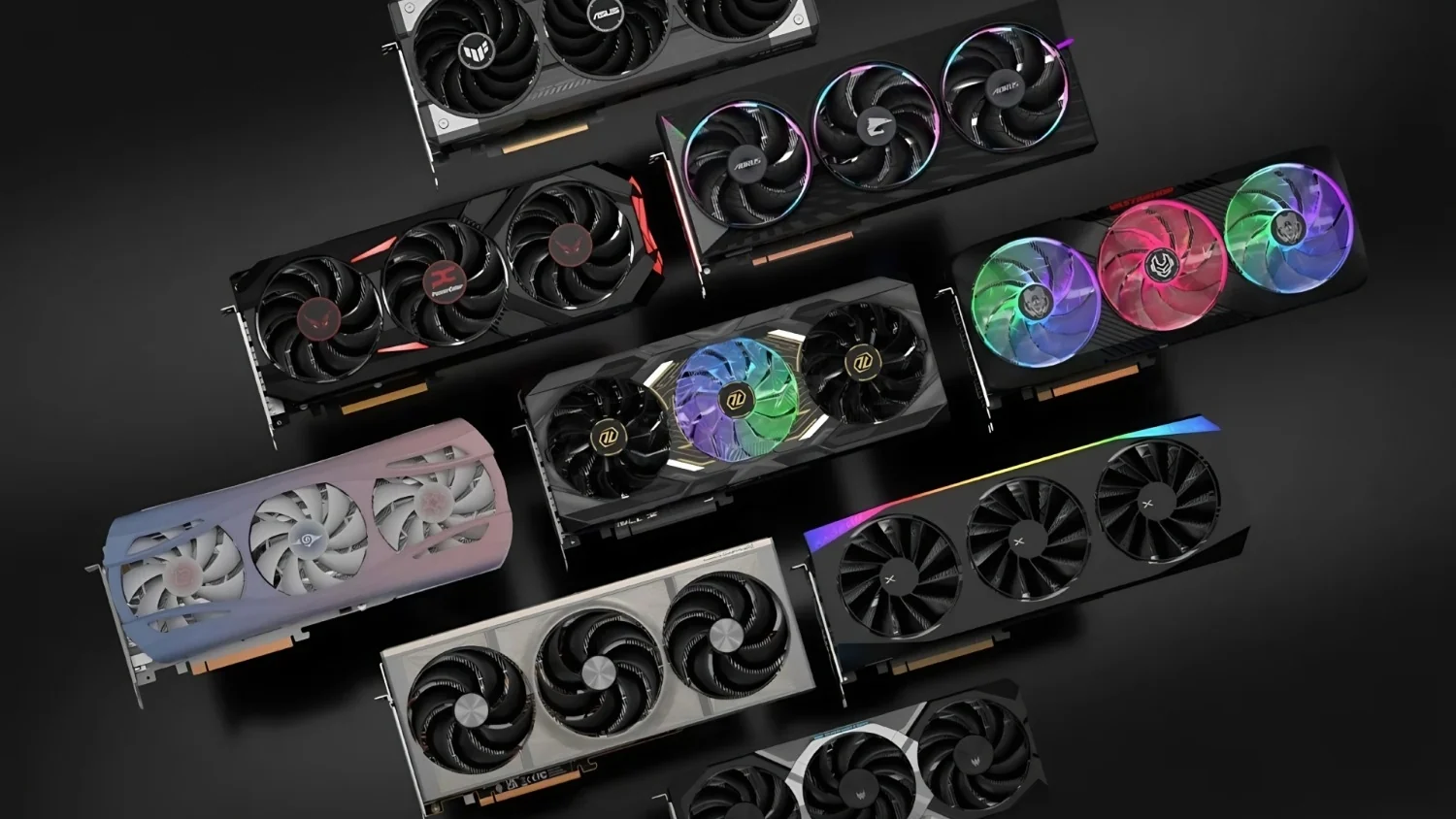
AMD is reportedly preparing another price increase for its Radeon graphics cards in November 2026, as rising GDDR6 memory costs continue putting pressure on GPU manufacturers. According to a supply chain report shared through ChannelGate, AMD is considering another adjustment to the GPU and memory bundles supplied to its board partners, following a similar increase implemented in October. The move could affect Radeon RX 9000 series graphics cards, potentially pushing retail prices higher during the upcoming holiday shopping season.
The report indicates that GDDR6 memory prices increased approximately 8% to 10% during Q3 2026, forcing AMD to reassess its component pricing. Unlike direct retail adjustments, these increases apply to the GPU and memory packages supplied to manufacturers such as ASUS, Sapphire, PowerColor, Gigabyte, and XFX, which subsequently assemble and distribute finished graphics cards. Consequently, consumers may not immediately experience higher prices, as existing inventory and manufacturer pricing strategies can delay the impact. AMD has not officially confirmed the November adjustment or disclosed its potential percentage.
The situation follows earlier reports of Radeon bundle price increases, with graphics card prices continuing to climb throughout 2026. According to a recent Hardware Unboxed global pricing analysis, average GPU retail prices increased approximately 35% over the past 3 months across 10 surveyed countries. During October alone, the Radeon RX 9060 XT 16GB experienced an average 17% increase, while the RX 9070 and RX 9070 XT both rose approximately 12%.
Radeon RX 9000 Pricing Overview
| Graphics Card | Launch Price | October Retail Increase |
|---|---|---|
| Radeon RX 9070 XT 16GB | $599 | +12% |
| Radeon RX 9070 16GB | $549 | +12% |
| Radeon RX 9060 XT 16GB | $349 | +17% |
| Radeon RX 9060 XT 8GB | $299 | Not separately reported |
Launch prices represent AMD's original US suggested prices, while October increases reflect average changes across surveyed international markets rather than direct increases over MSRP.
The broader memory shortage remains a significant concern. According to TrendForce, manufacturers are gradually reducing GDDR6 production while prioritizing higher value memory products for AI infrastructure and enterprise applications. This shift continues restricting graphics memory availability, potentially affecting both AMD Radeon and NVIDIA GeForce products. With production capacity remaining limited, graphics card manufacturers could face additional cost pressure heading into 2027.
AMD has traditionally competed against NVIDIA by offering attractive gaming performance and competitive memory capacities at lower prices. However, continued GDDR6 cost increases threaten that advantage, especially across the Radeon RX 9060 XT and RX 9070 families. The concern is not simply another potential price increase, but how shrinking affordability could affect the entire PC gaming market. With NVIDIA facing similar supply challenges, consumers may have fewer competitively priced alternatives. Ultimately, Radeon availability and manufacturer margins will determine how much of the additional cost reaches gamers.
Are rising GPU prices making PC gaming upgrades increasingly difficult to justify, or would you still consider buying a Radeon graphics card before prices climb further?
