
AMD EPYC Verano Revealed With Up to 192 Zen 6 Cores and LPDDR5X Memory

AMD has officially showcased its next generation EPYC Verano server processor during the 2026 Open Compute Project Global Summit, revealing a new Zen 6 CPU designed specifically for agentic AI infrastructure. Presented by AMD CEO Dr. Lisa Su, Verano introduces up to 192 CPU cores, LPDDR5X memory support, and a redesigned chiplet architecture optimized for high density AI systems. The processor is scheduled to arrive in 2027.
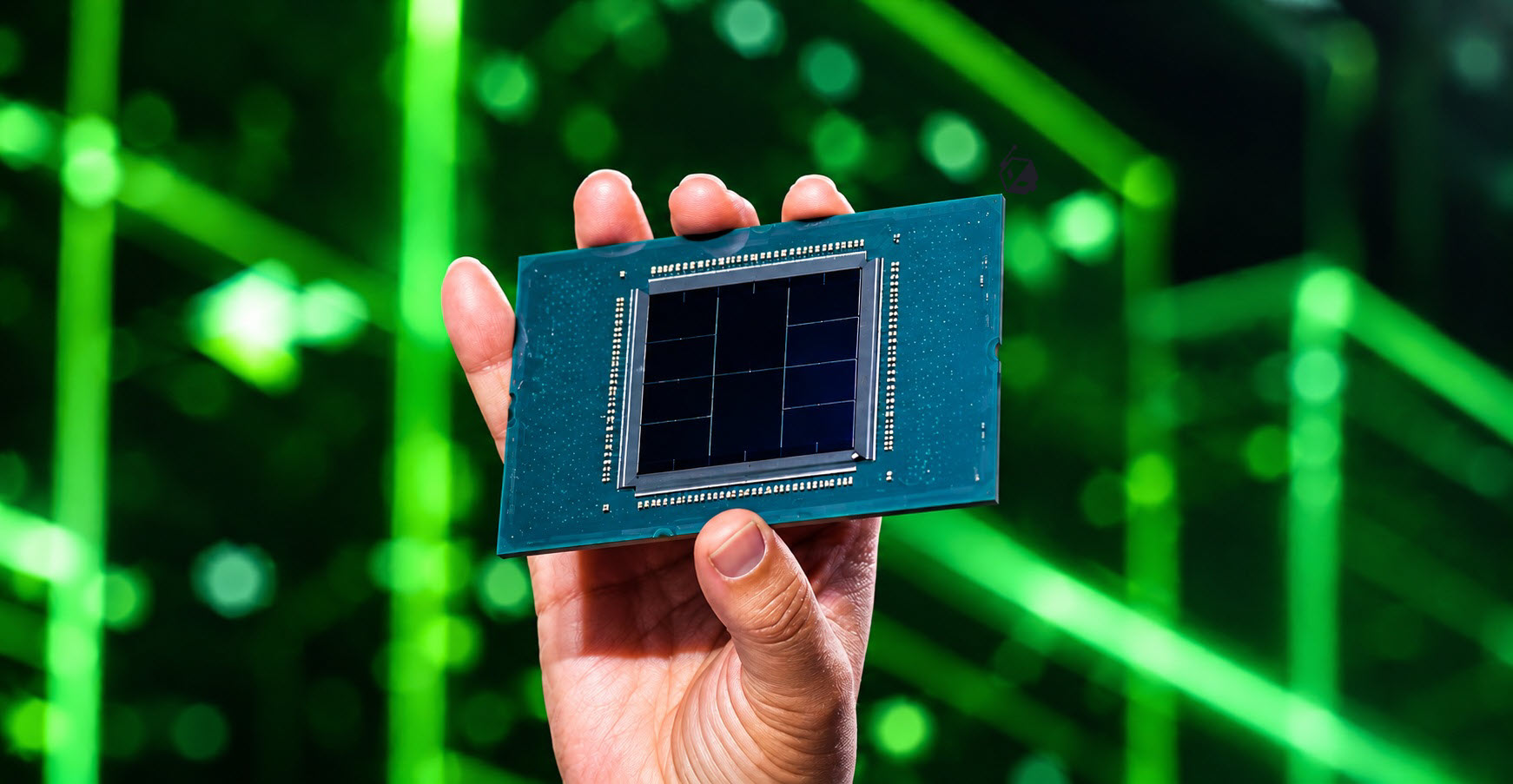
During the official AMD presentation, Lisa Su displayed the physical Verano processor, providing an early look at its internal configuration. The highest core count version features 6 Zen 6c Compute Complex Dies (CCDs), each containing 32 cores, delivering 192 cores within a single processor package. The design also incorporates 2 large I/O dies and additional memory controller components to support its new memory architecture. Verano belongs to the 6th Gen EPYC 9006 family, with an emphasis on energy efficiency and GPU host workloads rather than simply maximizing general purpose CPU performance.
One of Verano's most important developments is support for LPDDR5X memory through SOCAMM2 modules, marking AMD's first EPYC implementation of this memory technology. According to AMD's technical overview, SOCAMM2 combines the lower operating power and compact footprint of LPDDR5X with a removable memory format suitable for server maintenance. This approach allows manufacturers to increase memory density, improve airflow, and reduce power consumption in AI infrastructure without relying on permanently soldered memory.
AMD EPYC Venice vs Verano Specifications
| Specification | EPYC Venice | EPYC Verano |
|---|---|---|
| Architecture | Zen 6 / Zen 6c | Zen 6 / Zen 6c |
| Maximum CPU Cores | 256 | 192 |
| Processor Family | EPYC 9006 | EPYC 9006 LP |
| Memory Technology | DDR5 RDIMM / MRDIMM | LPDDR5X SOCAMM2 |
| Primary Focus | General computing, cloud and AI | AI GPU hosting and efficiency |
| Availability | 2026 | 2027 |
Verano is intended to operate alongside future AMD Instinct accelerators, including the upcoming MI500 generation, where CPUs are responsible for managing AI workloads, data movement, and system orchestration. Reports also indicate support for xGMI connectivity speeds of up to 112 Gbps, although final platform configurations and bandwidth specifications have not been fully detailed.
Unlike the EPYC Venice processors featuring up to 256 Zen 6 cores, Verano prioritizes memory power efficiency and processor connectivity for accelerated computing environments. Its introduction also complements AMD's recently announced Helion architecture with up to 32,768 EPYC cores, demonstrating how the company is developing separate CPU platforms for increasingly specialized AI workloads.
AMD has confirmed that Verano will become available in 2027, with reports indicating a launch during the first half of the year. Final processor frequencies, power consumption, memory capacities, and pricing have not been announced.
Verano highlights an important shift in AMD's data center strategy. Rather than focusing exclusively on increasing CPU core counts, AMD is optimizing its processors for the energy and memory requirements of large AI deployments.
The introduction of LPDDR5X SOCAMM2 is particularly significant. Memory power consumption becomes a substantial operational expense when thousands of processors operate continuously, and reducing that requirement could improve overall rack efficiency. However, SOCAMM2 still faces challenges matching the mature reliability and error correction capabilities of conventional server RDIMMs.
Although Verano offers fewer cores than the flagship Venice configuration, its specialized architecture could prove more valuable in GPU accelerated systems where memory efficiency, connectivity, and total system power consumption matter more than maximum CPU density.
Could LPDDR5X SOCAMM2 eventually replace traditional DDR5 RDIMMs in AI servers, or will reliability and memory capacity keep conventional server memory dominant?
