
After Leaving Intel, Pat Gelsinger Secures United States Government Support as xLight Receives 150 Million Dollars
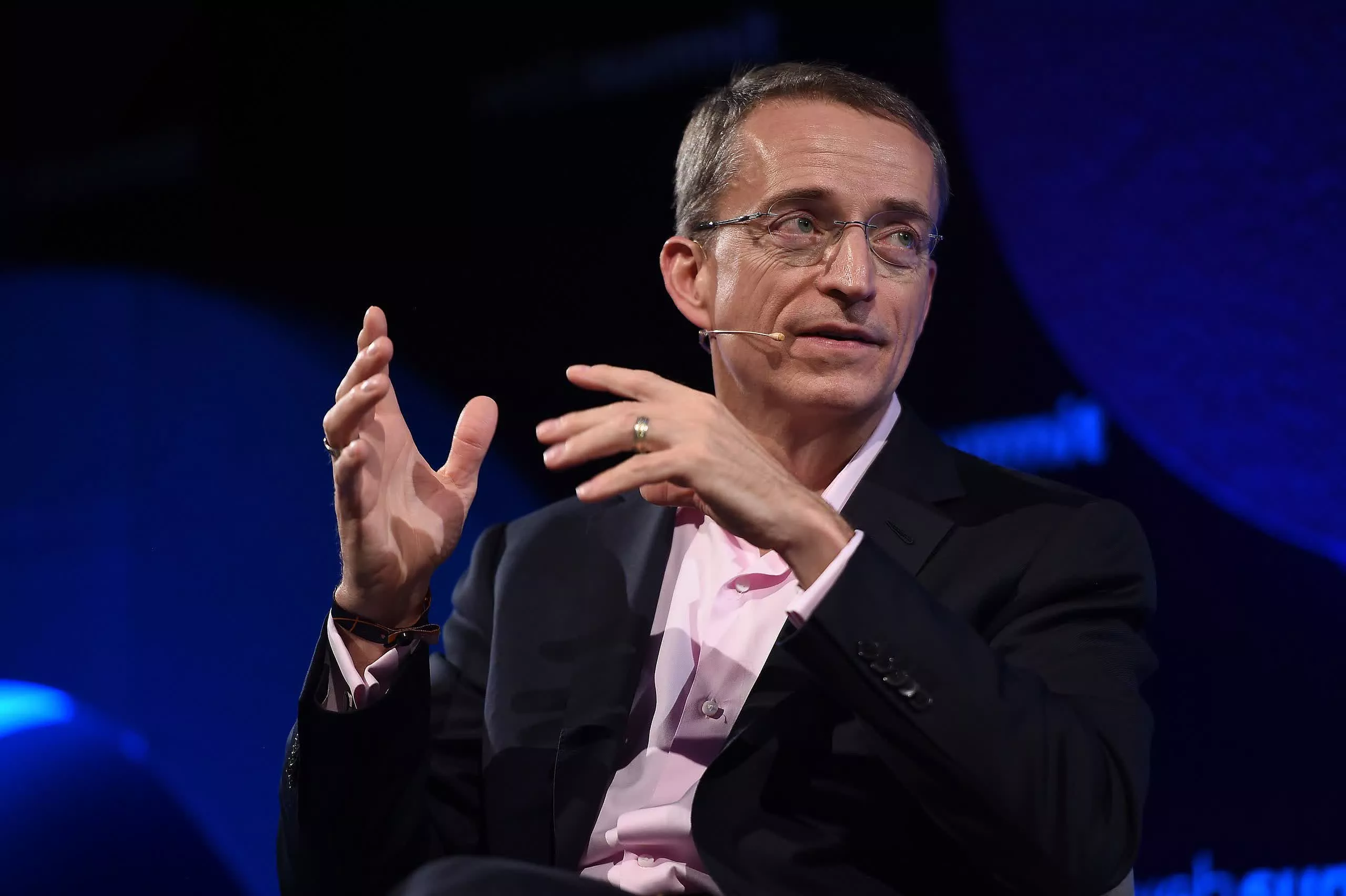
Former Intel Chief Executive Pat Gelsinger has made a swift return to the semiconductor landscape. A public announcement from the advanced lithography startup xLight confirms that the company has received substantial federal incentives that position it as a new participant in the effort to strengthen United States chip manufacturing. The support signals renewed governmental commitment to domestic semiconductor innovation and marks a meaningful new chapter for Gelsinger.
xLight has confirmed that it has secured a 150 million dollar letter of intent from the United States Department of Commerce under the CHIPS Act. The company aims to develop a new generation of extreme ultraviolet light sources based on free electron laser technology, setting the stage for what could become one of the most significant shifts in lithography innovation in decades.
For those unfamiliar with the company, xLight is focused on EUV lithography and intends to replace the traditional Laser Produced Plasma method with a solution based on particle accelerator technology. Instead of vaporizing tin droplets to generate EUV light, the xLight approach uses a high energy electron beam from a free electron laser to produce EUV photons more efficiently. The company claims that its method could significantly outperform conventional implementations, offering far greater energy efficiency and throughput potential.
The timing of xLight’s emergence is notable. United States interest in semiconductor independence has escalated sharply since the previous administration, shaping a national strategy centered on domestic manufacturing, technology leadership and reduced reliance on foreign supply chains. Significant investments have been made to attract major fabrication projects from industry leaders such as TSMC, and federal funding has flowed to companies like Intel to reinforce United States technology capabilities. Against this backdrop, xLight represents one of the very few United States based startups entering the highly specialized field of next generation lithography.
Pat Gelsinger, who now serves as Executive Chairman of the Board at xLight, emphasized the significance of the initiative.
“Reviving Moore’s Law and restoring American leadership in light is a once in a generation opportunity. With support from the federal government, xLight will turn this opportunity into reality. Building an energy efficient EUV laser with tenfold improvements over today’s technology will drive the next era of Moore’s Law, accelerate fab productivity and create a critical domestic capability.”
The global lithography sector is dominated by a very small number of organizations, which makes any new entry into the field a rare and impactful development. Another example is the startup Substrate, which claims to use shorter wavelength X rays for patterning and has received backing from the Founders Fund, co founded by Peter Thiel. xLight, however, is taking the free electron laser route and is collaborating with partners at the Albany Nanotech Complex to advance its research and development efforts.
Despite the optimism behind xLight’s ambitions, challenges remain. Even if the company succeeds in developing viable FEL based EUV sources, these sources must still be integrated into ASML’s existing lithography platforms. This integration would involve significant cost and could encounter resistance from ASML, which may be reluctant to modify or adapt its production systems for an unproven technology. Furthermore, while free electron lasers have shown exceptional performance in research environments, their scalability for high volume chip manufacturing is still largely untested.
The lithography segment continues to be one of the most critical bottlenecks in the United States semiconductor supply chain. Domestic manufacturing relies heavily on ASML’s tools, making technological diversification especially important. Companies like xLight and Substrate bring bold ideas to the table and reflect a growing urgency to innovate within the United States. Whether these young firms can produce the breakthroughs needed to reshape the EUV ecosystem remains to be seen, but the level of federal interest suggests that the United States is ready to back promising alternatives.
Do you believe free electron laser technology has the potential to redefine the next chapter of EUV lithography, or will traditional methods continue to lead the industry
