
Acer Predator Atlas 7 Brings Arc G3 Extreme Gaming Into a Smaller 7 Inch Handheld
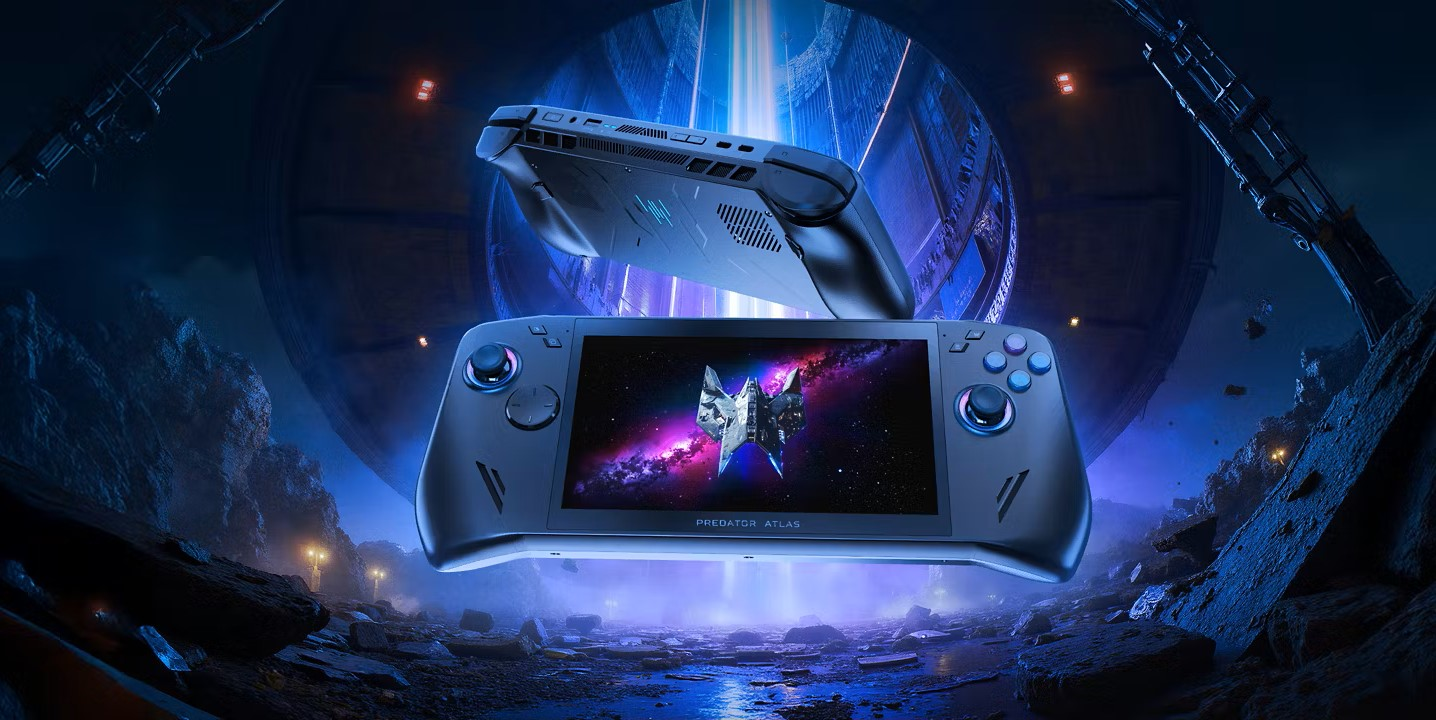
Acer is expanding its Predator handheld lineup with the new Predator Atlas 7, a more compact alternative to the larger Atlas 8 that retains Intel’s latest Arc G3 gaming platform. Announced during IFA 2026, the Atlas 7 targets players who want flagship handheld performance in a smaller chassis, with configurations reaching the Intel Arc G3 Extreme processor and Arc B390 graphics.
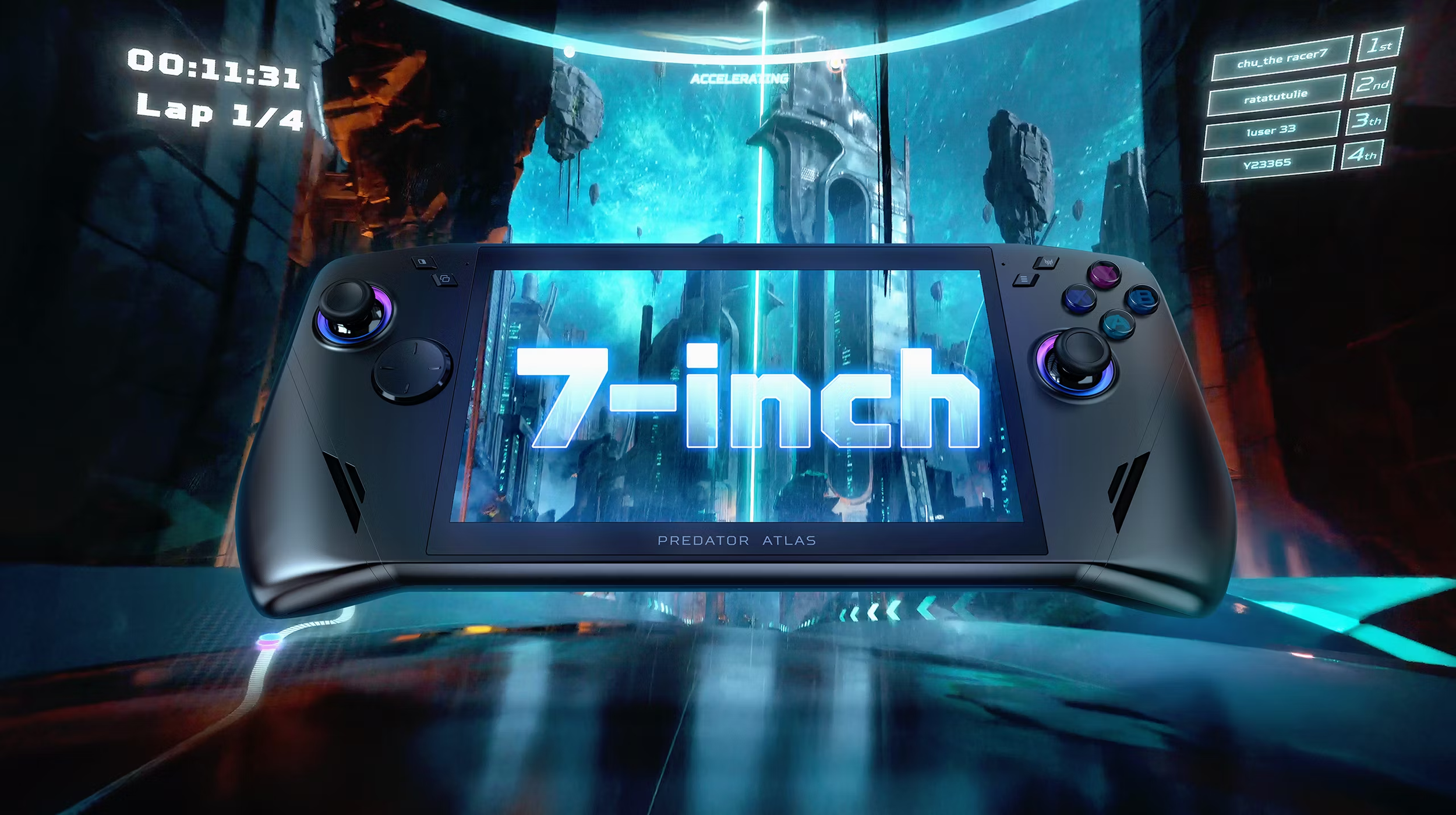
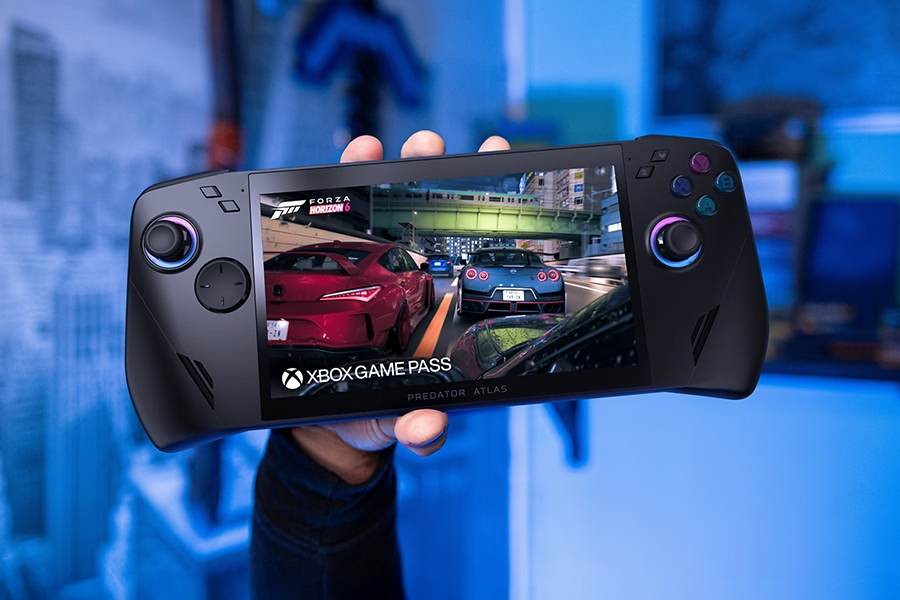
The Atlas 7 follows the Predator Atlas 8 that Acer introduced earlier this year, but replaces its 8 inch 1920 x 1200 panel with a 7 inch FHD 1920 x 1080 touchscreen. The display still runs at 120 Hz with VRR, reaches 500 nits of peak brightness, covers 100% sRGB, and uses Gorilla Glass Victus with Acer’s DXC surface treatment to reduce reflections.
| Specification | Predator Atlas 7 | Predator Atlas 8 |
|---|---|---|
| Display | 7 inch IPS level | 8 inch IPS level |
| Resolution | 1920 x 1080 | 1920 x 1200 |
| Aspect Ratio | 16:9 | 16:10 |
| Refresh Rate | 120 Hz with VRR | 120 Hz with VRR |
| Brightness | 500 nits | 500 nits |
| Processor | Up to Intel Arc G3 Extreme | Up to Intel Arc G3 Extreme |
| Graphics | Up to Intel Arc B390 | Up to Intel Arc B390 |
| Memory | Up to 24 GB LPDDR5X 7467 MT/s | Up to 32 GB LPDDR5X |
| Storage | Up to 1 TB PCIe Gen 4 NVMe | Up to 1 TB PCIe Gen 4 NVMe |
| Battery | Up to 80 Wh | Up to 80 Wh |
| Cooling | Dual fan with AeroBlade and Vortex Flow | Dual fan with AeroBlade and Vortex Flow |
| Joysticks | Carbon Film or TMR | TMR |
| Triggers | Hall effect analog | Hall effect with adjustable modes |
| Thunderbolt 4 | 2 ports | 2 ports |
| Wireless | Wi Fi 7, Bluetooth 5.4 | Wi Fi 7, Bluetooth 5.4 |
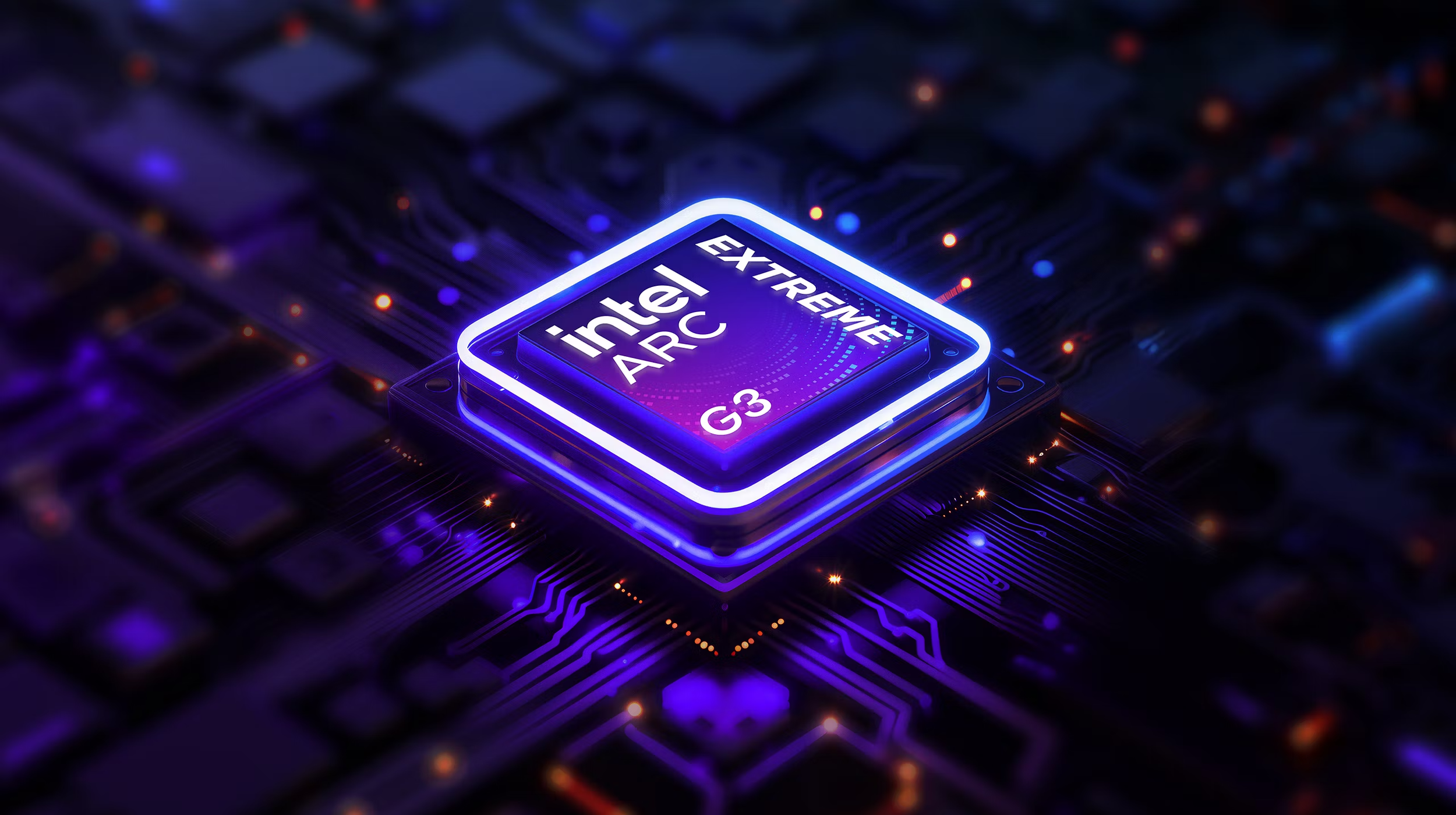
Memory capacity reaches 24 GB of LPDDR5X running at 7467 MT/s, paired with up to 1 TB of PCIe Gen 4 NVMe storage. That leaves the Atlas 8 with an advantage at the top end, as Acer has since listed configurations reaching 32 GB of memory on the larger handheld. Both systems can use the same Arc G3 Extreme and Arc B390 combination, meaning the smaller model is not necessarily giving up the core graphics platform simply to reduce its footprint. Acer also equips the Atlas 7 with XeSS 3 support, including AI based image scaling and multi frame generation for compatible games.
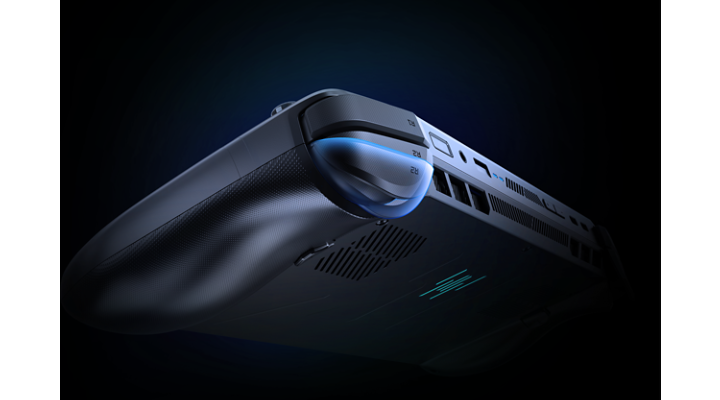
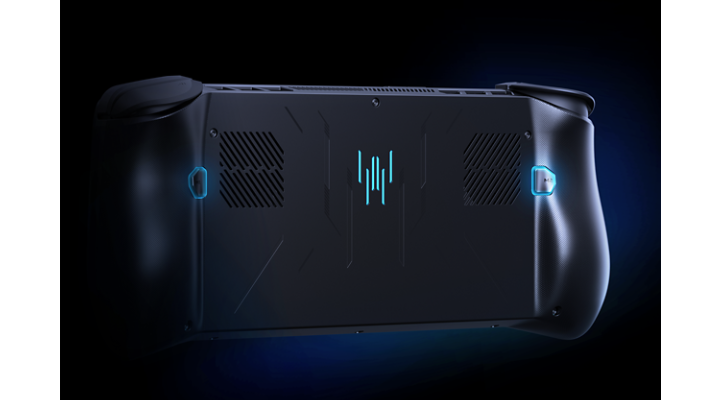
Cooling remains unusually substantial for a handheld this size. Acer uses 2 fans, including an 89 blade Predator AeroBlade metal fan with 0.1 mm blades alongside a conventional plastic fan. Vortex Flow channels are designed to move heated air through the chassis more efficiently, while Acer claims its metal fan can provide around 10% greater airflow compared with its plastic design. Battery capacity reaches 80 Wh on higher configurations, while 60 Wh versions will also exist depending on the model.
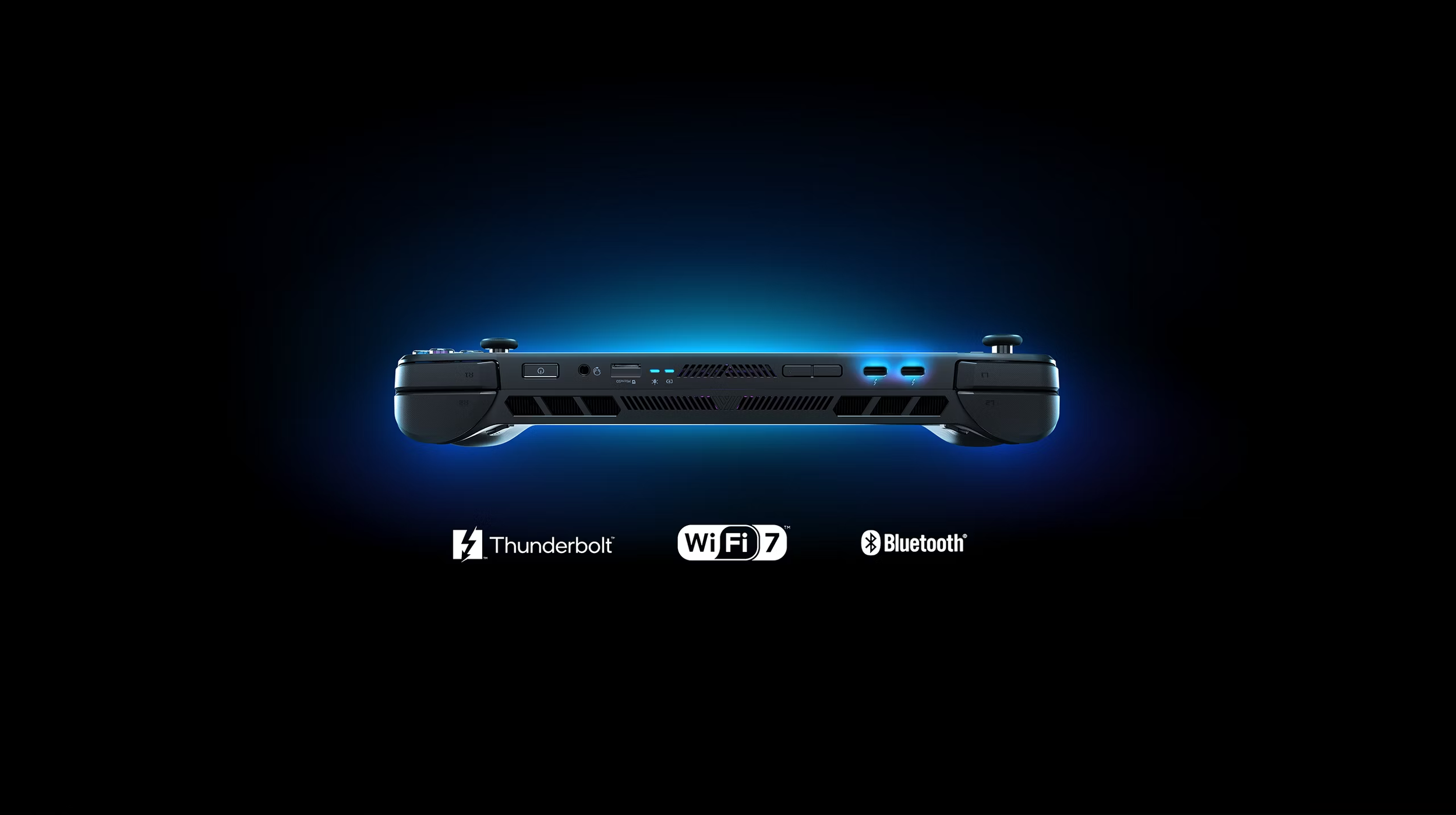
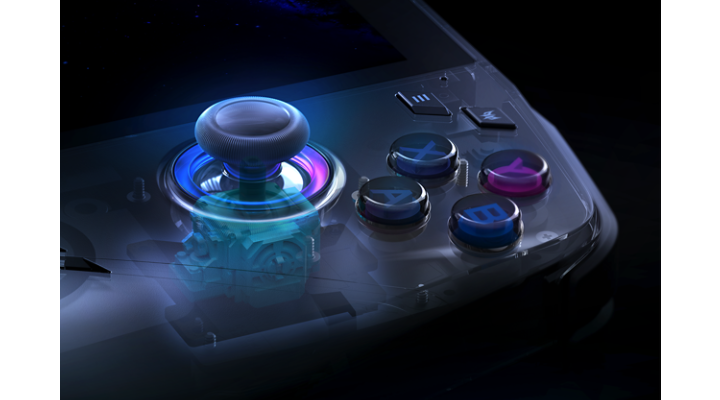
Acer is also offering TMR joysticks on selected configurations for improved precision and resistance to stick drift, alongside Hall effect analog triggers, rear macro buttons, a fingerprint reader integrated into the power button, 2 Thunderbolt 4 ports, UHS II microSD expansion, Intel Killer Wi Fi 7, and Bluetooth 5.4. PredatorSense provides access to system monitoring, performance modes, fan controls, gaming settings, and RGB customization.
The Predator Atlas 7 is scheduled to become available in North America during Q4 2026 and across EMEA starting in November 2026. Acer has not yet announced final pricing, which will be particularly important given that the larger Predator Atlas 8 has already appeared at premium UK pricing reaching £1,499.99 for its highest specification Arc G3 Extreme configuration.
The Atlas 7 may actually be the more interesting form factor for traditional handheld players. Acer is keeping the Arc G3 Extreme and Arc B390 platform available while reducing the display to a more conventional 7 inch 1080p format, which could offer a better balance between portability, rendering workload, and battery consumption. The biggest compromise is memory, particularly when compared with the 32 GB flagship Atlas 8, but 24 GB remains a much healthier target for modern PC gaming than the 16 GB configurations still found across parts of the handheld market.
Would you choose the more compact 7 inch Predator Atlas 7, or is the larger display and 32 GB memory option enough to push you toward the Atlas 8?
