
ZOTAC Introduces Hybrid PCIe x8 + x8 Interface for GeForce RTX 5060 Ti in Ultra Compact Magnus Mini PC
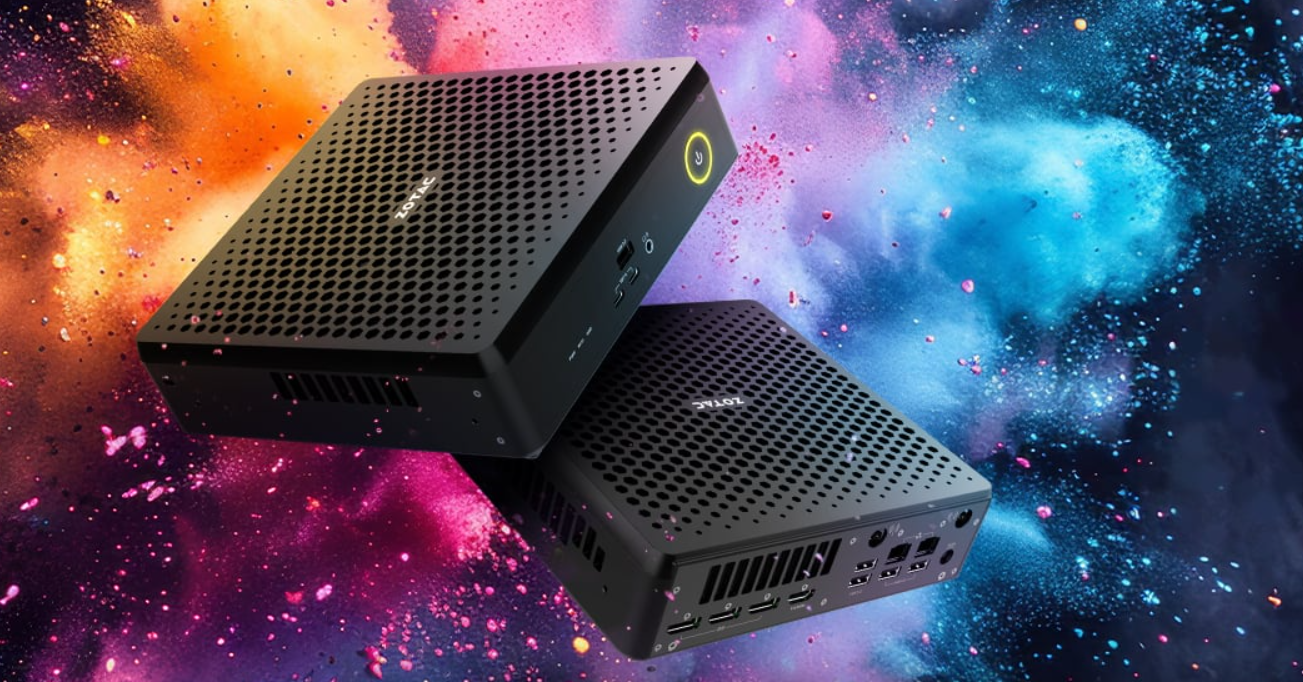
ZOTAC has engineered one of the most unconventional GPU integrations seen in recent years. Its new Magnus EN275060TC not only stands as the smallest mini PC to feature a full desktop GeForce RTX 5060 Ti 16GB, but also debuts a hybrid PCIe interface that splits the connector into two functional segments. This design removes the need for an external GPU power connector entirely a remarkable feat for a system with a total volume of only 2.65 litres.
A teardown by HKEPC shared in X by @unikoshardware reveals the unusual PCIe gold finger layout. Instead of the traditional single PCIe slot interface, the card uses a divided gold finger where the first segment interfaces with the motherboard through PCIe 5.0 x8, while the second segment acts as a dedicated power delivery lane. GPU Z confirms this hybrid mode as a “PCIe x8 5.0 + x8 5.0” configuration.
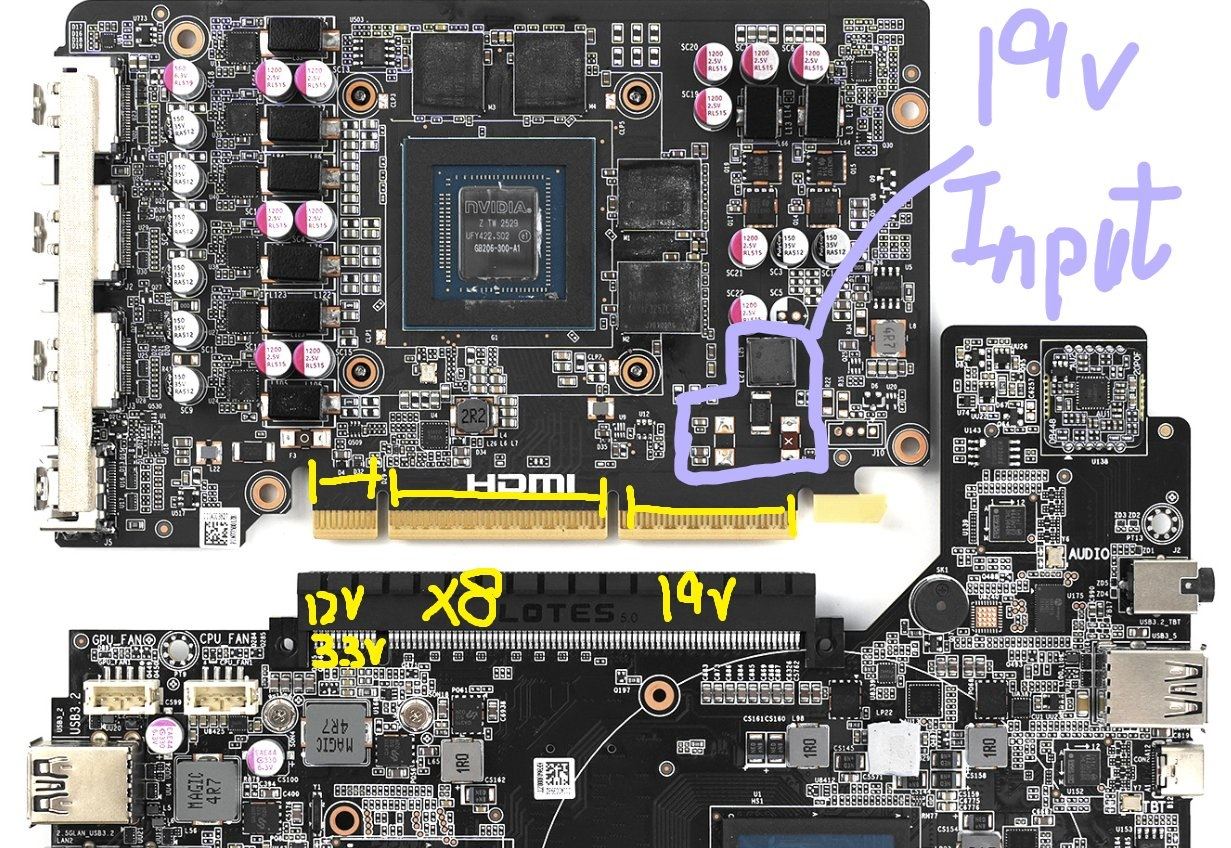
Inside the Magnus, the motherboard routes its 19V input directly through the secondary x8 portion to feed up to 180 watts to the GPU. This enables the RTX 5060 Ti to operate at full performance even without a standard 8 pin power cable. PCIe 5.0 x8 is still more than sufficient to unlock the GPU’s full bandwidth, ensuring no performance bottlenecks. Early benchmark results from HKEPC indicate that the GPU performs as expected under real workloads.
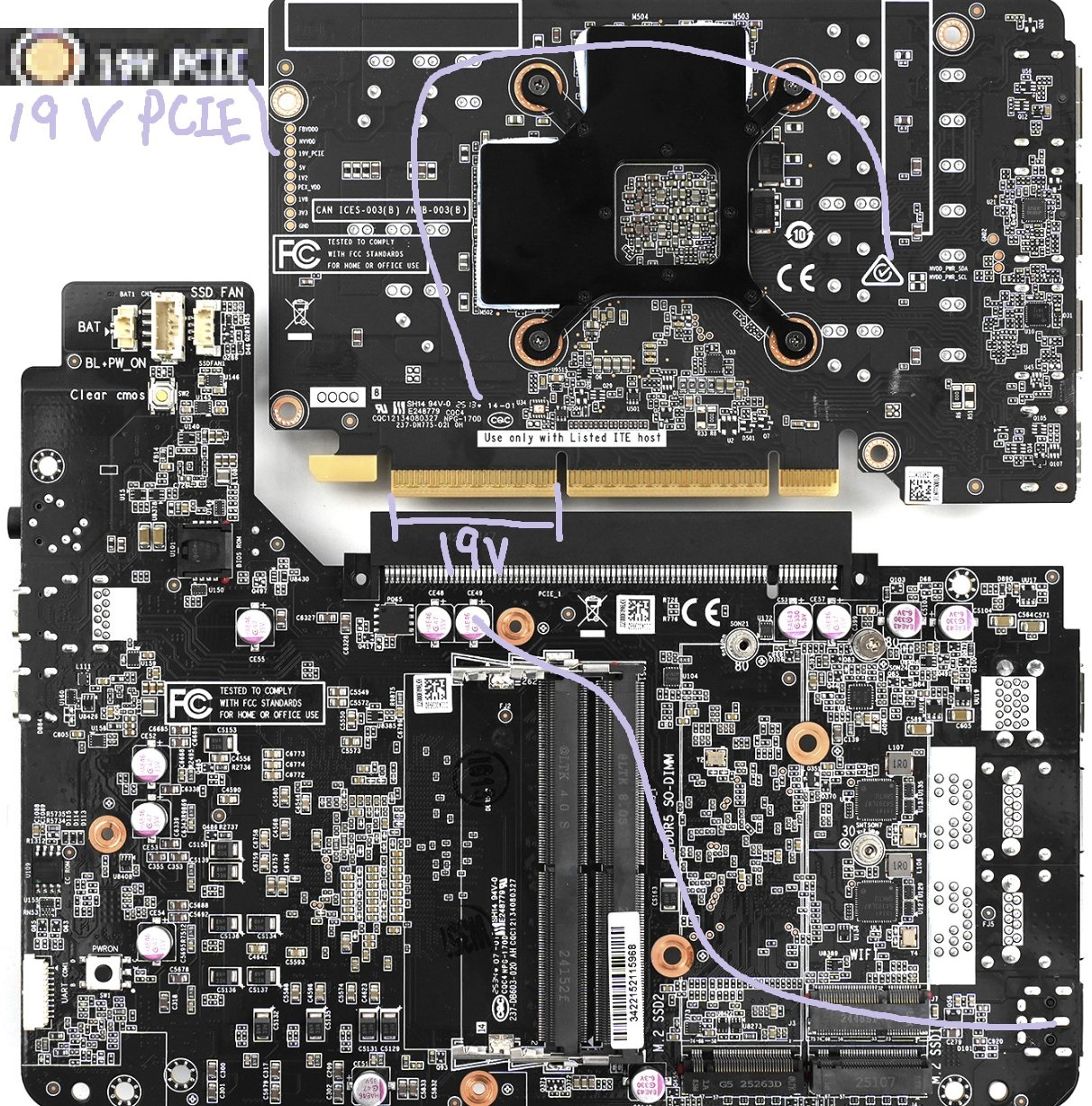
This engineering approach opens the door for future compact systems. Budget and midrange GPUs that normally rely on a single 8 pin PCIe connector could adopt a similar hybrid solution, provided their power envelope stays below roughly 200 watts. ZOTAC’s Magnus even offers up to eleven percent additional power headroom for tuning, though tests show that the cooling system struggles to sustain the full 180 watt draw for long periods. Overclocking potential therefore remains limited due to thermal constraints rather than power delivery.
While ZOTAC also sells a Magnus model with a GeForce RTX 5070 Ti, that version requires a 12V 2x6 connector and a significantly larger chassis. The hybrid PCIe approach implemented in the RTX 5060 Ti configuration cannot substitute high power connectors needed for GPUs above the 200 watt class. ASUS’s BTF High Power Connector is another emerging solution, though it does not replicate the compact hybrid PCIe execution seen here.
The innovation demonstrated in the EN275060TC highlights how manufacturers can rethink GPU integration for small form factor systems, potentially influencing future mini PC and SFF desktop designs.
What do you think about this hybrid PCIe design? Should more compact GPUs adopt this approach?
