
Zephyr Shows Trays Of Dead RX 6800 And RX 6900 XT GPU Cores And Says It Will Keep Replacing Failed Navi 21 Under Warranty
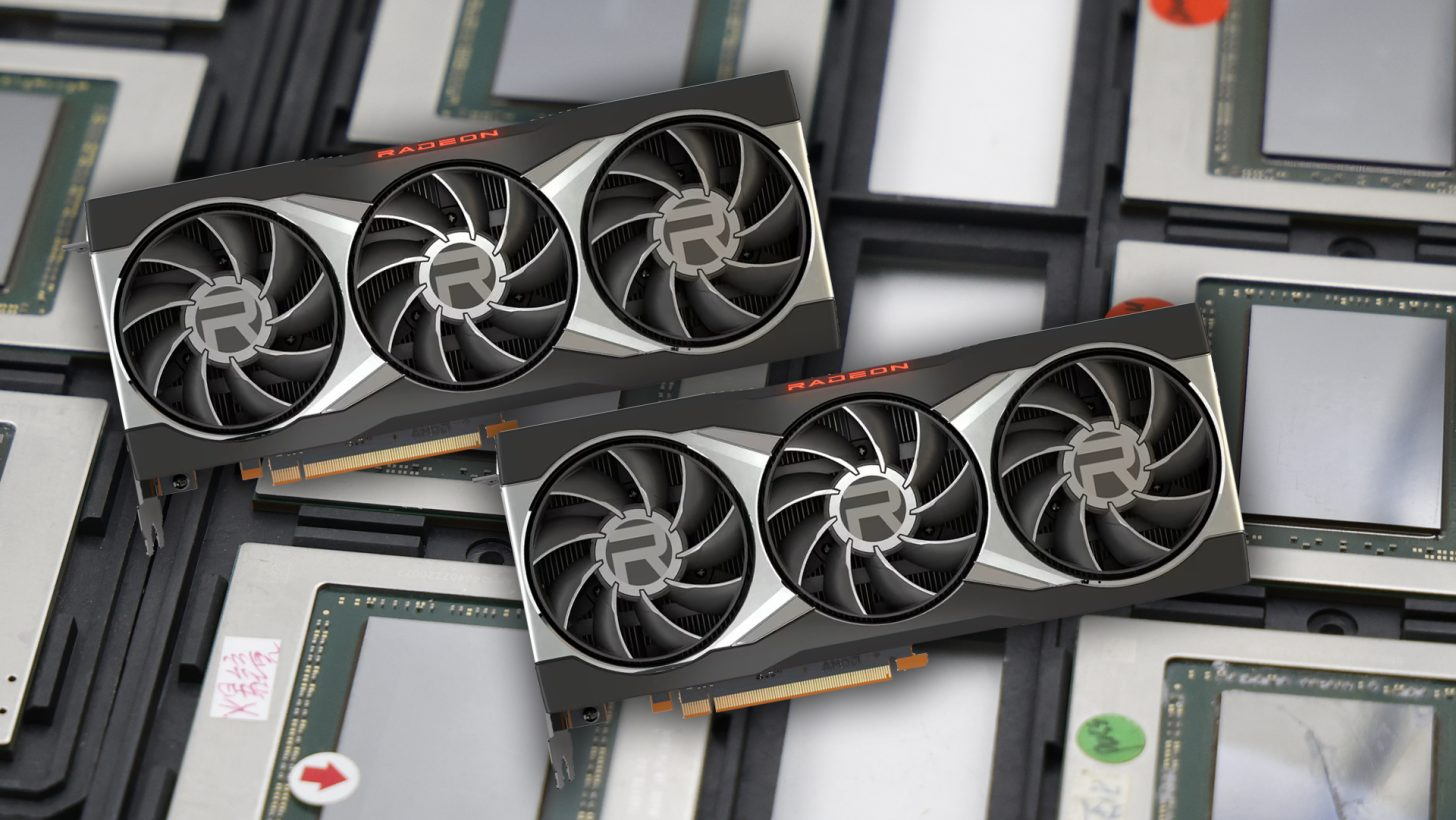
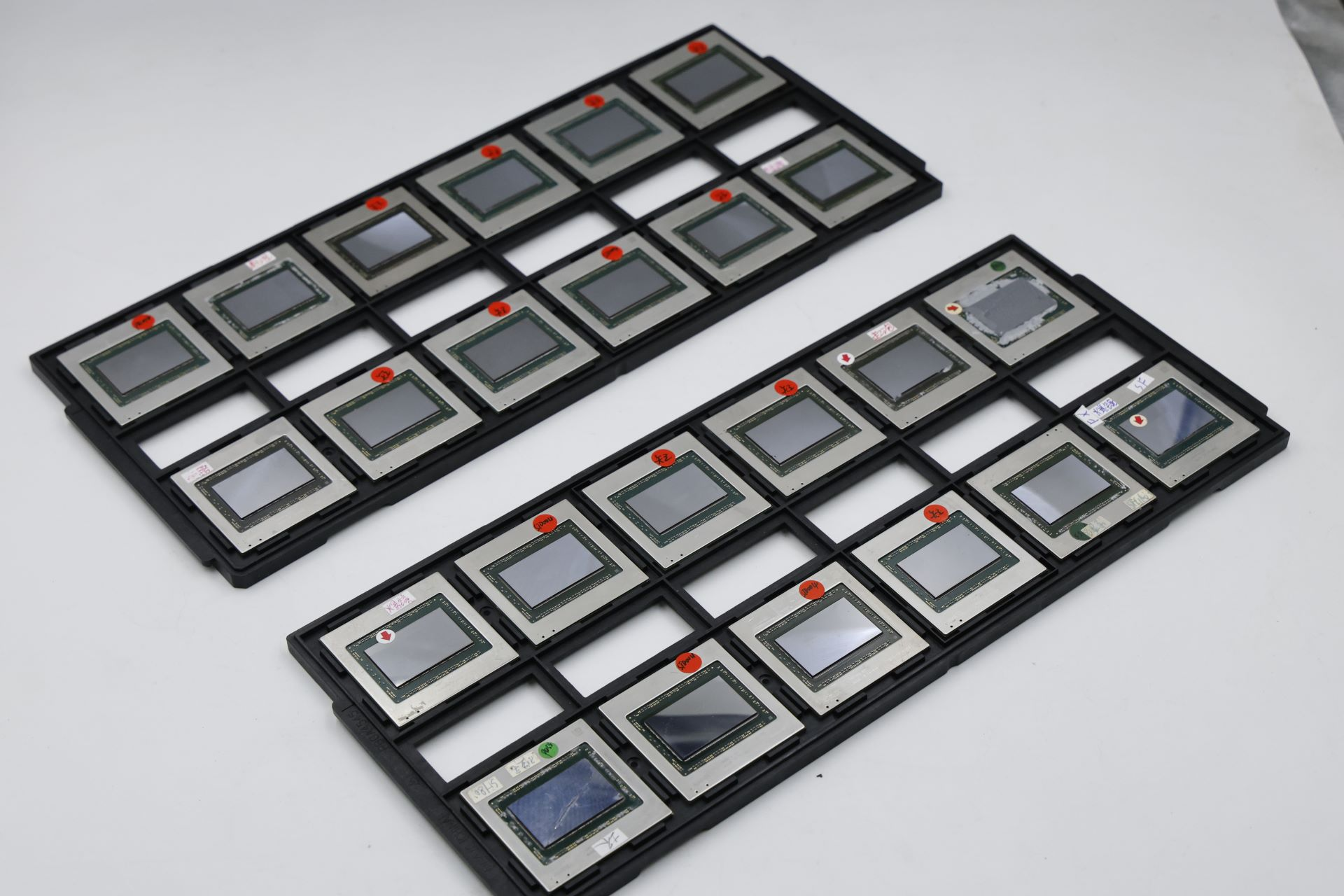
A rare and very visual acknowledgment of RDNA 2 core level failures is circulating after Zephyr, a Chinese graphics card manufacturer, publicly showed what appears to be a large tray of failed Navi 21 GPU cores and reiterated that it will continue providing warranty support even when the failure involves physical core damage. The discussion gained traction through a community chain that includes a Bilibili post and amplification from UNIKO’s Hardware on X, with additional attention driven by a Bilibili video that appears to show a bulging core event.
In a statement attributed to an RMA manager from Xifeng and shared in machine translated form, Zephyr’s position is that it does not deny warranty coverage when the GPU core is defective, and that it has replaced Navi 21 cores in cases involving bulging behavior or electrical shorts. The broader implication is blunt: core damage that some vendors might treat as an exclusion is being framed by Zephyr as something it will still take responsibility for, at least within its own after sales policy boundaries.
What makes this story hit harder than the typical dead card post is that the failure being discussed is not just a board level component swap or a fan failure. It is the GPU die itself being described as cracked, bulged, or shorted, with multiple failed cores reportedly stored at Zephyr’s facility. The company also suggests it receives core failure RMAs regularly, which reinforces the idea that at least within certain channels and usage patterns, these incidents are not one off edge cases.
From a gamer and builder perspective, the RX 6800 and RX 6900 XT represent high end RDNA 2 territory where the core is the most valuable part of the card. A die level failure takes the whole product offline instantly, and it is also the kind of fault that can create friction in warranty conversations if physical deformation is present. That is why Zephyr’s stance matters, even if you are not buying Zephyr cards: it signals how different vendors interpret the boundary between user damage and silicon failure, and how that interpretation impacts real world support outcomes.
There is also a community angle baked into Zephyr’s messaging. The company states it plans to collaborate with another content creator to turn some of the defective cores into commemorative giveaway items. It is an unusual move, but it fits a strategy of rebuilding trust through transparency, showing the evidence, owning the support stance, and turning an uncomfortable reliability topic into a community engagement moment.
None of this confirms root cause. Bulging or cracking could involve thermal history, mechanical stress, storage conditions, prior heavy workloads, or manufacturing variance, and the available information does not provide a definitive technical diagnosis. What it does provide is a clear signal that at least one manufacturer operating in China sees enough Navi 21 core failures to treat it as a recurring after sales reality, and is willing to put that on record while committing to replacements.
If you owned an RX 6800 or RX 6900 XT today, would you prioritize a vendor with a very strict warranty policy or one that is more flexible on core level failures, even if the retail price was higher?
