
YMTC and CXMT Push Major Expansion Plans as China Ramps Up Memory Output Amid Ongoing DRAM and NAND Supply Pressure
China’s memory sector is moving into a far more aggressive phase of capacity building, with YMTC and CXMT now at the center of what local reporting is calling an “epic expansion” cycle. The latest report from Jiemian describes a market environment where supply remains extremely tight, prices continue climbing, and domestic manufacturers are accelerating investment to reduce dependence on overseas suppliers and capture more of the expanding DRAM and NAND opportunity. The article frames this as more than a short term production response. It is being portrayed as a structural shift in how China wants to position its own memory supply chain over the next phase of the market.
The most aggressive claims in the report center on YMTC. Jiemian says industry sources claim the company generated more than 20 billion yuan in revenue during the first quarter of 2026, more than doubling year over year, while its NAND output has already surpassed 10% of global market share, bringing it close to the position of the world’s third largest NAND producer. Those figures are significant, although it is important to note that Jiemian also says YMTC had not responded for comment by the time of publication, meaning the specific production and revenue claims remain attributed to supply chain sources rather than direct company confirmation.
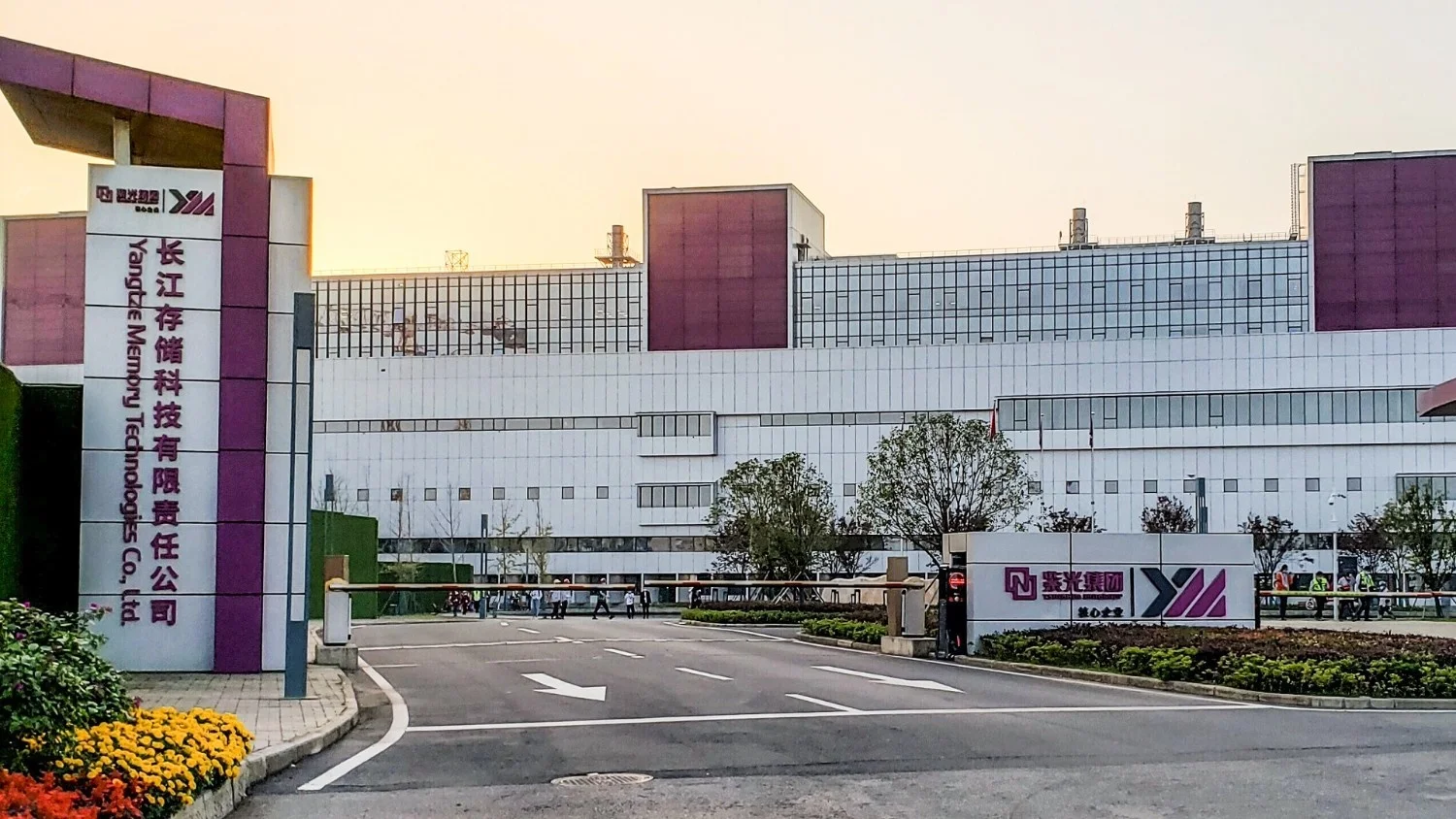
Jiemian further reports that YMTC has already completed 1 new fab and plans to build 2 more factories this year, with total capacity expected to more than double once the new sites are fully operational. The report adds that each factory could potentially reach around 100,000 wafers per month, which is why the expansion is being described in such dramatic terms. If those targets are reached, YMTC would be making a major statement not only about domestic NAND ambition, but also about China’s willingness to scale during a period when other suppliers are being more selective about where they allocate output.
The same report also places CXMT firmly inside this broader expansion wave. Jiemian says CXMT showed strong growth through its IPO materials, with revenue for the first 9 months of 2025 reaching 32.084 billion yuan, up 97.79% year over year, while its listing plan includes fundraising aimed at wafer manufacturing lines and DRAM technology upgrades. The report notes that the IPO is currently in a suspended state due to expired financial materials, but adds that industry sources believe an updated submission could make the company’s performance look even stronger because of the sharp rise in memory pricing over the last several months. In other words, CXMT may not be attached to the same fab by fab headline as YMTC in this report, but it is still clearly being presented as part of the same domestic capacity buildout.
A key part of the article’s argument is that China’s push is not only about wafer output. It is also about the growing role of domestic equipment and materials suppliers. Jiemian says YMTC plans to introduce more diversified production lines in its new fabs in order to reduce reliance on any single supply system, while local suppliers are reportedly benefiting because overseas vendors have struggled to keep up with urgent lead time demands. The article specifically says this is creating a rare opening for Chinese tool, materials, and consumables companies to secure larger positions in mainstream fab supply chains. That may end up being one of the most important long term consequences of this expansion cycle, because local validation at production scale can reshape vendor share well beyond just one project or one company.
The supply backdrop helps explain why this is happening now. Jiemian reports that since the fourth quarter of last year, both CXMT and YMTC have seen what it describes as a scramble for supply, with customers needing to prepay distributors to secure a place in production queues before inventory becomes available. The report links this directly to rising memory prices and a broader shift in the market, where upstream makers are increasingly prioritizing higher margin products tied to AI servers, HBM, and server demand. That leaves lower margin categories with tighter supply, longer lead times, and less predictable delivery schedules.
That supply imbalance is exactly why this story matters for the broader OEM and channel market. When major manufacturers redirect capacity toward premium products, mainstream memory and storage buyers often face the sharpest pressure. The report argues that YMTC and CXMT expanding production could ease some of that strain over time, particularly for domestic customers that need more reliable access to conventional NAND and DRAM products. One Shenzhen based server manufacturer cited by the article said it had already booked a full year of inventory back in January 2026, a detail that underlines the current reality of the market. At this point, for many buyers, price is no longer the only issue. Securing supply at all has become the priority.
Market watchers have also been highlighting the same story through industry discussion on social platforms, including this post from Jukanlosreve, which helped amplify attention around the reported expansion. Still, the most important takeaway is not just that China’s memory giants are spending aggressively. It is that the current shortage environment appears to be accelerating a broader industrial transition, where capacity, domestic tooling, procurement models, and local supply chain substitution are all advancing together.
The memory shortage is so severe that even Chinese memory makers are now requiring prepayments.
— Jukan (@jukan05) April 17, 2026
According to Chinese media reports, since the fourth quarter of last year, customers who want to secure memory from CXMT or YMTC have had to prepay channel distributors first. Once… https://t.co/R8toXmtxxg pic.twitter.com/ruvyCyltd4
If this expansion lands as reported, YMTC and CXMT could become even more influential in shaping where the next phase of memory competition goes, especially while global supply remains tight and the market continues to reward any company that can deliver dependable volume. For OEMs, server vendors, and channel partners, this is the kind of shift that could materially change sourcing strategies over the next several quarters.
Do you think this expansion push will meaningfully ease mainstream DRAM and NAND pressure, or will AI and HBM demand keep squeezing the rest of the memory market through 2026?
