
Xbox Shuts Down Copilot for Console as Asha Sharma Says the Feature No Longer Fits the Platform
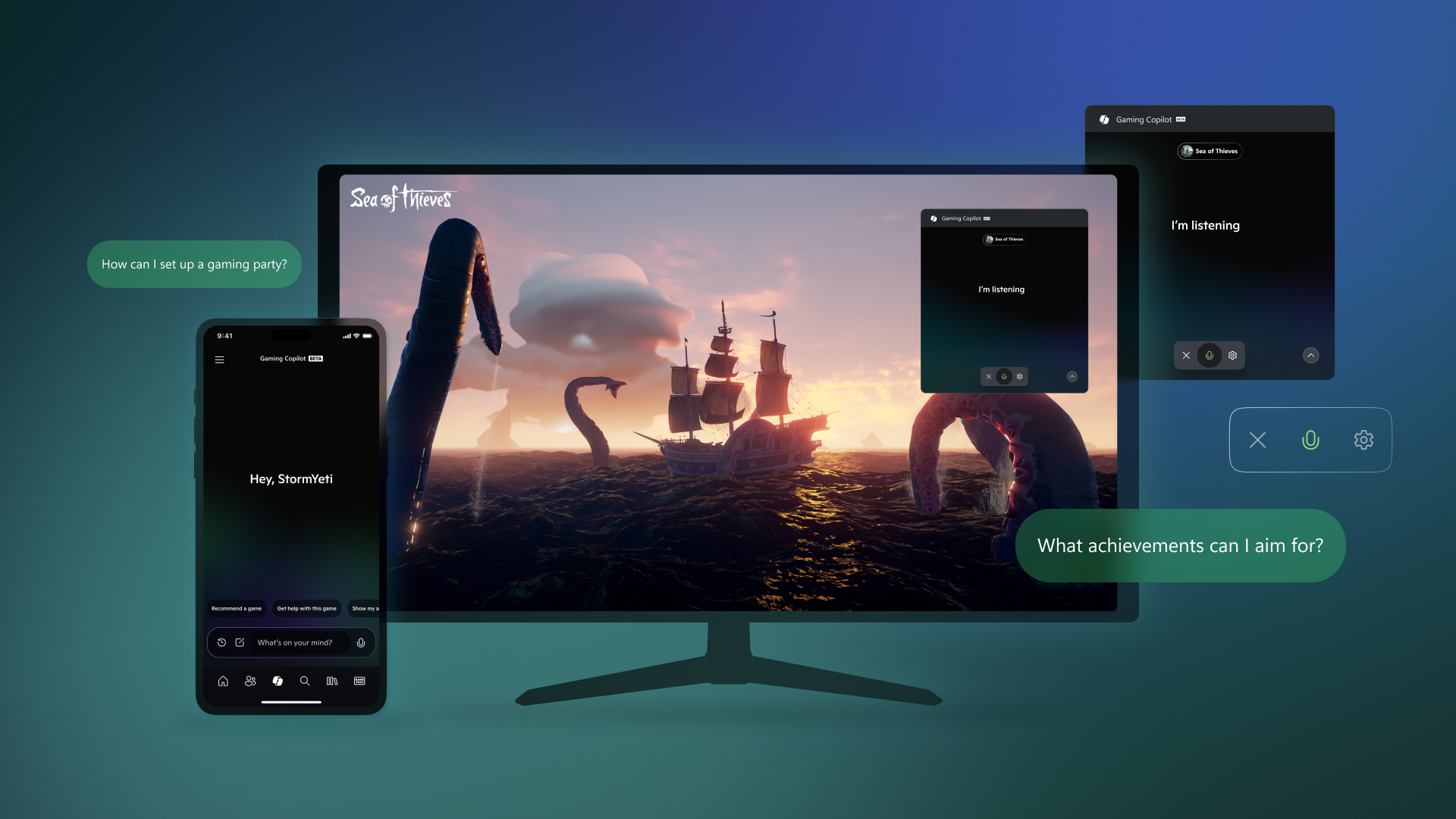
Xbox is pulling back from one of Microsoft’s more visible gaming AI efforts, with CEO Asha Sharma confirming that Copilot for console is no longer moving forward. In a statement posted to her personal X account, Sharma said Xbox needs to move faster, strengthen its connection with the community, and reduce friction for both players and developers. As part of that shift, she added that Xbox will begin winding down Copilot on mobile and will stop development of Copilot on console altogether. That marks a notable change in direction for a feature Microsoft had previously been positioning as part of its broader gaming AI push.
The wording is important because it does more than announce a product cancellation. Sharma framed the move as part of a broader effort to retire features that “don’t align with where we’re headed,” which makes this feel less like a temporary pause and more like a deliberate strategic reset. In other words, Xbox under Sharma appears to be prioritizing speed, usability, and community trust over forcing Microsoft’s AI roadmap directly into the console experience.
Xbox needs to move faster, deepen our connection with the community, and address friction for both players and developers.
— Asha (@asha_shar) May 5, 2026
Today, we promoted leaders who helped build Xbox, while also bringing in new voices to help push us forward. This balance is important as we get the business…
That shift is especially striking because it comes immediately after Sharma’s leadership overhaul at Xbox, which brought in several executives from her former CoreAI orbit. That had already raised concerns among some players that Xbox would become even more saturated with generative AI features. Instead, Sharma is now signaling that not every Microsoft AI initiative automatically belongs inside Xbox. Even with new leaders coming from AI heavy backgrounds, her public stance suggests that platform fit matters more than internal corporate momentum.
From an image and messaging standpoint, this has landed well with a lot of players. Coverage across multiple outlets described the response as broadly positive, largely because Copilot had already been met with skepticism from users who did not see it as a meaningful upgrade to the Xbox experience. For many players, the cancellation reads as a signal that Xbox leadership is willing to listen and course correct rather than simply push AI for the sake of trend alignment.
It also reinforces the idea that Sharma is trying to define her tenure quickly. She has only been in the role for a short time, but between executive reshuffling and now the Copilot reversal, she is establishing a clear operating philosophy. The early message is that Xbox needs to focus on fundamentals, faster execution, and user facing relevance. That is a sharper and more disciplined direction than many expected, especially given Microsoft’s wider AI ambitions.
This does not mean AI is disappearing from Xbox entirely. It means the most visible assistant style implementation has failed to justify its place in the platform strategy. Microsoft may still pursue AI in other ways across development tools, infrastructure, accessibility, recommendations, or game creation pipelines. But for now, Sharma has made it clear that Copilot on console is not part of the future she wants to build. That distinction matters because it shows Xbox is not rejecting AI outright. It is rejecting one specific execution that leadership believes does not serve the platform well enough. This final point is an inference based on Sharma’s statement and broader reporting around Xbox’s restructuring.
Do you think Xbox made the right call by ending Copilot for console, or could AI still have a real place on the platform if Microsoft finds a better implementation?
