
WUCHANG: Fallen Feathers Studio Leenzee Reportedly Shifts Toward Support Work as Core Team Breaks Apart
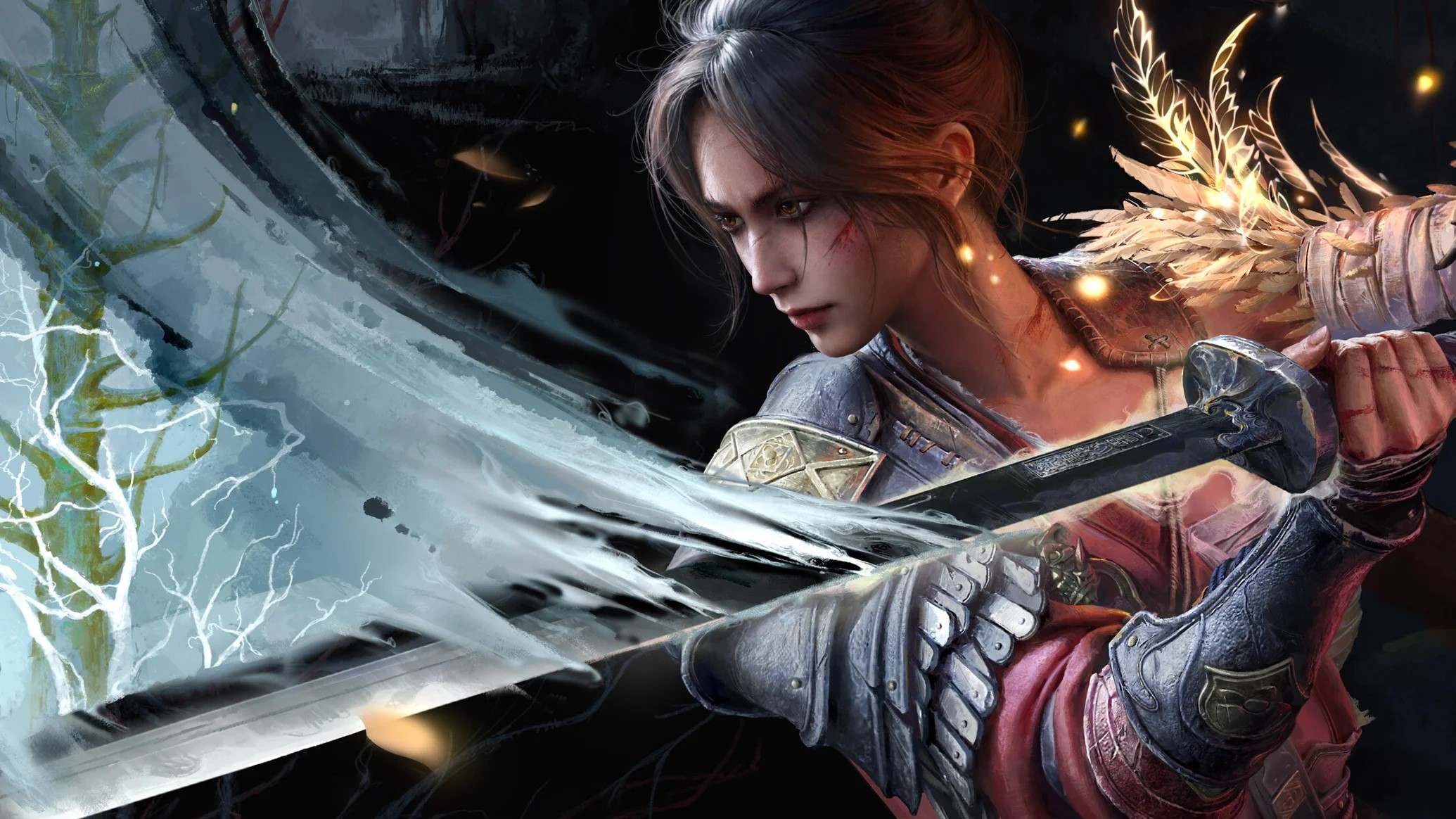
A troubling new report suggests that Leenzee Games, the studio behind WUCHANG: Fallen Feathers, may no longer continue as the kind of core development team that created the Soulslike action title in the first place. According to reporting from SavePoint Gaming and Chinese outlet GamerSky, producer and director Xia Siyuan was dismissed after disagreeing with a new internal direction that would reportedly move the studio toward support and outsourcing related work rather than leading another major original project. Broader pickup across gaming media and secondary reporting all point in the same direction, though Leenzee itself has not yet publicly confirmed the full scope of the restructuring.
If the reporting is accurate, the fallout extends well beyond one leadership change. The same reports indicate that the core team behind WUCHANG: Fallen Feathers also opposed the studio’s new direction and that the team has now effectively dissolved. What remains unclear is whether those developers were formally let go, reassigned internally, or pushed into external support style roles. That distinction matters, because it determines whether Leenzee still exists as a functioning original development studio in anything more than name. Right now, the clearest reading is that the team responsible for WUCHANG as players knew it is no longer intact.
That makes this a particularly unfortunate turn for a studio that, while not delivering a genre defining breakout, still showed real promise. WUCHANG: Fallen Feathers did not reinvent the Soulslike formula, but it also was not an empty imitation. It had a strong setting, a distinctive visual identity, and enough solid combat foundations to suggest that Leenzee could have improved meaningfully with a sequel or a more polished follow up project. The game’s biggest problems were technical. Launch performance issues and optimization concerns held it back badly, but Leenzee did release patches afterward and publicly committed to improving the experience. Push Square notes that the team’s latest major patch messaging in late 2025 still promised ongoing support and continued polishing of the game, making this apparent collapse even more abrupt in hindsight.
What makes the situation more painful from an industry standpoint is that WUCHANG was not widely treated as a total commercial failure. Several outlets have pointed out that the game was seen as a sales success on at least some level, with publisher 505 Games previously saying it achieved significant sales volumes. That does not mean it met every internal expectation or justified a full sequel roadmap, but it does suggest Leenzee was not coming off a completely collapsed launch in business terms. If the team has truly been dismantled despite shipping a moderately successful and improving game, it reinforces how fragile mid tier game development remains in the current market. Even a respectable first effort may not be enough to preserve a studio’s original creative direction if ownership or leadership priorities change.
The alleged shift toward support work is also telling. Across the industry, support and outsourcing roles can provide more stable revenue than funding original projects, especially for studios under pressure from investors, new management, or post launch uncertainty. But it is also the kind of pivot that often marks the end of a studio’s creative identity. If Leenzee is no longer being positioned to lead another internal action RPG and instead is being redirected toward supporting outside productions, then WUCHANG: Fallen Feathers may stand as both its breakout moment and its endpoint as an original creative unit. That has not been formally confirmed by the company, but it is the implication being drawn by multiple reports and follow up coverage.
For fans of the Soulslike genre, the loss would be notable even if WUCHANG was never a masterpiece. The genre is crowded, and many games fail because they misunderstand what makes the formula work. Some only imitate surface level difficulty. Others copy aesthetic cues without building meaningful combat rhythm, world design, or progression tension. WUCHANG at least showed signs that it understood some of the genre’s fundamentals, even if its execution was uneven. That is often the kind of studio worth watching a second time, because the jump from a flawed but promising debut to a much stronger follow up is common in this segment of the market.
As of now, Leenzee has not issued a public statement directly clarifying the reported dismissal, the status of Xia Siyuan, or the exact condition of the WUCHANG team. Until that happens, there is still an element of uncertainty around the final structure and the long term future of the studio. But if the current reporting holds, then this is less a routine internal reshuffle and more the quiet end of one of the more promising newer teams in the modern Soulslike space.
Do you think WUCHANG: Fallen Feathers deserved a second chance with a sequel, or did its rough launch make this outcome feel inevitable?
