
Arm Partners with SK Telecom and Rebellions to Build New Sovereign AI Infrastructure Around Its AGI CPU
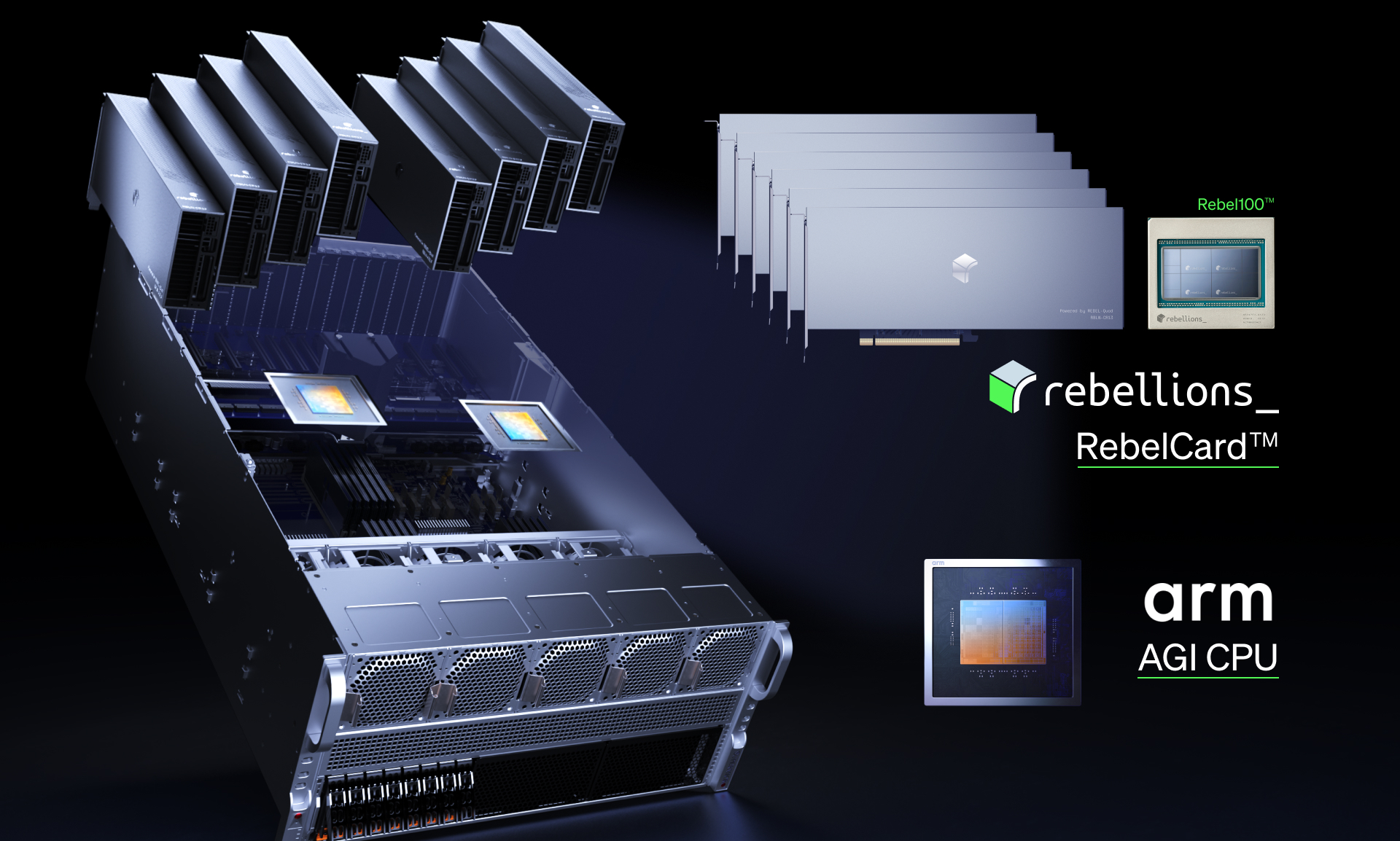
Arm is moving quickly to turn its new AGI CPU into a real world data center platform, and one of its first major collaborations is now taking shape in South Korea. Rebellions announced that it is working with SK Telecom and Arm to develop AI inference infrastructure for sovereign AI and telecom focused deployments, with the plan centered on combining Arm’s new AGI CPU with Rebellions accelerators and validating the resulting server platform inside SK Telecom’s live AI data center environment. The partnership was outlined in Rebellions’ official announcement, and SK Telecom has separately confirmed the memorandum of understanding and the shared focus on next generation AI infrastructure.
This is an important step for Arm because the AGI CPU is not just another reference design or IP block. Arm officially launched it in March 2026 as its first Arm designed production silicon for AI data centers, describing it as a processor created specifically for agentic AI workloads and modern high density infrastructure. According to Arm, the chip is built on Arm Neoverse CSS V3 and is designed to improve rack level density and accelerator utilization in AI environments where CPU orchestration is becoming increasingly important. That makes this collaboration more than a regional infrastructure deal. It is one of the earliest public signs of how Arm wants to place the AGI CPU into full stack deployment scenarios that combine compute, software, validation, and commercial rollout.
The logic behind the partnership is straightforward and timely. Agentic AI is putting heavier pressure on the full compute stack, not just accelerators. Inference is increasingly tied to control logic, memory movement, scheduling, model orchestration, tool calling, and telecom specific workloads that need stable, efficient server side processing. That is exactly where a CPU like Arm AGI is meant to fit. Rebellions said the companies will collaborate not only on hardware integration, but also on the software stack, including firmware, before testing the system in SK Telecom’s production style AI data center environment. There are also plans to review running SK Telecom’s own A.X K1 foundation model on the platform, which would give the project a very practical sovereign AI angle rather than leaving it as a purely technical showcase.
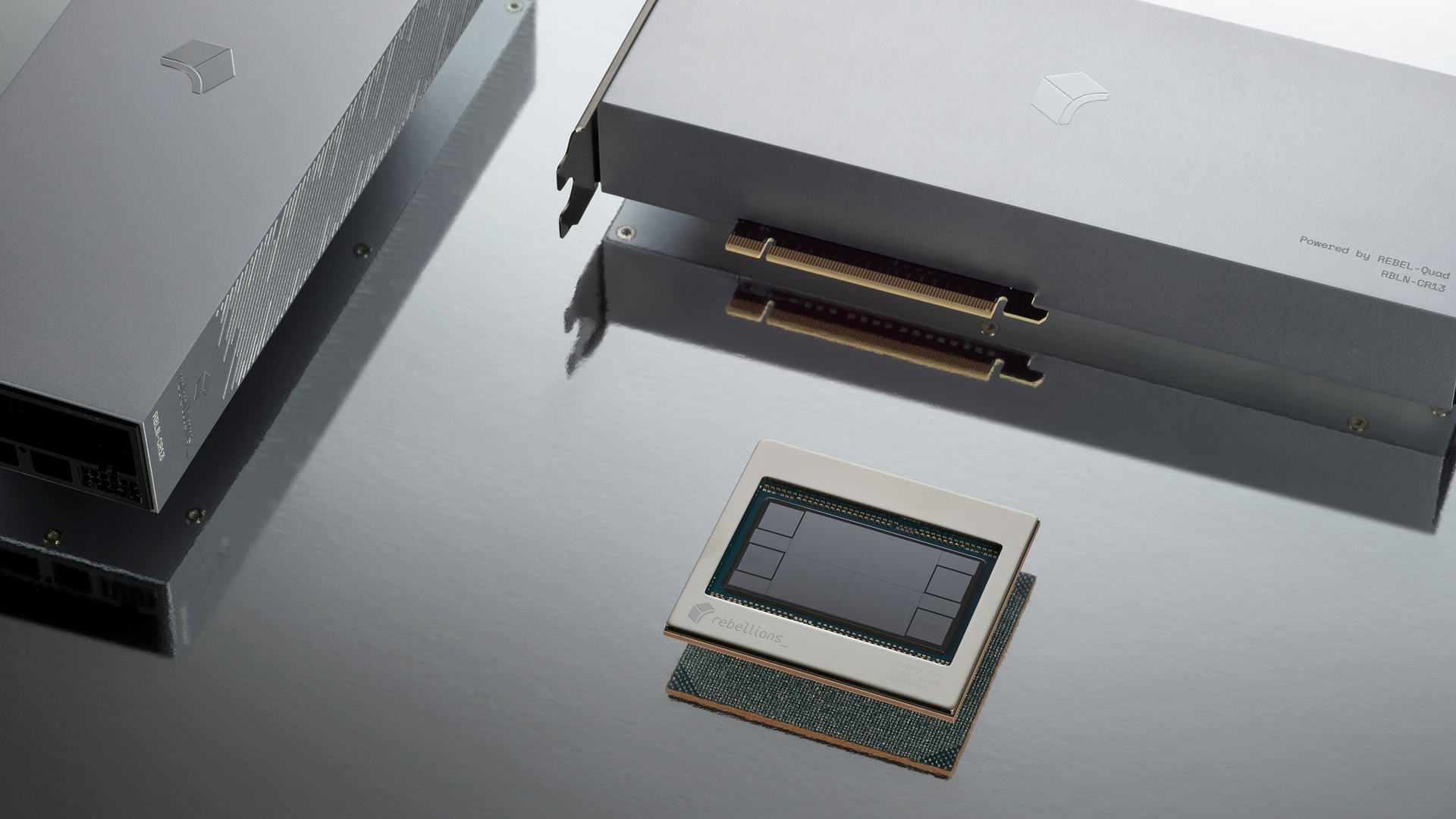
For Rebellions, this is also a strategically smart partnership. The company has been pushing hard to position itself as a serious inference infrastructure player, particularly for customers that want alternatives to the dominant GPU ecosystem. The hardware side of that pitch is now anchored by the RebelCard, which is built around the company’s Rebel 100 accelerator, formerly known as Rebel Quad. In its own technical materials and newsroom coverage, Rebellions says this architecture uses 4 NPU chiplets, adopts UCIe Advanced for chiplet interconnect, and integrates 144GB of HBM3E delivering 4.8TB per second of bandwidth. The company is pitching that combination as a way to support ultra large multimodal and Mixture of Experts models while improving energy efficiency and deployment flexibility in large AI data centers. That matters because efficiency, not just peak performance, is becoming one of the biggest decision factors for sovereign AI rollouts and telecom infrastructure buyers.
The sovereign AI framing is especially notable here. Across Asia, Europe, and parts of the Middle East, more governments, telecom operators, and strategic enterprises are looking for AI infrastructure that can be deployed and controlled more independently, with stronger oversight around data locality, operational resilience, and domestic or regional compute capacity. That trend has already been driving new investment in national AI clouds, regional model stacks, and infrastructure partnerships built around efficiency and controllability. Rebellions made it clear that this initiative is meant to target that exact market, with plans to expand beyond SK Telecom’s internal validation and pursue broader global deployment opportunities, especially in Asia and in the public sector and telecom spaces that need customized and stability proven infrastructure.
From an industry perspective, the timing also aligns with a much bigger shift in the AI market. Cloud and AI providers are no longer focused only on GPU procurement. CPUs are becoming more strategically important again because agentic AI systems need stronger orchestration, better system balance, and more efficient rack level integration. Arm’s AGI CPU was introduced specifically into that environment, and this partnership with SK Telecom and Rebellions gives Arm a concrete deployment path that matches the market narrative it laid out at launch. In other words, this is not just a branding collaboration. It is a real attempt to prove that Arm designed server silicon, paired with non traditional accelerator partners, can compete in modern AI inference infrastructure where energy use, density, and operational control all matter at once.
The bigger question now is how quickly this moves from validation to scaled deployment. Rebellions says the system will first be tested in SK Telecom’s AI data center environment, after which the companies will explore broader commercialization. If the platform performs well, this could become one of the more interesting sovereign AI reference deployments in the market, especially for telecom operators looking for a more specialized stack built around inference efficiency and local control. For Arm, it would also be a powerful early proof point that the AGI CPU can move from launch announcement to practical infrastructure role far faster than many expected.
Do you think sovereign AI infrastructure built around specialized Arm CPUs and alternative accelerators can seriously challenge the current GPU centered AI server market?
