
Xbox Strategy Chief Says Component Crisis Is Forcing Microsoft to Rethink Project Helix and the Console Model
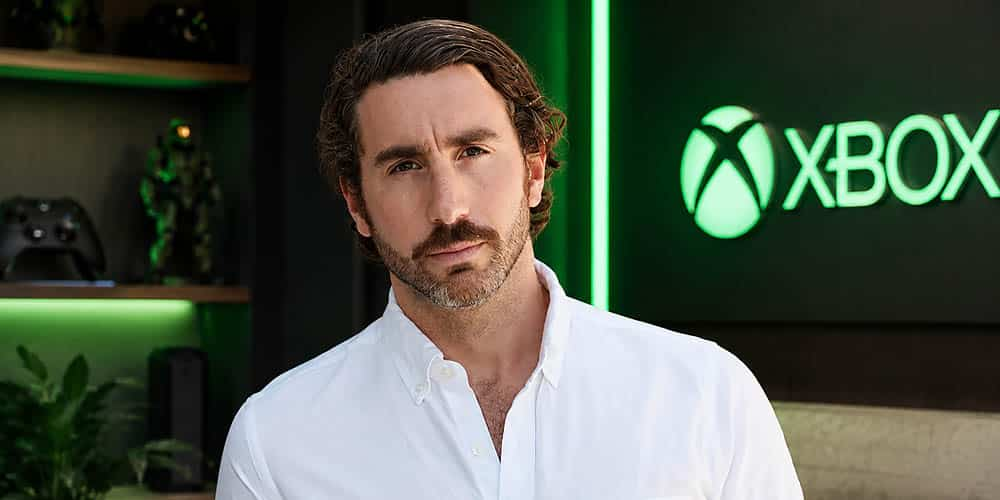
Xbox Chief Strategy Officer Matthew Ball has offered one of the clearest looks yet at how Microsoft is rethinking its console business under new leadership. Speaking during a live conversation with The Game Business at Summer Game Fest 2026, Ball discussed the company’s Game Pass struggles, the return of selected exclusives, and the growing component crisis that is now forcing Xbox to reassess how its next hardware, currently known as Project Helix, should be built and sold.
The comments follow Ball’s earlier admission that the 50% price increase for Game Pass Ultimate led to a major subscriber decline. That loss has become part of a broader strategic reset under new Xbox CEO Asha Sharma, who is trying to rebuild the core Xbox business around stronger hardware value, clearer exclusives, and a more sustainable platform model.
As reported by GameSpot, Ball said that rising component costs are creating a serious challenge for the entire console category. RAM and storage prices have increased sharply, and the situation is not expected to resolve quickly. For Microsoft, that means Project Helix cannot simply follow the traditional console roadmap without adjustment.
"The crisis is not yet getting better. The window in which we and others are gonna have to work through is getting longer, and that is going to constrain the category. We are working very hard to rethink everything that we can about Helix, which is a console we are committed to shipping. We are very cognizant of the ways in which we need the change as a company to make sure it is affordable, to make sure that it’s flexible. We are working hard to rethinking what that console model can look like, not in an exclusionary way, but in an additive way, so that as we take a look at this crisis, which may have acute effects for 2 to 2.5 years."
— Matthew Ball
That statement is important because it confirms that Microsoft remains committed to shipping Project Helix, but not necessarily under the same assumptions that shaped previous Xbox hardware. The next Xbox console may need to be more flexible, more affordable, and possibly more closely connected to PC, cloud, Game Pass, and multiple device types.
The component crisis is especially difficult for console makers because hardware pricing depends on long term manufacturing planning. When memory and storage prices rise, platform holders have fewer options. They can absorb higher costs, raise console prices, reduce margins, adjust specifications, or rethink the overall hardware model. None of those choices are easy, especially when Xbox is already trying to win back trust from players.
Ball’s comments suggest Microsoft is trying to avoid building Project Helix as a closed traditional box that only works in one fixed way. His use of “additive” points toward a broader ecosystem approach, where the console remains important but may be supported by different ways to access Xbox games, services, and features. That could mean more integration with PC hardware, cloud gaming, handheld devices, or modular service models, though Microsoft has not confirmed any specific direction.
Interestingly, Ball also said demand for Xbox hardware still exceeds Microsoft’s supply capability.
"We are producing them as quickly as possible. There is a severe limitation to how quickly we can do that, but it’s not a question of appetite. That is a privilege as a company. It is a challenge for us to figure out."
— Matthew Ball
That claim is surprising because Xbox hardware sales have been declining for years, and the platform has struggled to match PlayStation’s momentum this generation. However, Ball’s point appears to be that Microsoft is facing supply constraints in specific areas, rather than a complete lack of consumer interest. If true, that creates a more complicated picture: Xbox may have demand in some markets or product segments, but still lacks the hardware momentum needed to rebuild platform perception globally.
The broader Xbox reset is now built around several moving parts. Game Pass must recover after the 50% price increase damaged subscriber confidence. Xbox hardware needs a clearer reason to exist. Project Helix needs to launch into a difficult component environment. At the same time, Microsoft is bringing back selected console exclusives, with games like Gears of War: E Day and Clockwork Revolution now positioned as reasons to remain invested in the Xbox platform.
That exclusivity shift is part of Sharma’s larger effort to make Xbox competitive again. After years of messaging around broad access and multiplatform expansion, Microsoft is now trying to restore some of the platform identity that made Xbox powerful in earlier generations. However, the company is not returning fully to the old model. Multiplayer games are expected to remain multiplatform, while single player titles will be decided case by case.
Project Helix may become the real test of whether this strategy can work. A new console needs strong hardware, a clear value proposition, and exclusive or best in class experiences that justify the investment. If component costs remain high for another 2 to 2.5 years, Microsoft will need to be careful not to launch hardware that feels too expensive or too compromised.
Ball also shared that one of Asha Sharma’s first questions to him was whether Xbox’s situation was fixable. His answer reflected what he described as a strategic optimist mindset, arguing that no situation is beyond improvement.
That may be the right mindset for Xbox, but the execution will matter more than the optimism. Microsoft has to repair Game Pass perception, define the purpose of Project Helix, manage hardware affordability, keep developers aligned, and rebuild confidence among fans who have watched Xbox’s strategy shift repeatedly over the past several years.
The good news for Xbox is that the company now seems willing to admit where the problems are. The component crisis is real. Game Pass subscriber losses were real. The need for exclusives is real. The question is whether Microsoft can turn those admissions into a stronger business before Project Helix reaches the market.
For now, Ball’s comments make one thing clear: the next Xbox console will not be developed in a normal hardware environment. Project Helix is still coming, but the crisis around RAM and storage is forcing Microsoft to rethink what a console should be, how much it should cost, and how it fits into the future of Xbox.
Do you think Project Helix should remain a traditional Xbox console, or should Microsoft use the component crisis as a chance to reinvent the console model?
