

Microsoft has confirmed that Xbox Project Helix will function as a traditional gaming console capable of running PC games, combining 4 generations of Xbox compatibility with advanced neural rendering technology. The upcoming system aims to eliminate the barriers between console and PC gaming while delivering improved graphics without requiring proportionally more processing power or memory.
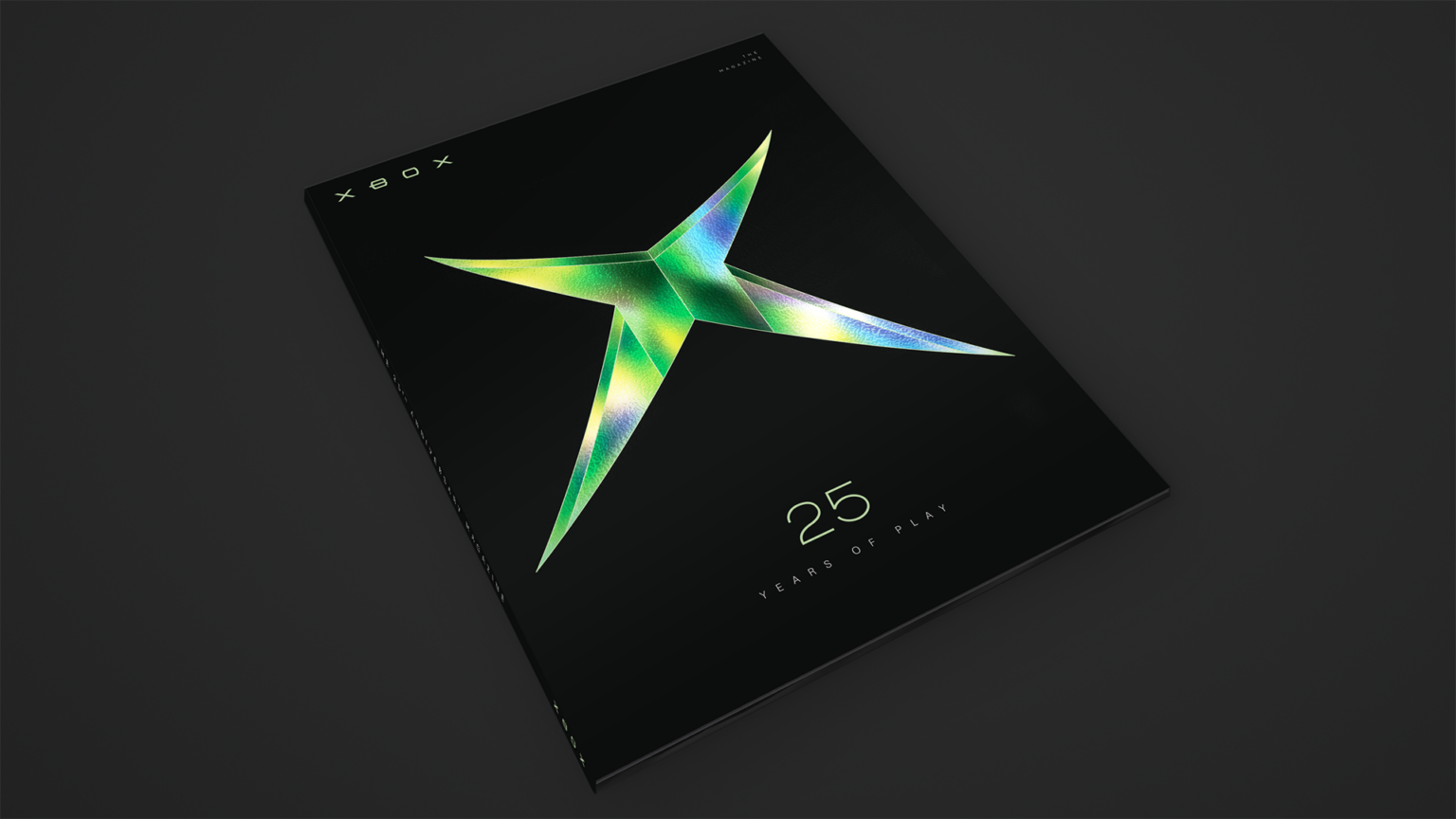
Speaking in the official Xbox 25th Anniversary Magazine, Xbox Vice President of Next Generation Jason Ronald clarified Microsoft's vision for Project Helix, emphasizing that the hardware will prioritize the simplicity of a console while providing additional flexibility for PC enthusiasts.
"Helix is designed to be a console that is also capable of playing games from your PC. It is not a PC that can also play console games."
— Quote by: Jason Ronald, Xbox Vice President of Next Generation.
Microsoft wants players to access their existing Xbox libraries, purchases, and progression across 4 generations while removing traditional limitations between console and PC ecosystems. The experience will prioritize immediate access to games without requiring users to manage Windows updates, graphics drivers, or complicated system configurations. However, enthusiasts will still have access to more advanced graphics settings and performance customization. Microsoft has not clarified whether third party PC storefronts such as Steam and Epic Games Store will receive native support.
Another major focus is neural rendering, which Microsoft believes could deliver significantly higher visual fidelity without depending entirely on additional GPU performance or increasingly expensive memory. The technology uses machine learning techniques to assist graphics rendering, potentially incorporating advanced upscaling, frame generation, and ray reconstruction.
Rather than focusing exclusively on traditional performance targets such as 8K resolution or 240 Hz refresh rates, Microsoft wants to improve visual quality, efficiency, and gameplay possibilities through new rendering technologies. Ronald believes these advancements could produce more meaningful improvements over the next 3 to 5 years than the industry experienced during the previous decade.
Project Helix is being developed in partnership with AMD, featuring a custom processor designed around future DirectX technologies and FSR Next. Microsoft previously outlined an ambitious hardware roadmap targeting an order of magnitude improvement in ray tracing capabilities, alongside neural rendering and advanced graphics processing.
Microsoft plans to distribute early Project Helix hardware to developers beginning in 2027, although the company has not confirmed its final specifications, retail price, or commercial release date. Rumors suggest the console could arrive in 2028, but this remains unofficial.
Project Helix could represent an important evolution for Xbox, particularly if Microsoft successfully combines the accessibility of console gaming with the flexibility of PC hardware and software. Supporting existing PC libraries would be a major advantage, especially if third party storefronts and user owned games remain accessible without additional purchases.
Neural rendering also offers opportunities to improve graphical quality without continuously increasing hardware requirements. However, Microsoft must ensure these technologies enhance the original artistic direction of games rather than replacing traditional rendering with excessive AI generated alterations. More importantly, the platform should prioritize game ownership, backward compatibility, affordable hardware, and meaningful consumer choice instead of creating another restrictive ecosystem.
Would you consider buying Xbox Project Helix if it supports your existing Steam library and 4 generations of Xbox games, or would you still prefer a fully upgradeable gaming PC?
