
Xbox Holds Just 4% of US Physical Game Sales as Project Helix Disc Support Remains Unclear
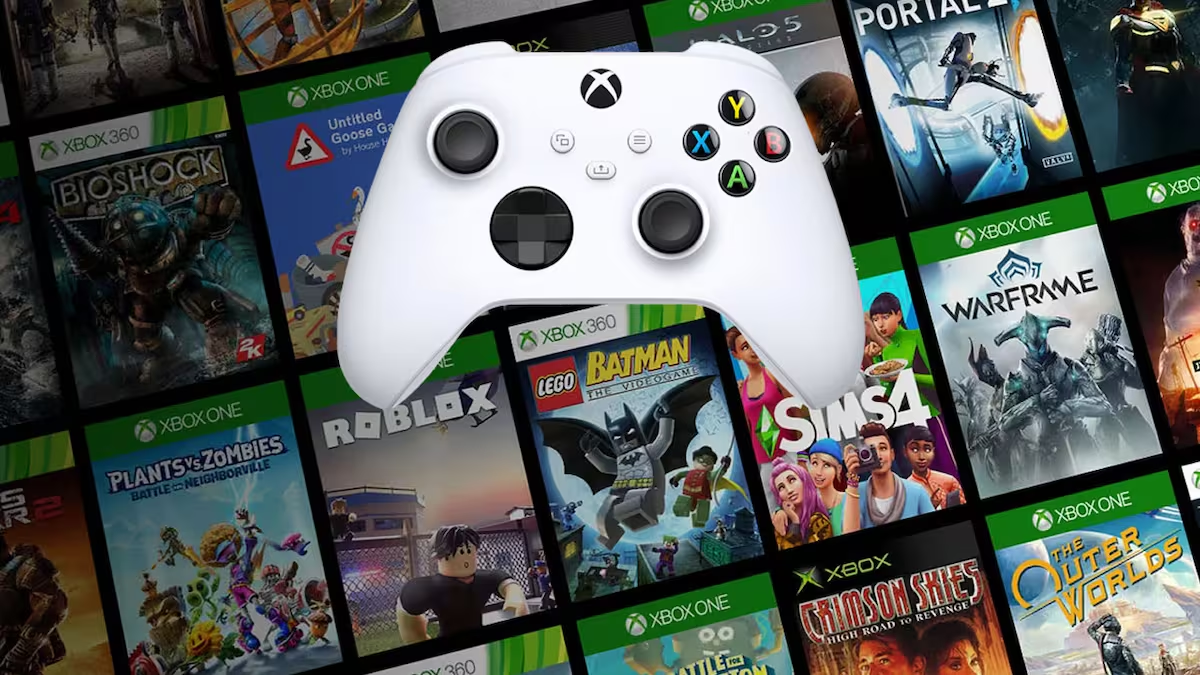
Xbox accounts for just over 4% of new physical game sales in the United States, highlighting Microsoft's growing dependence on digital distribution. However, a newly discovered Microsoft job listing has renewed speculation that the company's upcoming Project Helix console could retain support for physical games, despite the industry's continued shift toward digital purchases.
According to Circana data reported by Kotaku, Xbox represented slightly more than 4% of US sales of new physical games through July 2026, compared with 63% for Nintendo platforms and 32% for PlayStation. A small remaining percentage came from physical PC editions. These figures represent each platform's share of the physical game market, not the percentage of Xbox software purchases made on disc.
US Physical Game Sales by Platform in 2026
| Platform | Share of Physical Game Sales |
|---|---|
| Nintendo | 63% |
| PlayStation | 32% |
| Xbox | Just over 4% |
| PC | Small remaining share |
Figures are based on Circana's US market data through July 2026 and exclude digital game sales.
The figures reflect the broader decline in US physical game spending, which reached a record July low of $85 million in 2026. Xbox Game Pass, digital storefronts, and the availability of consoles without disc drives have contributed to changing purchasing habits. Circana analyst Mat Piscatella previously reported that 52% of Xbox Series consoles sold in the US through June 2026 were digital only models, compared with 27% of PlayStation 5 consoles.
Despite this trend, a new Microsoft job listing for an Xbox Games Supply Strategist suggests physical distribution remains part of the company's operations. The position involves coordinating physical Xbox game releases across multiple platforms, managing global inventory strategies, and overseeing retail supply throughout the product lifecycle.
The listing has sparked speculation that Project Helix could retain an optical disc drive, potentially distinguishing Microsoft's next generation console from competitors moving toward digital distribution. However, the position does not confirm any hardware features. With Xbox publishing games on PlayStation and Nintendo platforms, the role could primarily involve managing physical editions for those systems.
Microsoft has already confirmed that Project Helix developer hardware will begin reaching studios in 2027, alongside plans to preserve access to games from 4 generations of Xbox. Whether that backward compatibility commitment includes support for existing game discs remains unknown. An optional external disc drive could offer a compromise between manufacturing costs and physical ownership, but Microsoft has not announced such an accessory.
Xbox's limited share of the physical game market demonstrates how successfully Microsoft has transitioned its ecosystem toward digital distribution and subscriptions. However, low physical sales do not eliminate the value of disc compatibility, particularly for players maintaining collections built across several Xbox generations.
Project Helix presents an opportunity to balance both approaches. Supporting physical games could appeal to collectors and existing Xbox owners, while an optional disc drive would allow Microsoft to maintain a streamlined base console without requiring every customer to pay for hardware they may never use.
The job listing confirms Microsoft's continued involvement in physical software distribution, but it should not be interpreted as evidence of Project Helix's final hardware configuration. The bigger question is whether backward compatibility will preserve existing physical libraries or increasingly depend on digital licenses.
Would physical disc compatibility influence your decision to purchase Project Helix, or have you already moved entirely to digital games?
