
WiCi One Turns the RTX 5090 Into a Wireless GPU for Local AI and Gaming
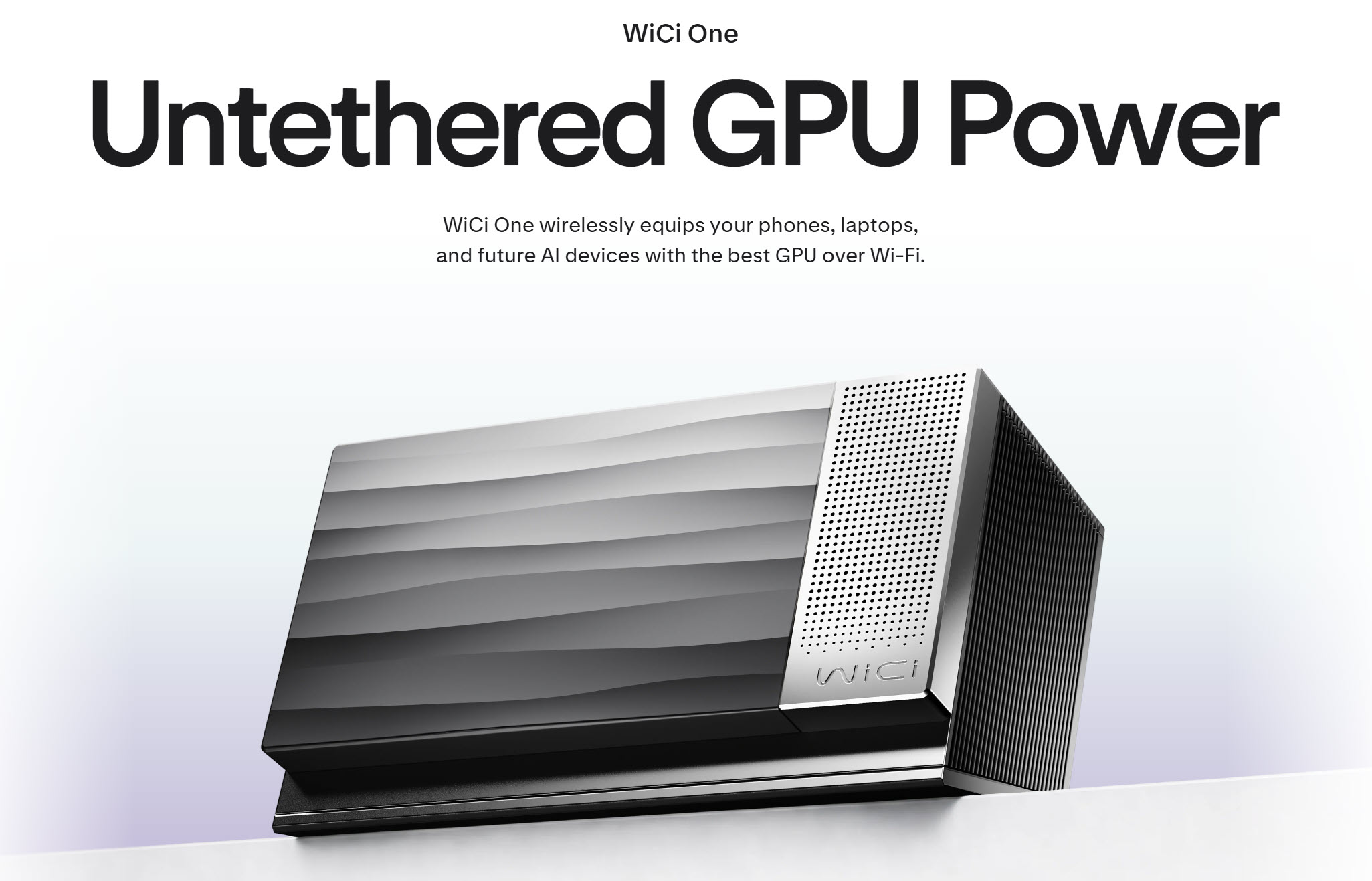
WiCi has introduced WiCi One, a dedicated local computing system designed to make desktop class GPU resources available wirelessly across laptops, phones and other compatible devices. Instead of installing the GPU inside every machine or sending workloads to a remote cloud service, WiCi One keeps the compute hardware nearby and connects devices through a local Wi Fi network.
The idea is closer to a network attached GPU than traditional cloud gaming or remote desktop streaming. According to WiCi, applications continue running on the user's own device while WiCi One handles supported GPU workloads nearby. In Driver mode, its software presents the remote hardware as a virtual local GPU, while developers can also access the system through SDK and API implementations depending on the workload.
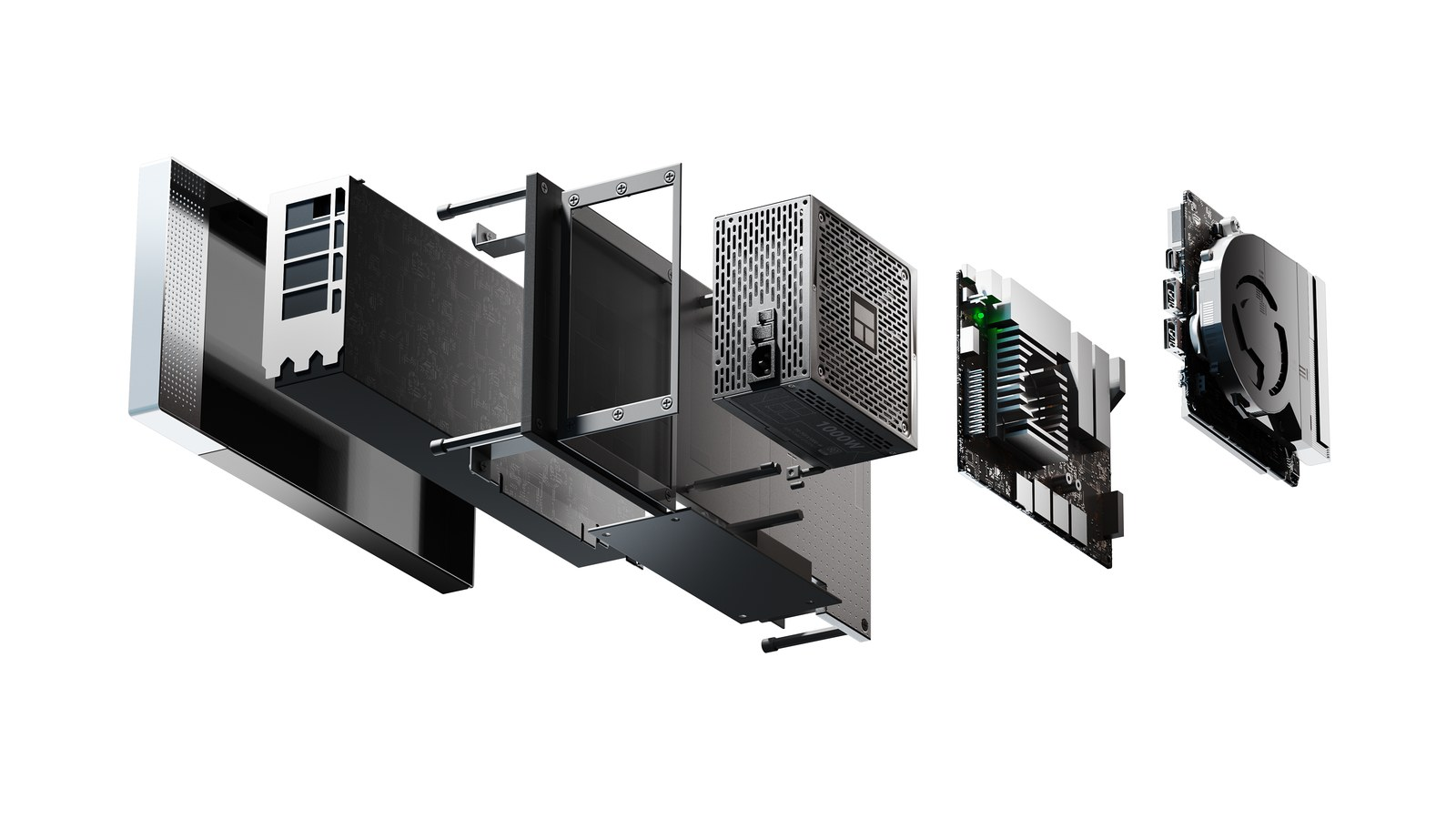
That distinction could make WiCi One particularly interesting for users working across several lightweight systems. A laptop could access considerably more GPU compute without carrying dedicated graphics hardware, while developers, creators and local AI users could share the same nearby GPU rather than installing separate high performance hardware inside every device. WiCi is positioning the platform across local AI, gaming, 3D rendering and creative applications.
The company says its wireless architecture is specifically designed around the latency problem created when GPU communication leaves the motherboard. Simply forwarding every GPU operation across a wireless network would introduce too many round trips, so the WiCi Protocol instead uses techniques including caching, deduplication, streaming, pipelining and keeping reusable data close to the GPU.
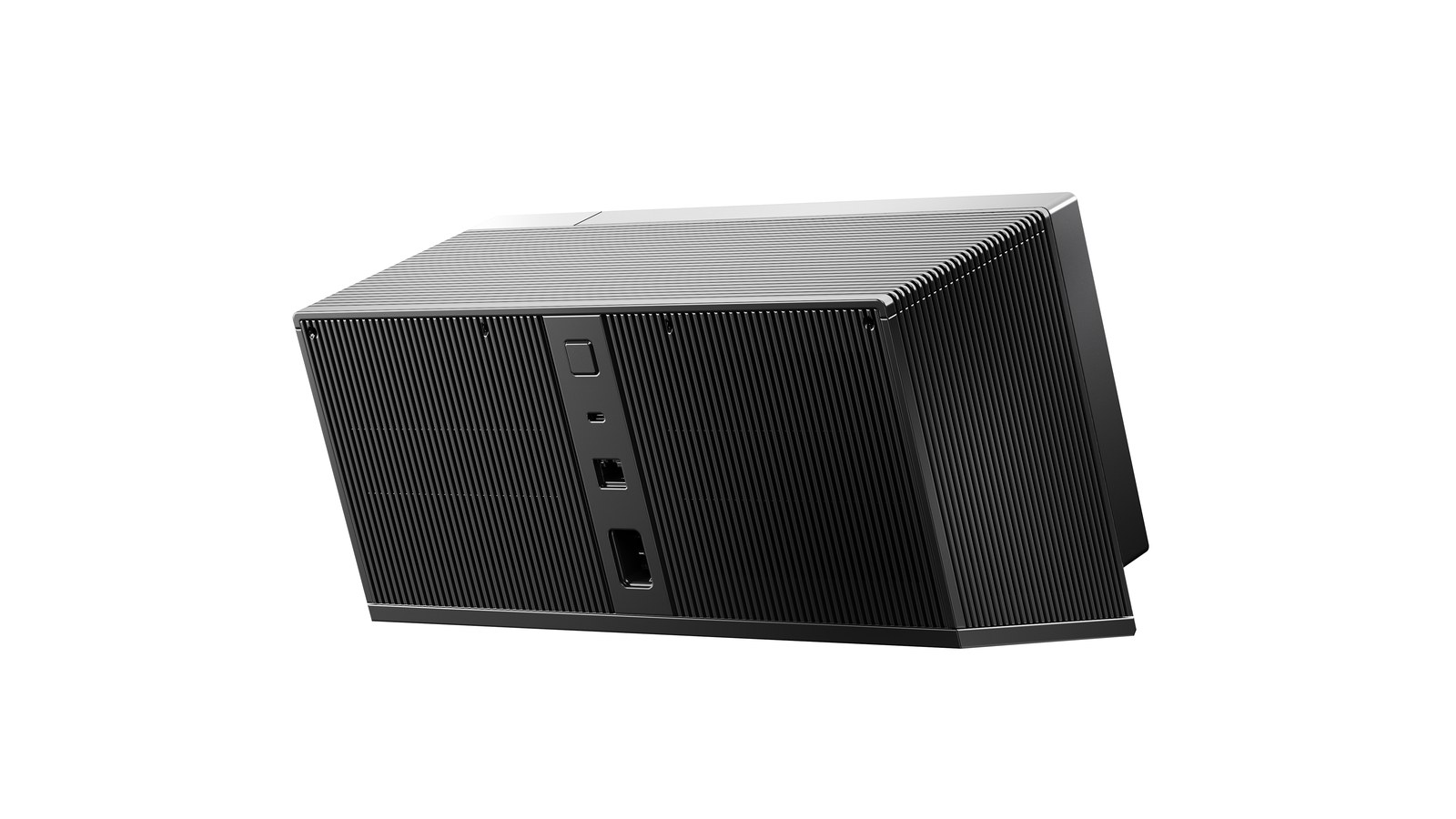
This is also why WiCi One should not be treated as a conventional external GPU connected through a slower wireless replacement for PCIe. WiCi openly acknowledges that wireless networking cannot reproduce PCIe bandwidth. Its architecture instead attempts to reduce how frequently large data transfers and latency sensitive transactions need to cross the network, while keeping active workloads and reusable information on the compute side whenever possible.
| Wireless AI Computing | Specifications |
|---|---|
| GPU |
NVIDIA GeForce RTX 5060 Ti, 16 GB GDDR7, 5060 Ti Edition NVIDIA GeForce RTX 5090, 32 GB GDDR7, 5090 Edition Air Compute GPU sharing |
| CPU |
Intel Core 3 100U, 5060 Ti Edition Intel Core Ultra 7 255H, 5090 Edition |
| Wi Fi |
Wi Fi 7 4×4 MIMO 320 MHz Router grade Air Link Multi Link transport |
| Fully Flexible GPU Runtime | |
| Driver Mode |
WiCi Virtual GPU on macOS, Windows and Linux Zero trip caching and trace replay |
| SDK Mode |
Python, JavaScript and Swift Out of the box inference with multimodal support |
| API Mode |
OpenAI compatible endpoint Drop in support for existing clients |
| Unified Hierarchical Memory | |
| Storage |
NVMe 4, 1 TB, 5060 Ti Edition NVMe 5, 4 TB, 5090 Edition Turbo Stream weight paging turns up to 4 TB of NVMe into working VRAM |
| LLM Performance |
Kimi K3, 2.8T, 5 tok/s DeepSeek V4 Flash, 284B, 20 tok/s Gemma 4, 26B, 500+ tok/s Measured on WiCi One 5090 Edition, compared with cloud rates of 20 to 40 tok/s |
WiCi is also targeting the growing local AI market, where keeping models and user data inside a home, studio or office can reduce reliance on cloud infrastructure. The broader industry is already experimenting with shared local compute, with NVIDIA PAIR linking compatible systems so available GPU resources can contribute to local AI workloads. WiCi takes a different approach by building that shared compute concept around a dedicated appliance rather than pooling GPUs already installed inside several computers.
Gaming is potentially one of the more unusual applications. WiCi describes the experience as different from remote play because the game itself remains on the client system and uses WiCi One as its GPU. That could theoretically give thin laptops access to much stronger graphics hardware without requiring a traditional gaming notebook, although the practical experience will depend heavily on how effectively WiCi can manage latency, network consistency and GPU communication under real gaming workloads.
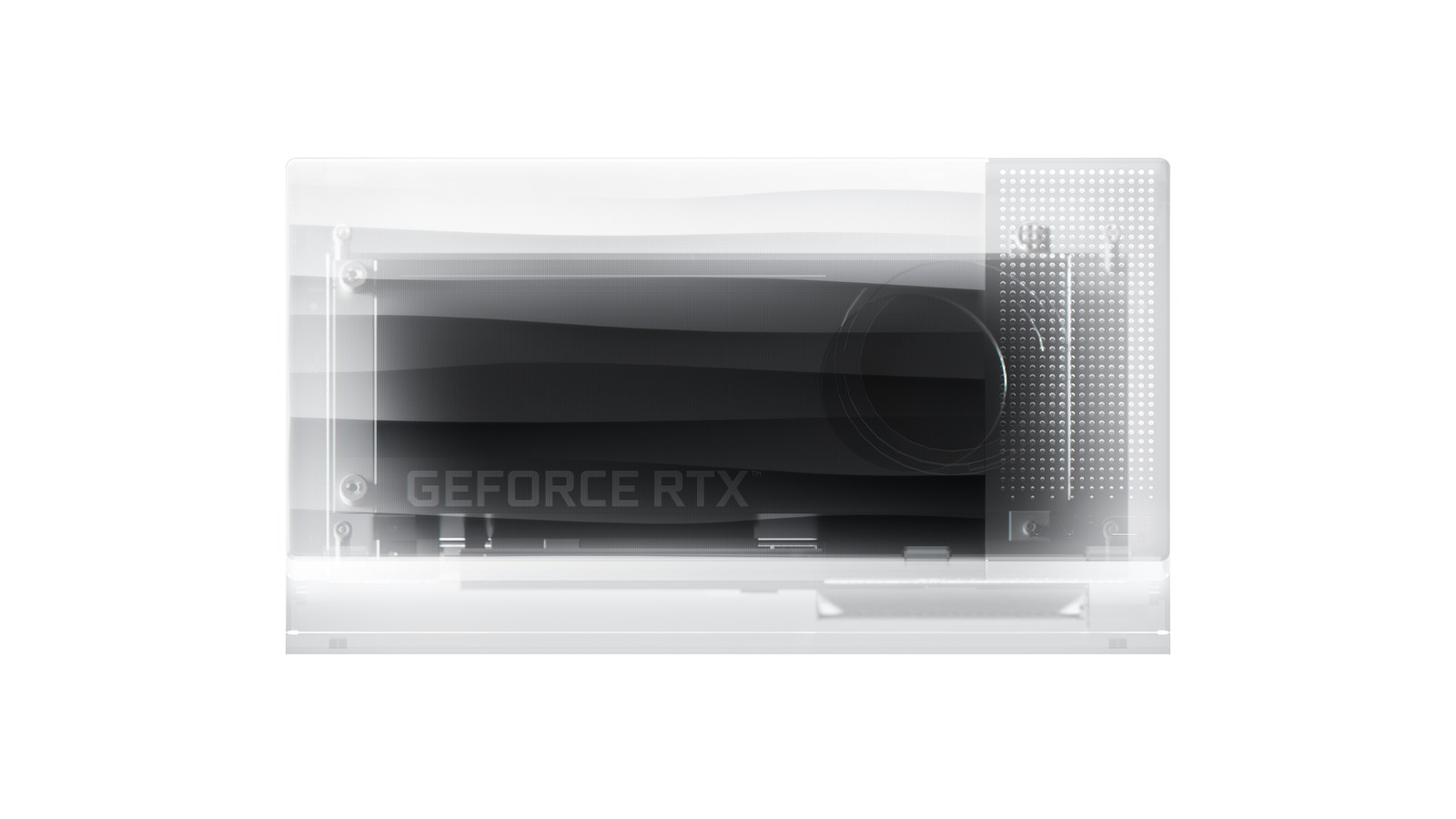
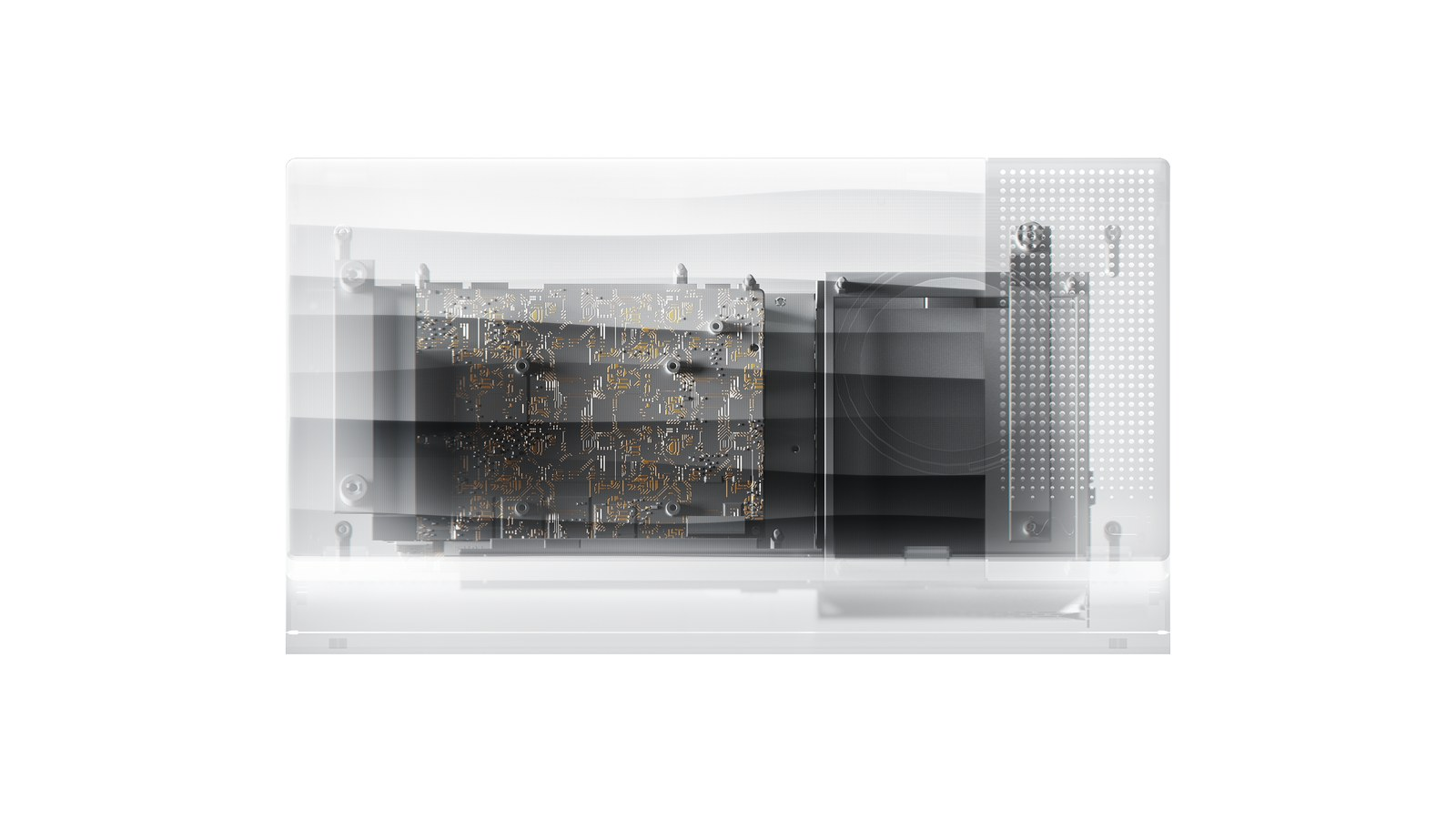
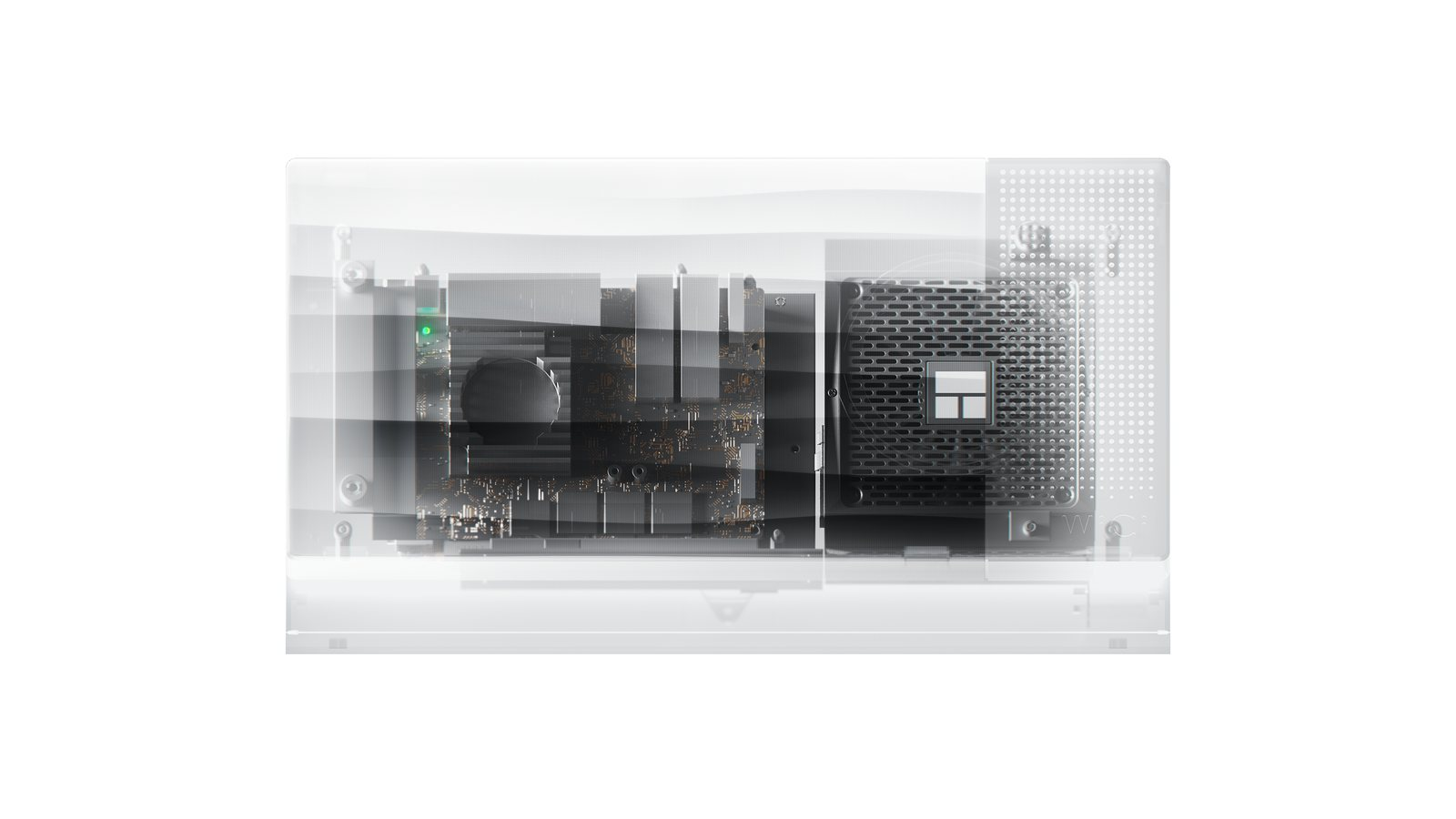
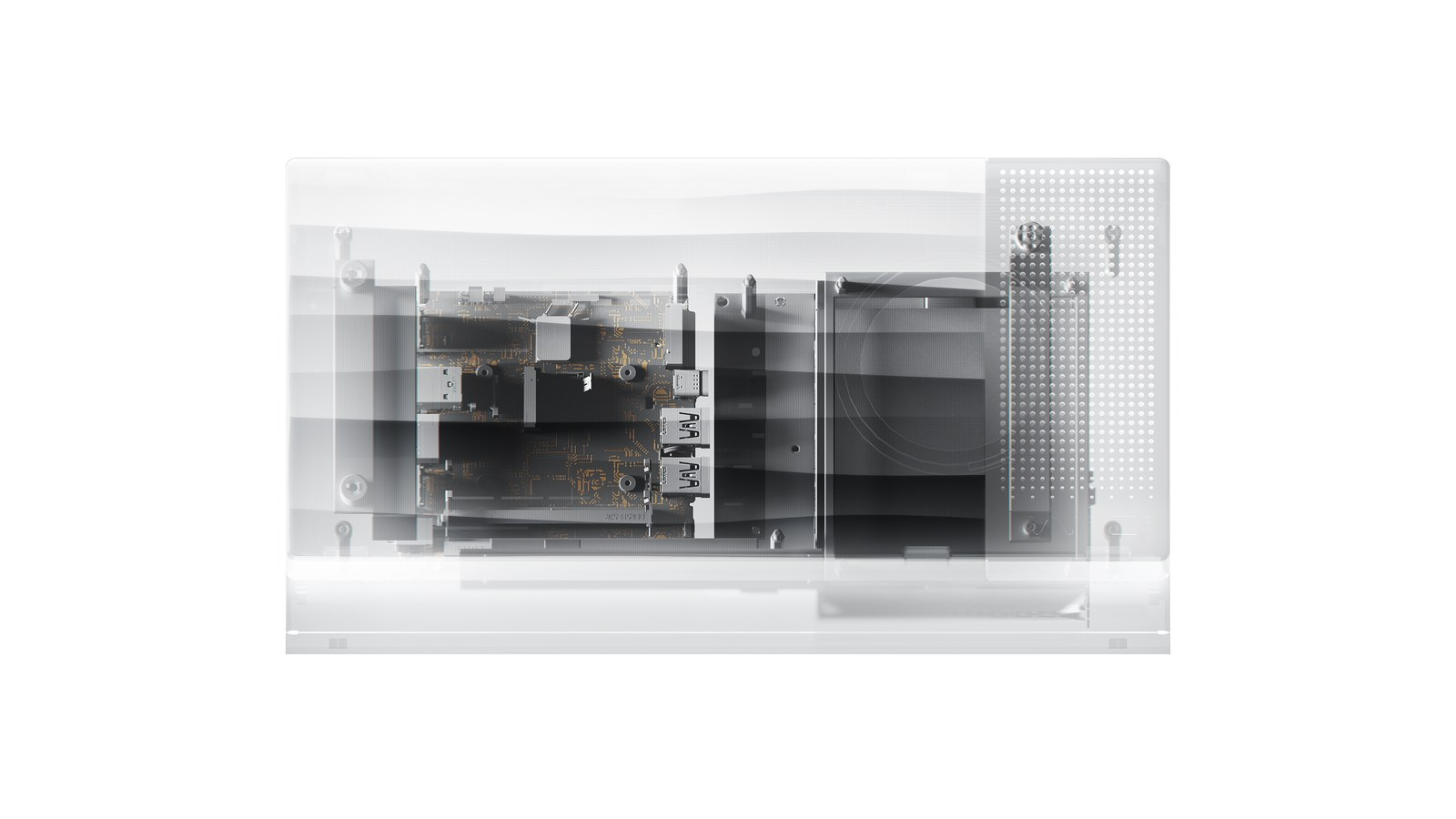
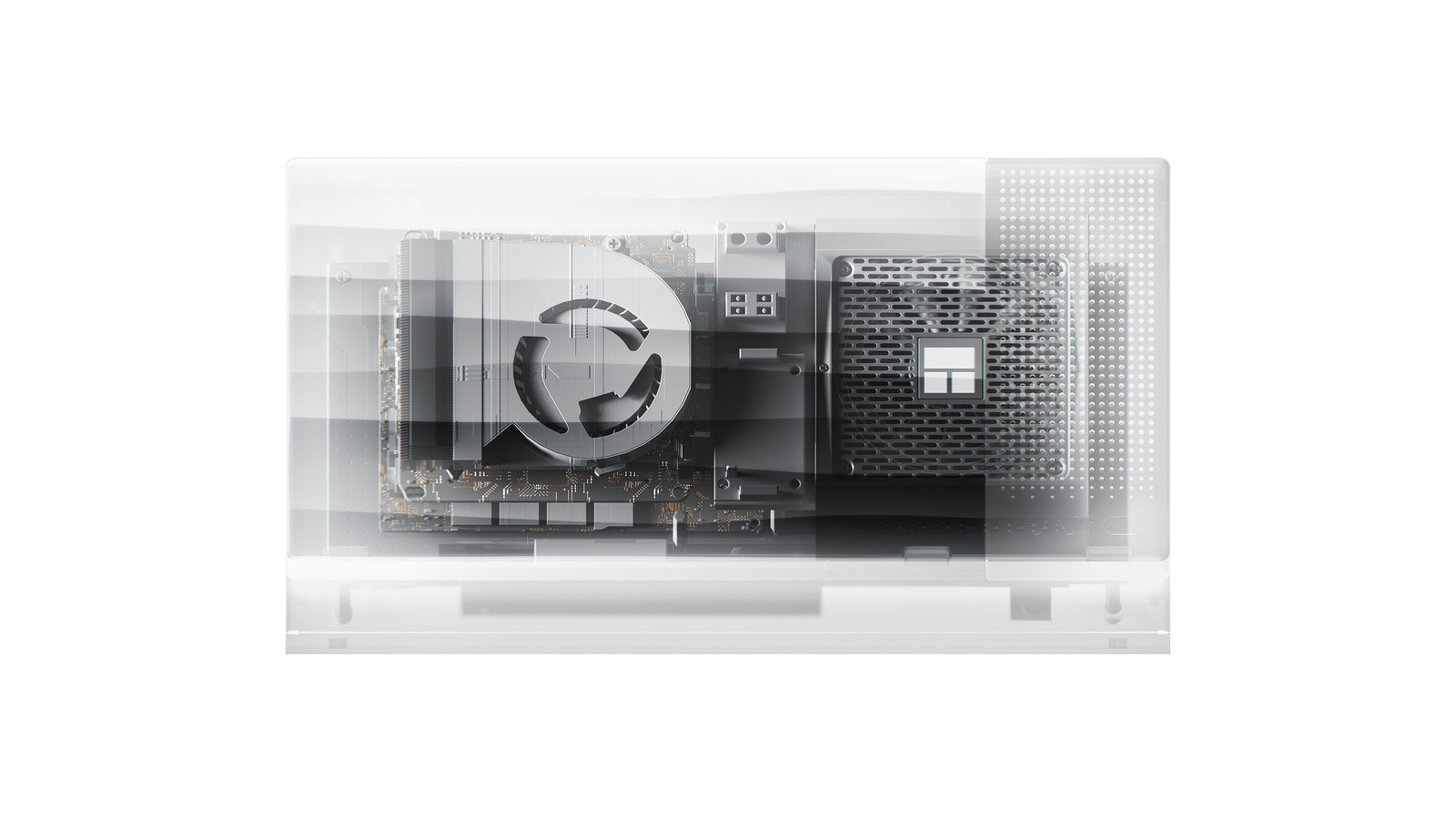
Those real world results will be important. WiCi has published its own demonstrations and benchmarks, but independent testing will be necessary to establish how consistently the platform performs across different wireless environments, network congestion levels, applications and games. Wccftech similarly notes that the concept looks promising on paper but that its wireless implementation still needs verification through independent testing.
WiCi currently lists WiCi One from $1,999 for early signups, compared with a listed standard starting price of $2,599. The company says shipping is expected to begin during Q4 2026, with availability information being provided first to newsletter subscribers.
WiCi One is interesting because it approaches the external GPU problem from a completely different direction. Thunderbolt, USB4 and OCuLink solutions still require a direct physical connection between the computer and graphics hardware. WiCi is attempting to separate those devices entirely while preserving enough of the local GPU experience for gaming, AI and professional applications.
The concept also fits where personal computing is heading. AI workloads are increasing GPU requirements at the same time laptops and mobile devices are becoming thinner and more power constrained. Putting a powerful GPU elsewhere in the room and allowing several devices to access it could make more sense than placing expensive graphics hardware inside every computer.
The technical challenge is significant, especially for gaming and other highly interactive workloads where small latency spikes can quickly become noticeable. If WiCi can demonstrate that its software architecture consistently hides enough of that wireless overhead, WiCi One could become a genuinely different alternative to conventional external GPUs and cloud compute. Until independent testing arrives, however, its strongest performance claims remain manufacturer supplied results rather than established real world performance.
Would you use a wireless RTX 5090 shared between your gaming PC, laptop and local AI systems, or would you still prefer a GPU directly connected through PCIe or OCuLink?
