
Warcraft III Reforged Gets Its First New Campaign in 23 Years With Forsaken Kingdom
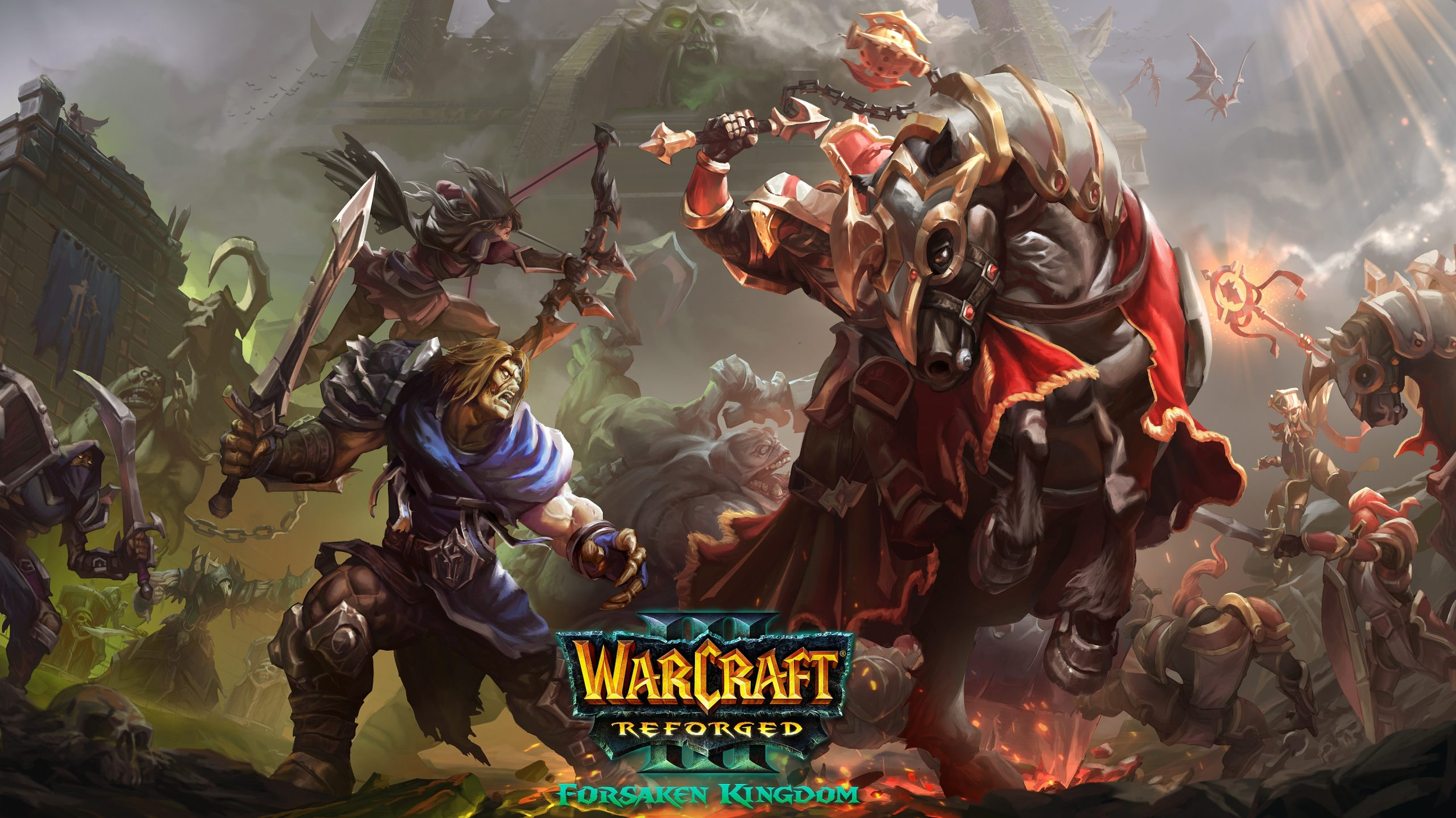
Blizzard has returned to Warcraft III with Forsaken Kingdom, the first new campaign released for the strategy classic in more than 23 years. Announced and released during BlizzCon 2026, the new storyline delivers approximately 30 hours of gameplay and nearly 1 hour of in game cinematics while filling the 4 year narrative gap between Arthas returning to Lordaeron and the beginning of World of Warcraft.
The story is divided into the Last Days of Lordaeron prologue and the much larger Forsaken Kingdom campaign. The 4 mission prologue presents a more traditional Warcraft III experience, placing players with the Capital City Guard as Arthas returns home and Lordaeron begins its collapse. Familiar locations including the capital, the passages beneath what will eventually become the Undercity, Andorhal, and Stratholme return from a different perspective.
The main campaign then shifts toward what Blizzard describes as a soft open world single player RPG structure inspired by The Frozen Throne campaign centered around Rexxar. Players explore the formation of the Undercity while developing heroes through expanded inventories, equipment slots, hero kits, items, and talent systems. The official Forsaken Kingdom Gameplay Trailer provides a closer look at this approach, combining traditional Warcraft III combat with significantly stronger RPG progression and exploration.
The campaign introduces Garek Bandarion, a newly risen Forsaken warrior, alongside Dark Ranger Anya. Their story develops around established Warcraft characters including Sylvanas Windrunner, Putress, Varimathras, Sally Whitemane, Renault Mograine, Arthas, Kel'Thuzad, Ras Frostwhisper, and Baron Rivendare. Blizzard is using the campaign to explain how the Undercity was established, how the Forsaken developed their own identity and society, and why the Scourge did not simply reclaim Lordaeron during the years leading into World of Warcraft.
Forsaken Kingdom also connects directly with Blizzard’s newly announced World of Warcraft: Forever. Blizzard says Forever takes place shortly after the events of the new Warcraft III campaign and launches on November 4, 2026. That makes Forsaken Kingdom more than an isolated return to an older game, since its story now acts as a direct bridge into Blizzard’s new interpretation of the original World of Warcraft era. The direction also follows Blizzard’s promise to map out a much longer future for Warcraft following the World of Warcraft Midnight roadmap and BlizzCon 2026 plans.
Patch 3.0 arrives alongside Forsaken Kingdom and introduces a new Definitive Edition graphics mode for every Warcraft III Reforged player. Blizzard rebuilt more than 600 units while refreshing environments, structures, lighting, fog, and visual effects. The objective is notably different from the original Reforged direction. Instead of pushing Warcraft III toward a more realistic appearance, Definitive Edition attempts to preserve the exaggerated silhouettes, readability, and stylized identity of the 2002 game while increasing visual fidelity. Classic graphics remain available, and players using different visual modes can continue playing together.
The same technology is being extended into the World Editor. Blizzard has added updated lighting and fog systems, greater environmental verticality, and other tools used to create Forsaken Kingdom itself. The campaign’s RPG mechanics were also created using Warcraft III tools, giving custom map developers additional foundations for building larger RPG experiences. Blizzard discussed the campaign design, graphics overhaul, and community tools in considerably greater detail during the official Forsaken Kingdom What’s Next Panel.
Patch 3.0 also introduces the Forsaken Paladin, Warcraft III's first new Tavern hero in more than 20 years. The previous additions, Firelord, Goblin Tinker, and Alchemist, arrived in September 2004. The Forsaken Paladin uses Consecration, Righteous Fury, Sacred Aura, and Cleansing Fire, providing healing, mobility, resistance, crowd control, and offensive utility. The hero is available in multiplayer without requiring ownership of Forsaken Kingdom and supports Classic, Reforged, and Definitive Edition graphics. Unit selection groups have also been expanded from 12 units to 24.
Forsaken Kingdom therefore represents considerably more than a nostalgia release. Blizzard is adding a substantial new story, rebuilding Warcraft III's visual presentation, expanding its multiplayer roster, improving its creation tools, and directly connecting the game with the future of World of Warcraft. More than 2 decades after The Frozen Throne, Warcraft III is receiving meaningful new content again rather than simply another maintenance update.
Forsaken Kingdom may be the clearest indication yet that Blizzard wants Warcraft III to remain an active part of the franchise rather than a preserved legacy title. A 30 hour campaign is substantial enough to stand alongside major modern expansions, but the more interesting decision is building it around the missing years between Warcraft III and World of Warcraft.
The Rexxar inspired structure is also a smart choice. Warcraft III already proved more than 20 years ago that its engine could support exploration, items, persistent heroes, and RPG progression beyond conventional base building. Forsaken Kingdom takes that idea considerably further while giving Blizzard an opportunity to tell a character focused story about Sylvanas and the creation of the Forsaken.
After the difficult launch of Reforged, Definitive Edition also feels like Blizzard acknowledging that Warcraft III never needed to abandon its original visual identity to look modern. Whether this finally repairs Reforged's reputation will depend on players, but Forsaken Kingdom gives them a much stronger reason to return.
Is a 30 hour Forsaken campaign enough to bring you back to Warcraft III, or would you rather Blizzard move forward with Warcraft IV?
