
Valve’s Rumored Steam Machine Could Be PlayStation’s Next Real Rival, Says Former Xbox Executive
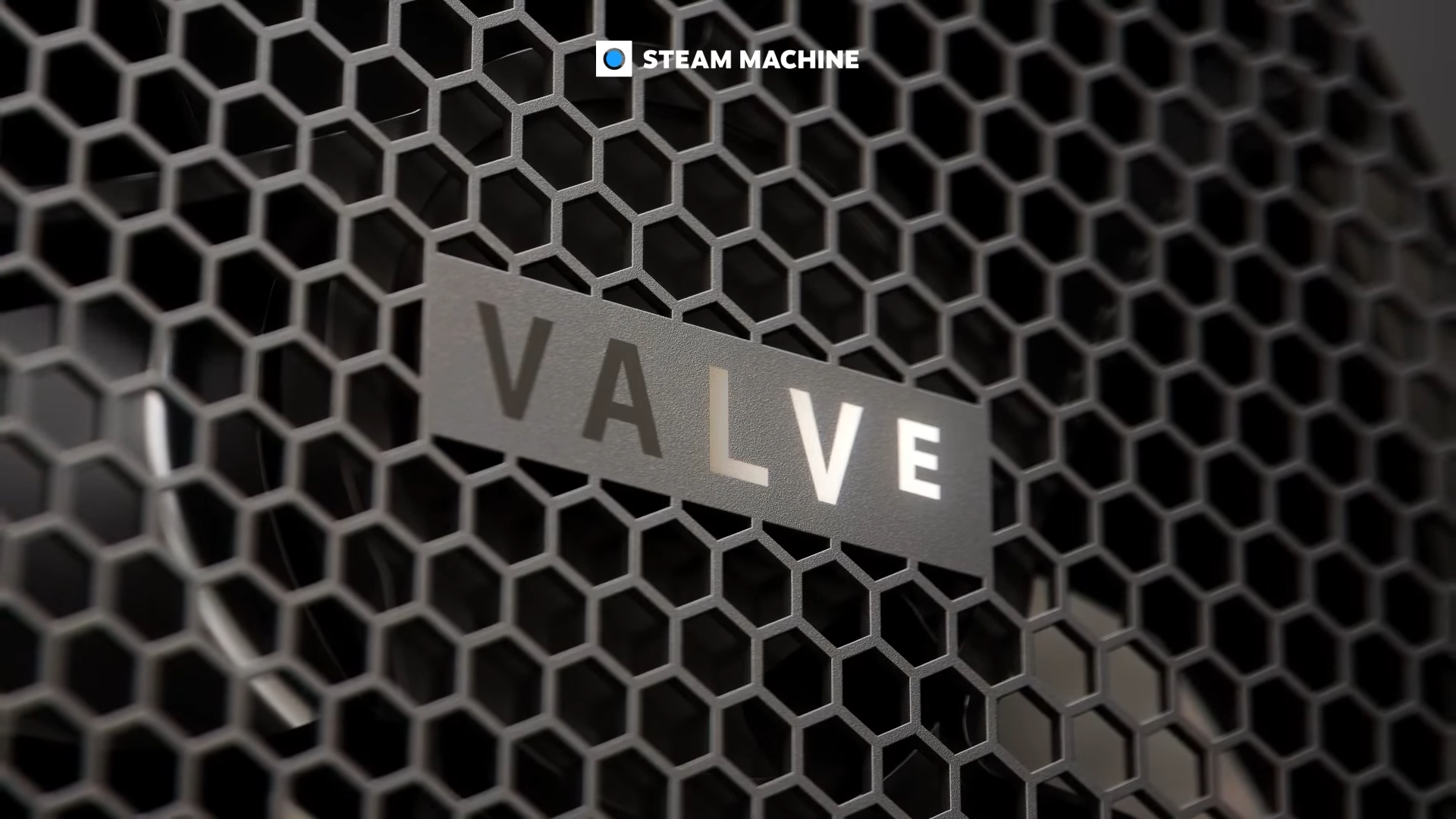
Valve’s still unannounced Steam Machine is already becoming one of the most debated topics in the gaming hardware space, and now former Xbox executive Mike Ybarra has added more fuel to that conversation. In a recent comment, Ybarra claimed Sony sees Valve as a major future competitor, especially as the company pushes further into the living room with SteamOS driven hardware. His remarks come as reports suggest Sony may be pulling back from releasing some major first party single player games on PC, including Ghost of Yotei and Saros, in what appears to be a renewed focus on strengthening the PlayStation ecosystem.
According to Ybarra, Sony may already view Xbox as less of a long term threat than before, while Valve represents a more disruptive challenger. His argument is that Valve is positioned differently from traditional console makers because it enters the market with Steam, SteamOS, a massive existing user base, and an ecosystem that already offers consumer friendly features many console players still do not have. These include access to thousands of games, family library sharing, flexible hardware options, free online multiplayer, and Steam’s refund policy. That combination, in his view, gives Valve a serious strategic advantage if it can successfully bring a console style experience into the living room.
That said, the skepticism from the gaming community is understandable. Unlike PlayStation or Xbox, Valve’s rumored system still lacks official pricing, full specifications, and a release date. That makes it difficult to judge whether it can truly compete at scale with a traditional console. Price is likely to be one of the biggest pressure points. If the hardware lands too far above the PlayStation 5 or whatever Sony positions for the next generation, Valve may struggle to move beyond the enthusiast market. For mainstream buyers, value remains critical, and that includes not just raw performance, but convenience, plug and play simplicity, and a clear reason to choose one platform over another.
Still, Valve should not be underestimated. The Steam Deck already proved that the company can turn a PC based ecosystem into a compelling gaming device with real market traction. A living room focused Steam Machine could expand that strategy in a much bigger way, especially if Valve works with third party manufacturers to create multiple tiers of SteamOS devices. That would give players more flexibility than a fixed console model and could create a broader hardware spectrum ranging from entry level systems to premium enthusiast machines. If that happens, Sony may need to respond not just with stronger exclusives, but also with more ecosystem level features that match what PC players already consider standard.
For now, the bigger picture is what makes this story so interesting. Sony appears to be rethinking its PC strategy, Xbox continues to blur the line between console and platform, and Valve may be preparing its boldest move into the living room yet. Whether the Steam Machine becomes a true PlayStation rival or stays a premium niche device will depend on pricing, execution, and how well Valve translates the power of Steam into a console friendly experience. But if Ybarra is right, the next generation may not be defined by Sony versus Xbox at all. It may be shaped by Sony versus Valve.
What do you think, could a SteamOS living room device seriously challenge PlayStation in the next generation, or would it remain a niche system for PC enthusiasts?
