
Valve Sets Steam Machine Verified Floor at Native 1080p and 30 FPS at GDC 2026
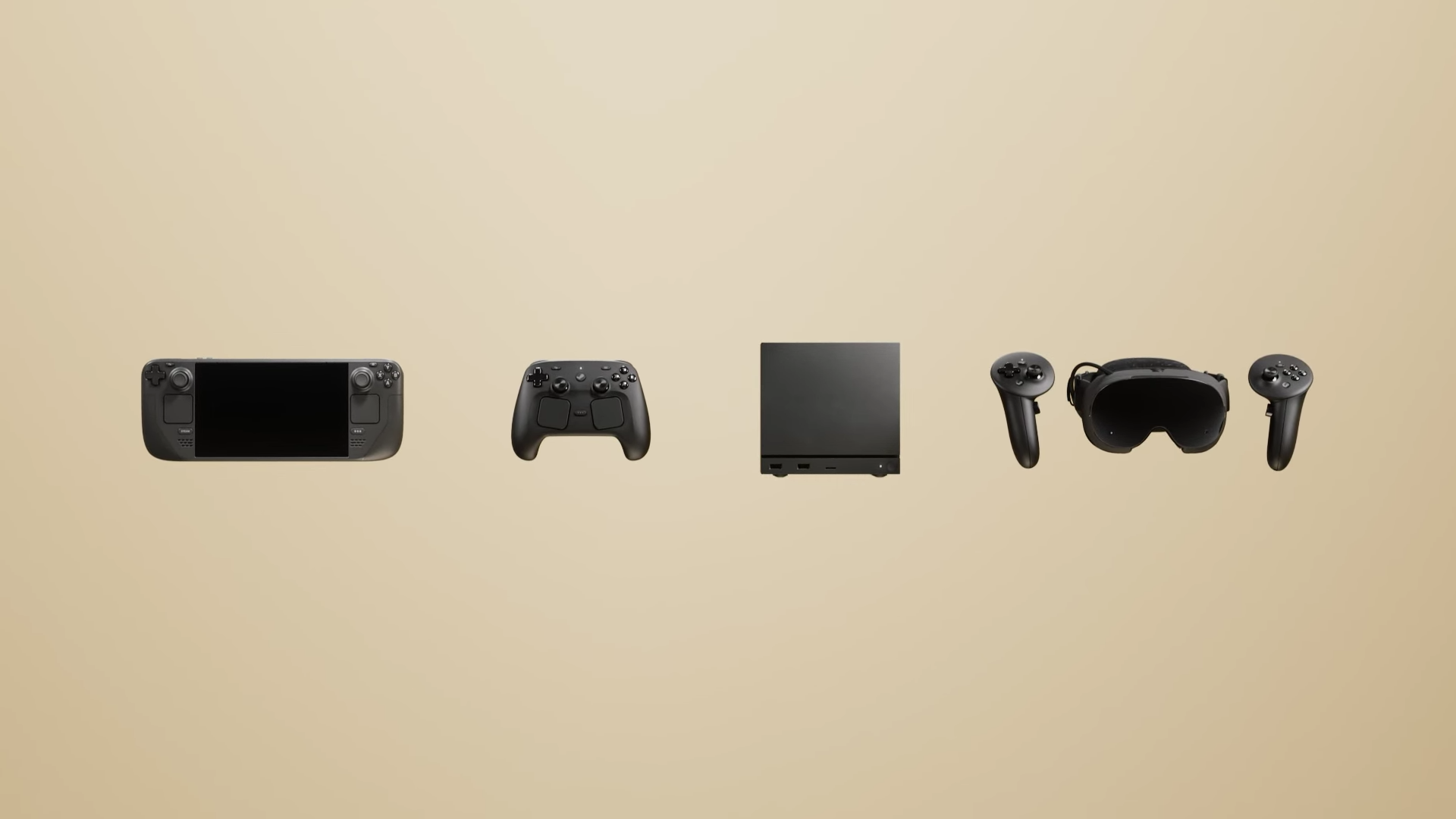
Valve has now formally outlined what developers need to hit for the new Steam Machine Verified badge, and the baseline is more grounded than some of the earlier excitement around 4K gaming may have suggested. In the company’s official GDC 2026 hardware talk, Valve states that Steam Machine Verified targets 30 FPS at 1080p for certification, while also confirming that all Steam Deck Verified games will automatically be considered Steam Machine Verified.
That makes the new requirement one of the clearest performance signals yet for Valve’s upcoming living room hardware. The most important takeaway is that the Steam Machine Verified badge is built around a native 1080p, 30 FPS minimum floor, not a blanket promise of native 4K at 60 FPS across the board. Valve’s own slide also describes the target system as delivering roughly 6 times Steam Deck performance, while noting that the company is not testing display resolution or legibility as part of the badge process.
This matters because it puts the earlier 4K messaging in context. Higher output resolutions and smoother frame rates should still be achievable in many games, especially with lighter titles or upscaling, but Verified itself is clearly designed as a practical floor rather than an aspirational showcase mode. For developers and players alike, that gives the badge more realistic meaning. If a game is Steam Machine Verified, the expectation is not maximum settings hero numbers. The expectation is dependable controller friendly play on the target hardware at a usable big screen standard.
Valve also confirmed that input expectations remain the same as Steam Deck, which means controller readiness remains central to the program. At the same time, the company appears to be allowing some flexibility for titles that may not have qualified on Steam Deck for performance reasons. According to the slide deck, if a game missed Deck support because of performance limits rather than compatibility or interface issues, Valve may conduct a separate test to determine whether it still reaches the Steam Machine floor. That creates a useful lane for games that simply needed more horsepower than the handheld could offer.
Another notable detail is what Valve is not checking. The company says it is not testing display resolution or legibility for Steam Machine Verified, which makes sense given the product’s expected use on larger displays. That difference could potentially help some games land better on Steam Machine than on Steam Deck, especially titles where small text or handheld readability created friction in the Deck program.
Valve used the same GDC session to outline standards for Steam Frame Verified as well, giving more shape to its broader hardware ecosystem for 2026. For Steam Frame, Valve says standalone VR titles must hit 90 FPS, while standalone 2D games need to reach 30 FPS at 1280 x 720, with legible UI required and full support for Steam Frame controllers. That side by side comparison makes it even easier to see how Valve is segmenting expectations by device type rather than applying one universal badge standard.
The bigger strategic takeaway is that Valve is trying to keep its verification ecosystem predictable as its hardware lineup expands. By making all Deck Verified games automatically Machine Verified, Valve instantly gives the Steam Machine a strong software foundation. At the same time, the 1080p and 30 FPS requirement sets a very understandable benchmark for developers targeting the new box. It may be less flashy than headline claims about 4K gaming, but it is also a much stronger signal for real world usability and launch readiness.
For PC gamers, this is probably the smarter move. A certification system built on realistic expectations is more useful than one built on marketing extremes. And if the Steam Machine does land with enough performance headroom to push many games beyond that floor, then that becomes a bonus rather than a broken promise.
What do you think about Valve’s verification target, is native 1080p at 30 FPS the right baseline for Steam Machine, or were you expecting a more aggressive floor for a 2026 launch?
