
User Reports RTX 4090 Artifacts and Crashes, Says Inno3D Initially Suggested Replacing Thermal Paste Instead of Handling RMA
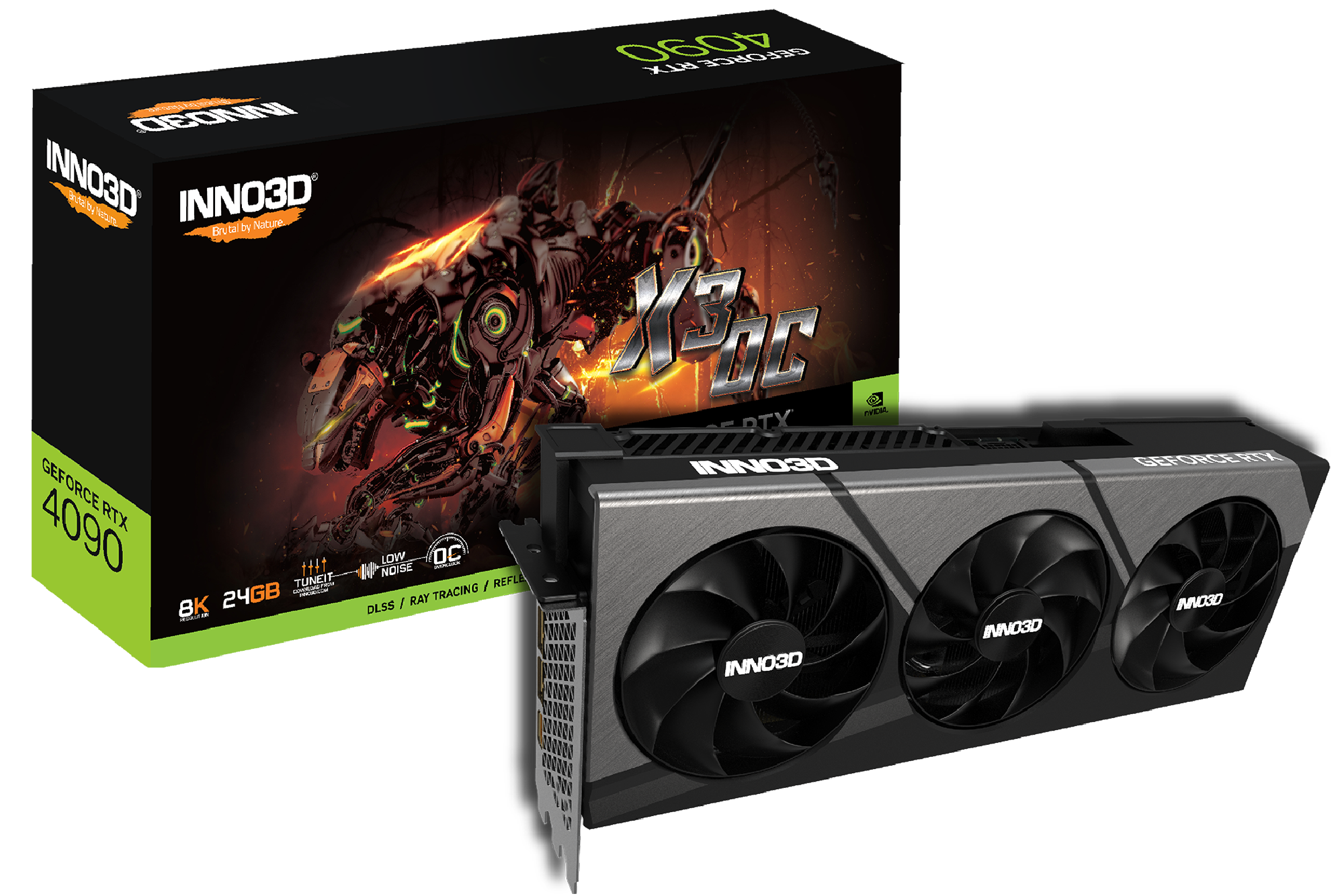
A new warranty dispute involving an Inno3D GeForce RTX 4090 iChill is drawing attention after a Reddit user alleged that the company initially advised self repair instead of immediately processing an RMA. In the original Reddit post, the user says the card is around 2 years and 3 months old and still within a 3 year warranty window, but had recently started showing serious instability, including crashes under load, black screen artifacts, and full system freezes requiring a forced reboot.
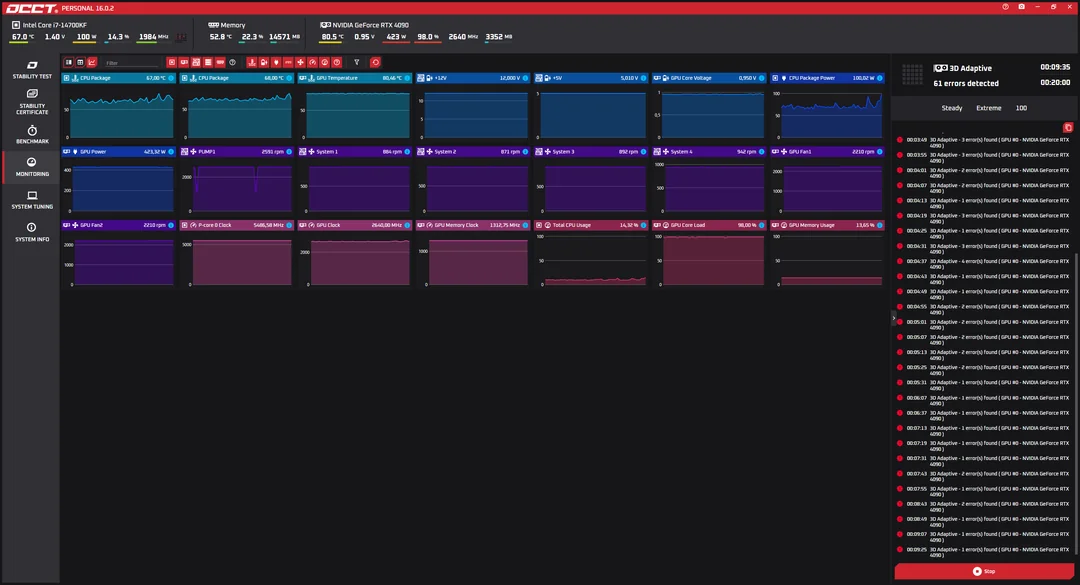
According to the post, the user says they had already gone through several standard troubleshooting steps before contacting support. They claim they checked cables and power delivery, confirmed no overclocking was applied, updated drivers, and reproduced the issue across multiple workloads including games and AI tasks. The same post also says OCCT was reporting errors within minutes, which the user took as a sign that the problem went beyond a simple temperature spike.
The most controversial part of the story is the support exchange itself. The user says Inno3D first directed them back to the retailer, even though the retailer’s 2 year coverage had already expired. After further exchanges, the user claims Inno3D suggested opening the graphics card and replacing the thermal paste manually, quoting a support reply that said, “If you want to try this repair, I suggest you first replace the thermal paste and then test again.” The user says they refused because they did not want to dismantle a graphics card worth over 2,000 euros themselves and were concerned that doing so could affect the warranty.
It is important to frame this carefully. At this stage, this is still a user reported case posted publicly on Reddit, not an independently verified finding or an official public policy statement from Inno3D. There is no public screenshot in the post showing the full support email chain, and there is no official statement from Inno3D included in the source material. What is documented in the thread is the user’s account, the symptoms they described, and their later update.
That later update is significant, though. The same Reddit post was updated on March 25, 2026, with the user saying they had finally received RMA approval and planned to send the card in, even though they remained worried about what would happen next. So while the complaint centers on what the user saw as an attempt to avoid handling the case properly, the RMA was reportedly accepted in the end.
As a result, the bigger issue here is less about proving a specific hardware defect and more about how the support process was handled. If the user’s account is accurate, the frustration came from being redirected between seller and manufacturer, then being encouraged to try a repair step on a still covered premium GPU before the warranty path was clearly opened. For enthusiasts spending this much on flagship hardware, that kind of uncertainty can quickly become as damaging to trust as the fault itself. That final point is an inference based on the user’s report, not a confirmed statement from Inno3D.
Do you think support teams should ever suggest self repair steps like thermal paste replacement on a flagship GPU that is still under warranty, or should cases like this go straight to RMA?
