
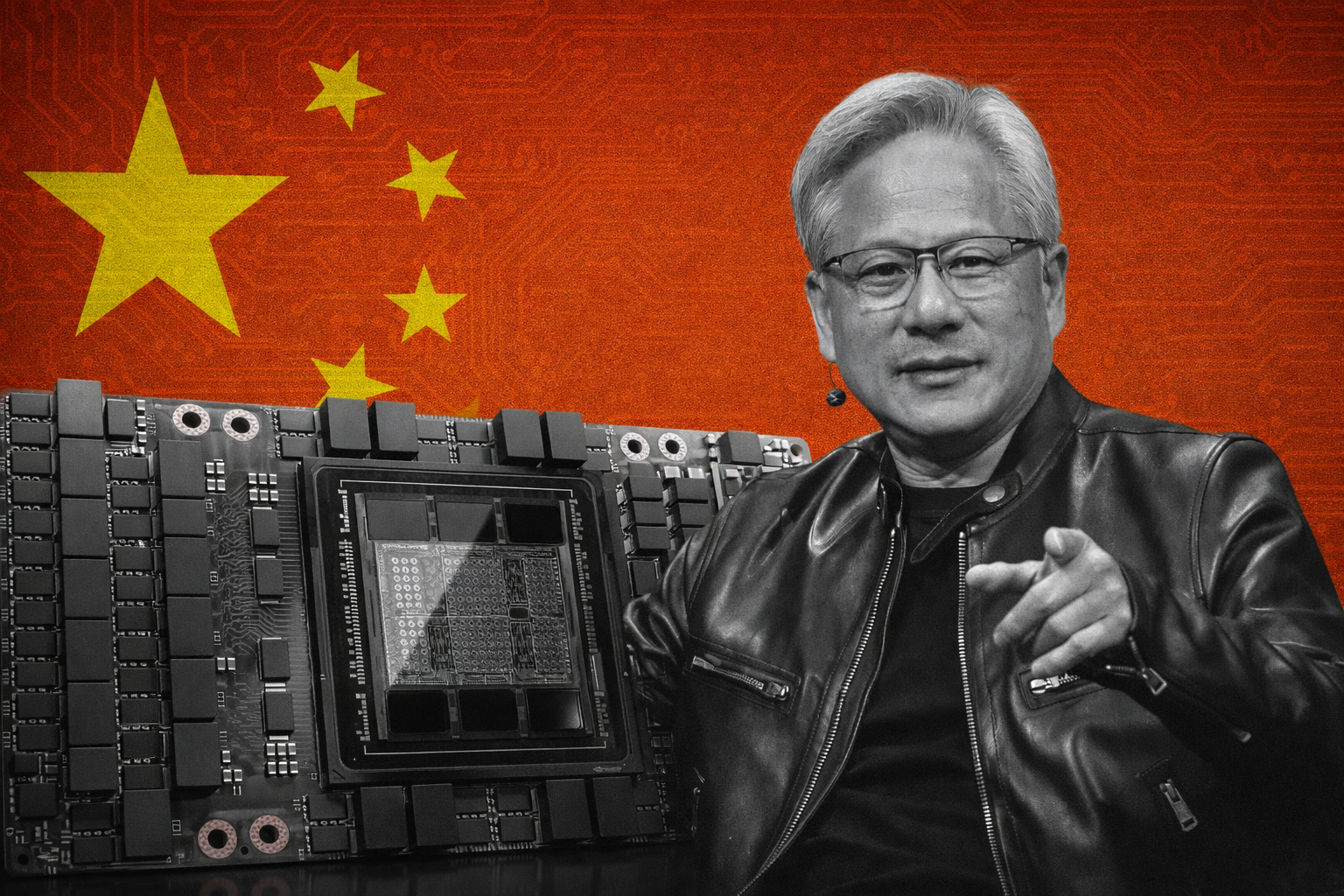
The United States has introduced sweeping restrictions on advanced AI chip exports to Singapore, Malaysia, Indonesia, Thailand, and Brazil, targeting overseas data centers that allow Chinese companies to access restricted NVIDIA hardware. The new regulations arrive as Treasury Secretary Scott Bessent demands answers from NVIDIA within 10 days over allegations that questionable semiconductor transactions may have inflated the company's revenue.
According to the US Bureau of Industry and Security, the interim final rule announced on November 16, 2026, introduces additional licensing requirements for advanced AI processors shipped to the 5 countries. The restrictions target a major gap in existing export controls, where Chinese companies unable to purchase advanced NVIDIA accelerators directly could instead rent computing capacity from overseas data centers. The regulations also require operators providing substantial computing resources to restricted jurisdictions to obtain US authorization and implement stricter customer verification procedures.
The policy extends American export oversight beyond physical semiconductor shipments to certain remote computing services. Data center operators must verify customer identities, ownership structures, and potential connections to restricted Chinese entities. Facilities providing significant computing capacity to affected customers face licensing requirements, with existing operators receiving a 90 day compliance window. However, the measures are not a blanket prohibition on all semiconductor exports to the 5 countries, and certain operations, including qualifying US operated data centers, receive exemptions.
The announcement follows growing scrutiny surrounding Chinese AI companies rushing to secure overseas NVIDIA computing capacity. Investigations involving Singapore based Megaspeed International have raised questions about whether restricted NVIDIA accelerators were supplied to Chinese customers through third party infrastructure. According to Reuters, US authorities began investigating Megaspeed in 2024, while NVIDIA placed the company on its restricted customer list in June 2025. Megaspeed maintains that it complies with applicable export regulations, and allegations of illegal semiconductor diversion remain under investigation.
Meanwhile, Treasury Secretary Scott Bessent has intensified pressure on NVIDIA following the resignation of Jensen Huang. During a November 15 interview with Fox News, Bessent questioned whether the company's leadership had encouraged potentially improper GPU transactions to increase revenue and earnings. He demanded explanations from NVIDIA's board and external legal counsel within 10 days while calling for an independent leadership appointment.
"I think we need answers within the next ten days from the Board and from the outside counsel." Quote by: Scott Bessent, US Treasury Secretary.
The controversy follows reports alleging that Megaspeed arranged approximately 12 billion$ in advanced NVIDIA GPU orders connected to Chinese customers between March 2024 and June 2025, although the number of processors actually delivered remains uncertain. Separately, industry analysis has suggested that substantial quantities of restricted computing hardware reached China through international supply networks. These figures remain reported estimates, and authorities have not established that NVIDIA deliberately violated export controls or inflated its revenue.
The new restrictions could significantly affect Chinese AI developers relying on overseas infrastructure while introducing additional compliance costs for international cloud providers. They also create uncertainty for NVIDIA's data center business, particularly as the company navigates its leadership transition ahead of its November 17 financial results. Although the measures primarily target advanced AI computing hardware, tighter semiconductor supply restrictions could eventually influence global component availability and pricing.
The expansion of US export controls demonstrates how access to advanced computing hardware has become central to international technology policy. While governments have legitimate national security concerns, restrictions targeting overseas infrastructure can also create additional uncertainty for cloud providers, independent developers, and smaller technology companies.
More importantly, allegations involving NVIDIA must be investigated transparently without treating unproven claims as established wrongdoing. Semiconductor manufacturers should remain accountable for compliance, but regulatory decisions must also consider their effects on legitimate customers.
For PC enthusiasts, the broader concern remains the increasing concentration of advanced computing resources among major corporations. Local AI development, affordable GPUs, and consumer hardware availability should not become collateral damage in geopolitical competition. The gaming industry must continue receiving adequate hardware supply rather than being overshadowed by enterprise AI demand.
Will tighter US export restrictions successfully limit China's access to advanced NVIDIA hardware, or will they accelerate domestic semiconductor development while increasing global GPU prices?
