
US Procurement Rule Targets YMTC, CXMT, and SMIC, Raising New Barriers for Chinese Memory in Commercial Products
A proposed rulemaking tied to the Federal Acquisition Regulation is putting renewed pressure on the adoption of Chinese semiconductors across products that touch United States government procurement, and the scope is broad enough that it could ripple into mainstream commercial device planning.
According to analysis of the Federal Acquisition Regulatory Council proposal shared via Lexology, the rule would implement and expand restrictions linked to Section 5949 of the Fiscal Year 2023 National Defense Authorization Act by targeting semiconductor products and services associated with Semiconductor Manufacturing International Corporation, ChangXin Memory Technologies, and Yangtze Memory Technologies, including their affiliates, subsidiaries, and successors.
The definition of what is covered is intentionally wide. The FAR Council language frames a covered semiconductor product or service as semiconductors themselves, products that incorporate those semiconductors, or services that utilize them, when they are designed, produced, or provided by SMIC, CXMT, YMTC, or related entities.
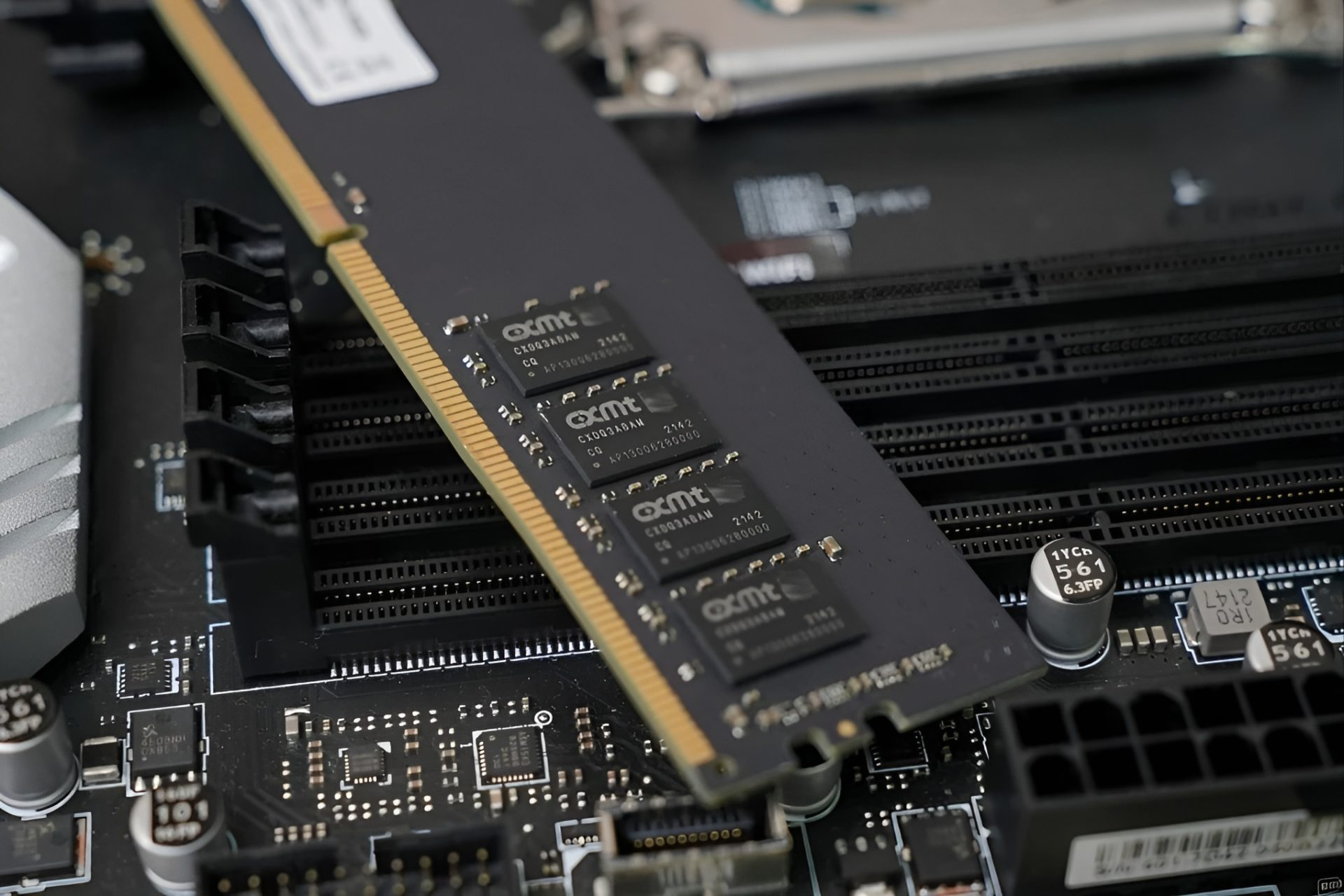
This proposal lands at a time when the DRAM and storage markets are already strained, and manufacturers have been exploring alternative sourcing options to stabilize supply and pricing. CXMT in particular has been viewed by some as a potential pressure relief valve for DRAM, especially for consumer and client devices where the big suppliers are increasingly pulled toward enterprise and AI demand.
The problem is that government procurement rules do not stay inside government. If restrictions expand and compliance burdens rise, many OEMs and platform vendors may choose to avoid Chinese memory and foundry components altogether to keep product lines eligible for public sector sales, reduce audit exposure, and avoid supply chain certification risk. That creates a chilling effect that can reduce the practical addressable market for CXMT and YMTC even in consumer categories.
Based on the rule outline discussed in the legal coverage and related reporting, the proposal is open for public comment until 04 20 2026.
The restrictions are described as taking effect on or after 12 23 2027, with a prospective application approach that avoids forcing immediate removal and replacement of existing equipment acquired before that date.
Another key detail highlighted in the discussion is that the framework is written to cover commercial products and services, including commercial information technology and telecommunications, with thresholds discussed around items valued at 15,000 dollars or less. That pricing boundary is important because it captures a massive range of real world hardware that gets bought at scale, including typical end user devices and commodity IT.
For consumer electronics, the immediate question is not whether CXMT or YMTC can technically supply components, but whether device makers will consider it operationally safe to integrate them if doing so could reduce eligibility for public sector procurement or increase compliance burden across product families. Even if a company plans a consumer only SKU, shared boards, shared firmware baselines, and shared supply chains often blur boundaries, making it cheaper to standardize on approved parts rather than maintain parallel bill of materials paths.
That is why this rulemaking is being watched closely by the industry, especially with the broader context of component shortages and cost inflation. It raises the possibility that even if Chinese memory could ease supply pressure, policy driven risk could keep adoption constrained.
If Chinese DRAM and NAND could materially reduce pricing pressure, should OEMs still avoid it to stay compliant with procurement rules, or should they build separate consumer only supply chains to keep costs down?
