
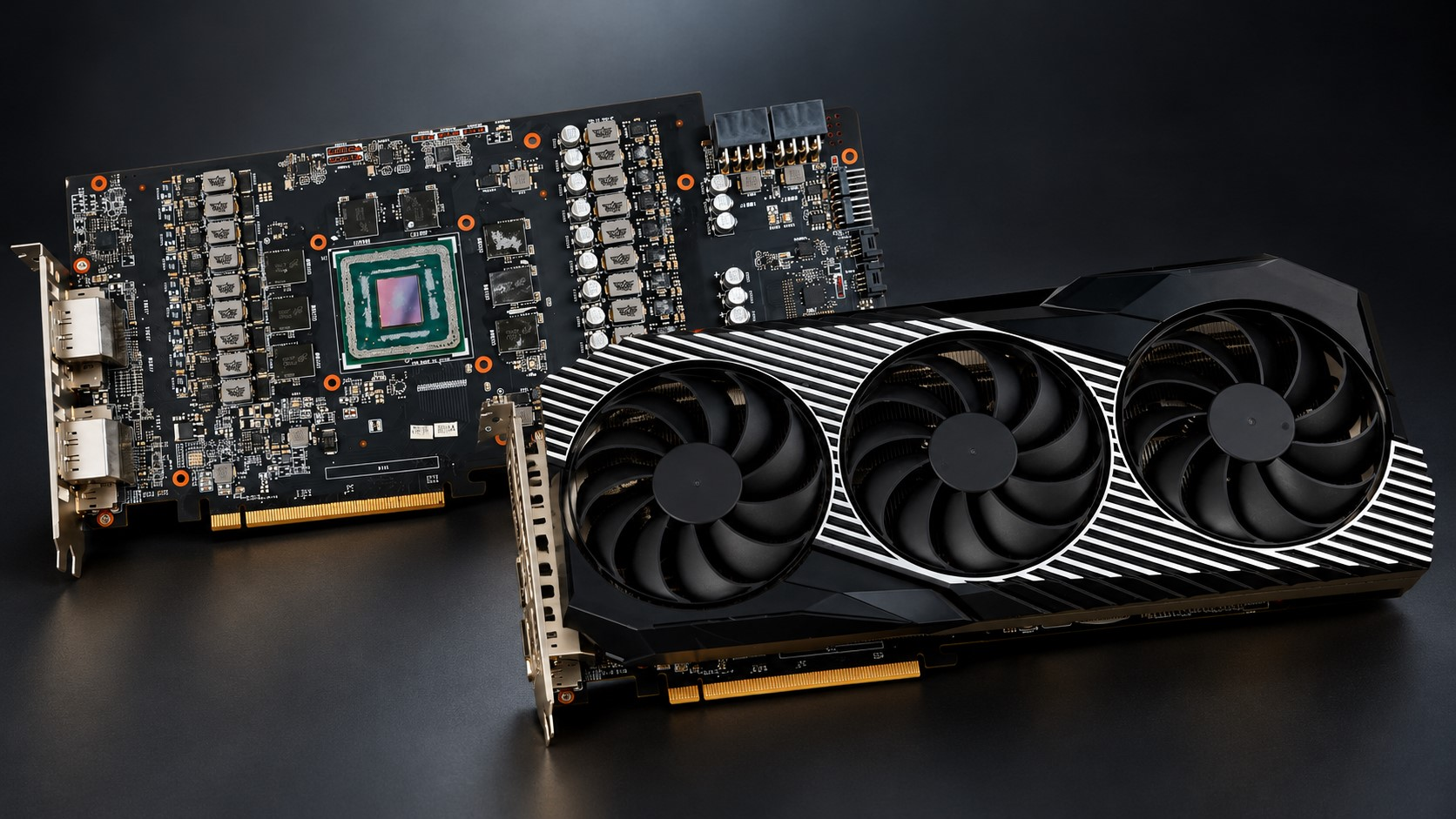
An unreleased ASUS Radeon RX 5700 XT graphics card, believed to be a canceled ROG Matrix model, has surfaced online nearly 7 years after AMD introduced its first generation RDNA architecture. The engineering sample was showcased by Chinese hardware enthusiasts through Bilibili, with additional technical information shared by UNIKO's Hardware. The prototype features a substantially upgraded cooling system, additional voltage regulation components, and a reported 280W power limit, suggesting ASUS was exploring a more aggressive enthusiast design than its commercially released ROG Strix RX 5700 XT.
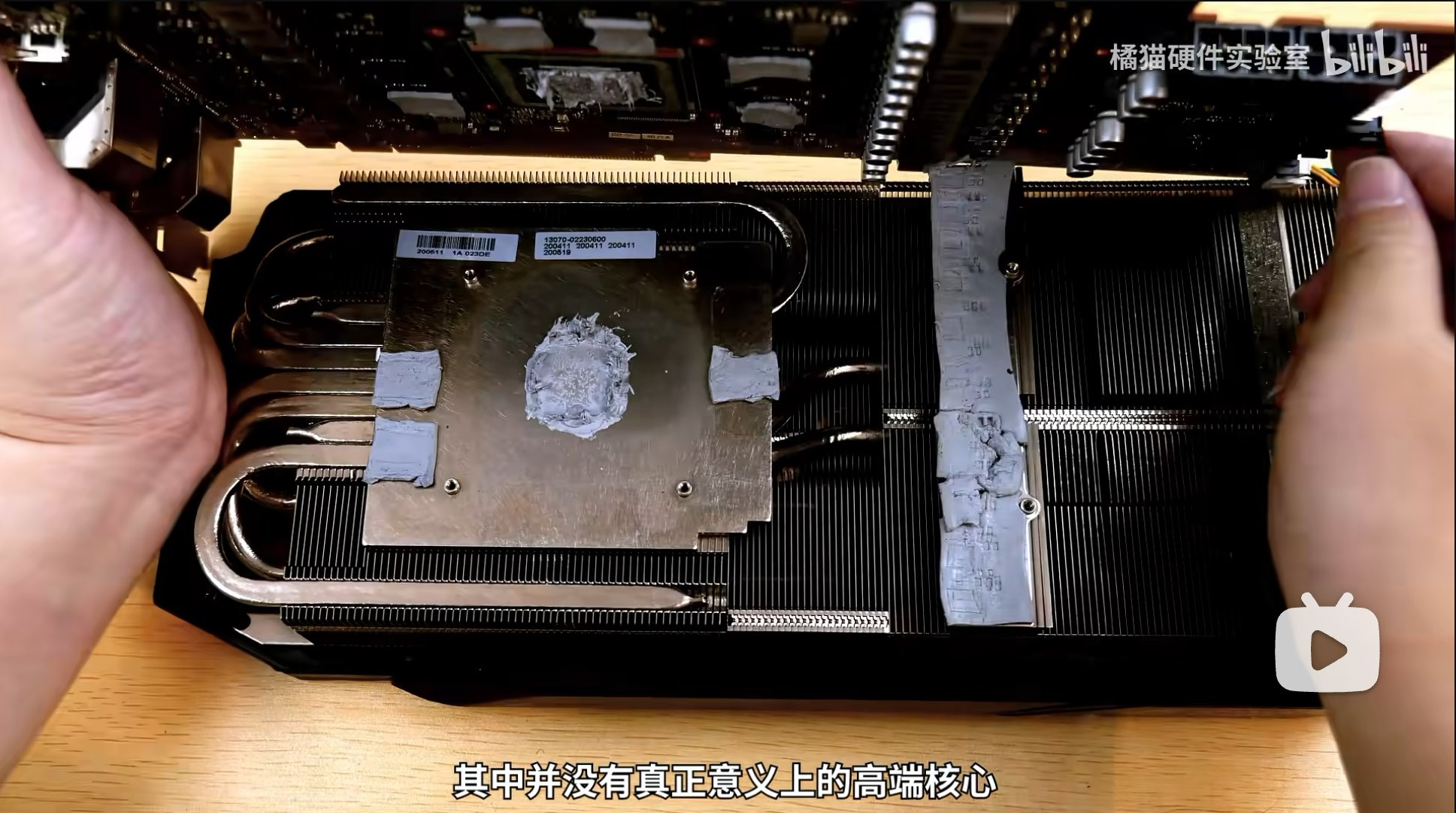
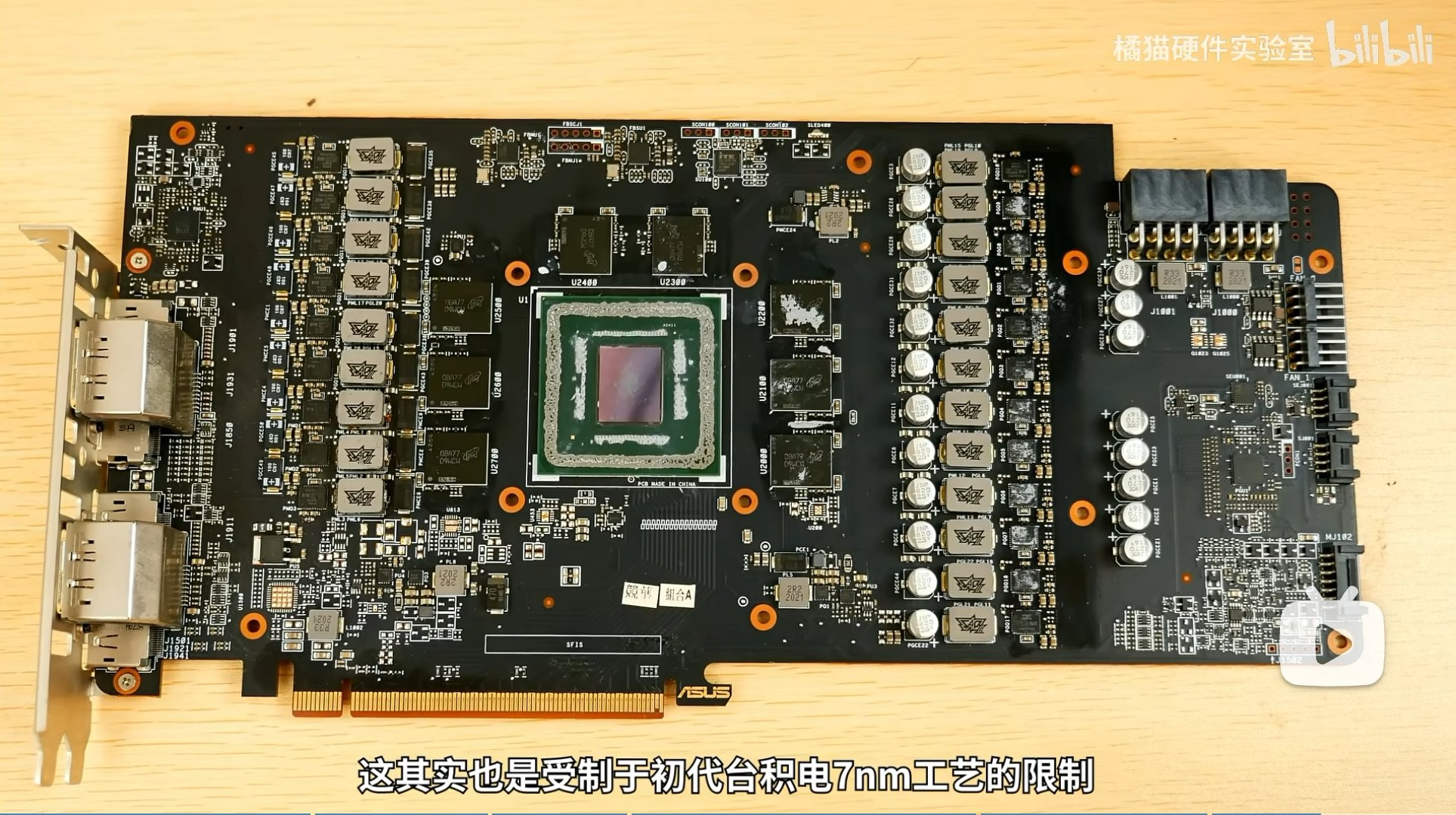
The prototype retains a triple fan configuration but introduces a redesigned heatsink with 7 heat pipes compared with the 6 found on the retail ROG Strix model. A larger copper contact plate covers both the Navi 10 GPU and surrounding GDDR6 memory chips, potentially improving thermal distribution under sustained workloads. The circuit board also features additional VRM power phases beyond the 11+3 configuration used by the ROG Strix, providing greater electrical capacity for GPU overclocking. Interestingly, the engineering sample lacks the metal reinforcement plate and rear backplate found on the retail version, suggesting the hardware was still undergoing development and validation.
More notably, a VGA BIOS uploaded to TechPowerUp reportedly reveals a GPU boost target of 2100 MHz and a 280W power limit. For comparison, the commercially released ASUS ROG Strix RX 5700 XT operates at up to 2010 MHz in its standard configuration and 2035 MHz in OC mode. Although the prototype's firmware suggests additional overclocking headroom, its sustained operating frequencies, thermals, and gaming performance have not been independently verified.
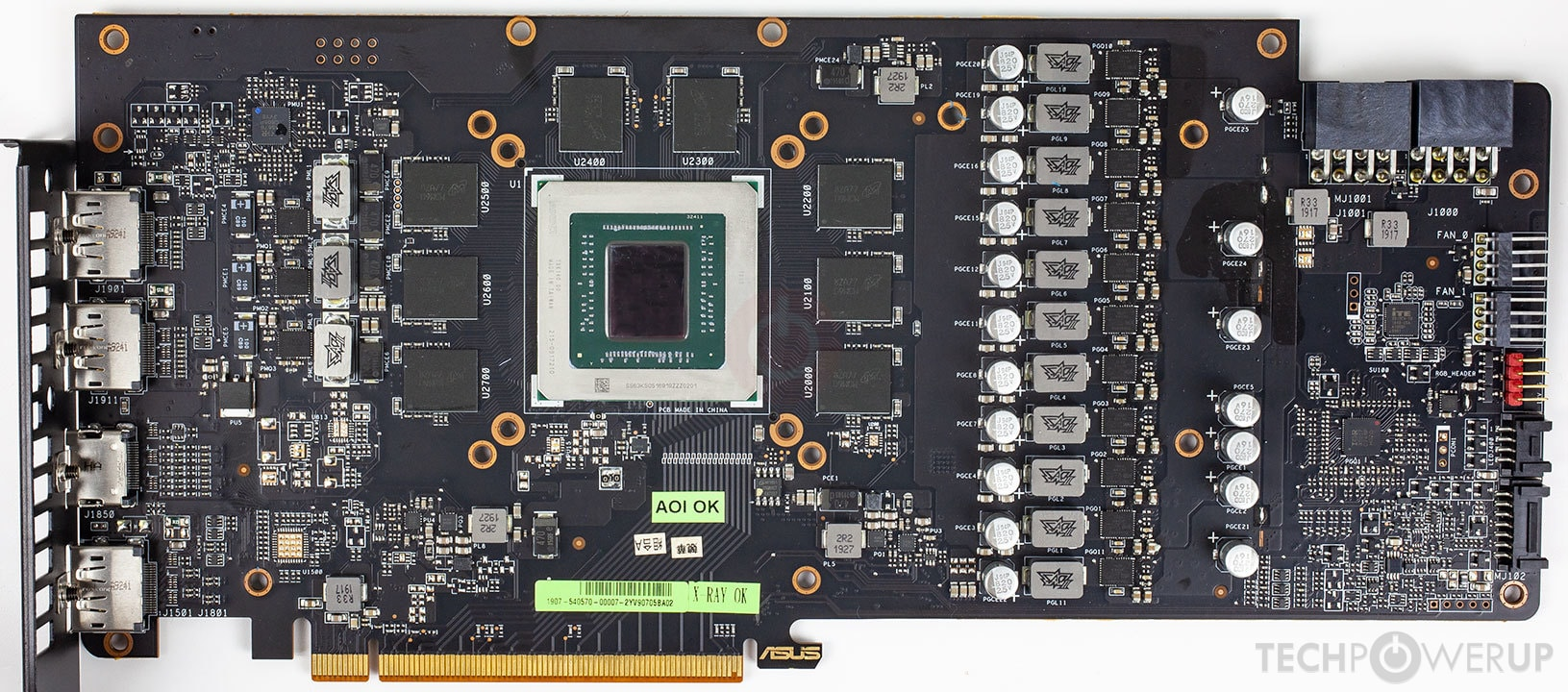
ASUS RX 5700 XT Prototype vs ROG Strix
| Specification | ROG Matrix Prototype | ROG Strix RX 5700 XT |
|---|---|---|
| GPU Architecture | AMD RDNA 1 | AMD RDNA 1 |
| GPU | Navi 10 | Navi 10 |
| Boost Clock | Up to 2100 MHz reported | 2010 MHz / 2035 MHz OC |
| Video Memory | 8GB GDDR6 | 8GB GDDR6 |
| Power Limit | 280W reported | Lower retail configuration |
| Cooling | Triple fan, 7 heat pipes | Triple fan, 6 heat pipes |
| VRM Design | Additional power phases | 11+3 phases |
| Availability | Unreleased prototype | Retail release in 2019 |
Despite its ambitious specifications, ASUS never commercialized the design. The company introduced its ROG Matrix GeForce RTX 2080 Ti in 2019 but ultimately limited its Radeon RX 5700 XT lineup to other product families, including ROG Strix. ASUS has not officially confirmed the prototype's Matrix designation or explained why the project was discontinued. Nevertheless, the discovery offers an interesting look at how far manufacturers were willing to push AMD's original Navi architecture before the arrival of RDNA 2.
This prototype highlights an era when manufacturers experimented extensively with custom PCB designs, oversized cooling solutions, and aggressive power delivery to extract additional performance from existing GPU architectures. While a 280W RX 5700 XT might have appealed to extreme overclocking enthusiasts, the additional manufacturing costs and relatively modest clock speed advantage could have made it difficult to position competitively. Its discovery also illustrates how engineering samples can reveal ambitious hardware concepts that never reach commercial production.
Would you have considered a premium ROG Matrix RX 5700 XT with a 280W power limit, or was ASUS right to prioritize the more conventional ROG Strix design?
