
Unreal Engine 6 Is Not Just A Visual Upgrade, It Is Epic’s Plan To Change How Games Are Built, Shipped, And Shared
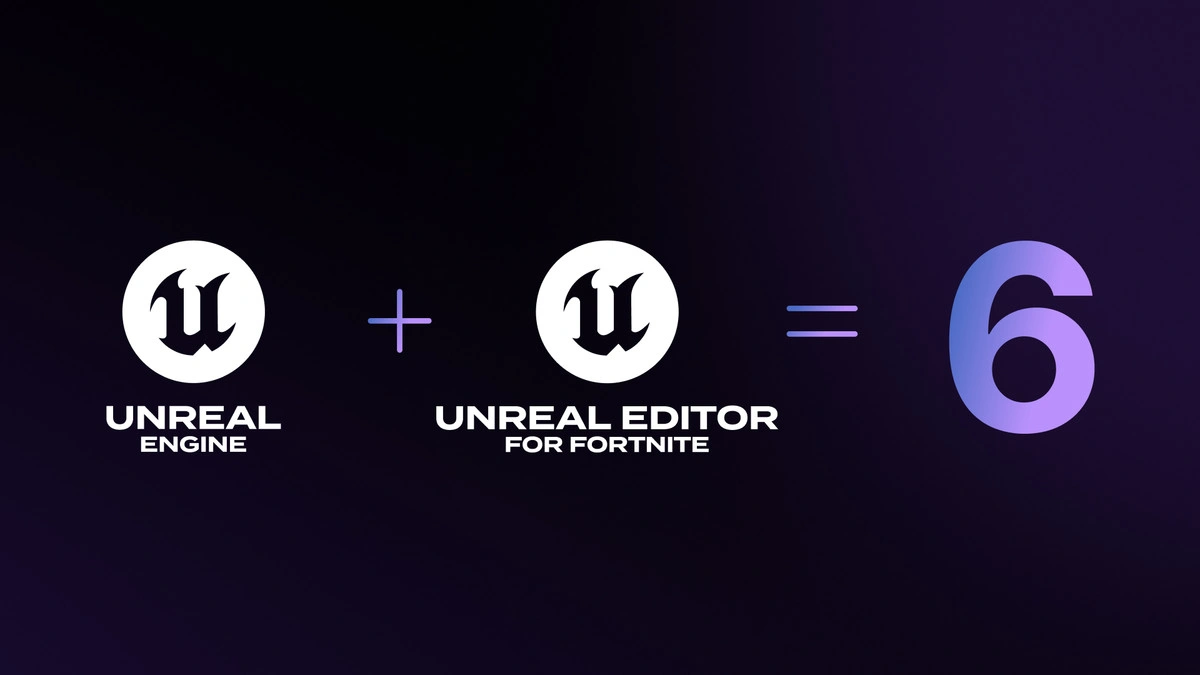
Epic Games has revealed a clearer vision for Unreal Engine 6, and the message from Tim Sweeney is that the next engine is not only about better rendering, larger worlds, or more advanced lighting. UE6 is being designed as a new foundation for how games are created, shipped, operated, and connected across platforms. During Epic’s latest presentation, Sweeney explained that the goal is to let developers build something once in Unreal Engine 6 and ship it across console stores, PC stores, mobile stores, Fortnite, and potentially other UE6 games built by different developers.
"The vision is that if you build things once in Unreal Engine 6, then you can have a game you can ship everywhere, including the console stores, PC stores, mobile stores, and ship live with the Fortnite ecosystem or any other UE6 game built by any other developer."
— Tim Sweeney.
That vision is supported by Epic’s official roadmap in The Road to Unreal Engine 6, where the company describes UE6 as the unification of Unreal Engine 5 and Unreal Editor for Fortnite into a single next generation engine. Epic says UE4 opened the engine to everyone, UE5 reinvented world building, and UE6 is about evolving how games are shipped and operated. That difference matters because the next engine cycle is not being positioned as a normal technical update. It is being built as a connected development ecosystem where premium games, live service projects, Fortnite experiences, shared assets, and creator economies can operate from the same foundation.
Verse is at the center of this strategy. Epic describes Verse as a next generation programming language built for massive persistent worlds, global state, and transactional concurrency handled by the runtime. In simpler terms, Epic wants developers to write logic in a way that feels closer to a single machine workflow while the engine handles the much harder job of scaling that logic across multiple servers. Verse’s transactional system can roll back and resimulate work when needed, and Epic is working toward a distributed model where game objects can migrate between servers automatically. If that works as intended, UE6 could reduce one of the biggest barriers in large online game development: building reliable backend and networking logic for persistent worlds.
Scene Graph is the other major foundation. Built from scratch on Verse, Scene Graph is Epic’s new gameplay framework for UE6, designed to make it easier to create games, build experiences, and reuse interoperable components across projects. This is not only a replacement for older gameplay code. It is part of a wider shift toward portable systems that can move between games more easily. Epic says Actors and Blueprints will still exist in early versions of UE6, with conversion tools planned later once the new framework is mature enough. That is important for studios currently building in UE5 because Epic is trying to avoid a hard break during the transition.
Portability is where UE6 becomes more ambitious and more controversial. Epic wants content, code, and economies to become portable across games, ecosystems, and engines through open specifications. The company specifically mentions support for standards such as glTF and USD where they fit, while also opening some Unreal systems through Verse APIs, asset conventions, and documentation. Fortnite cosmetics will be the first major test case, with Epic planning to let developers support player owned Fortnite outfits in other games and build outfits that can work inside Fortnite. The long term idea is a shared economy for smart assets that carry player value across different experiences.
This is a major business shift for gaming. If Epic can make portable cosmetics and smart assets work at scale, UE6 could become more than an engine. It could become an economic layer for games, similar to how Fortnite already functions as a social platform, creator marketplace, and live entertainment hub. For players, the promise is that money spent on certain assets could retain more value across different games. For developers, the opportunity is cross promotion, shared audiences, and faster content creation. The risk is that the system could blur the line between creative game identity and platform driven monetization if not handled carefully.
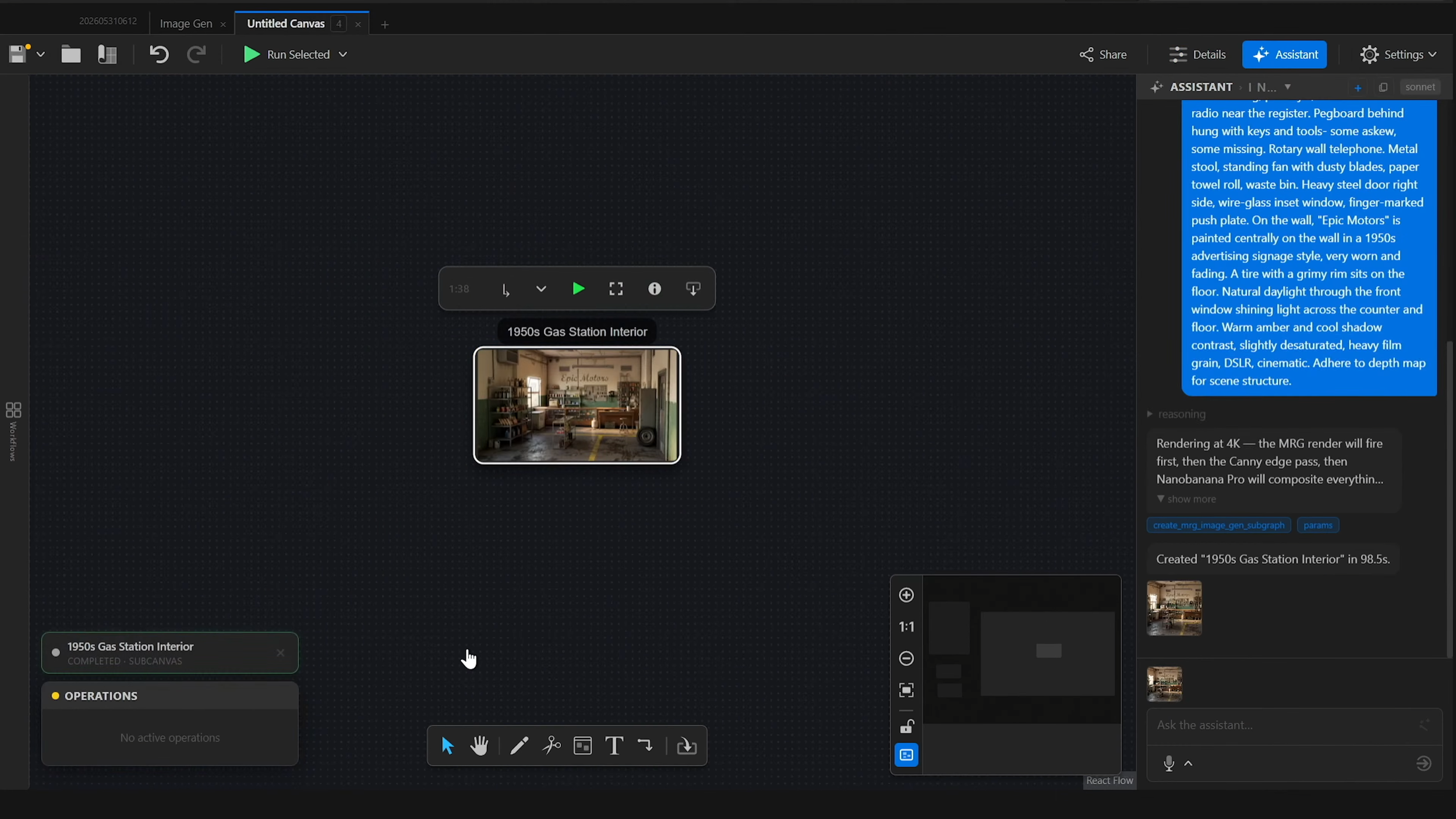
The most debated part of the UE6 roadmap will likely be Epic’s integration of LLMs and generative AI into Unreal development workflows. Epic says tools such as Claude, Codex, Gemini, and custom models can act as creativity and productivity multipliers through a Model Context Protocol layer that exposes Unreal Engine capabilities to the model. The system is optional, and Epic frames it as a way for developers to keep creative control while reducing tedious work in content authoring, level setup, lighting, code assistance, crash analysis, and test generation.
"For UE6, we see LLMs, generative AI models, and tools like Claude and Codex playing a central role in helping you build content faster while maintaining the creative control you need."
— Epic Games.
The practical demo shows why this could matter. A developer can ask a model to add furniture to a room, expand a scene into a city, place roads and buildings, adjust lighting, change materials, or search for useful assets inside a library. Semantic search helps the model find relevant objects such as sofas, lamps, chairs, and city assets, while Unreal remains the editor where everything stays editable. That distinction is important. Epic is not presenting the model as a replacement for the editor. It is presenting the model as a workflow assistant that can operate through the editor, while the developer keeps final control over the result.
Epic is also aware that LLMs are not naturally strong at spatial reasoning. To address that, the company is providing more than 80 foundational Procedural Content Generation building blocks, example libraries, and workflow Skills that give models safer, reusable ways to assemble scenes. These tools are not waiting for UE6 either. The MCP server, PCG Primitive Plugin, and Epic’s early Skills work have already shipped as part of Unreal Engine 5.8, making UE5.8 a bridge between today’s development pipeline and the model assisted future Epic wants for UE6.
The timing also gives the roadmap more structure. Epic says Unreal Engine 5.8 is the last planned major Unreal Engine 5 release, although the company may release UE5.9 if needed. UE6 Early Access is targeted for the end of 2027, with the full release planned 12 to 18 months later, which points to a likely full release window between late 2028 and 2029. Previously Rocket League was confirmed as the first Unreal Engine 6 game, and this new roadmap explains why that reveal matters. Rocket League may become the first real proof point for Epic’s next engine transition, but UE6 itself is being built for a much wider platform strategy than one game.
The biggest takeaway is that Unreal Engine 6 is shaping up as Epic’s answer to the next decade of game production, not just the next step after Nanite and Lumen. Better graphics will still matter, but the deeper change is around operation, portability, automation, creator economies, and persistent online systems. Epic is trying to make UE6 the engine for games that are not only built once and shipped once, but continuously operated across platforms, ecosystems, and content networks.
The opportunity is massive, but so is the challenge. Developers will want better performance, shorter iteration times, stronger multi platform deployment, less manual content work, and easier networking for large online worlds. At the same time, many creators will be cautious about AI generated content, portable economies, and how much control platform holders should have over game assets and monetization. UE6 could unlock major productivity gains, but Epic will need to prove that the new workflows enhance human creativity rather than flatten it.
Unreal Engine 6 is still more than a year away from Early Access, but the direction is now clear. Epic is not building a cleaner version of UE5. It is building a unified engine, a creator platform, a smart asset economy, and an AI assisted production layer at the same time. If Epic can make that transition manageable for current UE5 teams, UE6 could become one of the most important engine shifts the industry has seen since UE4 opened high end tools to a much wider developer base.
Do you think Unreal Engine 6’s AI assisted and portable content strategy will help developers build better games faster, or does it risk pushing the industry too far toward platform controlled ecosystems?
