
TSMC Moves To Calm Employee Backlash With Promise Of Stronger Bonus Growth After CEO Bonus Cut Comments Spark Concern
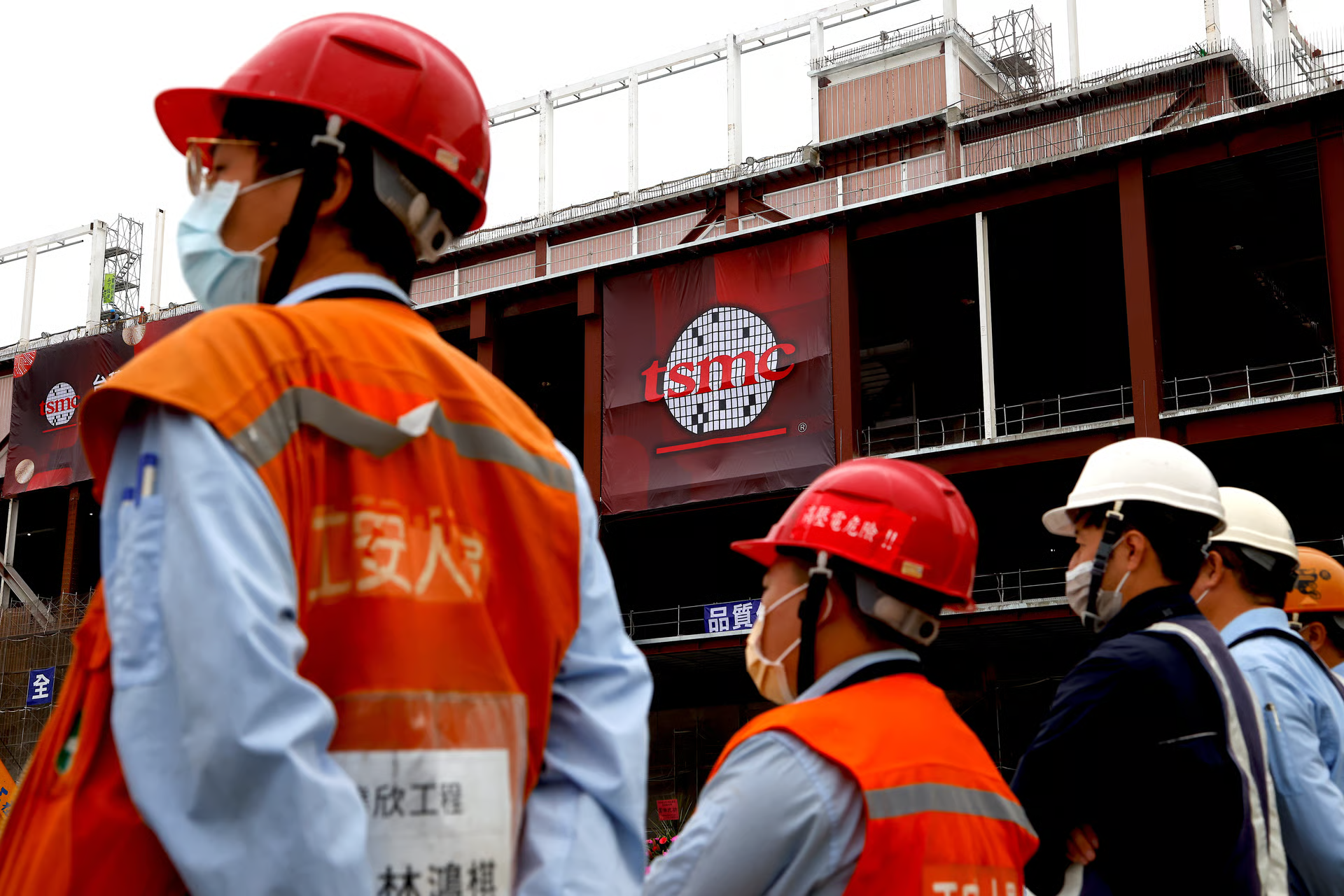
TSMC has moved quickly to reassure employees after internal concerns over possible bonus cuts began spreading online, raising fears of a broader workforce backlash at one of the world’s most important semiconductor manufacturers. The issue gained attention after employees reportedly expressed frustration on Facebook pages, with discussion intensifying after TSMC CEO C.C. Wei recently commented that the company’s current performance related bonuses were too high and suggested a possible reduction of around 20% to 30%.
The timing of those remarks created immediate tension. TSMC is currently in one of the strongest financial positions in its history, with Q1 2026 profit reportedly jumping 58% year over year to a new record, according to Yahoo Finance. For employees, the idea of reduced bonuses during a period of record profitability was always going to be difficult to accept, especially given the company’s central role in the AI boom and next generation semiconductor production.
The backlash was highlighted by SemiVision Taiwan, which pointed to growing frustration among TSMC employees over rumors of potential bonus reductions. Those concerns were further amplified by the scale of TSMC’s current investment cycle. The company is reportedly building as many as 12 fabs as it works to strengthen its leadership in 2 nm and A14, also known as 1.4 nm, process technologies. That enormous CapEx pressure led some observers to speculate that bonus cuts could become an easy way for TSMC to preserve cash while funding expansion.
Watching the uproar among TSMC employees in group chats over the past few days — the issue appears to be that the CEO reportedly said TSMC’s employee bonuses are too high and create a negative perception in society, proposing a 20–30% reduction in bonus payouts. Meanwhile, the…
— SemiVision👁️👁️ (@semivision_tw) May 24, 2026
TSMC has now issued a 2 point internal statement to calm the situation. The company acknowledged the major contributions of its employees and assured them that performance related bonuses are expected to grow at a stronger pace than last year. A follow up from SemiVision Taiwan indicated that TSMC is actively trying to prevent the situation from escalating further.
#TSMC issued a two-point statement today (May 25) to clarify that employee profit-sharing bonuses have not been reduced this year. The company stressed that it is confident full-year bonus growth will exceed last year’s level in 2025.
— SemiVision👁️👁️ (@semivision_tw) May 25, 2026
TSMC said it greatly appreciates employees’…
This response shows how sensitive employee relations have become across the semiconductor industry. TSMC cannot afford a Samsung style labor disruption at a time when its production cadence is tied directly to the global AI supply chain, advanced packaging demand, and the next wave of process node competition. Any instability inside TSMC would create concern across customers that depend on its fabs, including leading AI accelerator, CPU, GPU, mobile, and high performance computing companies.
The comparison with Samsung is especially important. Samsung has faced employee protests and internal unrest during a period when memory demand, HBM supply, and AI related capacity have become strategically critical. TSMC appears determined to avoid a similar scenario, especially as Intel Foundry becomes more aggressive and tries to win incremental customer orders through advanced nodes, glass substrates, silicon photonics, and packaging technologies.
For TSMC, the challenge is now about balancing capital intensity with employee confidence. Building future fabs for 2 nm and A14 is essential for maintaining process leadership, but the company’s success also depends on retaining skilled engineers, operators, and technical teams who keep its highly complex production ecosystem running. Bonus expectations are not just a financial issue. They are part of employee trust, morale, and long term retention.
The latest statement suggests TSMC understands the risk. By promising stronger bonus growth than last year, the company is trying to restore confidence before frustration spreads further. With AI demand driving record revenue opportunities and advanced manufacturing becoming more geopolitically important, TSMC needs workforce stability as much as it needs process leadership.
For now, TSMC appears to be moving decisively to prevent internal discontent from becoming a larger operational issue. The company’s message is clear: despite earlier comments about bonus levels, employee compensation growth remains part of its plan as it enters one of the most important expansion cycles in its history.
Do you think TSMC made the right move by reassuring employees on bonus growth, or should the company have avoided discussing bonus cuts during a record profit cycle?
