
TSMC 3nm Supply Remains Tight As AI Demand Outruns 175,000 Wafer Capacity
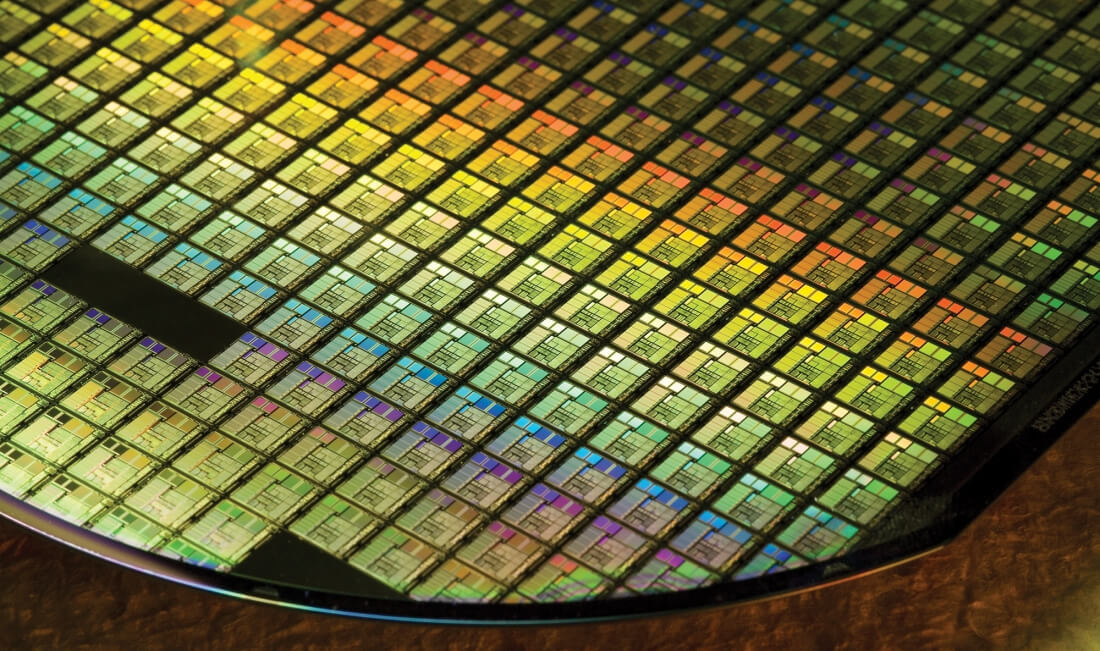
TSMC has reportedly pushed 3nm monthly capacity to as high as 175,000 wafers, but demand from AI customers continues to keep the world’s most important advanced node under pressure.
TSMC’s 3nm process remains one of the most in demand technologies in the semiconductor industry. According to Commercial Times, monthly 3 nm capacity has reportedly climbed to around 160,000 to 175,000 wafers in Q2 2026. Even with that ramp, supply is still not enough to fully satisfy AI customer demand.
This pressure is being driven by the rapid expansion of AI accelerators, custom ASICs, high performance computing chips, and advanced packaging demand. TSMC’s 3nm node offers the performance and efficiency required for next generation AI silicon, while its CoWoS and SoIC packaging technologies make the company even harder to replace for customers building large scale compute platforms.
Reports also suggest that TSMC may apply a price increase of up to 15% for 3nm production as demand continues to exceed available supply. That would give the company stronger pricing power, especially with major AI customers competing for advanced node allocation.
AI Customers Have Few Real Alternatives
The bigger issue is that customers do not have many equivalent options. Samsung has been pushing its own advanced process roadmap, including 2nm gate all around technology, but reports around yield and scale continue to make customers cautious. For AI companies, switching foundry partners is not a simple pricing decision. These chips require long validation cycles, advanced packaging support, stable yields, mature design ecosystems, and predictable high volume output. That is where TSMC still has a major advantage.
The pressure is likely to carry into 2nm as well. TSMC says its N2 technology has entered volume production, and Taiwan reports have already pointed to strong capacity growth plans through 2028. But if AI demand keeps accelerating, even 2 nm may face the same problem as 3nm: strong capacity growth that still cannot fully catch up with customer demand.
TSMC’s biggest challenge is no longer proving its technology. It is allocating enough capacity to the customers who need it most. The 3nm supply situation shows how deeply AI has changed the semiconductor market. Advanced nodes are no longer driven mainly by smartphones and PCs. AI accelerators, custom silicon, and data center platforms are now fighting for the same wafers, and that gives TSMC enormous leverage.
For customers, the risk is dependency. TSMC remains the safest choice for advanced silicon, but that also means queues, higher prices, and tighter allocation. Samsung may gain backup orders over time, but it still needs to prove it can match TSMC at scale before becoming a true alternative.
For now, 3nm is still one of the most valuable battlegrounds in AI hardware, and TSMC remains firmly in control.
Do you think AI chip companies should keep relying on TSMC, or start placing more orders with Samsung to reduce supply risk?
