
Todd Howard Says Starfield Was Tougher Than Expected as Bethesda Targets Broader Hardware Scalability for TES VI
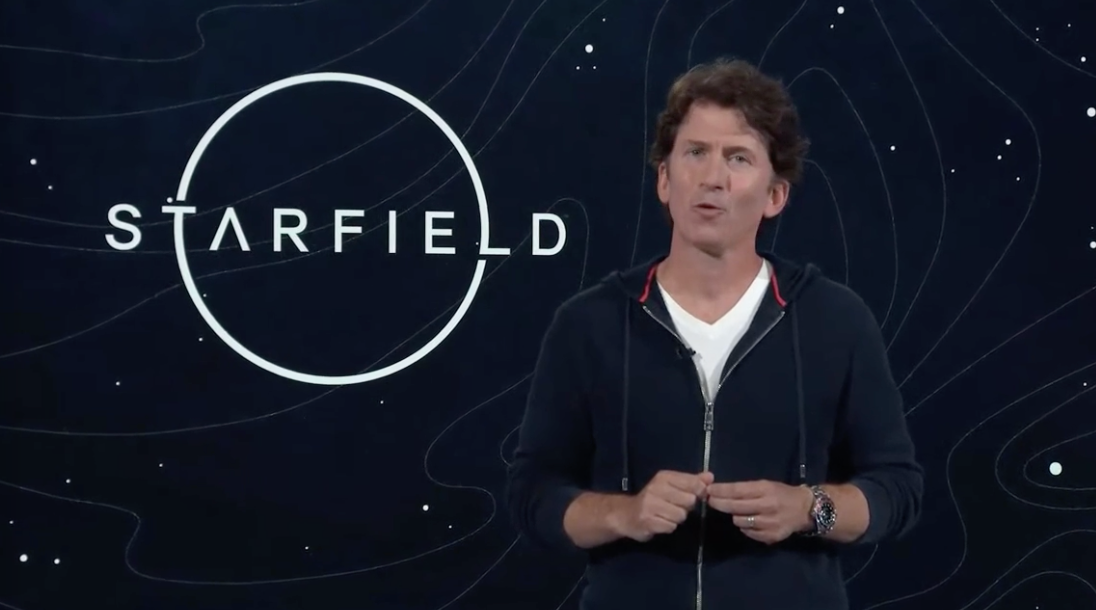
Todd Howard has opened up about the difficult road behind Starfield, admitting that Bethesda faced a much more challenging development cycle than the studio originally expected. In a recent interview with Mortismal Gaming, Howard explained that Starfield was shaped by several major pressures hitting at once, including the burden of building a new IP, the impact of the pandemic, and broader company level changes that complicated how the studio worked together during production. His comments offer one of the clearest acknowledgements yet that Starfield’s long development was not simply a matter of scale, but also a product of difficult timing and internal transition.
Even with those challenges, Howard made it clear that Bethesda is satisfied with how the game has evolved. He pointed to the studio’s ongoing effort to respond to player feedback, especially around quality of life systems, usability, and how players interact with the game’s more complex mechanics. That aligns with Bethesda’s newly announced support roadmap for Starfield, which includes the upcoming Free Lanes update and the Terran Armada DLC scheduled for April 7, 2026. Those additions are set to introduce large scale systemic changes such as interplanetary travel improvements, expanded exploration tools, and new premium story content, showing that Bethesda still sees Starfield as a live long term platform rather than a finished one and done release.
The more interesting long term takeaway, however, may be what Howard said about future Bethesda games, especially The Elder Scrolls VI. While he avoided going deep on TES VI itself, he stressed that Bethesda now wants to cast a much wider hardware net going forward. His comments suggest the studio is increasingly aware that PC gaming has become more fragmented, with players spread across ultra high end desktops, older midrange machines, and a growing handheld gaming audience. Howard indicated that Bethesda wants future games to scale more effectively across that broader spectrum, giving users more settings flexibility so they can enjoy the experience without needing cutting edge hardware. That is a meaningful signal for TES VI, particularly at a time when GPU, memory, and storage pricing remain under pressure across the broader PC market.
From a market and gamer perspective, this is exactly the kind of message many players wanted to hear after Starfield launched with a reputation for heavy hardware demands and uneven technical perception. Howard’s remarks suggest Bethesda is not just looking at visual ambition, but also at how to make its next major projects more accessible across a wider spread of systems. That does not mean TES VI will suddenly become lightweight, but it does indicate that Bethesda is treating scalability as a bigger strategic pillar than before. For PC players, especially those gaming on older hardware or handheld systems, that could end up being one of the most important design shifts for the studio’s next era.
Howard also touched on Bethesda’s Verified Creators program, saying the company is very happy with its current position and with the quality of content being produced by creators. At the same time, he acknowledged that Bethesda still needs to improve how that content is surfaced to players in the store. That is a key point because discoverability has become one of the biggest bottlenecks for premium and community created content alike. Bethesda may be pleased with the health of the ecosystem itself, but Howard’s remarks show the company knows the next challenge is reducing friction and getting more of that content in front of the audience.
Taken together, the interview paints a very clear picture of where Bethesda stands today. Starfield was harder to build than expected, but the studio believes it has improved the game in the right direction and still has meaningful content ahead. At the same time, Howard’s comments suggest that Bethesda has learned some valuable lessons from that process, especially when it comes to development pipeline stability and hardware scalability. For fans waiting on TES VI, that may be one of the strongest signs yet that Bethesda wants its next flagship RPG to launch with a broader and more resilient technical foundation than Starfield did.
Do you think Bethesda can deliver a smoother and more scalable launch for TES VI, or will players still expect another extremely demanding RPG experience?
