
Three More Ryzen 9800X3D Deaths Reported on ASUS Motherboards in a Single Day
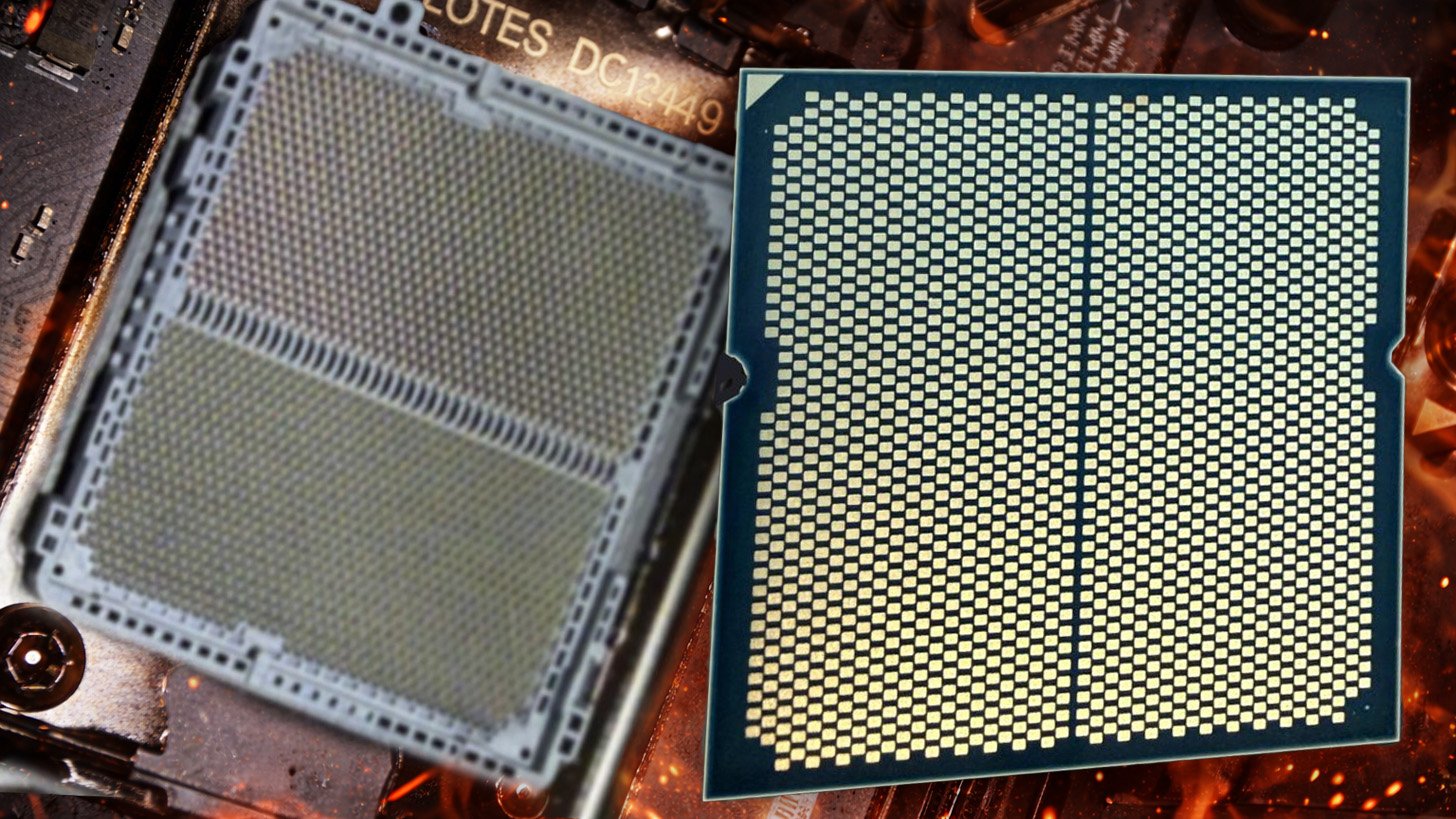
Fresh user reports on Reddit are adding new urgency to the ongoing discussion around AMD Ryzen 9800X3D failures on ASUS AM5 platforms. In a single day, 3 separate threads described systems that abruptly stopped booting, followed by inspections and troubleshooting that pointed to dead Ryzen 7 9800X3D CPUs and, in at least 1 case, a motherboard that also appears to have been taken out in the same incident.
The first report, shared by u TransitionEffective9, centers on an ASUS ROG Crosshair X870E Hero build that suddenly would not boot. After multiple troubleshooting steps, the user removed the CPU and noticed burn marks on the top of the processor. More concerning, they then tried a Ryzen 7800X3D in the same motherboard and still could not restore functionality, which suggests a scenario where both the Ryzen 9800X3D and the board may have failed.
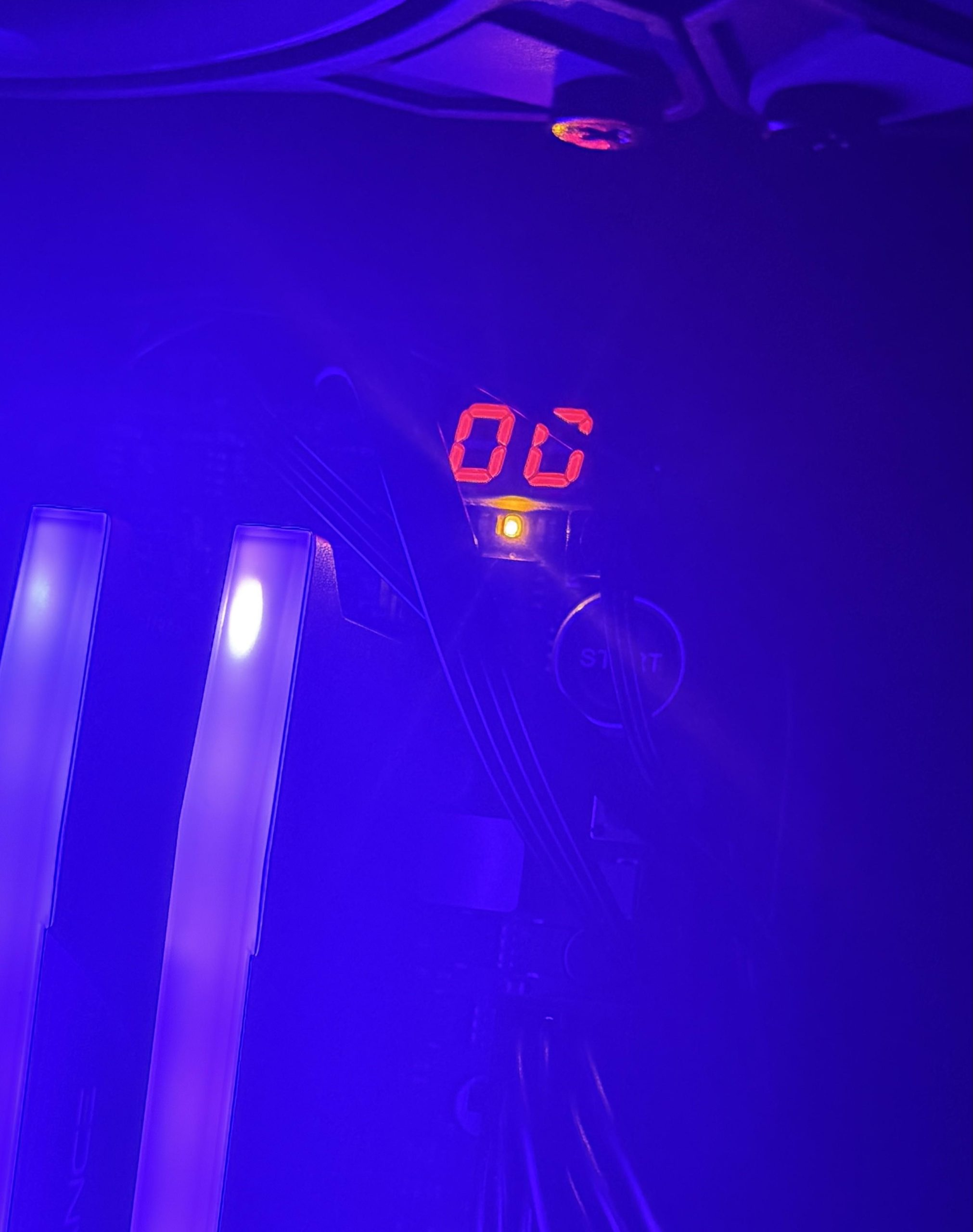
The second case from u LexiSQ involves an ASUS ROG Strix X870E E Gaming, where a routine reboot reportedly preceded a failure and an error code 00 on the motherboard display, a symptom pattern that has shown up repeatedly in community discussions around sudden CPU death events. The user also raised the possibility of an accidentally bent pin as a contributing factor, but noted the system had been running for nearly 6 months before the failure, which is exactly the kind of delayed onset behavior that makes root cause analysis difficult at the community level.
The third report comes from u JGDraco, who says their Ryzen 7 9800X3D died on an ASUS TUF B850M Plus WiFi after roughly 2 months of normal operation. While B850 platform incidents appear less frequently discussed than X870E, this report reinforces that the failure pattern is not exclusively tied to one chipset tier, and that mid range boards may not be immune.
Zooming out, what makes these 3 reports stand out is the clustering. When multiple incidents appear in a short window and share overlapping symptoms, it creates a perception of momentum, even if the underlying sample size is still small relative to total CPUs in the field. For builders and enthusiasts, the actionable takeaway right now is risk management: keep BIOS current, avoid aggressive voltage or memory tuning until clarity improves, validate stable EXPO settings conservatively, and document everything if an RMA becomes necessary, including photos of the CPU, socket, and any diagnostic codes.
If you are running a Ryzen 9800X3D today, the smartest play is to treat your platform like mission critical gear. Stability first, then performance.
Have you seen error code 00 or sudden no boot behavior on Ryzen 9800X3D builds, and if so, what motherboard model and BIOS version were you using?
