
AMD Asserts Its Strategy Is To Keep GPU Prices As Low As Possible Amid The Ongoing DRAM Shortage
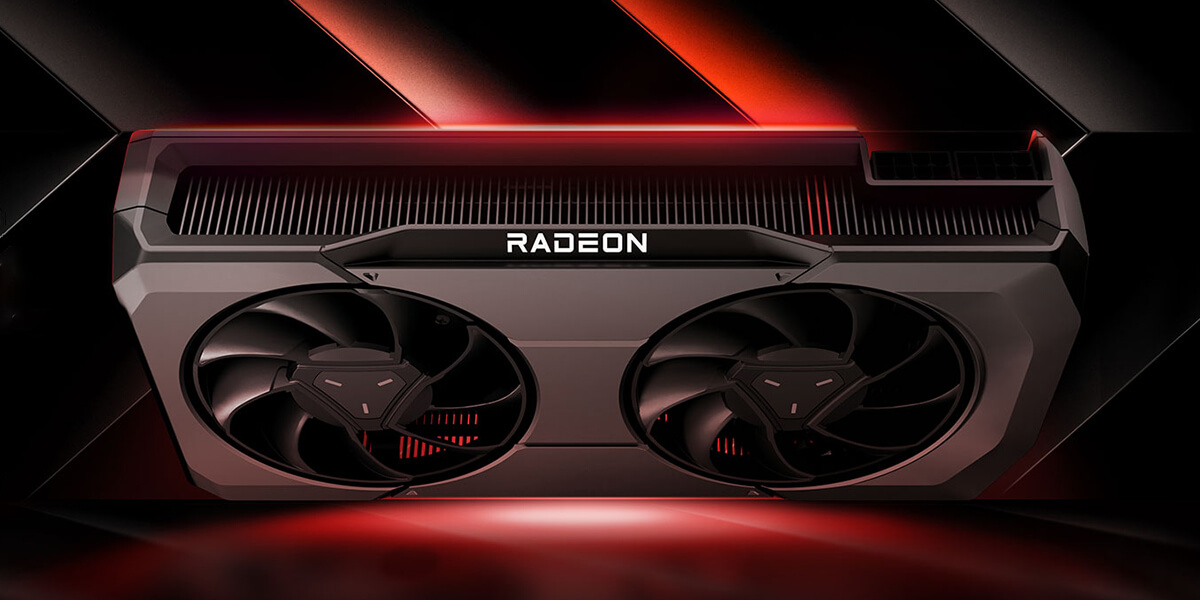
AMD is signaling that it wants to stay disciplined on Radeon pricing even as the ongoing DRAM shortage keeps squeezing the broader PC hardware supply chain, a dynamic that is already rippling across memory kits, prebuilt systems, laptops, and graphics cards. In an interview highlighted by a report from Gizmodo, Ryzen Vice President David McAfee framed memory supply and memory economics as a central lever in AMD’s ability to keep real world GPU pricing aligned with its intended market positioning.
At the core of AMD’s message is a straightforward constraint: VRAM and related memory components are not a rounding error in a modern GPU bill of materials, and when those inputs swing upward, the entire price performance equation gets harder to balance. McAfee described AMD’s long term relationships with DRAM manufacturers as a strategic asset intended to stabilize both supply and cost structure, effectively treating memory procurement as a first class part of Radeon go to market execution rather than a back end procurement detail.
That said, AMD is also tempering expectations. Even with strong supplier relationships, the company is not promising that prices will remain flat, because the market reality is that if memory is not available at workable economics, board partners cannot reliably build GPUs that land at the right price point for the right segment. In plain terms, AMD can optimize the strategy, but it cannot fully override macro supply constraints that are hitting the entire ecosystem.
From a gamer and PC builder lens, the practical takeaway is that AMD is positioning itself as value focused and partner aligned, but the ceiling on how much it can absorb is finite. If the DRAM crunch persists, expect continued pressure on street pricing, with the most visible volatility likely showing up in the segments where memory cost sensitivity is highest.
Are you seeing GPU pricing in your region holding steady, or is the DRAM shortage already changing what you would recommend for a mid range build in 2026?
