
The Gothic Remake Locks In a Global Release Date: 6/5/2026, Embracer Confirms
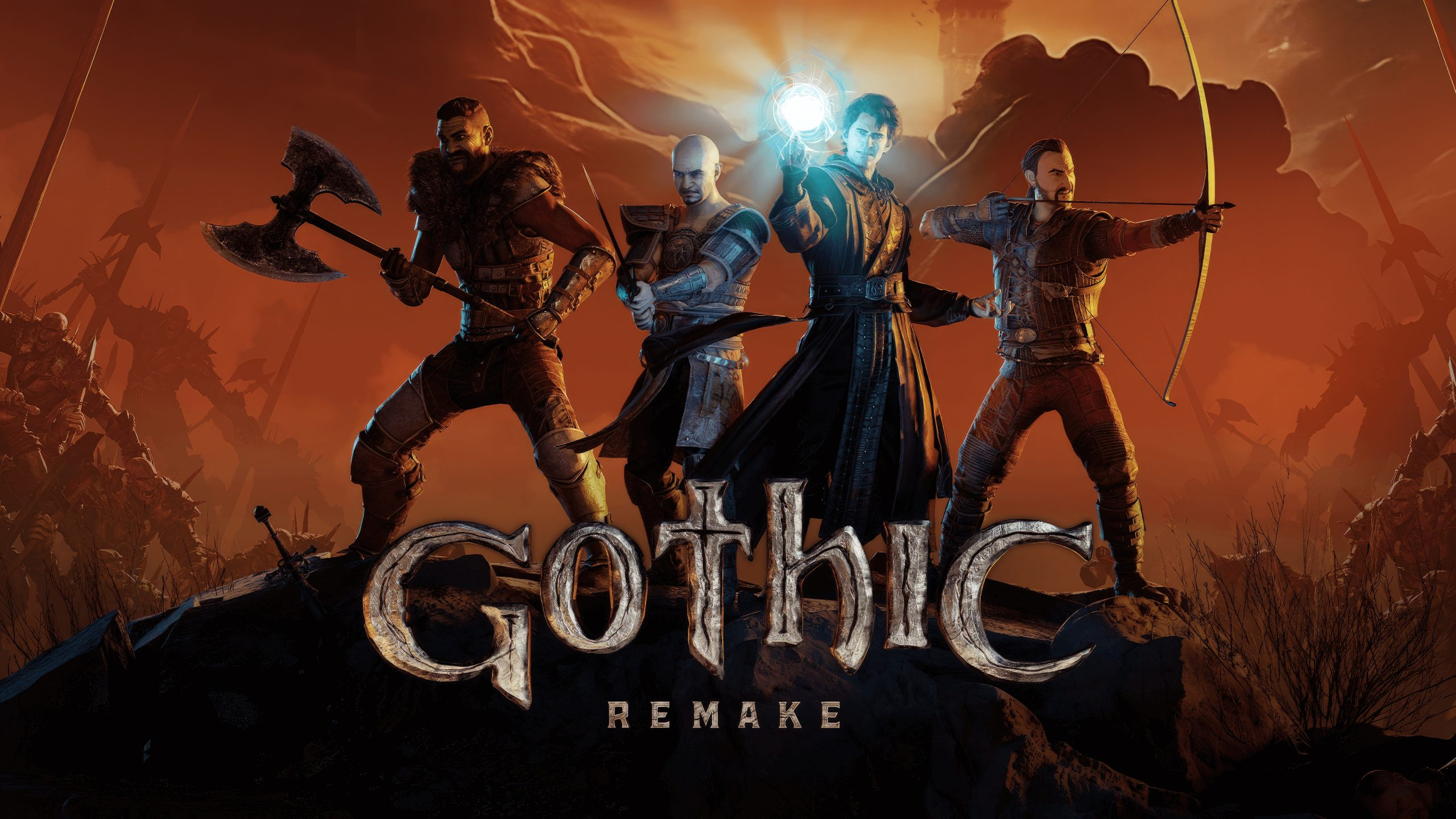
Embracer Group has confirmed the final release date for The Gothic Remake, with the full global launch now scheduled for 6/5/2026. Alongside announcing a new sales milestone for Kingdom Come Deliverance II, Embracer said the remake needs a little more polishing time, and this adjusted date is the result.
This moment has been a long time coming. A public demo released 6 years ago served as an early interest test and, despite criticism around specific areas, the reception was positive enough that Embracer founded Alkimia Interactive to build the full remake. Since then, Alkimia has treated the project as far more than a high resolution touch up. The studio has repeatedly framed it as a complete reimagining, with a core goal that sounds simple on paper but is brutally hard in practice: keep what made Gothic iconic while modernizing the parts that held it back.
Alkimia’s recent Making Of series outlines that internal balancing act in detail. Early in development, the team had to decide which legacy pillars were non negotiable and which needed expansion, modernization, or repair. The original’s strengths, immersive open world design, memorable characters, and systemic interactions, had to coexist with solutions for plot holes, inconsistencies, and unfinished content. To anchor the rewrite work in authentic franchise voice, Alkimia brought on Mattias Filler, a writer from the original Gothic games, to help resolve long standing issues while preserving the tone that fans associate with the series.
Art Direction and New Content
One of Alkimia’s earliest decisions was to avoid simply recreating the original art style in sharper detail. Instead, the remake aims for believable, realistic visuals with a dark fantasy edge, pulling heavy influence from Baroque painting across multiple eras. The team cites inspirations including Caravaggio’s chiaroscuro, Spanish tenebrism through Velázquez, landscape work from Claude Lorrain and Nicolas Poussin, Flemish Baroque color contrasts from David Teniers the Younger, Hubert Robert’s atmospheric ruins, and nocturnal scenes from Romantic painter Petrus van Schendel. The intent is clear: the remake wants to feel grounded and painterly, not glossy or artificial.
On content scope, the remake includes approximately 20 to 25 percent new side quest content, while also expanding original quests with additional options and solutions. Locations that were previously empty or underutilized now receive new content, dungeons are being rebuilt to be more interesting, and hidden paths to Gomez’s castle offer alternative entry points. Cut content from the original is also being restored and reimagined where it fits.
Writing is another area where the studio is making deliberate calls. Alkimia says the dialogue keeps Gothic’s rough, conversational tone, closer to pub arguments and pen and paper RPG banter than formal medieval speech. The English localization is receiving particular focus because earlier versions did not capture the feel of the German, Polish, and Russian translations. Narrative pacing is also being addressed, particularly in later chapters, with the team aiming to fix plot holes and add depth to storylines that felt rushed in the original.
A major expansion is the Orc culture and how players interact with it. Where the original often treated Orcs as enemies after limited story interaction, the remake aims to explore their role more deeply, especially since the Orc War is core context for the prison colony and the magical barrier. The team even created a complete Orcish language designed to sound harsh and aggressive, with trilled Rs and prominent ch and tz sounds. Its grammar draws inspiration from East Asian languages like Chinese, Thai, and Vietnamese, keeping words short at 1 to 3 syllables and avoiding articles, grammatical gender, tense markers, and plurals.
Simulation Systems
One of the most important modernization efforts is how the world reacts to the story. Major story moments will now trigger visible changes in the environment and updated NPC routines that reflect narrative shifts. This directly targets a classic complaint about the original, where big events often had little impact on daily life.
Alkimia also says it is addressing the original’s diminishing player freedom in later chapters. The remake aims to preserve multiple paths and choices throughout the game rather than funneling into a linear conclusion that conflicts with Gothic’s identity.
The daily routine simulation is also being pushed harder. NPC schedules run constantly across the full world, even when the player is not nearby. When you approach characters, they spawn where they should be based on their routines, enabling interactions and encounters that were impossible before, like templars traveling between the Sect Camp and Old Mine. NPCs respond systemically to player behavior, witnessing crimes, reacting to trespassing, and interacting with thrown objects. New dynamic events include moments like Baal Parvez preaching in the Old Camp to recruit for the Swamp Camp, with nearby diggers stopping their work to listen. Characters carry objects, react to weather, and discuss rumors and recent events with each other.
Gameplay Evolution
The remake’s gameplay evolution is a mix of modernization and stubborn loyalty to Gothic’s harsh philosophy. The armor system moves away from fixed guild sets into a customizable upgrade path. Players can improve camp specific armor with different visual elements and defensive properties, like adding wolf fur for arrow defense or mobility enhancements, while keeping faction identity intact.
Exploration gets new abilities, but with clear constraints. Climbing functions similarly to The Legend of Zelda but is limited to specific areas. Diving becomes a proper skill that improves with practice, allowing underwater interaction, looting, and exploration of submerged areas.
The team also emphasizes difficulty and resource use. The intent is to encourage players to consume items during tough encounters rather than hoarding everything forever. Combat remains unforgiving like the original, and the game still supports the classic Gothic energy of trying reckless fights early if you want to. Exploration is built around being lost, especially at night when darkness becomes oppressive even with torches and light spells.
Systems work continues into presentation and economy. Conversation camera shots use preset cinematography with environmental checks to avoid clipping issues, with planned framing for important scenes. A dynamic trading system has merchants passively trading items among themselves, converting goods into ore to keep market liquidity and avoid the player becoming the central bank. The studio’s economic designer studied the original’s progression and where the economy broke down later, aiming to delay that collapse until chapter 6 through active management. Crafting recipes evolve with player investment, and crafting itself is positioned as value creation by converting excess materials into ore and reducing inventory clutter.
Atmosphere enhancements also stack up. The dynamic weather system includes varying sun intensity and color, cloud cover, rain with fluctuating intensity, storm probabilities, larger waves during storms, lightning that lights up the night sky, and lingering fog after storms. Music uses layers and cues that react to events instead of relying on a single master track, aiming to keep long sessions fresh and emotionally responsive.
One of the most forward looking claims in the Making Of material is that Alkimia is building art direction and systemic foundations not just for this remake, but for a potential new series within the Gothic franchise. That is a clear platform strategy mindset, build the pipeline, build the style rules, build the systemic DNA, then scale if the release lands. Of course, the real gate is execution. A successful 6/5/2026 launch is the requirement for everything that comes after.
If you are coming back for The Gothic Remake on 6/5/2026, what matters more to you: the expanded quests and restored cut content, the deeper simulation routines, or keeping the original’s unforgiving combat and exploration vibe intact?
