
The Entire Luna Abyss Team At Kwalee Labs Has Been Laid Off Weeks After Launch
The entire development team behind Luna Abyss has reportedly been laid off only weeks after the game’s May 21, 2026 launch, marking another difficult moment for the games industry and a painful outcome for one of this year’s more distinctive indie shooter releases. As first reported by Game Informer, Kwalee Labs Chief Executive Officer Hollie Emery confirmed the news through a personal LinkedIn post, stating that the decision was outside the team’s control.
Luna Abyss was developed by Kwalee Labs, the studio formerly known as Bonsai Collective before joining publisher Kwalee and later rebranding under the Kwalee Labs name. The game launched for PC, PlayStation 5, and Xbox Series X|S, with the Steam page listing Kwalee Labs as developer and Kwalee as publisher. The official Luna Abyss website describes it as a single player story driven action adventure with fluid platforming and bullet hell combat, following Fawkes, a prisoner of Luna caught between a cryptic prophecy and their sentence.
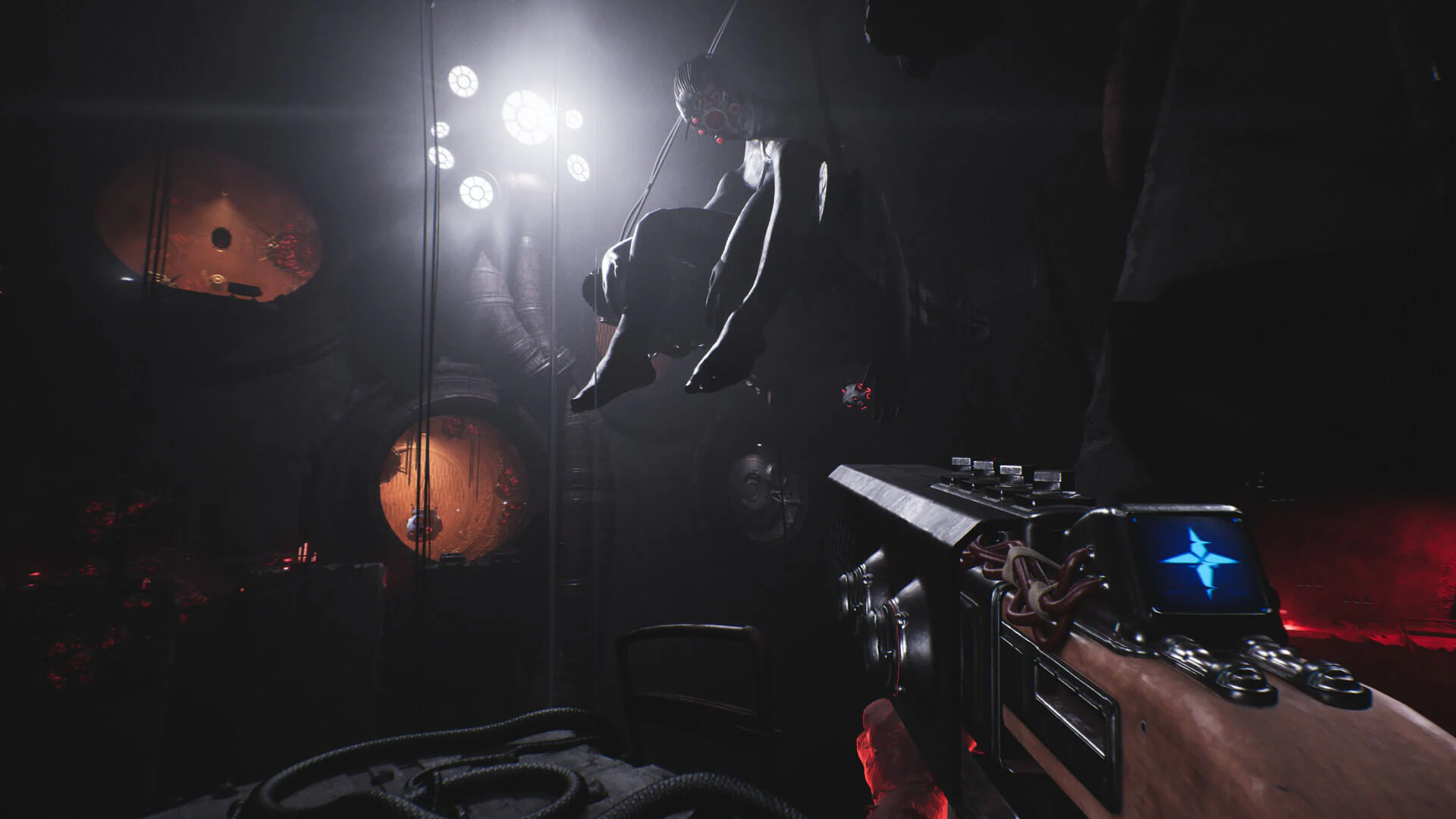
The layoffs are especially striking because Luna Abyss was not a low visibility release with no critical momentum. The game earned strong attention for its surreal art direction, first person bullet hell identity, cosmic horror tone, and focused structure. Luna Abyss highlight how its mix of projectile dodging, platforming, horror atmosphere, and Game Pass availability gave it one of the more unique indie shooter profiles of the year.
In her statement, Emery thanked the players, press, and industry voices who supported the game, while also making clear that the team is now available for work. "The entire team has been made redundant." Quote by: Hollie Emery. Reports from GameSpot and Wccftech indicate that 9 people were impacted, including Emery. Wccftech also noted that it contacted Kwalee for comment but did not receive a reply before publication.
The news lands during a period where layoffs remain one of the defining pressures across the games business. The scale here is smaller than the major publisher cuts that continue to dominate industry headlines, but the human result is the same. A team that completed and shipped a creative project is now looking for new work almost immediately after release. That reality is particularly difficult because Luna Abyss represents exactly the kind of smaller, original game that players often say they want more of: compact, visually bold, mechanically specific, and not built around a safer franchise template.
For Kwalee Labs, Luna Abyss was more than a launch. It was a proof point for a team that had spent years building a strange and ambitious shooter in a difficult genre space. First person bullet hell design is not easy to execute because it requires readable enemy patterns, responsive movement, clear visual language, and combat rhythm that stays intense without becoming chaotic in the wrong way. Even with limited resources, the team managed to produce a game that stood apart from more conventional shooters, and that makes the timing of the redundancies even more frustrating from a creative industry perspective.
For Duck IT, this is another reminder that critical reception, originality, and launch completion do not always protect developers from business decisions happening above the creative team. Luna Abyss may remain available to players, but the people who built it now face a very different future. The best outcome from here would be for the affected developers, artists, designers, and production staff to land quickly at studios that recognize what they achieved with such a focused team.
The wider question is what this says about sustainability for smaller premium games. If a project like Luna Abyss can launch with positive attention, a strong identity, and platform visibility, yet still see its full team made redundant shortly after release, then the industry has a deeper structural issue than simple player demand. Original games need more than discovery. They need business models, publishing terms, and post launch plans that give teams a realistic chance to survive after the credits roll.
Did you play Luna Abyss, and do you think the industry is doing enough to protect smaller teams after they ship original games?
