
Tencent Reportedly Halts Last Sentinel After 6 Years as 80 Developers Lose Jobs
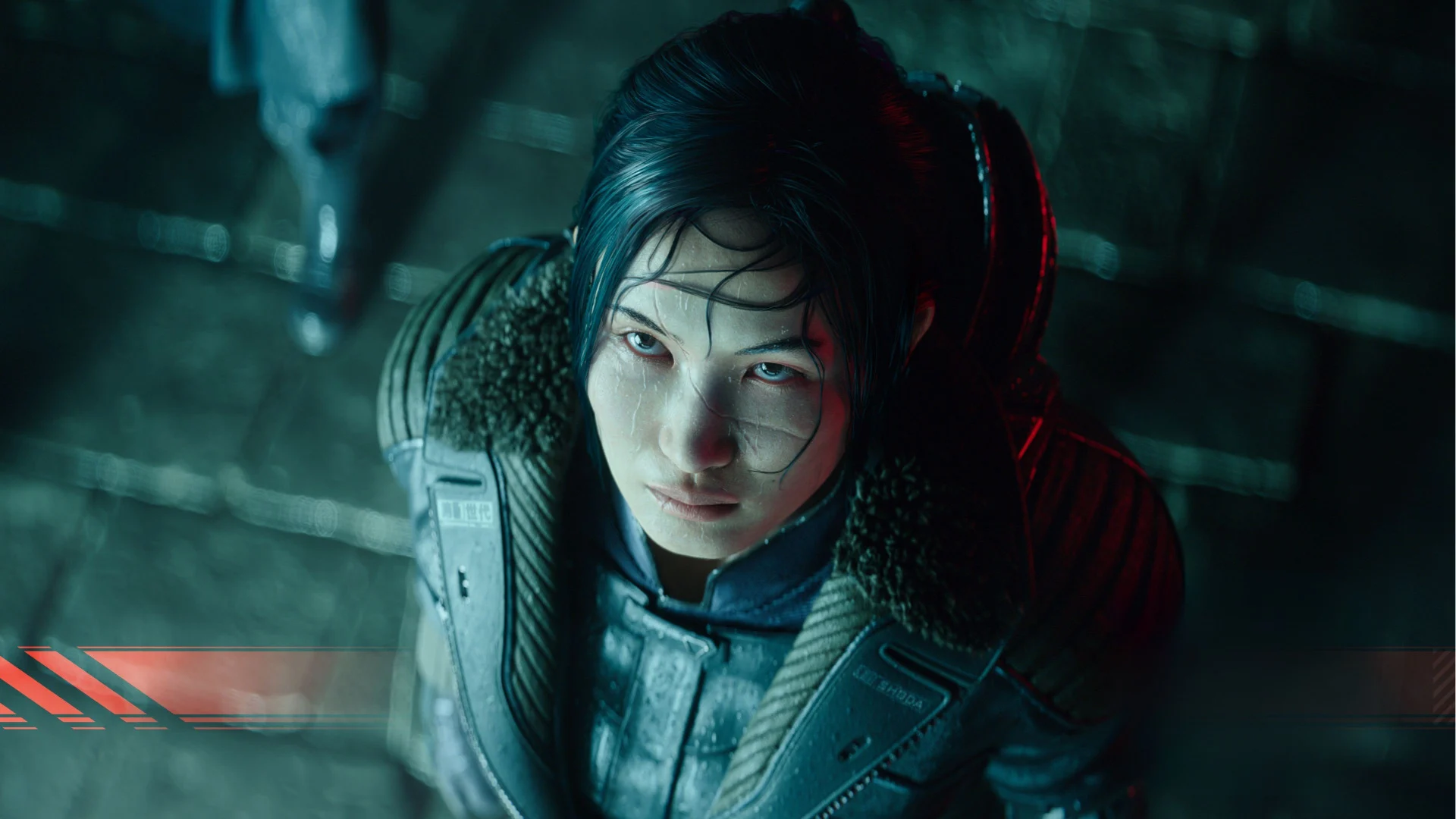
Tencent has reportedly stopped moving forward with the current version of Last Sentinel after approximately 6 years of troubled development, placing the future of the ambitious science fiction open world game in serious doubt. Around 80 employees have reportedly been laid off at Lightspeed LA, although Tencent publicly maintains that the studio remains operational and that the project is changing its creative and development direction rather than being completely cancelled.
According to a report summarized by Wccftech, Tencent invested hundreds of millions of dollars into Last Sentinel while attempting to build a large open world action game capable of competing with Grand Theft Auto. The project reportedly struggled with unclear creative direction, slow decision making, repeated deadline changes, and costs that continued rising without producing a playable experience that met internal expectations.
Lightspeed LA was established around 2020 by Steve Martin, the former head of Rockstar San Diego. The California studio recruited experienced developers from Rockstar Games, Naughty Dog, Blizzard, and other major companies during an aggressive period of industry expansion. Last Sentinel was later revealed during The Game Awards 2023 as a narrative focused open world action game set in a reconstructed version of Tokyo, featuring Hiromi Shoda as an operative responsible for maintaining order across the city. The official Last Sentinel website continues describing the game as an open world experience with fast combat and a dystopian science fiction setting.
| Project Detail | Reported Information |
|---|---|
| Development Period | Approximately 6 years |
| Reported Investment | Hundreds of millions of dollars |
| Reported Layoffs | Around 80 employees |
| Irvine Studio Size in 2023 | Approximately 130 employees |
| Public Status | Creative and development direction changing |
| Reported Internal Status | Current version no longer moving forward |
A playtest conducted earlier in 2026 reportedly produced overwhelmingly negative feedback, with participants describing the game as visually unfinished and not enjoyable to play. Tencent leadership allegedly gave the development team until July to produce a significantly improved build. Additional developers were brought into the project, including former God of War director Todd Papy, who reportedly assisted with combat, missions, and other core systems during the final months of the review period.
The revised build reportedly remained below Tencent’s expected quality target, particularly when compared with the scale and presentation associated with Grand Theft Auto. Tencent then decided not to proceed with the project in its existing form, leading to the reduction at Lightspeed LA. However, the company’s public statement presents a less final outcome.
"Lightspeed LA remains open and continues to build games."
— Quote by: Lightspeed LA.
The studio said the changes followed extensive internal reviews and testing and were intended to deliver the experience players expect. It also confirmed that affected employees would receive support and, where possible, opportunities to transfer internally. Tencent stated that its long term commitment to game development in North America remains unchanged.
This creates uncertainty around whether Last Sentinel has been cancelled, completely restarted, reduced in scope, or transferred into another development structure. The official website remains active, but Lightspeed LA has not shown public gameplay or announced a release window since the cinematic reveal.
The situation reflects a wider problem across expensive game development. Studios continue recruiting recognized industry veterans and promising massive open worlds, but experience alone cannot replace stable leadership, realistic production targets, and a clear playable foundation. Similar warning signs appeared when Project Ethos entered a reported creative reset alongside layoffs, while Highguard reduced most of its team shortly after launch.
Last Sentinel demonstrates how dangerous the GTA rival label has become. Rockstar builds its open worlds with thousands of developers, established production systems, proven technology, and years of institutional knowledge. A newly created studio can recruit talented individuals, but it cannot instantly reproduce the operating structure behind Grand Theft Auto or Red Dead Redemption.
Tencent may still preserve the setting, characters, or technology through a smaller reboot, but cutting around 80 employees suggests the original vision is unlikely to survive unchanged. The greatest loss is carried by developers who spent years building a project that players may never experience.
The industry must become more disciplined about approving enormous projects based on ambition and recognizable résumés. A strong playable concept should come before the promise of another massive open world franchise.
Should Tencent rebuild Last Sentinel with a smaller and more focused design, or has the project already consumed too much time and investment?
