
Techland Veteran Says Dying Light 2 Was a Hard Lesson After the Studio Tried to Please Everyone
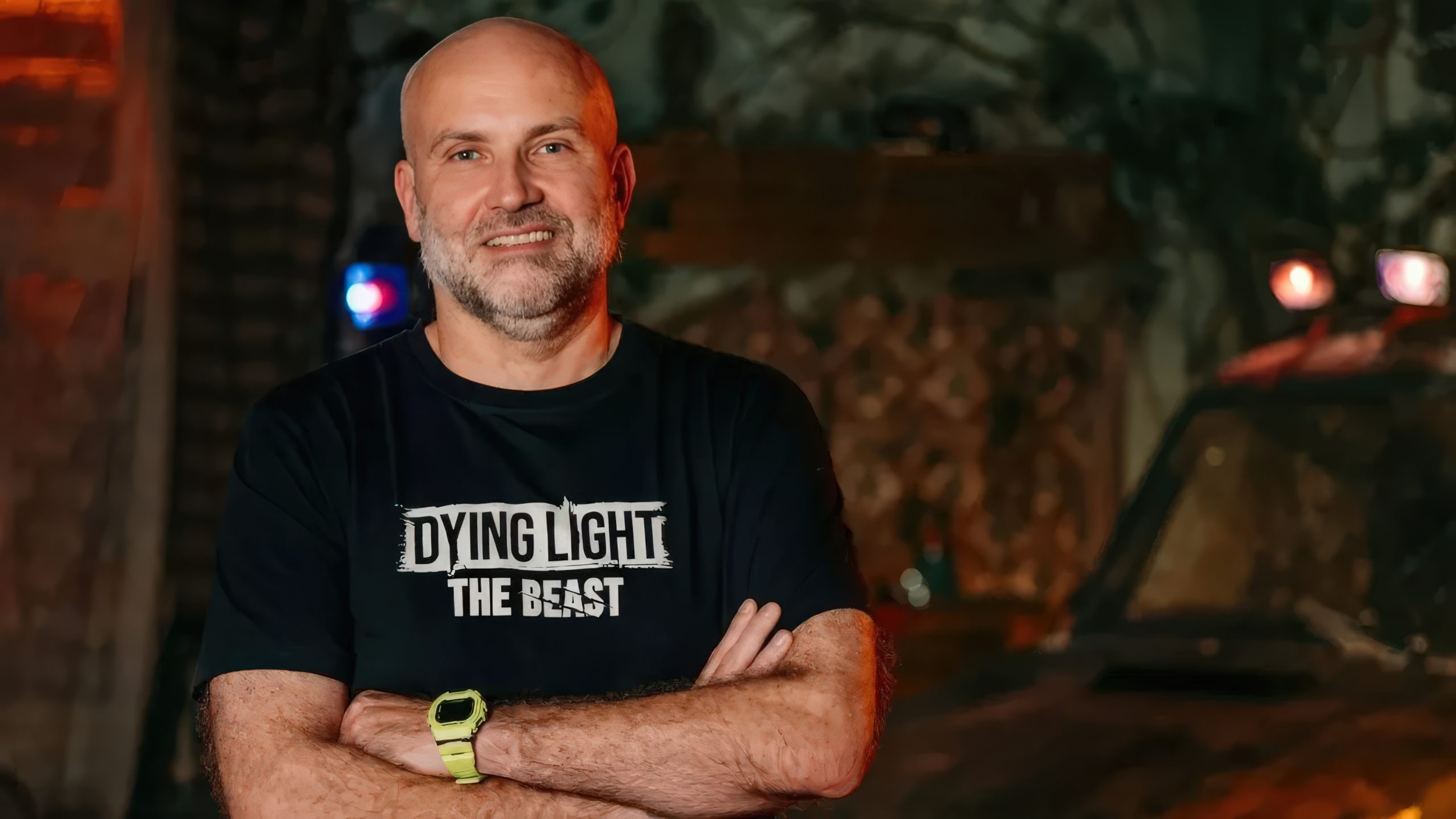
Dying Light 2: Stay Human may have launched with massive expectations, but according to long time Techland veteran Tymon Smektala, the game also became a difficult lesson for the studio. Speaking during the recent Digital Dragons event in Krakow, Poland, Smektala reflected on what went wrong with Dying Light 2 and how those lessons helped shape the development philosophy behind Dying Light: The Beast.
As reported by GamesRadar, Smektala explained that Techland had lost focus on the smaller details that made the original Dying Light resonate so strongly with players. While Dying Light 2 appeared similar on the surface, the team quickly discovered that many fans felt something important was missing.
"It’s the details that make your game, because your franchise is not only about the great vision, the pillars, but the little things that create the unique feel of your game. We learned that right away when we launched Dying Light 2 in 2022. It was a hard lesson. The game was very hyped, with millions of players waiting for it. We launched it and quickly realized that even though on the surface it’s quite similar, almost the same type of game, we had missed a lot of the details, the little things that were important for players, and they were very vocal about it."
— Tymon Smektala
That statement speaks directly to one of the biggest challenges in sequel development. A follow up can bring more content, larger systems, and broader ambition, but if the core feel is not protected, players will notice. In the case of Dying Light 2, the pressure to expand the formula appears to have pulled Techland in too many directions at once.
Smektala said the team faced a wide range of player expectations. Some fans wanted more tension, others wanted deeper RPG systems, stronger parkour, more realistic combat, or a return to the feel of the first game. Trying to satisfy all of those requests at the same time became a creative trap.
"Some want more tension, some want more RPG elements, more parkour. Combat could be less bloody, more bloody. Realism, power fantasy, the first game again, or maybe something new. So, you want to give everything to everyone all at once, but it is a trap. We learned that quality beats quantity. We slowed down, we focused more, we adapted that for Dying Light 2, and kept using that mindset for Dying Light: The Beast, understanding that the quality of core elements is more important than satisfying all of the needs and expectations."
— Tymon Smektala
This shift in philosophy is especially important for Dying Light: The Beast. Rather than trying to make the game larger in every direction, Techland appears to have focused on sharpening the elements that matter most to the franchise: movement, atmosphere, combat impact, survival tension, and the moment to moment feel of being hunted in a dangerous world.
The result seems to have paid off commercially and critically among players. Dying Light: The Beast was well received on Steam and reportedly sold over 1 million copies on Valve’s platform alone within just a few days. For a franchise that had to rebuild trust after some players felt disappointed by Dying Light 2, that response suggests the studio’s renewed focus made a meaningful difference.
Smektala’s comments also highlight a broader development lesson for the games industry. More systems do not always create a stronger game. Larger maps, bigger feature lists, and more progression layers can create scope, but they cannot replace the specific feel that makes a franchise memorable. For Dying Light, that identity has always been built around the tension of night, the physicality of parkour, and the brutal pressure of surviving against infected threats.
Dying Light 2 was not a failure, but it did expose how risky it can be for a studio to chase every audience expectation at once. Dying Light: The Beast appears to represent Techland’s attempt to correct that course by slowing down, refining its core design, and returning to what players valued most.
Smektala has since left Techland after 13 years at the studio. He has not yet announced what he will do next, but his comments offer a valuable look at how one of the studio’s most recognizable veterans views the evolution of the franchise. For Dying Light fans, the message is clear: the future of the series may depend less on how much Techland adds, and more on how carefully it protects the details that made the original formula work.
Do you think Dying Light: The Beast proves that Techland made the right choice by focusing on quality over quantity?
