
Taiwan Savings Hit Historic Levels as AI Linked Commodity Exports Outpace Domestic Investment
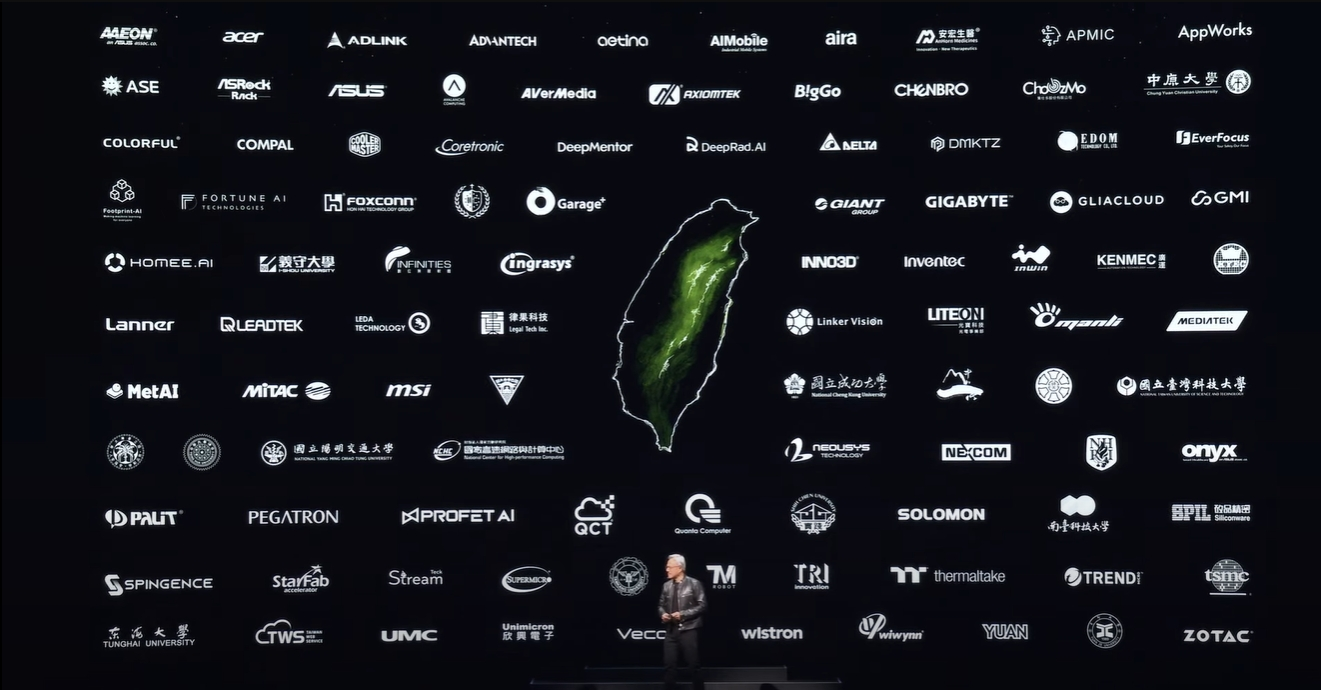
Taiwan’s position at the center of the global AI hardware supply chain is translating into a macroeconomic outcome that is drawing attention well beyond the tech sector. According to a report from Taiwan Economic Daily, Taiwan is generating income faster than it is deploying capital domestically, pushing the nation’s excess savings rate to levels described as historically high.
The report states that Taiwan’s excess savings rate has reached 26.03%, one of the highest figures on record. The key takeaway is not only that savings are rising, but that gross domestic investment is lower than gross domestic savings, meaning the economy is creating capital at a faster pace than it is spending it on domestic investment projects. Taiwan’s official statistics authority is cited in the report as attributing much of this growth to commodity exports, with AI infrastructure demand acting as the catalyst, and it expects the gap between savings and investment to widen further into 2026.
This aligns with what the hardware industry has been seeing in real time. Taiwan is not only a core hub for advanced chips, it is also a high value manufacturing and integration base for AI servers and the surrounding ecosystem, including cooling solutions, networking components, system assembly, and platform level validation. When hyperscalers and enterprise buyers accelerate AI spending, a meaningful portion of that purchasing power ultimately routes into Taiwanese export channels, lifting national income and reinforcing Taiwan’s role as a critical upstream node in the AI buildout.
The report also notes that major Taiwanese firms tied to this pipeline have seen revenues surge as global infrastructure investment scales up. In practical terms, the more the world commits to AI compute, the more Taiwan benefits from export momentum, which can expand national savings when investment does not rise at the same pace.
From a forward looking perspective, the story to watch is how Taiwan converts this surplus into long term competitiveness. Excess savings can be a strategic asset if it translates into domestic reinvestment in power capacity, workforce development, industrial land, and next generation manufacturing resilience. If it remains heavily export driven without matching domestic investment acceleration, the imbalance becomes its own policy and business challenge, especially as global demand cycles, geopolitics, and supply chain diversification pressures intensify.
Do you think Taiwan’s rising savings surplus is a sign of sustainable AI era strength, or a signal that the country needs to accelerate domestic investment to avoid future bottlenecks?
