
Tachyum Claims Exclusive Rights to the ‘TPU’ Trademark and Plans to Challenge Google Over Its AI Chip Branding
A surprising trademark dispute has emerged in the AI silicon landscape, as California based high performance computing company Tachyum announced that it has formally appealed to the U.S. Trademark Office to defend what it claims are exclusive rights to the term “TPU.” Tachyum alleges that Google began using the “TPU” designation years after Tachyum secured trademark protection, and now seeks to block Google from using the descriptor for its Tensor Processing Unit accelerators.
The claim was detailed in Tachyum’s official press release, which states that the company will petition the U.S. Trademark Office to uphold its trademark and require Google to stop using the phrase “Google TPU” in marketing and product descriptions. Tachyum argues that its TPU branding predates Google’s adoption and that continued use by Google infringes on Tachyum’s protected intellectual property.
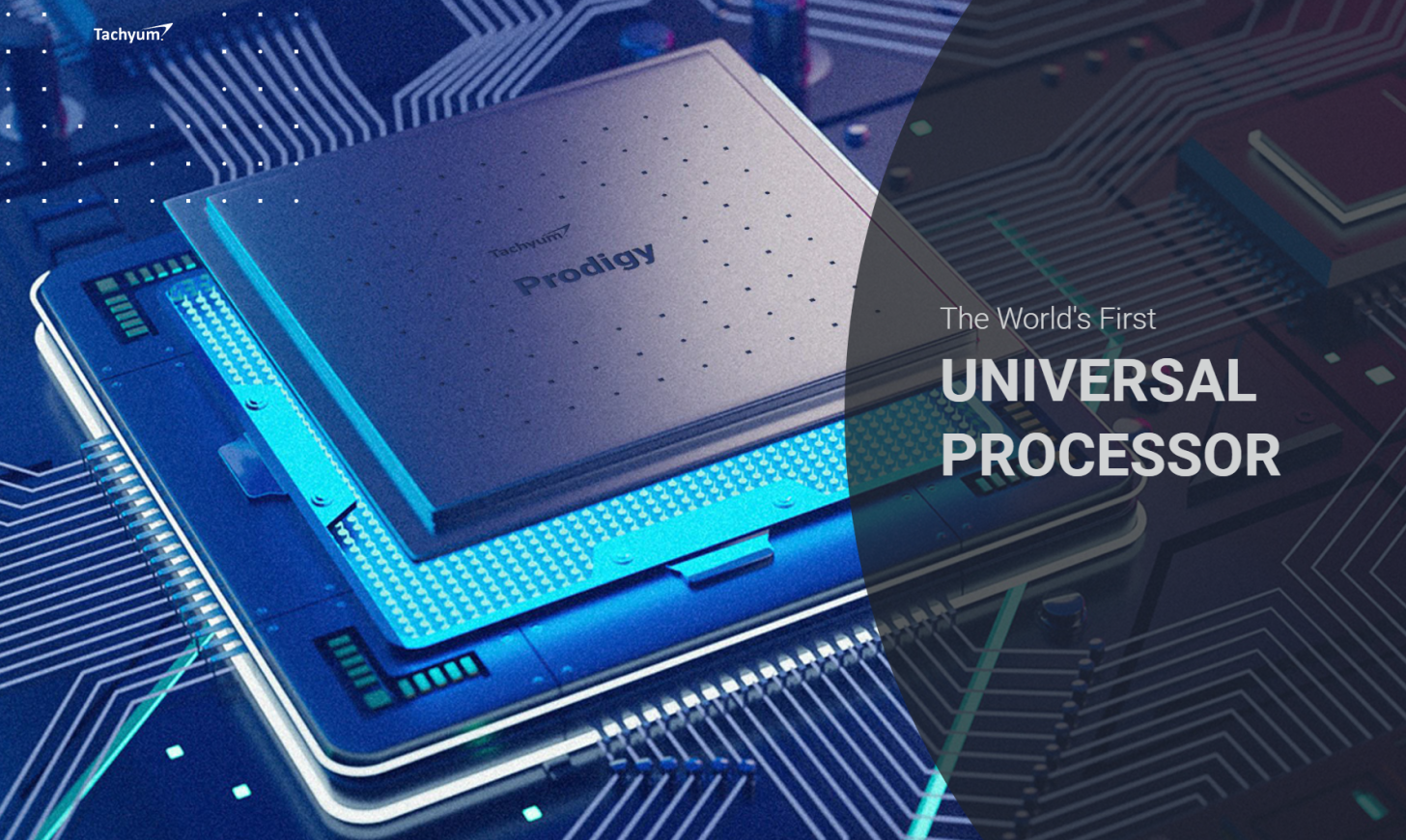
While Tachyum has not yet delivered mainstream commercial hardware, the company has gained attention for its ambitious designs and bold roadmap claims. Its upcoming 2nm Prodigy universal processor has been promoted as a breakthrough part, featuring up to 1024 64 bit cores in a single socket. Tachyum has even compared Prodigy’s projected inference performance against NVIDIA’s Rubin Ultra platform, claiming it will surpass 1000 PFLOPs and double Rubin’s expected 50 PFLOPs output. These claims remain unproven, but they illustrate Tachyum’s confidence in its technology stack.
If the U.S. Trademark Office rules in Tachyum’s favor, Google could face the possibility of rebranding its long standing TPU lineup, which has become deeply associated with Google Cloud’s AI training and inference services. Given the global recognition of Google’s TPU brand, the dispute could carry significant market implications, depending on how aggressively Tachyum pursues enforcement.
Google has not yet responded publicly to Tachyum’s trademark challenge. Trademark disputes can take considerable time to resolve, and outcomes often depend on factors such as prior use, commercial presence, and the distinctiveness of the trademarked term. It remains possible that the companies could reach a settlement or licensing arrangement rather than engage in prolonged litigation.
With momentum around AI accelerators intensifying, this dispute adds a new layer of intrigue to an already competitive landscape. The industry will now watch closely to see whether Tachyum’s trademark claim holds firm against one of the largest players in AI silicon.
Do you think Tachyum has a viable case against Google, or is the TPU name too established in the market to be overturned?
