
Intel Z970 Rumor Points to a Broader Nova Lake Motherboard Strategy With High End and Mainstream Coverage
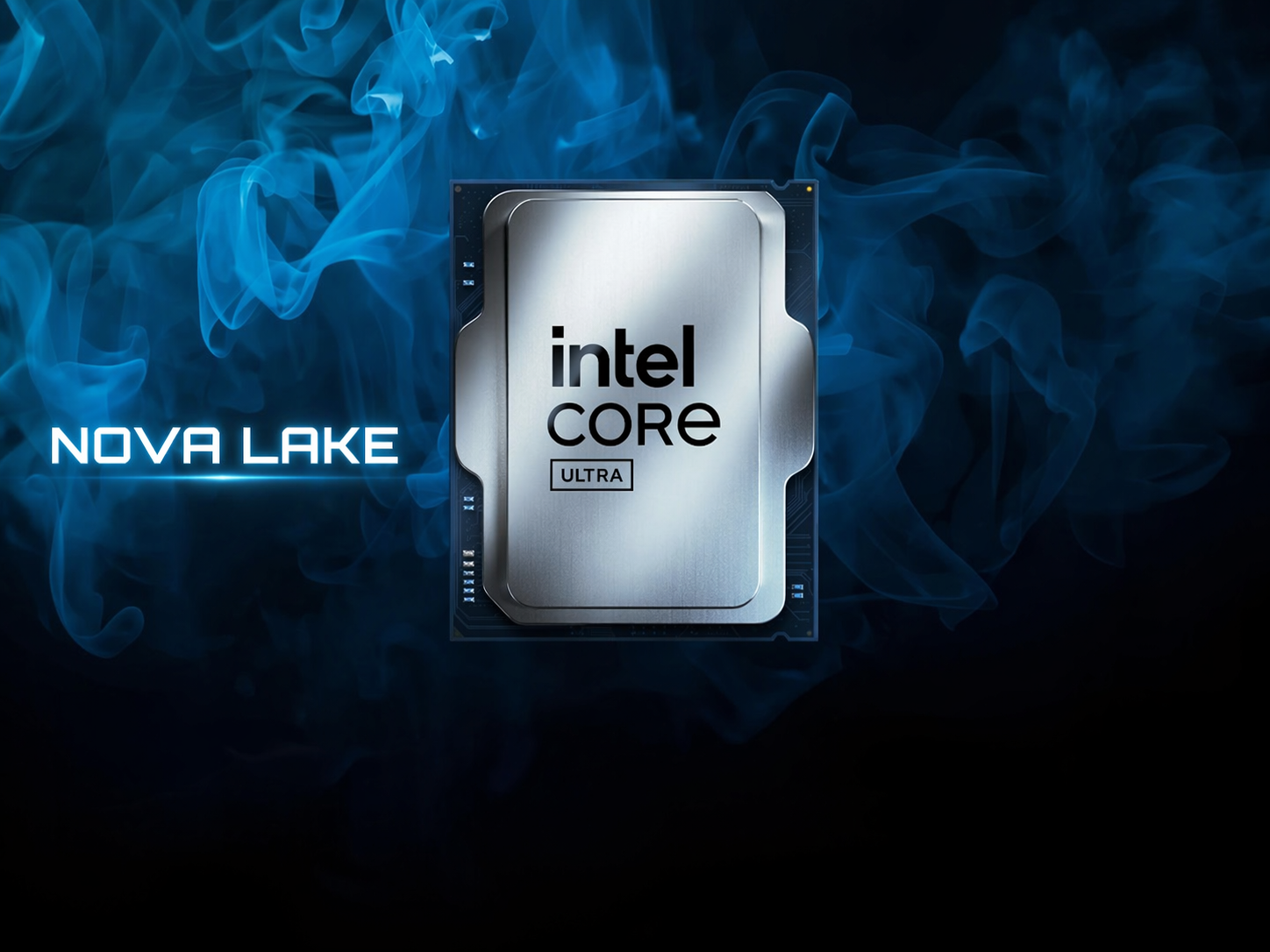
Intel’s upcoming Nova Lake desktop platform may arrive with a much wider motherboard strategy than many expected, with the Z970 chipset now rumored to stretch beyond its original high end role and cover a large part of the mainstream market as well. The latest claim comes from leaker Jaykihn on X, whose post suggests Z970 boards could replace most of the territory currently occupied by B860 class products, leaving B960 to handle the true budget segment instead. While Intel has not officially confirmed these chipset names or final segmentation, multiple recent reports now point in the same general direction for Nova Lake’s 900 series platform.
If that rumor holds, it would represent a meaningful shift in how Intel’s mainstream desktop ecosystem is structured. Traditionally, the Z series has been associated with premium boards and CPU overclocking support, while the B series covers the broader volume market with lower prices and fewer enthusiast features. The new claim suggests Z970 could absorb some of the more premium B860 style territory, especially the $199 to $249 range where buyers still care about value but may also want stronger board quality, better tuning options, and overclocking support.
That matters because Intel appears to be building Nova Lake as a more layered desktop platform overall. Recent reporting on Nova Lake points to a new LGA 1954 socket, a 900 series chipset family, and a product stack that could include more aggressive enthusiast features than Arrow Lake. Tom’s Hardware also previously reported that Nova Lake is expected later in 2026 after an Arrow Lake refresh, giving motherboard vendors a chance to reset their desktop lineups around a more ambitious next generation platform.
From a builder perspective, the most interesting part of the rumor is pricing and feature balance. If Z970 boards really do land closer to upper mainstream prices, Intel users could get access to CPU overclocking on more affordable boards without being forced into the ultra premium tier. That would be especially attractive if B960 becomes a true entry segment chipset with tighter I O, fewer expansion options, and no CPU overclocking support. In that scenario, Z970 would not simply be a second premium option under Z990. It would become a much more important part of the overall Nova Lake value ladder.
The broader competitive angle is also easy to see. AMD has continued to benefit from strong midrange motherboard appeal, especially when buyers can get enthusiast class memory tuning and a decent feature set without jumping to flagship board prices. If Intel wants Nova Lake to feel more flexible and attractive across both enthusiast and mainstream segments, a wider Z970 strategy would make sense. It would let board makers create more designs that still feel premium enough for gamers and tweakers, but not so expensive that they push users straight into sticker shock.
For now, though, this still sits firmly in rumor territory. Intel has not officially unveiled Z970, Z990, or B960, and it has not published final chipset specifications or pricing plans for Nova Lake desktop boards. What we do have is a growing pattern of leaks and follow up reporting that all suggest Intel’s next desktop platform may be broader and more segmented than the current generation. If that is true, Z970 could end up being one of the more important boards in the whole stack, not because it is the most elite, but because it could become the sweet spot for a huge number of Nova Lake builders.
Would you rather see Intel push overclocking into more affordable Z970 boards, or do you think enthusiast features should stay reserved for the highest end motherboard tier?
