
Supermicro Faces US Smuggling Charges Over Alleged 2.5 Billion Dollar NVIDIA Server Diversion to China
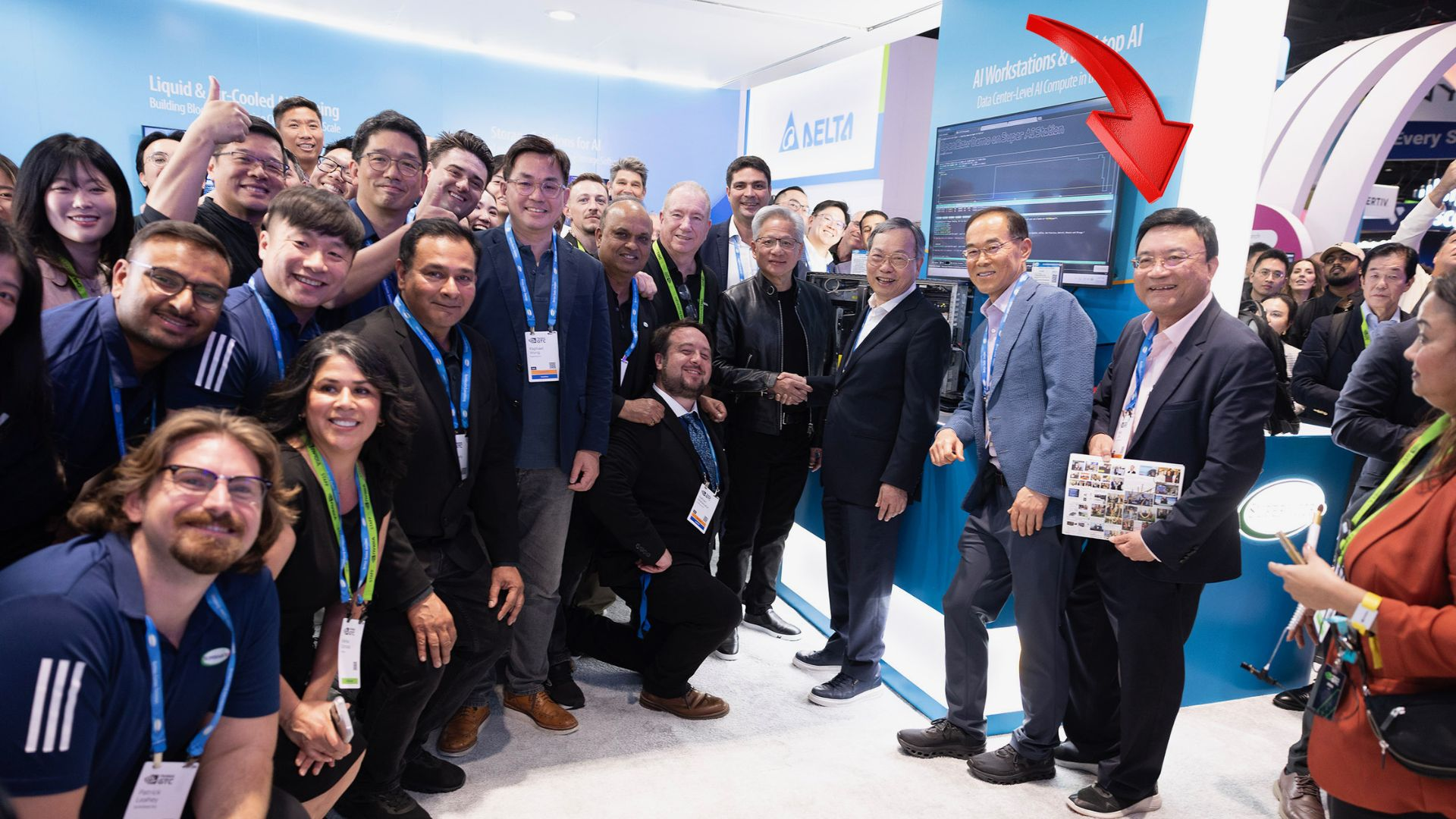
A major export control scandal has now engulfed Supermicro after US prosecutors charged 3 individuals tied to the company in an alleged scheme to divert advanced NVIDIA powered AI servers to China. The case centers on Supermicro co founder Yih Shyan “Wally” Liaw, sales manager Ruei Tsang “Steven” Chang, and contractor Ting Wei “Willy” Sun. According to the US Department of Justice, the defendants are accused of conspiring to unlawfully route restricted US artificial intelligence systems through Taiwan and Southeast Asia before they were ultimately shipped into China in violation of export controls. Prosecutors say the broader order volume tied to the scheme reached roughly 2.5 billion dollars, with at least about 510 million dollars in servers allegedly diverted between April and May 2025 alone.
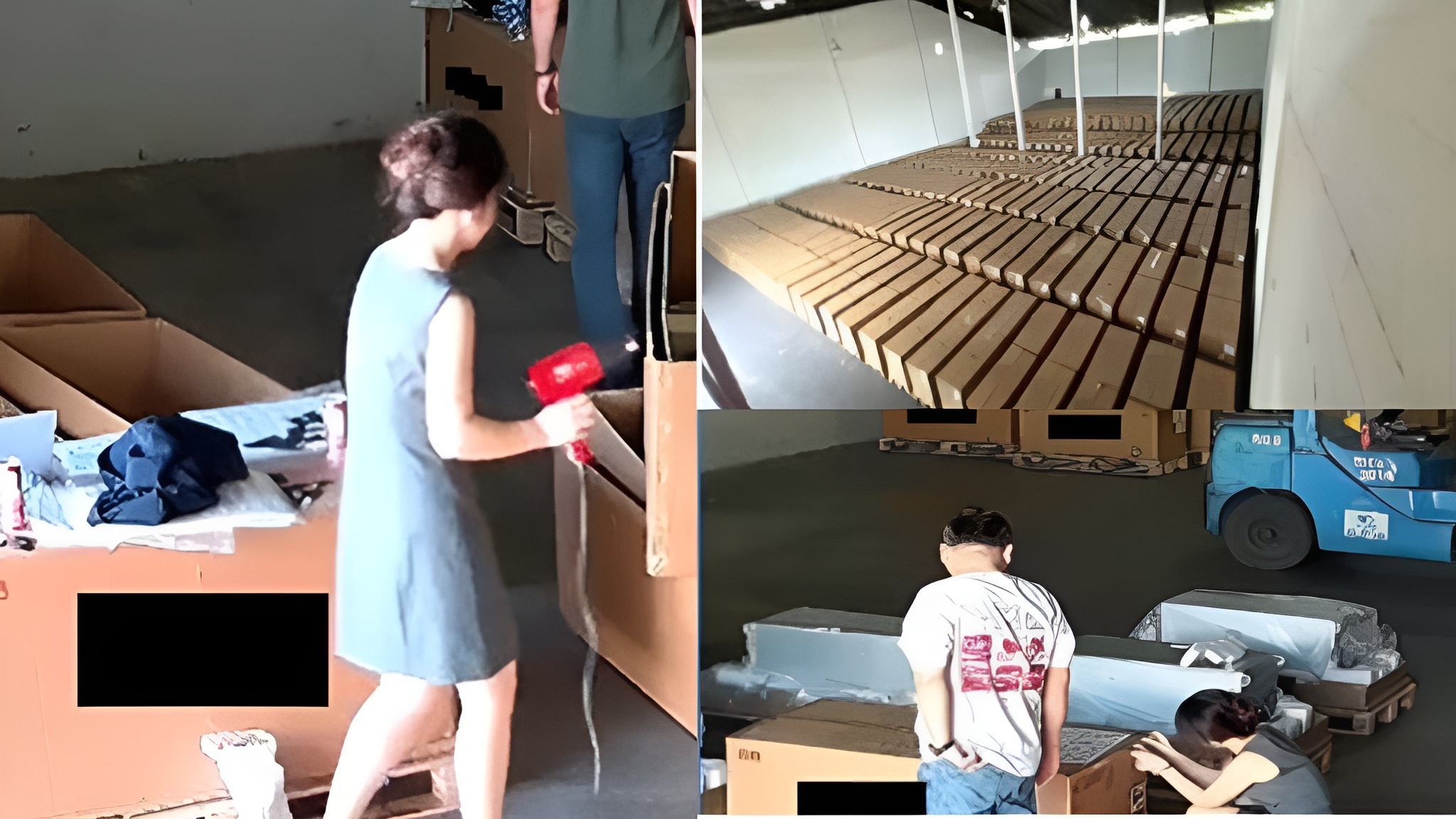
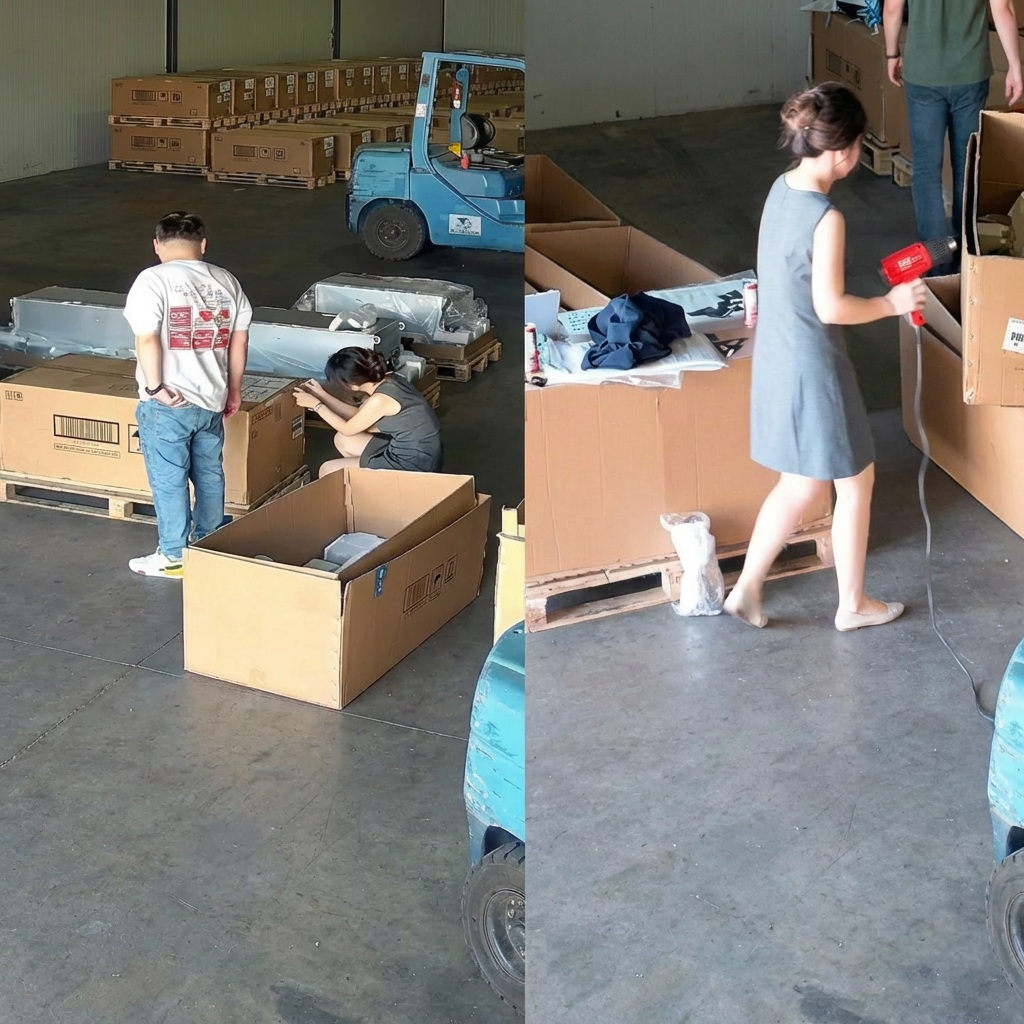
What makes the allegations especially striking is the method prosecutors say was used to hide the shipments. Reporting from CNBC says employees allegedly used fake paperwork claiming the systems were being prepared for legal deployment in Southeast Asia, while bogus servers were stored as decoys. Reuters and AP both report that investigators say serial number stickers were removed from real servers using hair dryers and then attached to dummy machines to mislead compliance inspections and export control officers. If true, this was not a paperwork error or a gray area interpretation of trade rules. It was an intentionally deceptive system built to evade scrutiny.
There is also an important legal distinction here. Supermicro itself has not been named as a defendant in the indictment. In its own investor relations statement, the company said it is cooperating with investigators, has placed the 2 employees on administrative leave, and terminated its relationship with the contractor. The company also stressed that it is not charged as a corporate defendant in the case. That said, the executives involved were not peripheral figures. Liaw was both a co founder and a senior vice president, which means the reputational and governance impact on Supermicro is still severe even without the company itself being criminally charged at this stage.
NVIDIA has also responded publicly, and its message was clear. The company said it continues to work closely with customers and the government on compliance programs, and emphasized that unlawful diversion of controlled US computers to China is “a losing proposition” because NVIDIA does not provide service or support for such systems. That response matters because NVIDIA has spent months under pressure from policymakers who argue that restricted AI hardware still finds its way into China despite tightening export rules. This case will likely intensify that scrutiny and could strengthen calls for even tougher enforcement across the AI hardware supply chain.
The market reaction has already been brutal. Reuters reported that Supermicro shares plunged about 28% after the charges were announced, wiping out more than 5 billion dollars in market value in a single session. For a company that had become one of the biggest infrastructure winners of the AI boom, that is a major hit. It also creates a new competitive opening for rivals that can present themselves as lower risk partners for hyperscalers and enterprise buyers at a time when compliance credibility matters just as much as raw hardware throughput.
The bigger industry takeaway is even more serious. This case suggests that despite years of tighter export controls, the route from US made AI hardware to China may still be more porous than official assurances implied. It also lands at a sensitive moment for NVIDIA and the broader AI ecosystem, as Washington continues debating how much compute China can still access indirectly through Southeast Asian channels, cloud services, and intermediaries. The allegations do not prove that every restriction is failing, but they do show that enforcement remains a live battlefield rather than a settled policy win.
For gamers and PC hardware watchers, there is also a side effect worth noting. Any large scale diversion of advanced servers and accelerators puts additional strain on high end supply chains, especially around advanced packaging, memory, networking, and rack level integration. If enforcement tightens further after this case, the impact may not be limited to data center policy. It could ripple outward into broader component planning and pricing across the semiconductor ecosystem. That is an inference from the current supply environment, but it is a very plausible one given how interconnected AI infrastructure has become with the rest of tech manufacturing.
A related social media post has also amplified the story, further pushing the controversy into public view Asia Finance on X. At this point, the scandal is no longer just about one smuggling allegation. It is becoming a test case for how seriously US authorities intend to police AI export controls when billions of dollars and geopolitical leverage are on the line.
Do you think cases like this will force much stricter AI export enforcement, or will smugglers simply keep finding new routes around the system?
