
Supermassive Games Could Cut Up to 75 Jobs as Another Restructuring Hits the Directive 8020 Studio
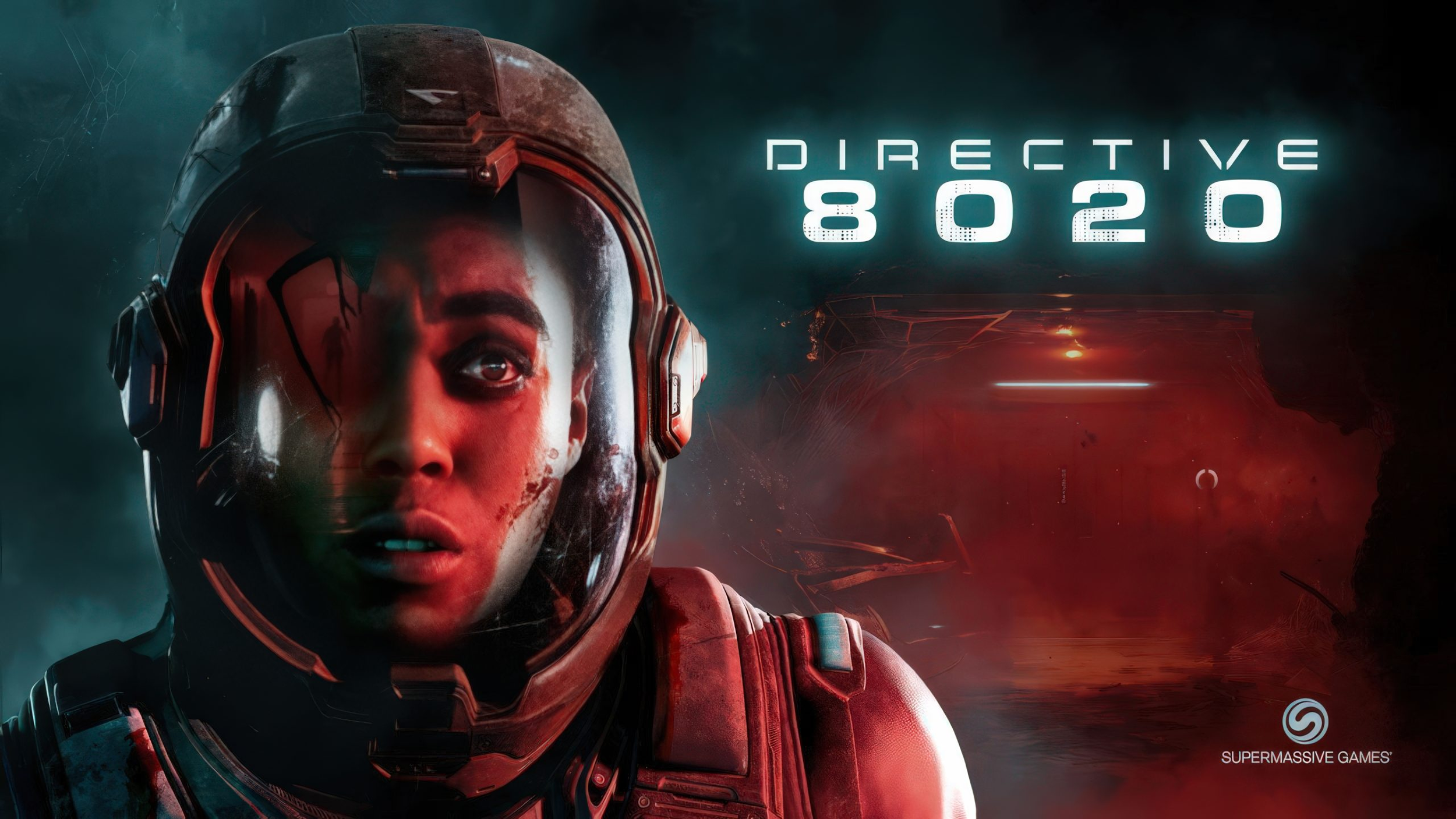
Supermassive Games has started another redundancy consultation process that could result in the loss of up to 75 jobs, adding further pressure to the British developer behind Until Dawn, The Quarry, The Dark Pictures Anthology, Little Nightmares III, and the recently released Directive 8020. The studio says the restructuring is necessary to improve the long term sustainability of the company as it continues navigating a difficult environment across the gaming industry.
"We have made the difficult decision to begin a redundancy consultation process, which we anticipate will result in the loss of up to 75 of our colleagues. This is a necessary step to help ensure the sustainability of the company."
— Quote by: Supermassive Games.
The announcement marks another substantial workforce reduction for Supermassive. In February 2024, the studio announced a restructuring after an internal communication reportedly indicated that approximately 90 positions could ultimately be eliminated. Another consultation followed in July 2025, when Supermassive confirmed plans to make 36 employees redundant while delaying Directive 8020 from October 2025 into the first half of 2026.
Directive 8020 eventually launched on May 12, 2026 for PlayStation 5, Xbox Series X and S, and PC. The latest installment moves The Dark Pictures into science fiction horror, following the crew of the Cassiopeia after its mission to Tau Ceti f goes catastrophically wrong. Players must survive an alien organism capable of imitating members of the crew while making the branching decisions and character survival choices traditionally associated with Supermassive's cinematic games. Supermassive Games confirmed the release in May and continues to position Directive 8020 as its latest major title.
Publicly available PC data suggests the game has not developed into a major Steam breakout. SteamDB recorded an all time peak of 3,072 concurrent players on May 12, while its indexed user reception currently sits around 61% positive from approximately 2,000 reviews. Steam metadata also lists a Metacritic score of 72. These numbers only represent part of the game's audience and cannot be used to determine total sales across PlayStation, Xbox, and PC, while Supermassive has not publicly disclosed a total sales milestone.
The timing nevertheless places the restructuring only around 3 months after Directive 8020's release and shortly after another major transition inside the company. Supermassive Chief Executive Officer Robert Henrysson stepped down at the end of June after completing a leadership mandate that included rebuilding the management structure, refining the studio's strategy, and overseeing the completion of Directive 8020.
Supermassive remains owned by Nordisk Games, which fully acquired the studio in 2022. The developer describes its core strength as high end interactive drama, a production model that has resulted in some of the industry's most recognizable narrative horror games but also requires complex branching content, detailed environments, extensive voice acting, performance capture, and cinematic production.
The new consultation does not confirm that Directive 8020 directly caused the cuts. Supermassive specifically describes the decision in terms of company sustainability, and without disclosed sales figures it would be premature to attribute the restructuring entirely to one game. However, the repeated workforce reductions demonstrate that the studio is continuing to reshape its operating structure after several years of financial and production pressure.
Supermassive has one of the most distinctive identities in modern horror gaming, but maintaining that identity has become increasingly difficult as development costs rise. Cinematic games with branching narratives can require large amounts of content that many players will never see during a single playthrough, making production efficiency especially important.
Directive 8020 attempted to evolve The Dark Pictures formula with science fiction horror, real time threats, and a more mechanically involved survival experience, but its Steam engagement has remained relatively modest. That alone does not establish commercial failure, yet another major restructuring so soon after launch reinforces the pressure facing Supermassive's current business model.
The bigger concern is the pattern. After restructuring in 2024, another reduction in 2025, a leadership transition in June 2026, and now as many as 75 additional positions at risk, Supermassive appears to be searching for a sustainable scale for its future projects. Its creative identity remains valuable, but the studio may need to balance cinematic ambition with smaller production budgets, more focused development cycles, or stronger publishing partnerships.
Should Supermassive continue investing heavily in cinematic horror and The Dark Pictures, or does the studio need a major change in its development strategy after another round of job cuts?
