
Stormgate Loses Online Multiplayer After Server Partner Hathora Is Acquired by Fireworks AI
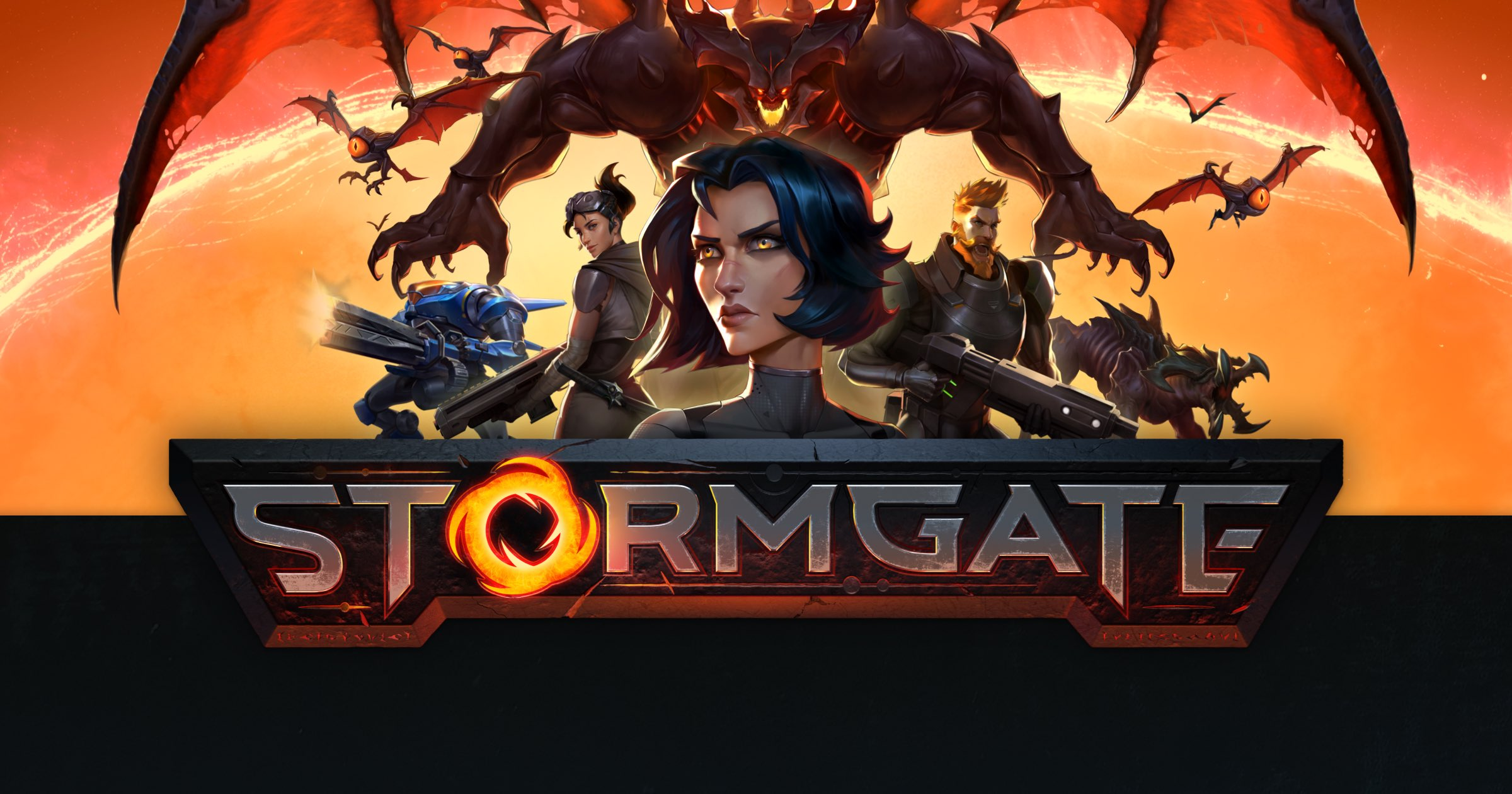
Stormgate has run into another serious setback, with Frost Giant Studios confirming that the game’s online modes will go offline at the end of April 2026 after its server orchestration partner, Hathora’s new parent company Fireworks AI, winds down the service. The studio told players that Hathora’s acquisition means Stormgate’s multiplayer functionality will face a planned outage, and that the game will instead be patched to support offline play while Frost Giant looks for a replacement partner.
That makes this more than a routine backend disruption. Stormgate was built as a modern RTS with online competitive and cooperative ambitions at its core, so losing multiplayer, even temporarily, is a major blow to a project that has already struggled to maintain momentum since its August 2025 launch. Frost Giant’s message, first surfaced by Delisted Games, says the studio hopes to restore online play in a future update, but only after securing a new server orchestration provider.
The larger industry angle is what makes this story especially striking. Fireworks AI officially announced its acquisition of Hathora in early March, saying the deal was meant to accelerate global compute orchestration for AI inference. SiliconANGLE later reported that Fireworks was interested in Hathora primarily for its infrastructure and talent rather than its gaming customer base, and that Hathora had powered server infrastructure for titles including Stormgate, Splitgate 2, and Predecessor. In other words, this was not a gaming expansion deal that happened to include AI. It was an AI infrastructure move that appears to have deprioritized part of Hathora’s gaming business.
That is why Stormgate’s situation feels so symbolic. The games industry has already been feeling the ripple effects of the AI boom through hardware pricing, infrastructure demand, and changing investment priorities. But this case stands out because the impact is immediate and player facing. A live game is losing online features not because of a direct shutdown by its own developer, but because a key infrastructure partner has been pulled toward AI focused priorities. That does not mean AI companies are broadly stripping games offline across the industry, but it does show how quickly games can become exposed when critical service layers change hands.
It is also worth noting that Stormgate is not being fully discontinued. Frost Giant is patching in offline functionality so the game remains playable, and the studio has been careful to frame the multiplayer loss as a temporary state rather than a final closure. Even so, for an RTS that was pitched around long term community growth, competitive support, and cooperative play, losing online infrastructure at this stage is a major credibility hit. The offline patch may preserve access, but it does not replace the experience that many players backed and expected.
The wider concern now is whether Stormgate is an isolated casualty or an early warning sign. Hathora’s own public materials and post acquisition coverage tied the company to several multiplayer games, which means Stormgate may not be the only title watching this transition closely. If more infrastructure providers decide AI inference is a more attractive market than game server orchestration, smaller online games in particular could become increasingly vulnerable.
For Frost Giant, the immediate challenge is straightforward but difficult. It now needs to stabilize player trust, deliver the offline patch cleanly, and find a new partner fast enough to keep Stormgate from slipping further out of relevance. For the industry, the takeaway is sharper. AI is no longer only competing with games for talent, capital, and hardware. In Stormgate’s case, it appears to have pulled away part of the infrastructure layer too.
Do you think this is a one off infrastructure problem, or the start of a bigger trend where AI demand begins pushing online games out of critical backend services?
