
Starfield Fans Are Giving NVIDIA DLSS 5 a Much Warmer Reception, Calling the Upgrade a “Night and Day Difference”
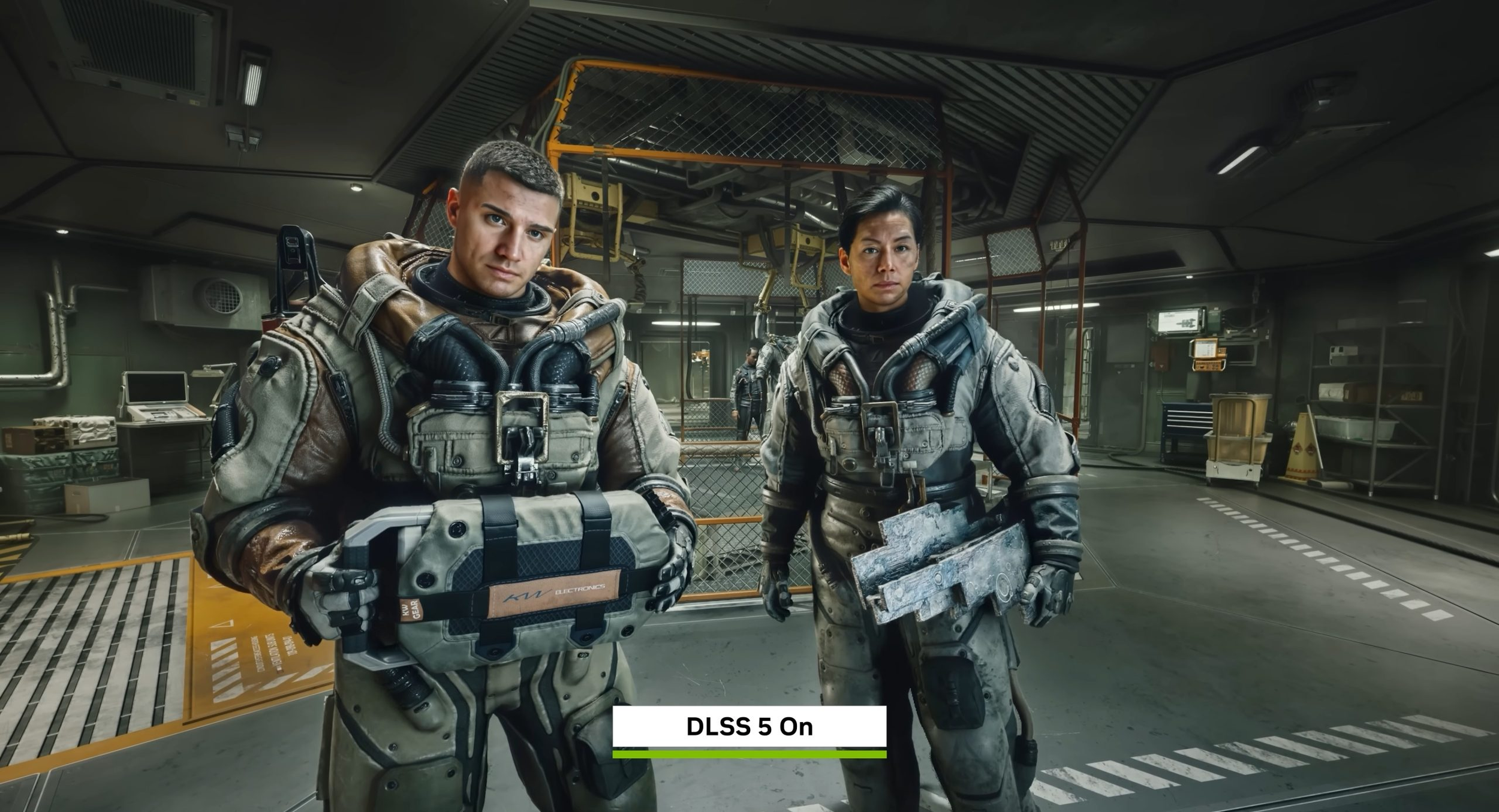
NVIDIA’s DLSS 5 reveal has been one of the most divisive graphics announcements in recent memory, but the reaction around Starfield is proving that not every community is responding the same way. A hands on showcase video shared by Plano Plays Games after GTC 2026 has drawn a notably more positive response from Starfield players, with several viewers describing the visual changes as dramatic rather than destructive. The video itself is based on off screen footage captured during a DLSS 5 demo session for Starfield at GTC.
What seems to be resonating most with players is the environmental presentation. In the Starfield footage, New Atlantis appears to gain richer lighting, stronger material response, and a more polished futuristic look, which many viewers seem to feel fits Bethesda’s visual direction better than some of the more controversial DLSS 5 showcases shown elsewhere. That does not mean every concern has disappeared, especially around faces and animation, but the overall reaction has been far more favorable than the uproar surrounding earlier demos such as Resident Evil Requiem.
The community feedback highlighted around the video is unusually supportive given the broader mood around DLSS 5. Comments cited from the showcase include one viewer calling the difference “night and day,” another describing it as “amazing technology,” and others pushing back against what they see as an overblown “AI witch hunt.” Even more measured reactions still leaned positive, with some viewers arguing that the technology appears to add to the artists’ work rather than replace it, at least in this specific demo.
That positive response stands out because the wider backlash against DLSS 5 has been intense. Critics have accused the new technology of making games look overly processed, homogenized, or too close to what many players dismiss as “AI slop.” The criticism became especially loud after NVIDIA’s early promotional comparisons altered character faces in ways many players felt clashed with the original art direction. Major coverage of the rollout has consistently described the response as one of NVIDIA’s roughest gaming tech reveals in years.
NVIDIA CEO Jensen Huang has now acknowledged that concern more directly. In his recent Lex Fridman interview, Huang said he is “empathetic” toward critics and that he does not love “AI slop” himself, but he insisted that this is not what DLSS 5 is doing. His defense is that DLSS 5 is guided by 3D structure and artist created geometry rather than inventing an entirely new image detached from the original scene. In his view, it is a developer controlled rendering tool, not a replacement for artistic intent.
That is why the Starfield response matters. It suggests DLSS 5 may not live or die on the controversy of its first reveal alone, but on how convincing it looks game by game. In Starfield, where the architecture, materials, and lighting already lean into a polished science fiction aesthetic, some players clearly think the tech is enhancing the presentation rather than corrupting it. The remaining question is whether that positive impression holds up once players see more motion heavy sequences, combat, and final direct feed footage instead of an off screen conference demo.
Do you think Starfield is the first real proof that DLSS 5 can work when paired with the right art style, or are players judging it too early based on a showcase demo?
