
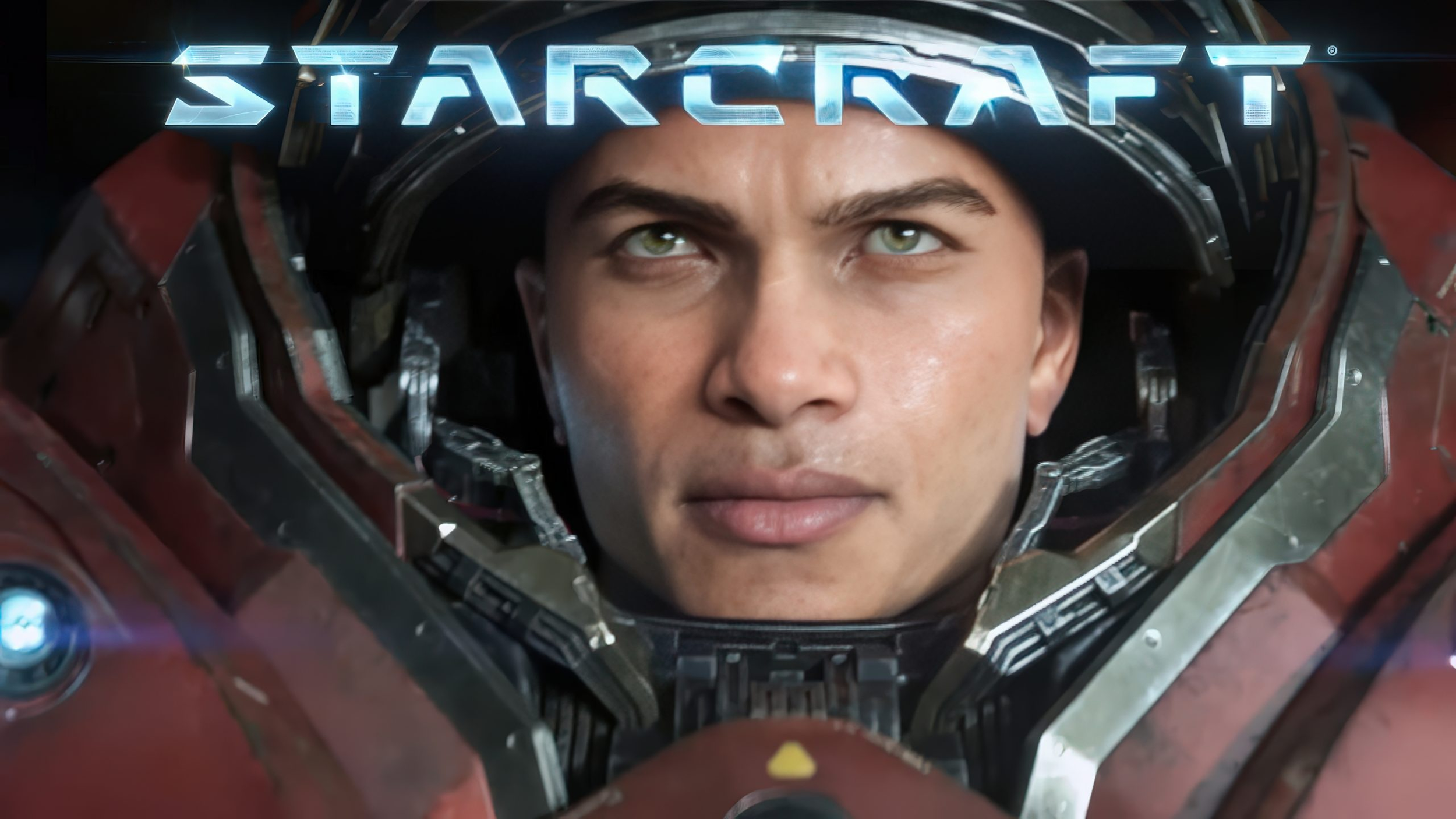
Blizzard’s upcoming StarCraft open world shooter will not follow the seasonal live service model that has become common across modern multiplayer games. Creative Director and StarCraft General Manager Dan Hay has confirmed that the project is currently being designed as a complete standalone experience with a defined story, character progression, main missions, side quests, and an ending.
Speaking with Inven Global following the game’s reveal at BlizzCon 2026, Hay described the new StarCraft as what he calls a "box product." Players will create and name their own character before following a narrative through the open world, rather than entering a seasonal structure built around continuously refreshed content.
Hay explained that players will be free to explore the wider world, while the central narrative is being designed as a complete experience with a defined conclusion. Blizzard hopes players will enjoy the experience and potentially return to the universe later, but the game currently being developed is specifically not designed as a seasonal title.
That direction immediately separates StarCraft from many recent major shooters. Instead of structuring progression around repeated seasonal resets, rotating content, or an endless endgame loop, Blizzard is building the project around a complete narrative journey. The studio has not ruled out what could happen after release, particularly with the game still targeting Spring 2030, but its current foundation is closer to a traditional premium single player game.
The decision also explains how the open world will function. Players will encounter a central storyline alongside side quests and character progression, with the option to leave a difficult mission and spend additional time exploring the surrounding environment. Equipment can be scavenged and armor improved before returning to the challenge later. Hay said Blizzard wants the game to offer meaningful difficulty without becoming excessively punishing.
That slower approach is partly intentional. Hay said he does not consider himself a player with particularly fast reaction speed and enjoys exploring, discovering unexpected locations, and progressing at his own pace. Blizzard wants the open world to provide that freedom while the main missions deliver much more controlled and emotionally intense sequences.
Hay specifically referenced Kerrigan being abandoned during the original StarCraft as an example of the emotional impact Blizzard wants to recreate. The studio wants major missions to carry that kind of narrative weight, while the surrounding world gives players room to explore without constantly forcing them toward the next story objective.
The new information provides much more context around the project Blizzard officially unveiled at BlizzCon. StarCraft returning as an open world shooter in Spring 2030, the game moves the franchise away from its traditional real time strategy perspective and places players directly on the ground inside the conflicts of the Koprulu Sector.
The story takes place approximately 70 years after StarCraft II: Legacy of the Void, giving Blizzard room to change political relationships, factions, and the balance of power without discarding the history established by the previous games. Hay said this distance from the original timeline allows Blizzard to create new characters and conflicts while maintaining the dark atmosphere and space western identity associated with StarCraft.
Terran, Zerg, and Protoss will all remain central to that identity. Blizzard confirmed that the Protoss are present despite receiving very little attention in the reveal trailer, with a Protoss structure briefly visible behind the battlefield during the cinematic. Hay said the development team wants to preserve the fundamental differences between all 3 races and explore how their relationships have changed during the 70 year gap.
The shift toward a shooter does not mean Blizzard is declaring the end of StarCraft as a real time strategy franchise. Hay acknowledged the importance of StarCraft’s history in RTS gaming and esports, but avoided making promises about additional games. Blizzard’s current focus is entirely on delivering the newly announced project rather than revealing what other forms StarCraft could take afterward.
The studio has nevertheless made its immediate priorities much clearer. This StarCraft is being built as a narrative driven adventure first, with its open world, equipment, exploration, and progression supporting a story designed to reach a conclusion rather than serve as the foundation for an indefinite seasonal roadmap.
Rejecting the seasonal model may be one of the strongest decisions Blizzard has revealed about the new StarCraft so far.
Moving the franchise from real time strategy into an open world shooter was already going to create concern among longtime players. Turning it into another endless live service platform would have created an even larger identity problem. A defined story gives Blizzard space to focus on the political conflict, characters, and atmosphere that made StarCraft memorable in the first place.
Dan Hay’s Far Cry background is obvious in the structure being described, particularly the ability to leave a difficult mission, explore, improve equipment, and return later. The difference will come down to whether Blizzard can make the Koprulu Sector feel like a believable StarCraft world rather than simply applying familiar open world systems to another franchise.
The 2030 release remains distant, but Blizzard has at least answered one major question early. StarCraft is not being designed around keeping players permanently logged in. It is being built to tell a story and eventually reach an ending.
Does hearing that StarCraft will be a complete story rather than a seasonal live service game make you more interested in Blizzard’s move into an open world shooter?
