
Sony Patent Points To AI Bosses That Could Learn From Your Playstyle
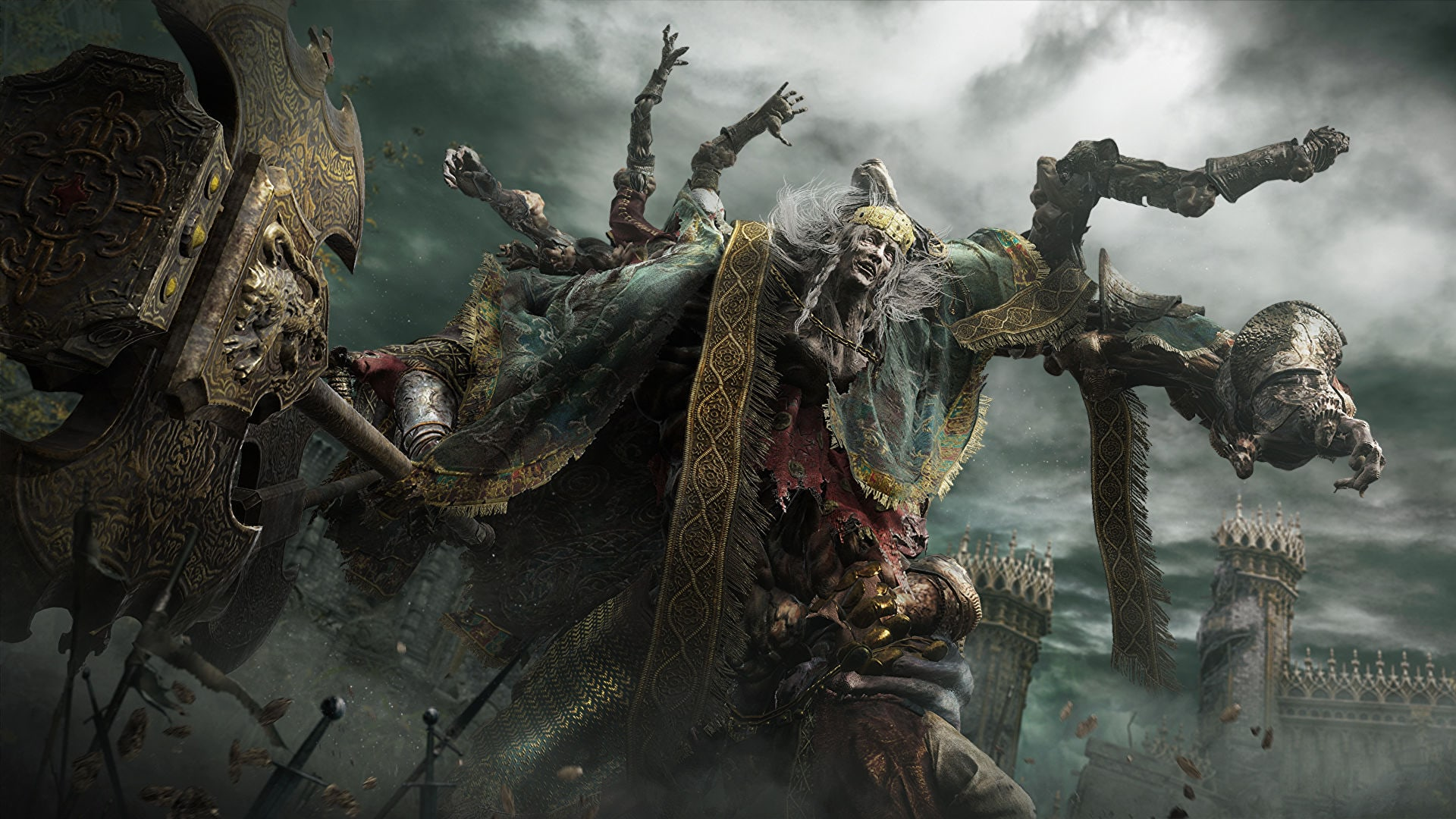
Sony Interactive Entertainment appears to be exploring a more adaptive future for video game AI, and the idea could have major implications for action games, RPGs, and soulslike combat design. A newly published Sony patent filing describes an artificial intelligence adapted non player character system that can collect player and game data from an encounter, process that information through a machine learning model, and use the result to generate new NPC content.
In practical terms, the system is designed to study how a player interacts with an enemy or character, then modify the NPC based on that encounter. This could include changes to behavior, dialogue, appearance, or other character related content. Instead of relying only on fixed scripts, predictable attack chains, or traditional difficulty settings, future games could use AI to create enemies that respond more directly to how each player actually plays.
That idea becomes especially interesting when applied to boss design. In many difficult action games, the challenge comes from learning enemy patterns, identifying attack windows, managing spacing, and staying disciplined under pressure. Once a player understands the rhythm of a boss, the encounter can become much easier, even if it originally felt overwhelming. A system like this could make bosses less static by allowing them to respond to repeated player habits, such as constant dodging, heavy aggression, passive defense, ranged attacks, or repeated counter timing.
For soulslike games, this could represent a major shift. The genre is built around mastery, patience, and memorization, but AI adapted enemies could push players into more dynamic decision making. A boss could pressure defensive players more aggressively, punish predictable dodge directions, react to repeated healing behavior, or change its phase timing depending on how quickly the player is gaining control of the fight. That does not mean every future boss would become unfair or unbeatable, but it does suggest a future where difficulty could be shaped less by static numbers and more by adaptive design.
The filing does not confirm that Sony will use this system in an upcoming PlayStation game, and patents often represent research rather than guaranteed product features. However, it does show that Sony is looking beyond AI as a background development tool and considering it as part of the gameplay experience itself. That matters because most AI discussions in gaming have focused on asset creation, production pipelines, voice systems, or chat driven NPCs. This filing is more directly connected to moment to moment gameplay.
The potential benefits are clear. Developers could create encounters that feel fresher across multiple playthroughs, reduce repetitive boss exploitation, and give players challenges that feel more personal. Instead of every player facing the exact same enemy logic, the game could gradually build a profile around individual habits and adjust encounters around that data.
The risks are just as important. If the system adapts too aggressively, players may feel punished for improving. If it changes boss behavior without clear design rules, encounters could feel inconsistent or unfair. The best version of this technology would need strong creative direction, player readable feedback, and limits that preserve the core satisfaction of learning and overcoming a challenge.
This patent is exciting because it points toward AI being used where it can actually improve gameplay, not just speed up content production. Adaptive enemies could help keep boss fights tense after the first few attempts, especially in games where experienced players quickly solve attack patterns and exploit predictable behavior.
The bigger question is design discipline. Great difficulty is not about making enemies smarter at any cost. It is about making the player feel that every failure was readable and every victory was earned. If Sony or its studios ever move this concept from patent to product, the winning formula will be balance. AI should support the designer, not replace the encounter design philosophy that makes great action games memorable.
Would you enjoy boss fights that learn from your playstyle, or do you prefer fixed patterns that can be mastered through practice?
