
SolidRun Launches Edge AI Modules With AMD Ryzen AI Embedded P100 and LPCAMM2 Memory
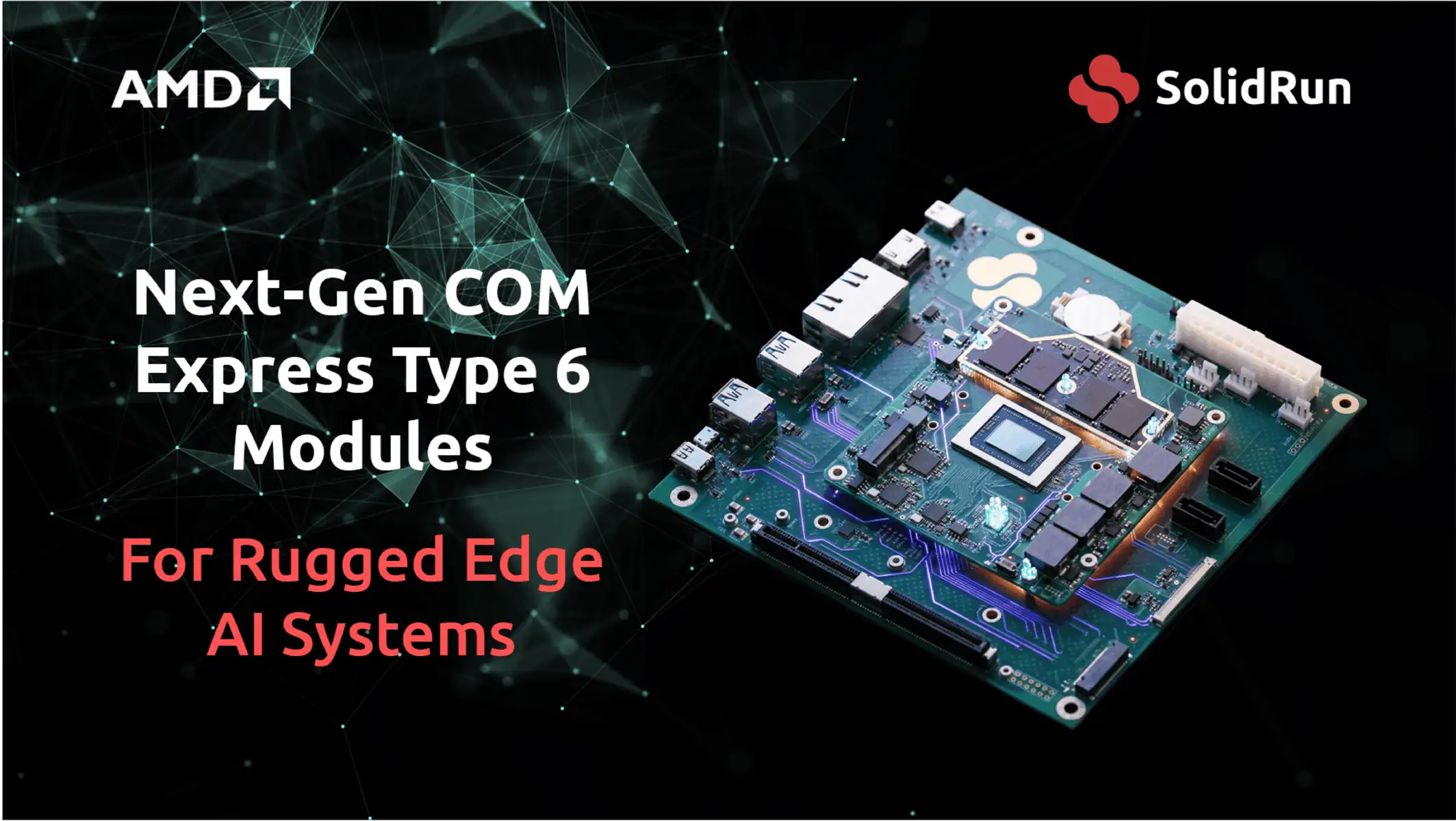
SolidRun has announced its new P100 COM Express Type 6 module family, built around AMD Ryzen AI Embedded P100 processors and paired with LPCAMM2 memory in a move that targets rugged edge deployments where reliability, serviceability, and AI performance all matter. According to the company’s press release on SolidRun, the new platform is aimed at mobile and mission critical environments including industrial automation, transportation, medical systems, and robotics.
One of the biggest talking points in this launch is the use of LP CAMM2 memory on an industrial COM Express Type 6 module. SolidRun positions this as a way to combine the field serviceability of modular memory with the mechanical robustness usually associated with soldered solutions, while also keeping the lower power advantages of LPDDR5 class memory. In practical terms, the company is targeting customers that need memory that can be repaired, swapped, or serviced more easily without giving up the resilience required for systems operating in motion.
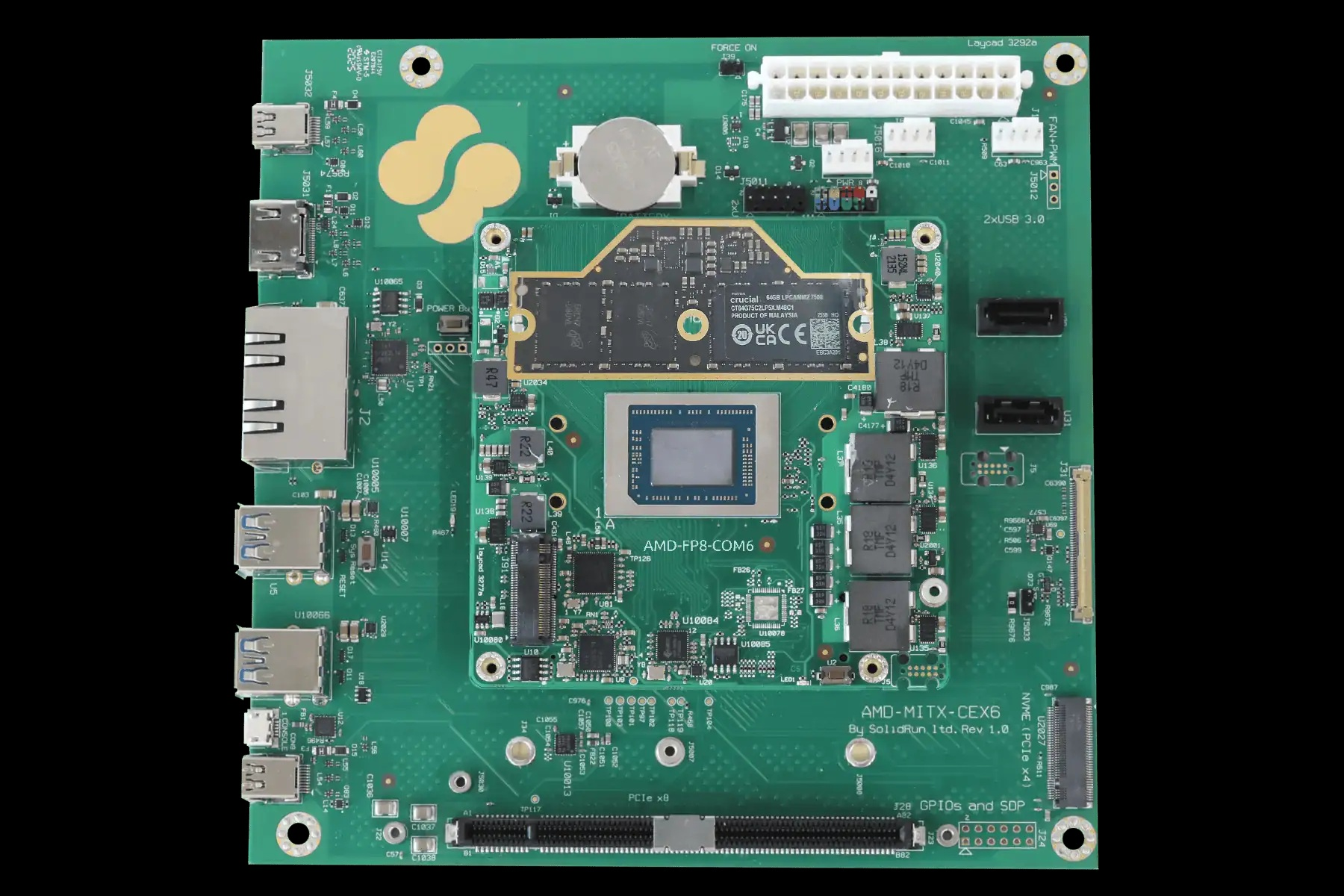
That makes the platform especially relevant for markets where vibration, temperature swings, and long deployment cycles are real operational concerns. SolidRun says the design improves vibration tolerance through more secure mechanical retention and screw lock mounting, while also enabling LPDDR5X class performance up to 8533 to 9600 MT/s. For edge AI workloads that depend on high bandwidth sensor processing, fast inferencing, and continuous operation, that memory approach could become one of the most distinctive parts of the platform.
On the compute side, the new modules are powered by AMD’s Ryzen AI Embedded P100 family and are designed for real time analytics, machine vision, and autonomous control. SolidRun says the modules can deliver up to 50 TOPS from the integrated NPU and up to 59 TOPS total AI performance across the SoC, giving the platform a clear positioning for edge inference workloads that need stronger AI acceleration without moving into larger server class systems.
The company is also pushing deployment flexibility as a core strength. The P100 COMx6 family supports an extended operating temperature range of minus 40°C to plus 85°C and configurable power envelopes from 15W to 54W. That range allows the modules to fit into fanless, sealed, and high performance edge designs depending on the use case. For OEMs and system integrators, that kind of flexibility is critical because edge deployments rarely operate in controlled desktop style environments.
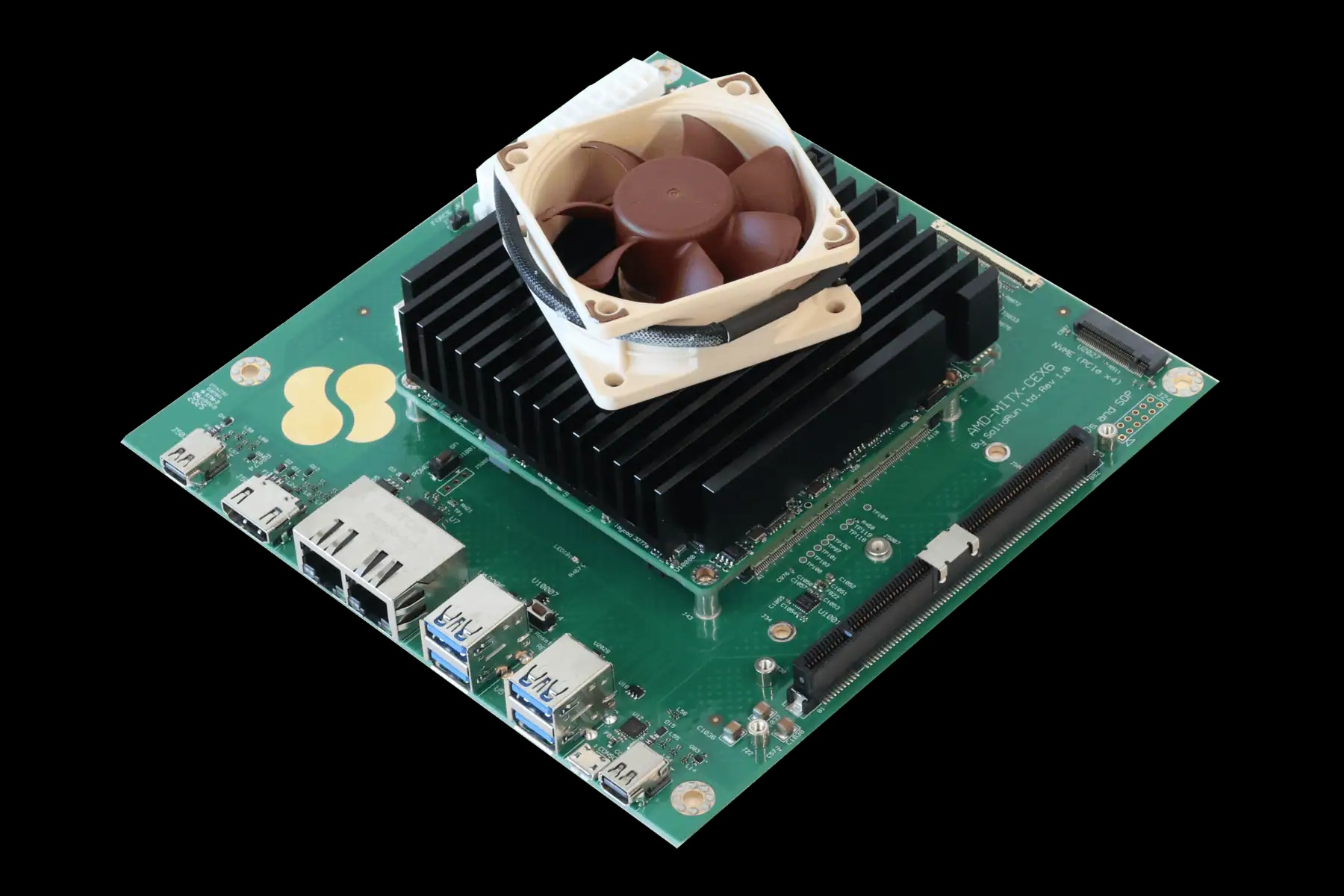
SolidRun highlights a wide target list for the new platform, including mobile robotics, AMRs, AGVs, rail and transportation systems, industrial automation, machine vision, mobile medical systems, and heavy machinery. Across all of those segments, the common pitch is straightforward: deliver stronger AI at the edge with memory that is easier to maintain and hardware that is built for real world motion and environmental stress.
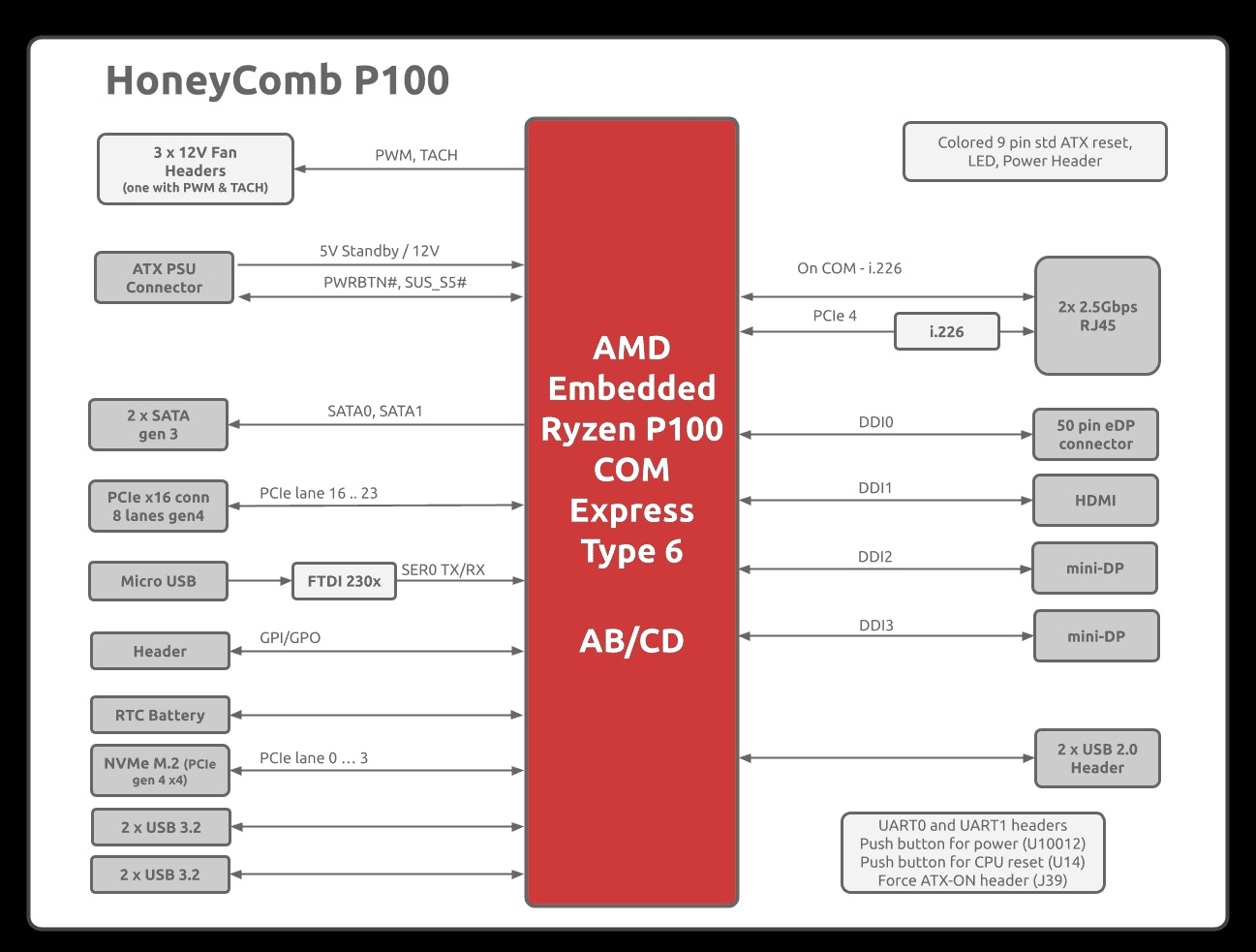
To help shorten development time, SolidRun is also offering a HoneyComb evaluation platform for the P100 COM Express Type 6 family. The company says this platform is designed to accelerate prototyping, testing, and carrier board customization, giving customers a faster path from early evaluation to real product deployment. That is an important part of the launch because edge AI adoption is often slowed not just by hardware cost, but by integration complexity and long validation cycles.
From an industry standpoint, this is a notable launch because it pairs two trends that are becoming increasingly important in embedded AI hardware. The first is the rise of more capable dedicated AI acceleration at the edge. The second is a growing focus on memory designs that are not only fast, but also better suited for maintainability and deployment in harsh environments. By combining AMD’s embedded AI silicon with LPCAMM2, SolidRun is trying to give OEMs a platform that feels both modern and practical.
Availability is already in place. SolidRun says the P100 COM Express Type 6 module family and the HoneyComb evaluation platform are available now through its official channels, with software support packages and development tools included to help speed up deployment.
What do you think about LPCAMM2 in edge AI systems, could this become a more important memory format for rugged industrial and mobile deployments going forward?
