
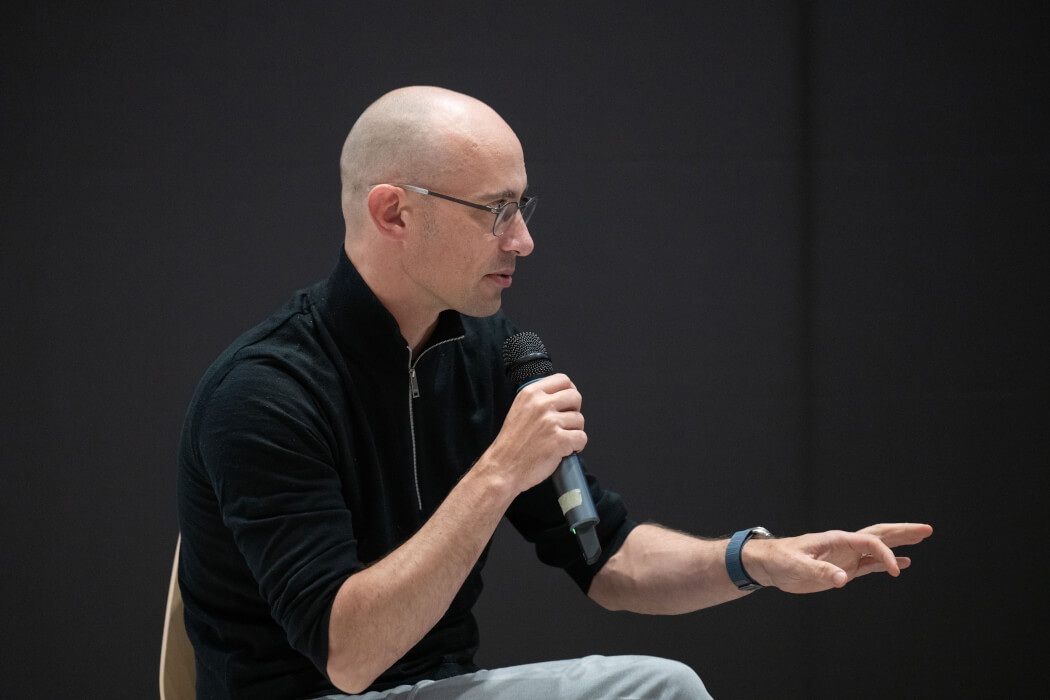
Shopify CEO Tobi Lütke has praised NVIDIA founder Jensen Huang for allegedly prioritizing smaller artificial intelligence startups over immediate corporate profits, claiming that Huang could have generated considerably more revenue by allocating additional GPU supplies to major technology companies. Speaking during a November 22, 2026, interview with David Senra, Lütke described Huang as an influential figure whose decisions helped shape the AI industry beyond NVIDIA's commercial interests. His comments arrive shortly after Huang's controversial departure and subsequent reinstatement as NVIDIA CEO on November 23.
During the original interview with David Senra, Lütke argued that Huang personally reviewed significant GPU orders to ensure smaller AI developers could obtain computing hardware instead of allowing the largest customers to absorb available production. According to Lütke, NVIDIA could have increased short term revenue by concentrating sales among established technology corporations willing to purchase enormous quantities of accelerators, but Huang allegedly recognized the importance of supporting emerging companies that could eventually become major contributors to the AI ecosystem.
"He could make a lot more money."
— Quote by: Tobi Lütke, Shopify CEO
However, Lütke acknowledged that his assessment was based on information he had heard rather than direct knowledge of NVIDIA's internal allocation decisions. He explicitly stated that he had no insider information, meaning the alleged sacrifices remain unverified. Neither NVIDIA nor Huang has disclosed specific transactions demonstrating that the company rejected more profitable orders to prioritize smaller customers.
The comments align with NVIDIA's broader strategy of supporting emerging AI developers through programs such as NVIDIA Inception, which provides eligible startups with technical resources, cloud computing credits, developer tools, and preferred pricing on selected enterprise hardware. However, membership does not guarantee access to GPUs during shortages, and NVIDIA does not directly control all supplier pricing. The company has also expanded its commitment to open AI development through the Nemotron Coalition, bringing together organizations such as Mistral AI, Perplexity, Cursor, and Thinking Machines Lab to develop openly available foundation models.
Lütke's defense of Huang extends beyond GPU allocation. He argued that visionary founders play a unique role in shaping companies because their decisions frequently prioritize long term technological opportunities over immediate financial returns. His criticism of NVIDIA's leadership transition also reflected concerns previously expressed by other technology executives, including Elon Musk, who publicly supported the campaign to reinstate Huang. NVIDIA ultimately reinstated Huang as CEO and Board Director on November 23, restoring his leadership after 11 days.
While prioritizing emerging AI companies could strengthen NVIDIA's long term ecosystem, the strategy also raises questions about how computing resources should be distributed across the broader technology industry. NVIDIA accelerators remain essential for major cloud providers and AI laboratories, but smaller developers, independent researchers, and consumers often face considerably greater financial barriers to accessing advanced GPU hardware. Supporting startups may encourage competition, although preferential access alone does not establish that NVIDIA sacrificed profits or made computing more affordable for individual users.
Tobi Lütke's comments highlight an interesting aspect of NVIDIA's influence over artificial intelligence development. The company does more than manufacture GPUs; its hardware availability, software ecosystem, and commercial relationships can determine which developers have the resources to compete in an increasingly expensive industry.
Supporting smaller AI startups is a positive strategy if it creates meaningful opportunities for independent innovation. However, NVIDIA's commitment to accessibility should extend beyond venture funded companies and enterprise customers. Individual developers, PC enthusiasts, gamers, and people building local AI systems should also benefit from the company's technological advancements.
The increasing concentration of GPU production around massive AI infrastructure investments continues raising concerns about consumer hardware pricing and availability. Even if Huang has helped smaller companies secure accelerators, that does not necessarily mean independent users have received comparable access.
The future of computing should not depend exclusively on large corporations deciding which developers deserve hardware. NVIDIA has an opportunity to support a more accessible ecosystem through affordable graphics cards, larger consumer VRAM configurations, reliable software compatibility, and stronger support for locally operated AI models.
Innovation should benefit everyone who wants to build, experiment, and own their computing hardware, not only companies capable of purchasing thousands of GPUs.
Do you believe Jensen Huang deserves recognition for allegedly helping smaller AI startups secure GPUs, or should NVIDIA focus more on making high performance hardware affordable for gamers and independent local AI developers?
